

Commentary
From Sudan to Ukraine, UAVs have upended warfighting tactics and become one of the most destructive weapons of conflict.
Jon Bateman, Steve Feldstein
{
  "authors": [
    "Lora Saalman"
  ],
  "type": "other",
  "centerAffiliationAll": "",
  "centers": [
    "Carnegie Endowment for International Peace",
    "Carnegie China"
  ],
  "collections": [
    "U.S. Nuclear Policy"
  ],
  "englishNewsletterAll": "",
  "nonEnglishNewsletterAll": "",
  "primaryCenter": "Carnegie Endowment for International Peace",
  "programAffiliation": "",
  "programs": [
    "Nuclear Policy"
  ],
  "projects": [],
  "regions": [
    "North America",
    "United States",
    "East Asia",
    "China"
  ],
  "topics": [
    "Nuclear Policy",
    "Arms Control"
  ]
}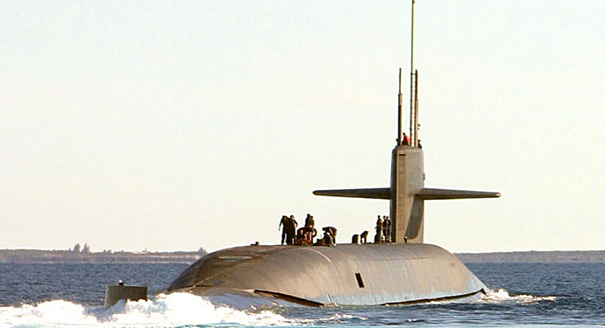
While strategic stability in China has traditionally reflected a concern for maintaining balance, the discussion has broadened in the past years to include concerns over issues such as nuclear terrorism and disarmament.
Source: Asian Institute for Policy Studies
Carnegie's Beijing-based associate Lora Saalman spoke at The Asian Institute for Policy Studies' panel on the U.S. Nuclear Posture Review. Saalman pointed out that strategic stability in China is a concept that has a lot to do with balance. Between 2000 and 2003, discussions in China focused mostly on the imbalance between China, the United States, and Russia. Today the discussions in China focus less on the strategic imbalance between China and the United States and more on the Nuclear Non-Proliferation Treaty, nuclear terrorism, disarmament, as well as extended deterrence.
Carnegie does not take institutional positions on public policy issues; the views represented herein are those of the author(s) and do not necessarily reflect the views of Carnegie, its staff, or its trustees.
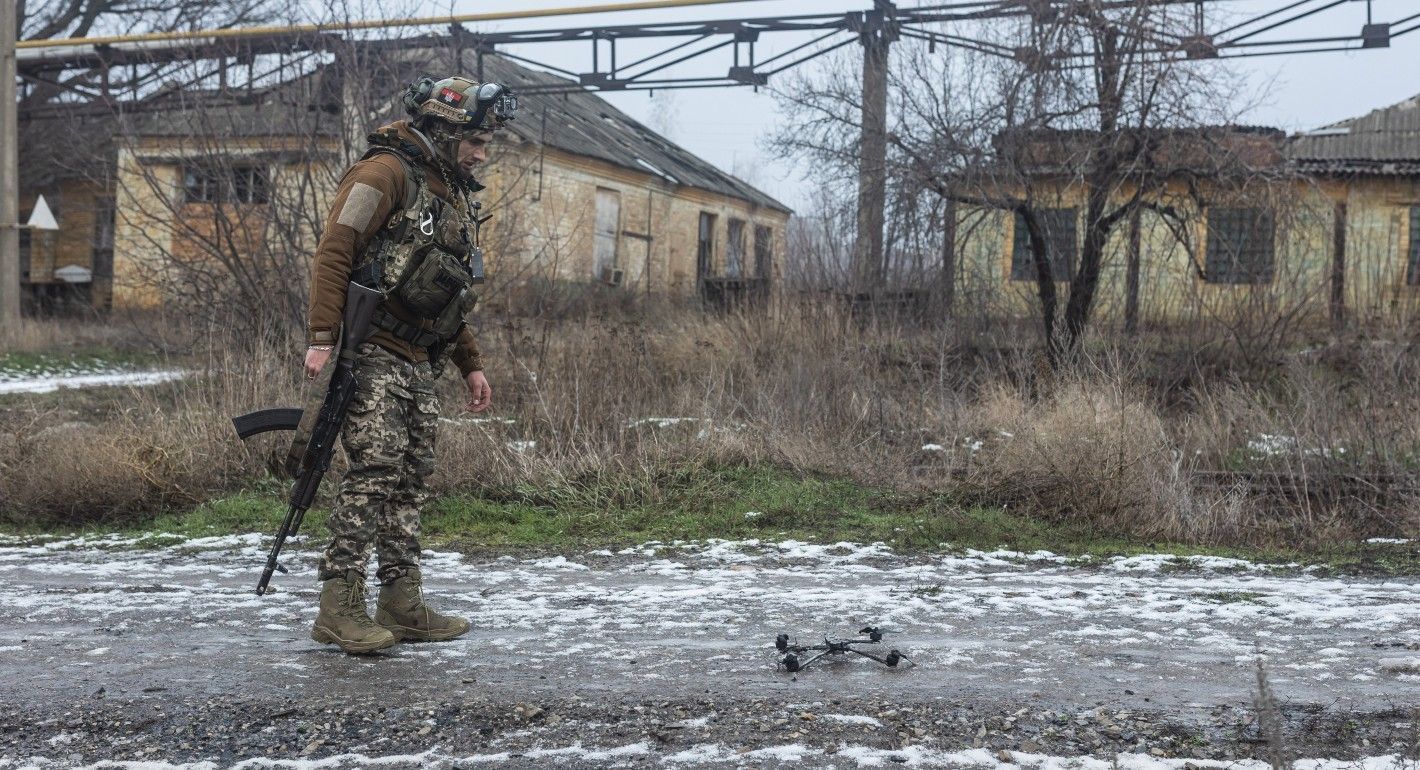
From Sudan to Ukraine, UAVs have upended warfighting tactics and become one of the most destructive weapons of conflict.


Jon Bateman, Steve Feldstein
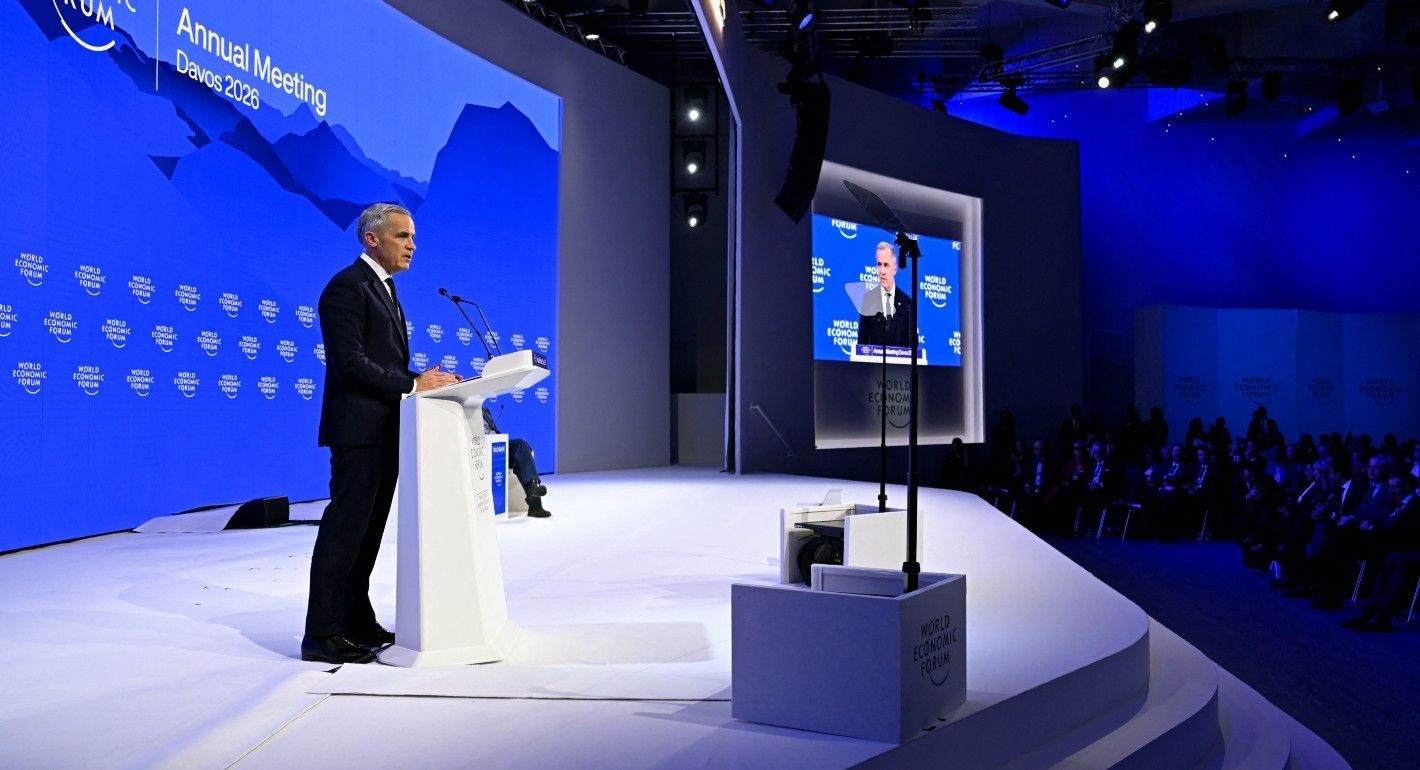
And how they can respond.
Sophia Besch, Steve Feldstein, Stewart Patrick, …
They cannot return to the comforts of asymmetric reliance, dressed up as partnership.
Sophia Besch
Carnegie scholars examine the crucial elements of a document that’s radically different than its predecessors.



James M. Acton, Saskia Brechenmacher, Cecily Brewer, …

Most Americans believe the United States is declining in global power and influence, and nearly two-thirds say China’s power now equals or exceeds that of the United States.

Christopher S. Chivvis, Stephen Wertheim, Liana Schmitter-Emerson