• Research
  • Emissary
  • About
  • Experts
Carnegie Global logoCarnegie lettermark logo
Democracy
  • Donate
{
  "authors": [
    "Christopher Boucek"
  ],
  "type": "legacyinthemedia",
  "centerAffiliationAll": "",
  "centers": [
    "Carnegie Endowment for International Peace",
    "Malcolm H. Kerr Carnegie Middle East Center"
  ],
  "collections": [
    "Arab Awakening"
  ],
  "englishNewsletterAll": "",
  "nonEnglishNewsletterAll": "",
  "primaryCenter": "Carnegie Endowment for International Peace",
  "programAffiliation": "",
  "programs": [
    "Middle East"
  ],
  "projects": [],
  "regions": [
    "Middle East",
    "Yemen",
    "Gulf"
  ],
  "topics": [
    "Political Reform",
    "Economy"
  ]
}

In The Media

Yemen on the Edge

As international attention remains focused on the protests calling for the removal of Yemeni President Ali Abdullah Saleh, the country’s manifold economic problems threaten Yemen and the region.

Link Copied
By Christopher Boucek
Published on Jun 11, 2011
Program mobile hero image

Program

Middle East

The Middle East Program in Washington combines in-depth regional knowledge with incisive comparative analysis to provide deeply informed recommendations. With expertise in the Gulf, North Africa, Iran, and Israel/Palestine, we examine crosscutting themes of political, economic, and social change in both English and Arabic.

Learn More

Source: CSPAN's Washington Journal

The Arab Spring has had a profound effect on Yemen, Carnegie’s Christopher Boucek explained on CSPAN’s Washington Journal. Following the protests that broke out in Tunisia and Egypt, youth protesters and civil society activists took to the street in Yemen to demand greater accountability, an end to corruption, elections, and greater economic and social opportunities. Eventually the official political opposition parties, the Joint Meeting Parties (JMP), and elites outside the government joined the protesters on the street, Boucek said. “The one issue uniting these disparate groups is a call for President Ali Abdullah Saleh to leave power and a transformation of the old regime,” explained Boucek.

However, Boucek warned that while international attention focuses on the political protests, Yemen’s struggling economy is being overlooked. If drastic measures aren’t taken to address Yemen’s manifold economic problems, Boucek said, it could lead to disastrous consequences.

Christopher Boucek
Former Associate, Middle East Program
Christopher Boucek
Political ReformEconomyMiddle EastYemenGulf

Carnegie does not take institutional positions on public policy issues; the views represented herein are those of the author(s) and do not necessarily reflect the views of Carnegie, its staff, or its trustees.
More Work from Carnegie Endowment for International Peace

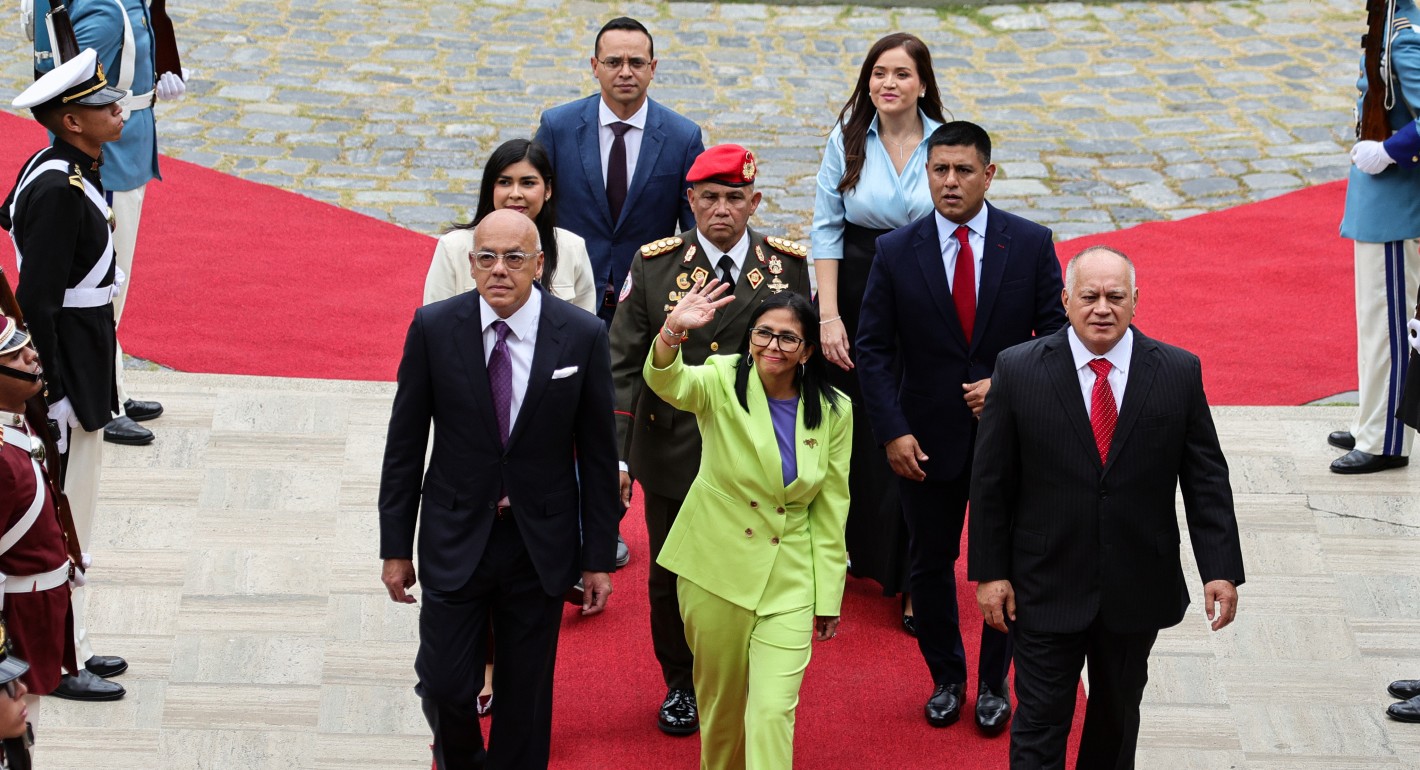
  • Group of people walking and waving
    Commentary
    Emissary
    Can Venezuela Move From Economic Stabilization to a Democratic Transition?

    Venezuelans deserve to participate in collective decisionmaking and determine their own futures.

      Jennifer McCoy
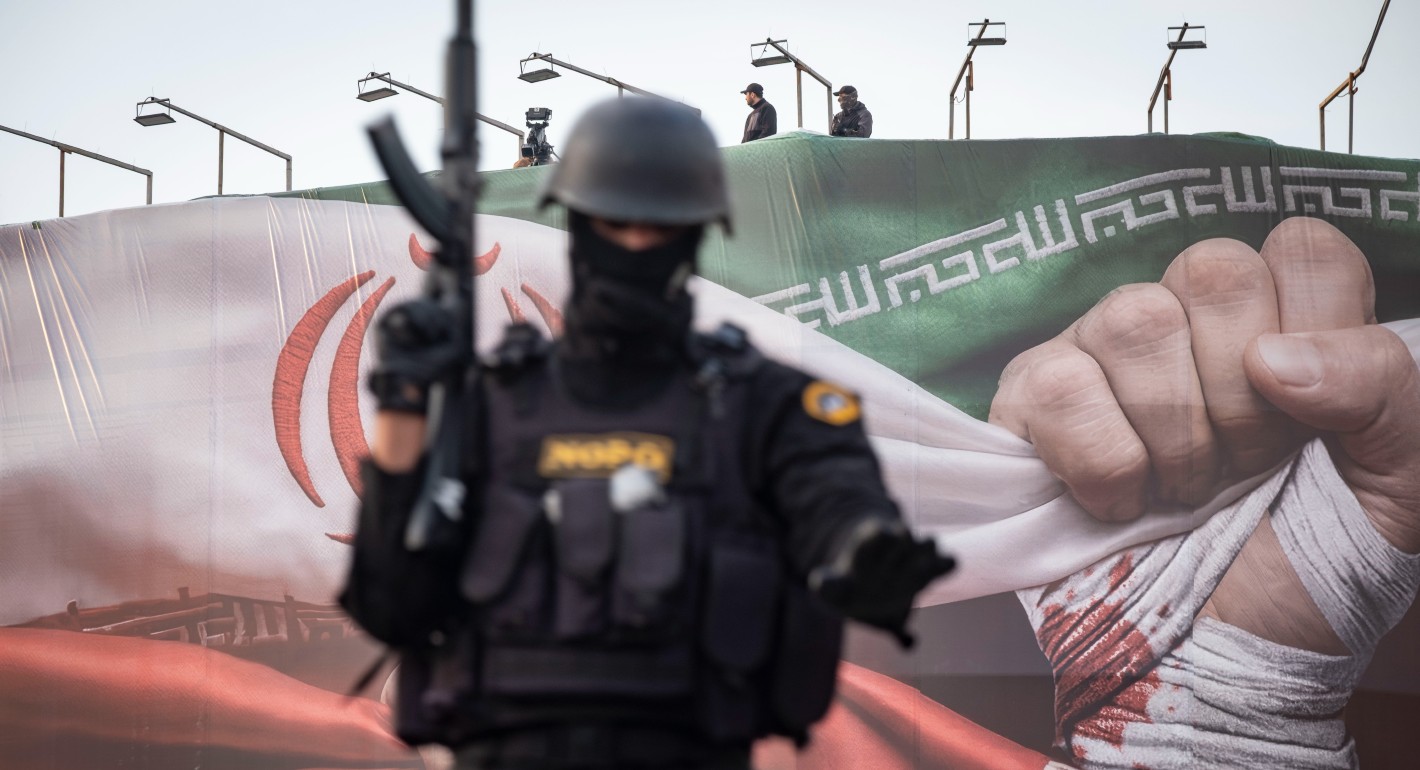
  • Police standing watch
    Commentary
    Emissary
    What’s Keeping the Iranian Regime in Power—for Now

    A conversation with Karim Sadjadpour and Robin Wright about the recent protests and where the Islamic Republic might go from here.
      Aaron David Miller, Karim Sadjadpour, Robin Wright

  • Commentary
    The Middle East’s Promising Gen Z

    Fifteen years after the Arab uprisings, a new generation is mobilizing behind an inclusive growth model, and has the technical savvy to lead an economic transformation that works for all.
      Jihad Azour
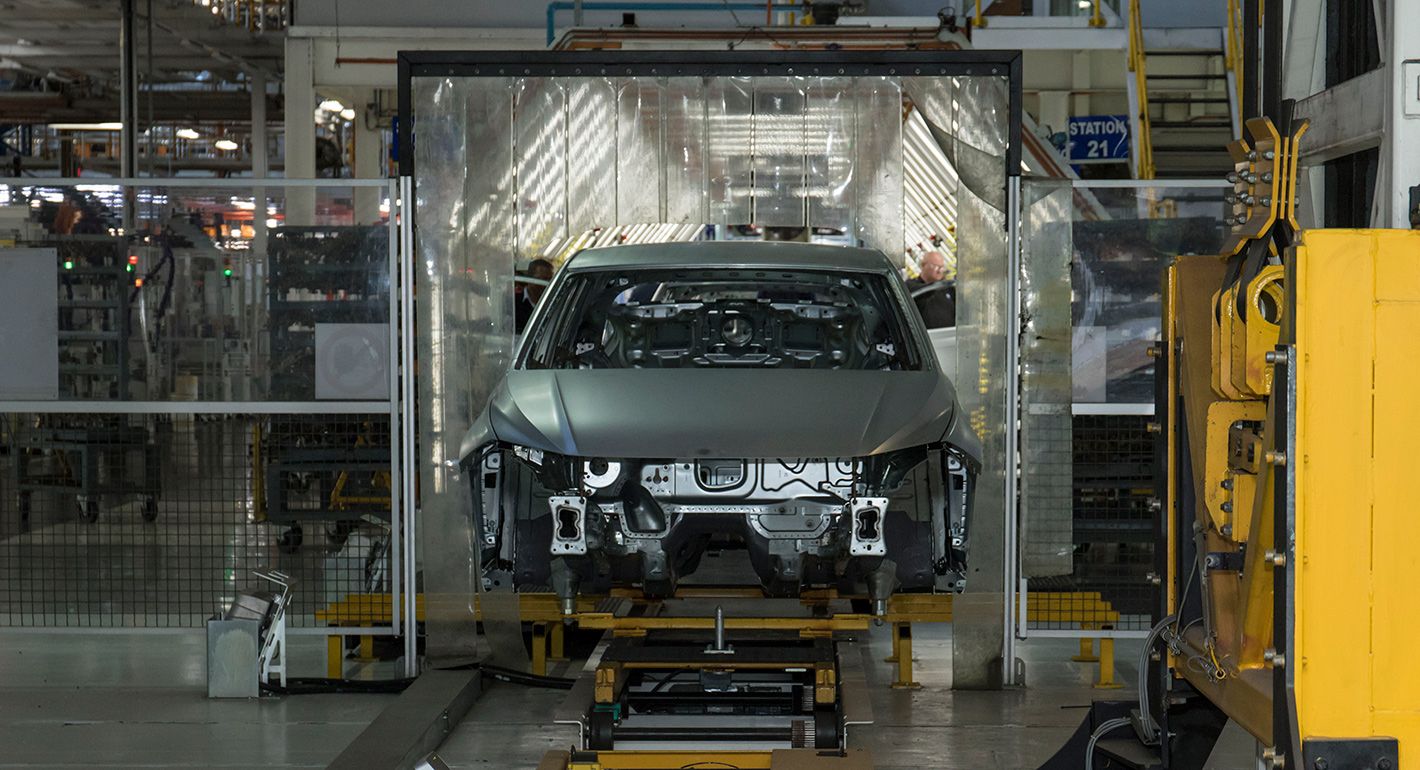
  • Workers of automotive manufacturer VW assemble pieces of a model in the Uitenhage plant.
    Paper
    Win-Win: The Potential and Prospects of German FDI in Supporting the Structural Transformation of African Economies

    German manufacturing firms in Africa add value, jobs, and skills, while benefiting from demand and a diversification of trade and investment partners. It is in the interest of both African economies and Germany to deepen economic relations. 

      Hannah Grupp, Paul M. Lubeck
  • Commentary
    Strategic Europe
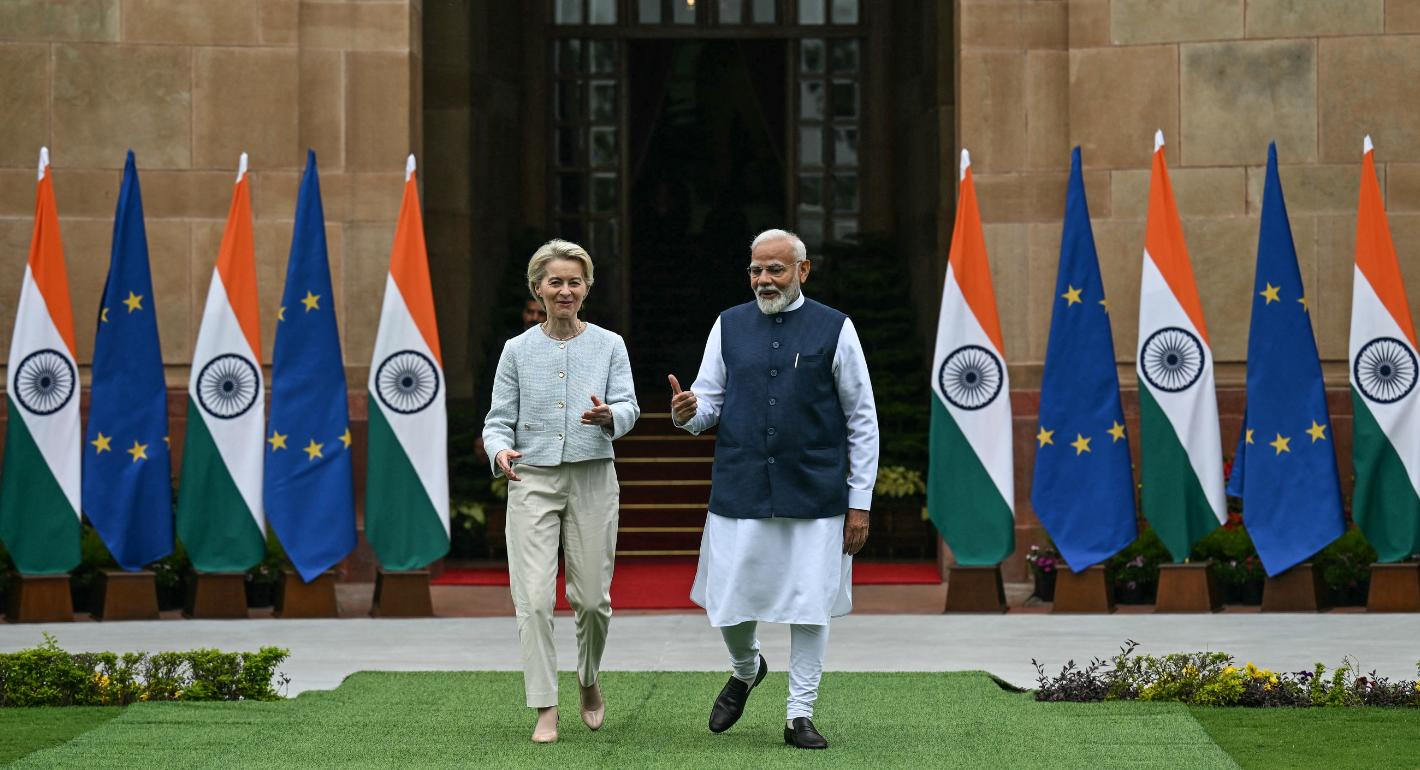
    The EU and India in Tandem

    As European leadership prepares for the sixteenth EU-India Summit, both sides must reckon with trade-offs in order to secure a mutually beneficial Free Trade Agreement.
      Dinakar Peri

Get more news and analysis from
Carnegie Endowment for International Peace
Carnegie global logo, stacked
1779 Massachusetts Avenue NWWashington, DC, 20036-2103Phone: 202 483 7600Fax: 202 483 1840
  • Research
  • Emissary
  • About
  • Experts
  • Donate
  • Programs
  • Events
  • Blogs
  • Podcasts
  • Contact
  • Annual Reports
  • Careers
  • Privacy
  • For Media
  • Government Resources
Get more news and analysis from
Carnegie Endowment for International Peace
© 2026 Carnegie Endowment for International Peace. All rights reserved.