

Commentary
From Sudan to Ukraine, UAVs have upended warfighting tactics and become one of the most destructive weapons of conflict.
Jon Bateman, Steve Feldstein
{
  "authors": [
    "C. Raja Mohan"
  ],
  "type": "legacyinthemedia",
  "centerAffiliationAll": "",
  "centers": [
    "Carnegie Endowment for International Peace",
    "Carnegie India"
  ],
  "collections": [],
  "englishNewsletterAll": "",
  "nonEnglishNewsletterAll": "",
  "primaryCenter": "Carnegie India",
  "programAffiliation": "",
  "programs": [
    "South Asia"
  ],
  "projects": [],
  "regions": [
    "South Asia",
    "India",
    "East Asia",
    "Southeast Asia"
  ],
  "topics": [
    "Security"
  ]
}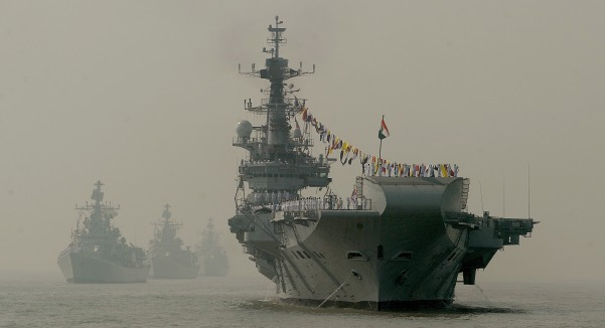
While India's naval diplomacy with Myanmar is headed in the right direction, Delhi needs to step up the pace of cooperation and take bolder steps in assisting Yangon build its naval and maritime capabilities.
Source: Indian Express
In an important advance in the bilateral security cooperation between Delhi and Yangon, two naval vessels from Myanmar have arrived over the weekend in Vishakhapatnam for joint exercises. This important step follows the visit of Defence Minister AK Antony to Myanmar earlier this year and the agreement to boost bilateral defence cooperation.
Until now the military cooperation between the two neighbors has been limited essentially to the armies. Confronting restiveness on their remote frontiers—in India's North East and Myanmar's North—the security forces of the two countries have over the last two decades deepened their counter-insurgency cooperation.
Preoccupied for decades with its vast land frontiers, India has turned to the seas in the early 1990s. As it launched naval diplomacy two decades, Delhi inevitably looked to Myanmar with which it shares a long maritime frontier.
For nearly a decade, India's naval ships frequently called at Myanmar's ports that were on the way to the east. Delhi was also pleased to see Myanmar's participation in the biennial 'Milan' exercises that its navy holds in the Bay of Bengal off the Andaman and Nicobar Islands.This is the first time though that Myanmar's ships—a frigate and a corvette-- have come to a port on India's mainland. Form there the ships of the two countries will conduct an exercise in joint patrolling in Southern Bay of Bengal.
Slowly but surely, Myanmar is becoming increasingly conscious of its strategic location at the confluence of the Indian and Pacific Oceans.
Although Myanmar does not face the Western Pacific, it sits right on top of the Malacca Straits that connects the two oceans.
Given its growing interests in the Indian Ocean, Beijing too is paying greater attention to maritime engagement with Myanmar. In the past there was much speculation about Chinese presence in Myanmar's Cocos Islands in the Andaman Sea.
That speculation turned out to be false. Yangon went out of the way to reassure Delhi that it has no intention to provide naval facilities to any foreign power. But there is no denying China's growing interest in naval cooperation with Myanmar.
Chinese naval ships traveling back and forth to the Arabian Sea, where it has been conducting anti-piracy operations since the end of 2008, have occasionally called on the Myanmar's ports.
Given its long coastline, Yangon is bound to pay greater attention to its maritime security in the coming years. While India's naval diplomacy with Myanmar is headed in the right direction, Delhi needs to step up the pace of cooperation and take bolder steps in assisting Yangon build its naval and maritime capabilities.
This article was originally published in the Indian Express.
Carnegie does not take institutional positions on public policy issues; the views represented herein are those of the author(s) and do not necessarily reflect the views of Carnegie, its staff, or its trustees.
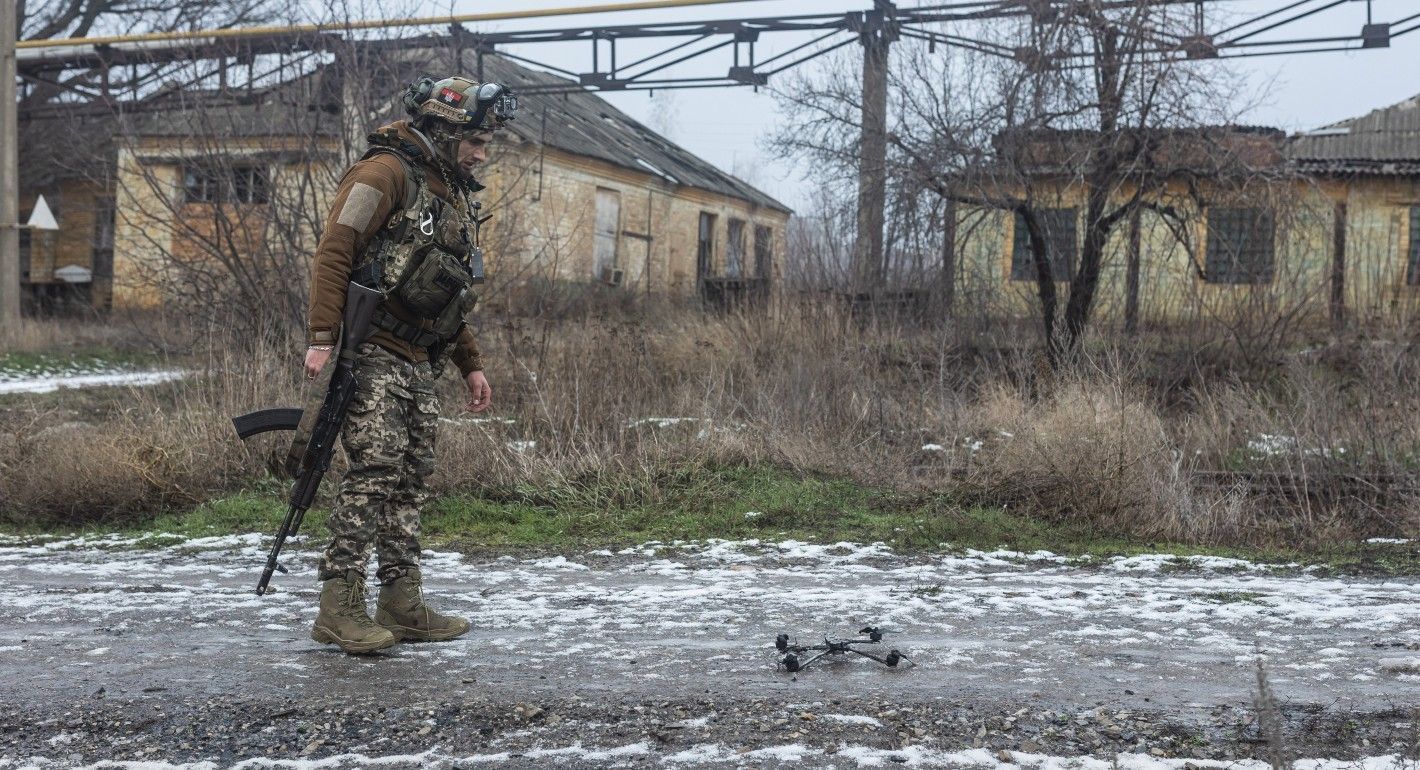
From Sudan to Ukraine, UAVs have upended warfighting tactics and become one of the most destructive weapons of conflict.


Jon Bateman, Steve Feldstein
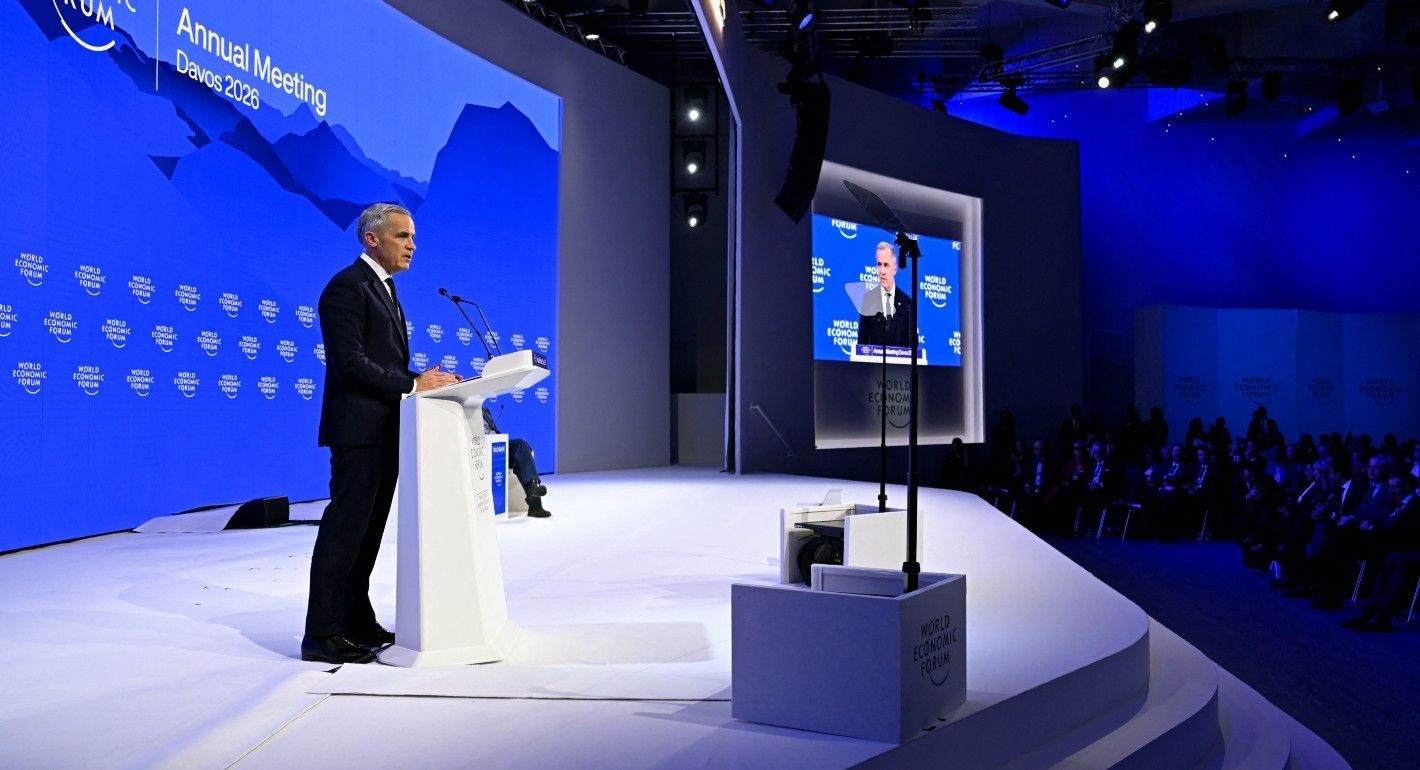
And how they can respond.

Sophia Besch, Steve Feldstein, Stewart Patrick, …
They cannot return to the comforts of asymmetric reliance, dressed up as partnership.
Sophia Besch
As European leadership prepares for the sixteenth EU-India Summit, both sides must reckon with trade-offs in order to secure a mutually beneficial Free Trade Agreement.

Dinakar Peri
Baku may allow radical nationalists to publicly discuss “reunification” with Azeri Iranians, but the president and key officials prefer not to comment publicly on the protests in Iran.

Bashir Kitachaev