

Commentary
Dmitri Trenin
{
  "authors": [
    "Dmitri Trenin"
  ],
  "type": "legacyinthemedia",
  "centerAffiliationAll": "",
  "centers": [
    "Carnegie Endowment for International Peace",
    "Carnegie Russia Eurasia Center"
  ],
  "collections": [],
  "englishNewsletterAll": "",
  "nonEnglishNewsletterAll": "",
  "primaryCenter": "Carnegie Russia Eurasia Center",
  "programAffiliation": "",
  "programs": [],
  "projects": [],
  "regions": [
    "North America",
    "United States"
  ],
  "topics": [
    "Foreign Policy"
  ]
}
Source: Getty
Hillary Rodham Clinton was seen as unwelcome in Russia for her criticism and her attitude, but her work with her Russian counterpart, Russian Foreign Minister Sergei Lavrov, was productive on a range of issues.
Source: New York Times
Hillary Rodham Clinton started at a disadvantage with Russian officials because she reminded them of the time Russia was weak and, some would claim, subservient to the United States, when her husband was president. But their attitude toward her never grew much warmer.
During the 2008 campaign, the Russians were surprised to see the Clinton political machine defeated by a freshman senator from Illinois. After Barack Obama offered his far more experienced rival the job of America's top diplomat, they were impressed that he kept foreign policy firmly under White House control.Clinton marched faithfully along, but when she did have an active role in policy, Moscow saw it as destructive.
By pushing for military force in Libya, Clinton cast herself as a liberal interventionist and thus a destabilizing influence, in the eyes of Vladimir Putin and his colleagues.
Clinton's occasionally criticized the Kremlin on human rights, which did not endear her to Russia's rulers. In 2011-12, as the Russian protest movement made its presence felt in Moscow, Putin accused the State Department of engineering the protests by supporting Russian civil society organizations.
Hillary Clinton's relations with her Russian counterpart, Foreign Minister Sergei Lavrov, while jovial on the surface, were never easy. The two met countless times and worked productively on a range of issues, from New Start nuclear arms treaty to Afghanistan to non-proliferation.
But Clinton also made it clear that she felt she was heads above the world's other foreign ministers, and that her political ambitions reached even higher.
When Hillary Rodham Clinton announced her resignation last year, there was a sigh of relief in Moscow, followed by a sobering thought: they may not have seen the last of her.
Former Director, Carnegie Moscow Center
Trenin was director of the Carnegie Moscow Center from 2008 to early 2022.
Recent Work
Dmitri Trenin
Dmitri Trenin
Carnegie does not take institutional positions on public policy issues; the views represented herein are those of the author(s) and do not necessarily reflect the views of Carnegie, its staff, or its trustees.
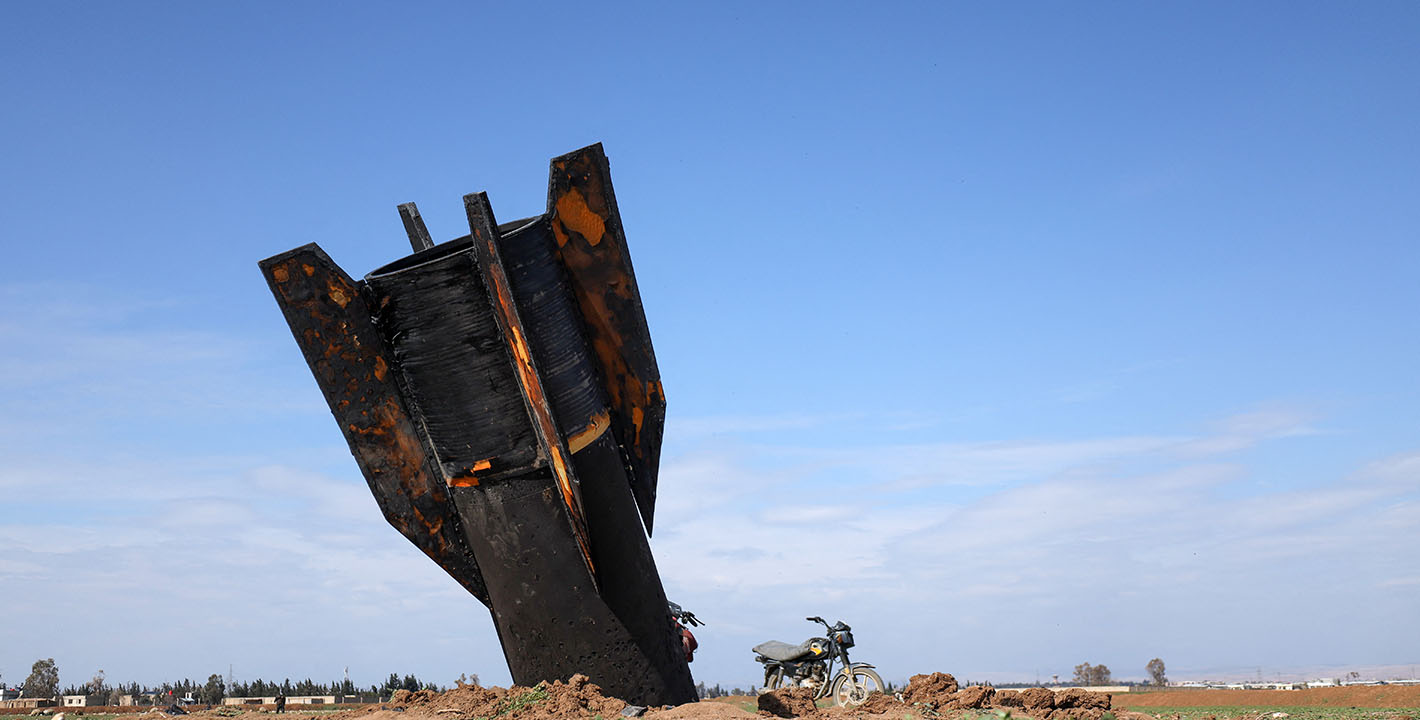
In an interview, Nicole Grajewski discusses the military dimension of the U.S. and Israeli attacks on Iran.

Michael Young
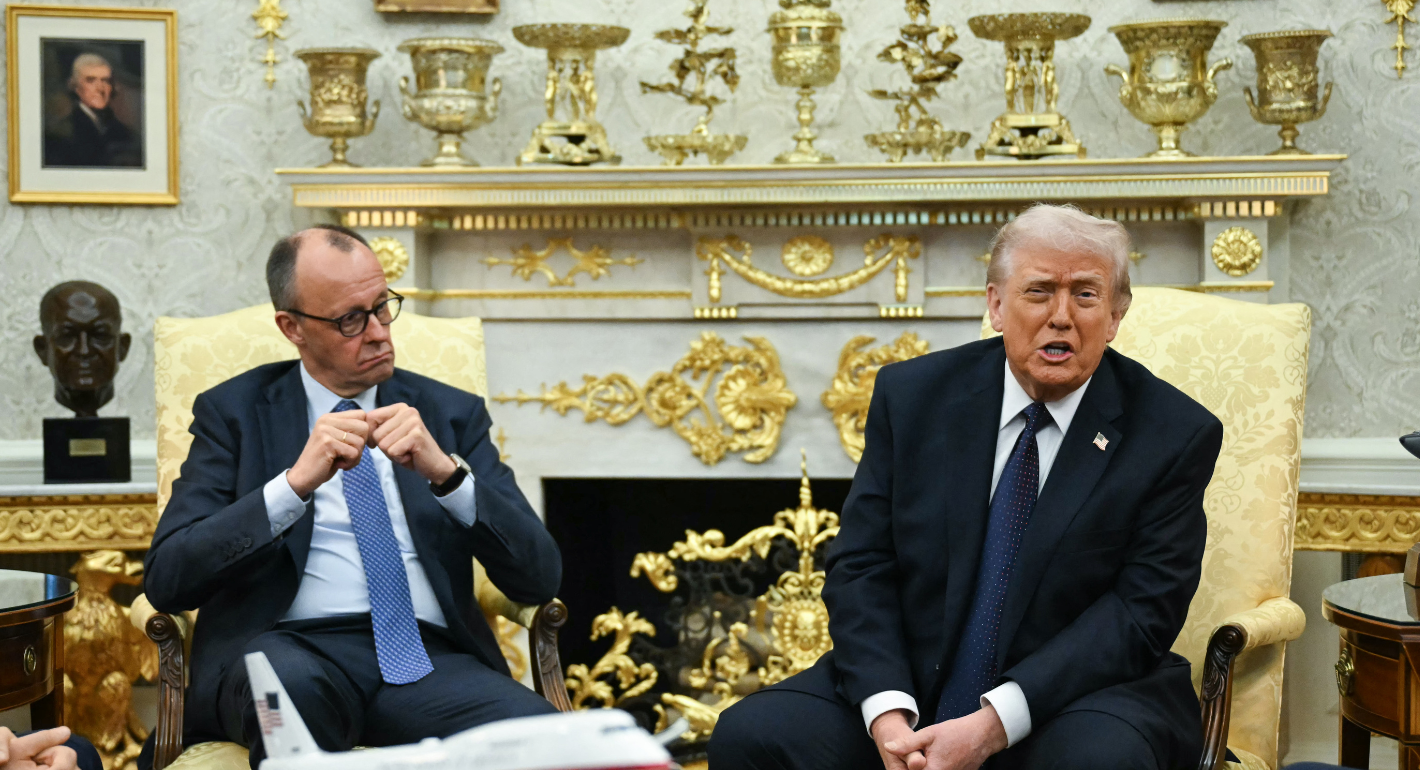
European reactions to the war in Iran have lost sight of wider political dynamics. The EU must position itself for the next phase of the crisis without giving up on its principles.

Richard Youngs
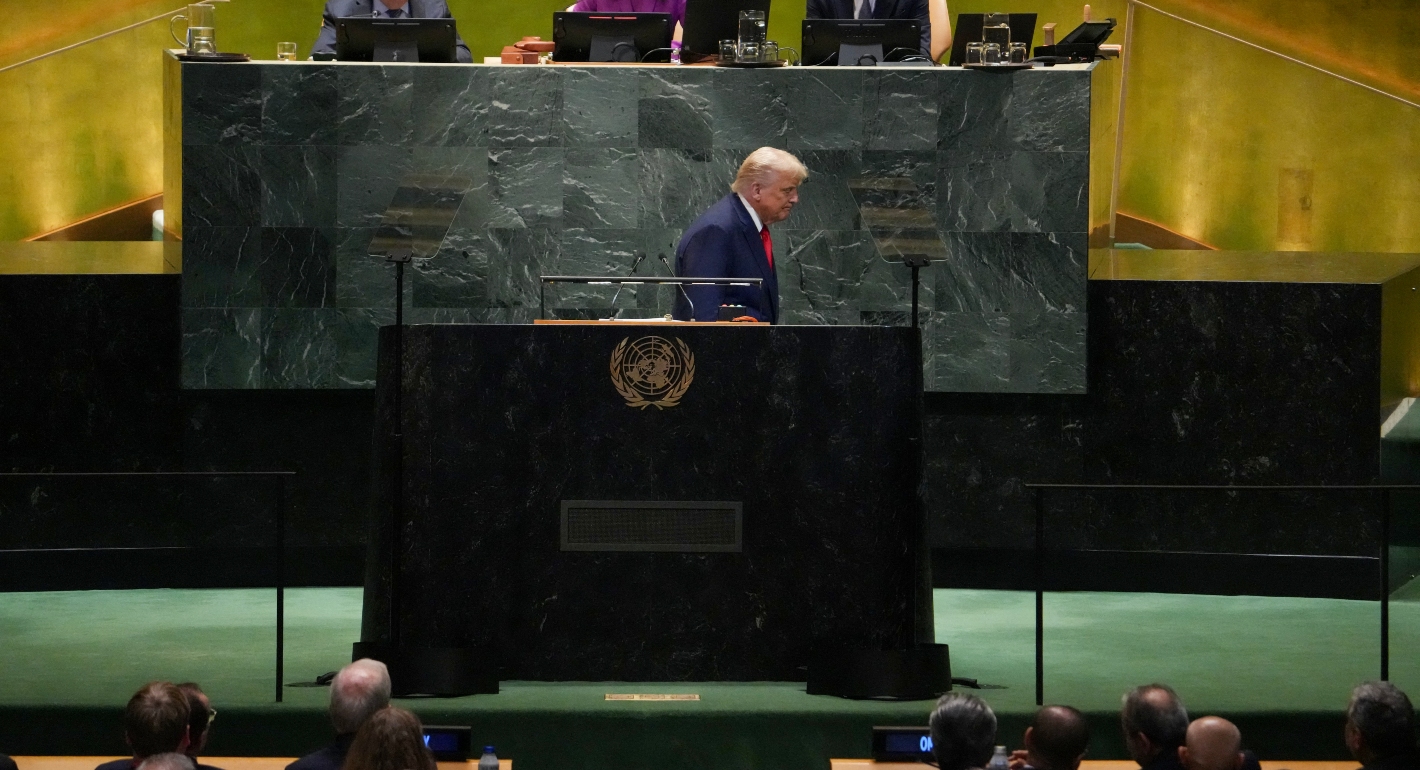
For years, the United States anchored global cyber diplomacy. As Washington rethinks its leadership role, the launch of the UN’s Cyber Global Mechanism may test how allies adjust their engagement.

Patryk Pawlak, Chris Painter
Most of Moscow’s military resources are tied up in Ukraine, while Beijing’s foreign policy prioritizes economic ties and avoids direct conflict.


Alexander Gabuev, Temur Umarov

In an interview, Naysan Rafati assesses the first week that followed the U.S. and Israeli attack on Iran.
Michael Young