

Commentary
The supposed threats from China and Russia pose far less of a danger to both Greenland and the Arctic than the prospect of an unscrupulous takeover of the island.
Andrei Dagaev
{
  "authors": [
    "Uri Dadush"
  ],
  "type": "other",
  "centerAffiliationAll": "",
  "centers": [
    "Carnegie Endowment for International Peace"
  ],
  "collections": [],
  "englishNewsletterAll": "",
  "nonEnglishNewsletterAll": "",
  "primaryCenter": "Carnegie Endowment for International Peace",
  "programAffiliation": "",
  "programs": [],
  "projects": [],
  "regions": [
    "North America",
    "United States",
    "Middle East",
    "North Africa",
    "Western Europe"
  ],
  "topics": [
    "Economy"
  ]
}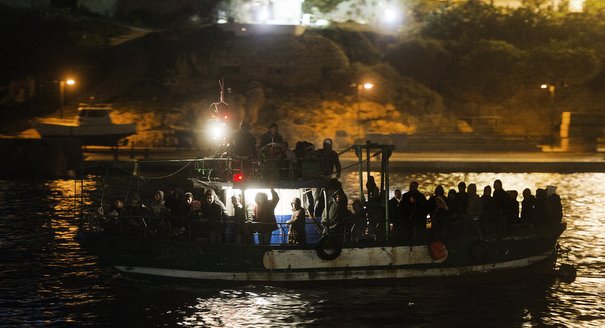
Migration of low-skilled workers into advanced countries remains a highly contentious issue, despite high demand for such workers to carry out a range of essential tasks, especially services.
Source: Knomad Working Paper
Migration of low-skilled workers into advanced countries remains a highly contentious issue, despite high demand for such workers to carry out a range of essential tasks, especially services. This systematic survey of the empirical literature on the effect of low-skilled migration on host countries suggests that fears of an adverse impact on the wages, unemployment and living standards of native low-skilled workers are largely misplaced, while the positive effects on the broad economy are significant and typically underestimated. The empirical literature is underpinned by a robust theoretical framework which suggests that migration will spur investment, induce task specialization of natives and, under certain plausible conditions, ultimately raise the demand for all workers. Host countries should recognize that they need low-skilled migrants and adjust their policies accordingly. Because migrants respond to demand, opening up new avenues for legal migration of low-skilled workers need not necessarily result in increased total immigration provided they are combined with enforcement of labor regulations among employers.This paper was originally published by the World Bank-led Knomad partnership on migration.
Carnegie does not take institutional positions on public policy issues; the views represented herein are those of the author(s) and do not necessarily reflect the views of Carnegie, its staff, or its trustees.
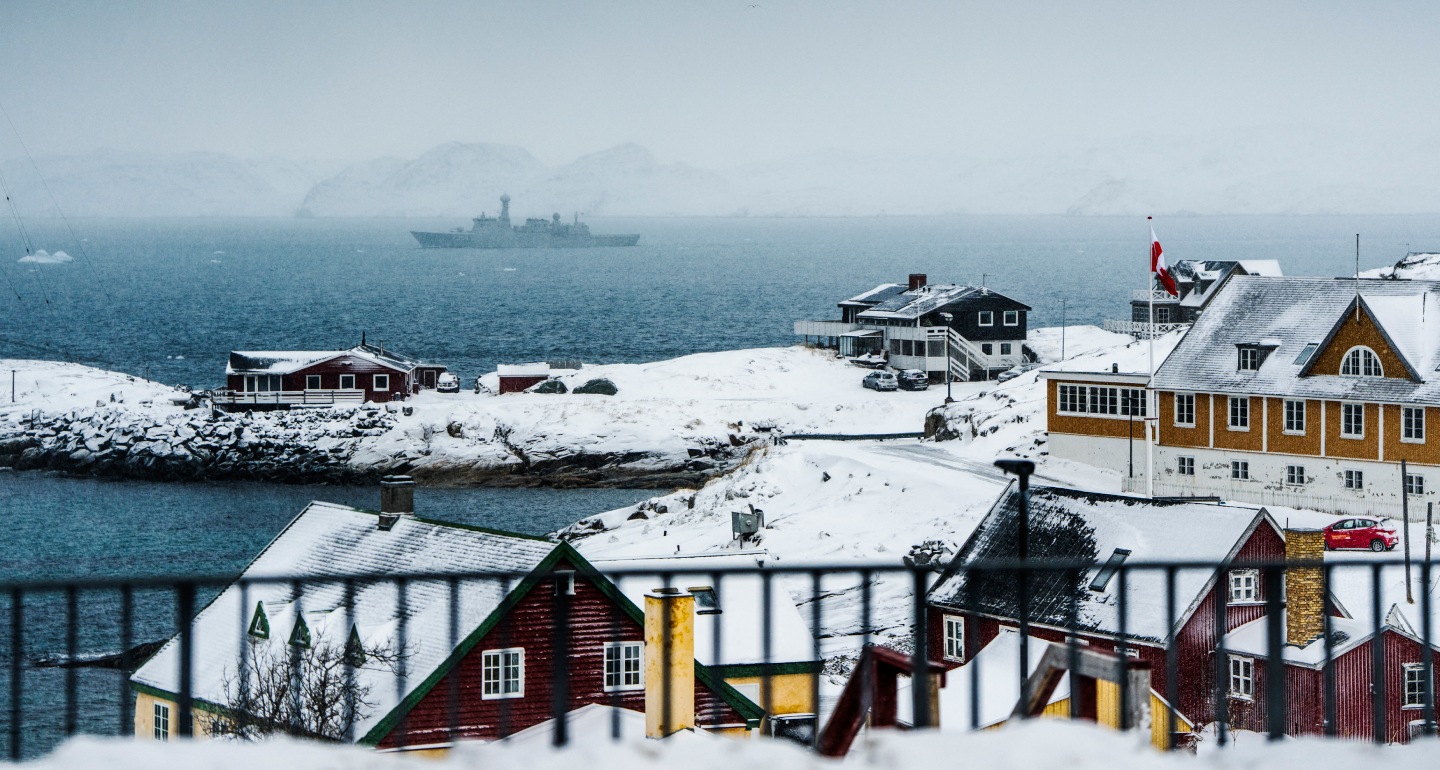
The supposed threats from China and Russia pose far less of a danger to both Greenland and the Arctic than the prospect of an unscrupulous takeover of the island.

Andrei Dagaev
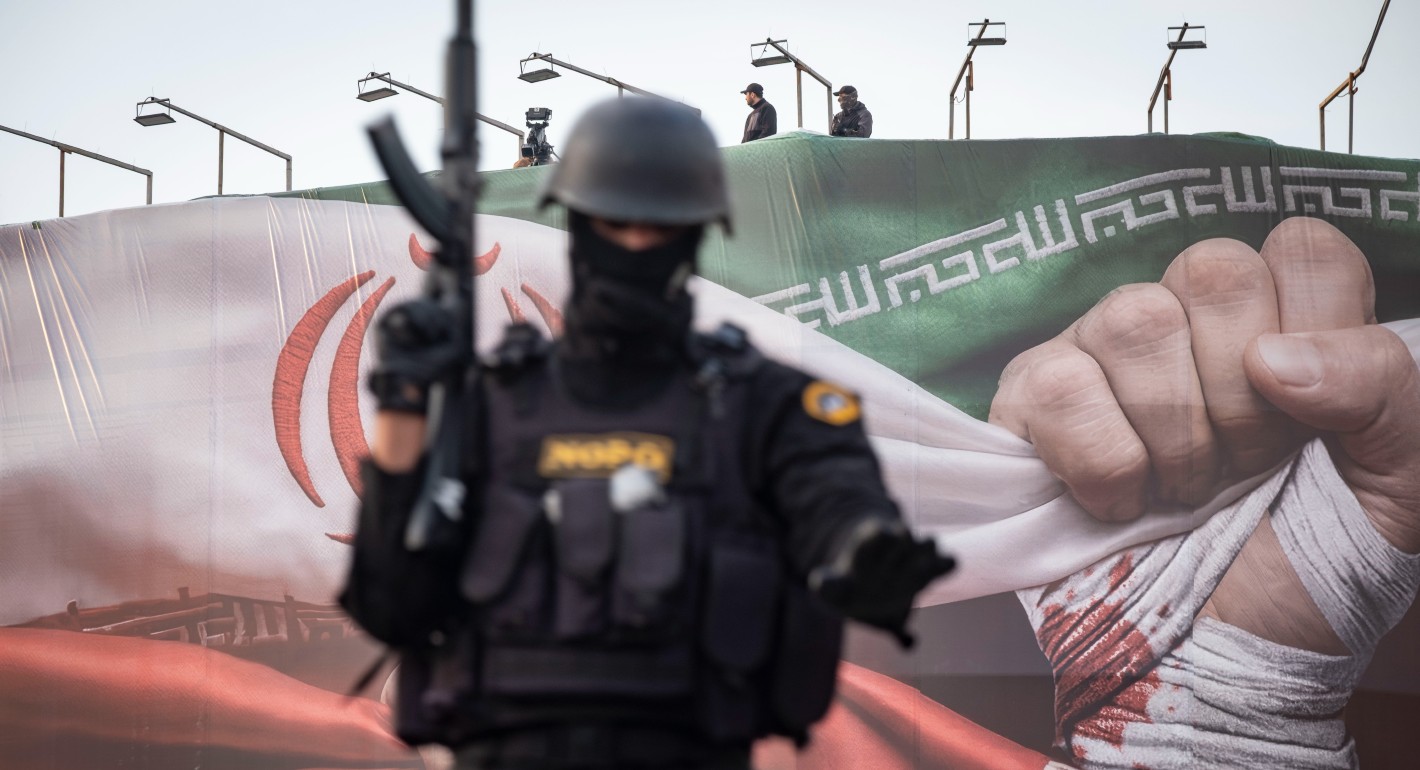
A conversation with Karim Sadjadpour and Robin Wright about the recent protests and where the Islamic Republic might go from here.


Aaron David Miller, Karim Sadjadpour, Robin Wright

Implementing Phase 2 of Trump’s plan for the territory only makes sense if all in Phase 1 is implemented.

Yezid Sayigh

Fifteen years after the Arab uprisings, a new generation is mobilizing behind an inclusive growth model, and has the technical savvy to lead an economic transformation that works for all.

Jihad Azour
Western negotiators often believe territory is just a bargaining chip when it comes to peace in Ukraine, but Putin is obsessed with empire-building.

Andrey Pertsev