

Commentary
When democracies and autocracies are seen as interchangeable targets, the language of democracy becomes hollow, and the incentives for democratic governance erode.
Sarah Yerkes, Amr Hamzawy
{
  "authors": [
    "Rudra Chaudhuri"
  ],
  "type": "other",
  "centerAffiliationAll": "",
  "centers": [
    "Carnegie Endowment for International Peace",
    "Carnegie India"
  ],
  "collections": [],
  "englishNewsletterAll": "",
  "nonEnglishNewsletterAll": "",
  "primaryCenter": "Carnegie India",
  "programAffiliation": "",
  "programs": [],
  "projects": [
    "Security Studies"
  ],
  "regions": [
    "United States",
    "India",
    "North America",
    "South Asia",
    "Western Europe",
    "United Kingdom"
  ],
  "topics": [
    "Domestic Politics",
    "Foreign Policy"
  ]
}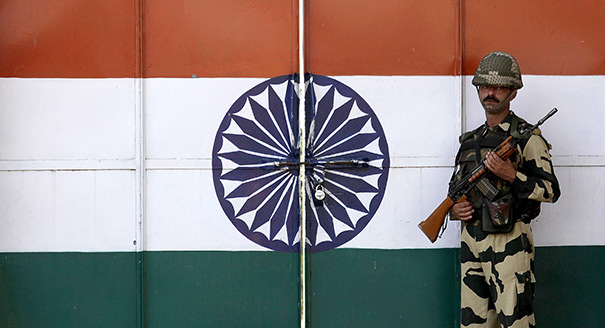
The period known as the “Emergency” in India—June 1975 to March 1977—is widely recognized as one of the darkest episodes in the nation’s 70-year history.
Source: Diplomacy & Statecraft
The period known as the “Emergency” in India—June 1975 to March 1977—is widely recognised as one of the darkest episodes in the nation’s 70-year history. Fundamental rights were suspended, whilst the courts had little or no authority. The security services received emergency powers to make arrests without explanation. Although the political, social, and economic history of the Emergency remains well known, there is nothing on the international history of this period. This analysis provides the first contribution to its diplomatic history. Examining the role played by the United States and Britain, in particular, finds basis largely on declassified papers available in the Indian, American, and British national archives as well as a survey of over 300 newspaper articles on and around the Indian Emergency.
This article was originally published in Diplomacy & Statecraft.
Carnegie does not take institutional positions on public policy issues; the views represented herein are those of the author(s) and do not necessarily reflect the views of Carnegie, its staff, or its trustees.

When democracies and autocracies are seen as interchangeable targets, the language of democracy becomes hollow, and the incentives for democratic governance erode.


Sarah Yerkes, Amr Hamzawy

German manufacturing firms in Africa add value, jobs, and skills, while benefiting from demand and a diversification of trade and investment partners. It is in the interest of both African economies and Germany to deepen economic relations.
Hannah Grupp, Paul M. Lubeck
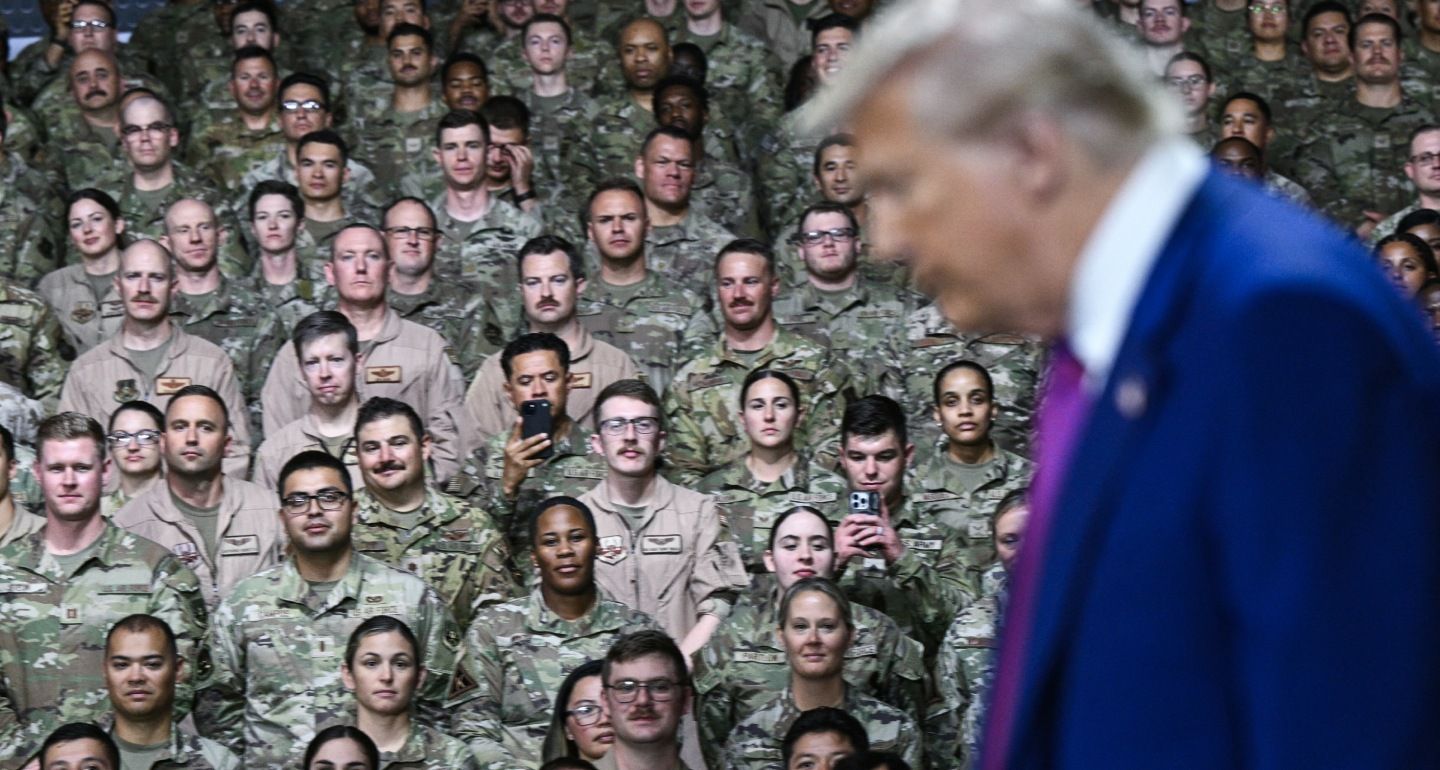
Unexpectedly, Trump’s America appears to have replaced Putin’s Russia’s as the world’s biggest disruptor.

Alexander Baunov
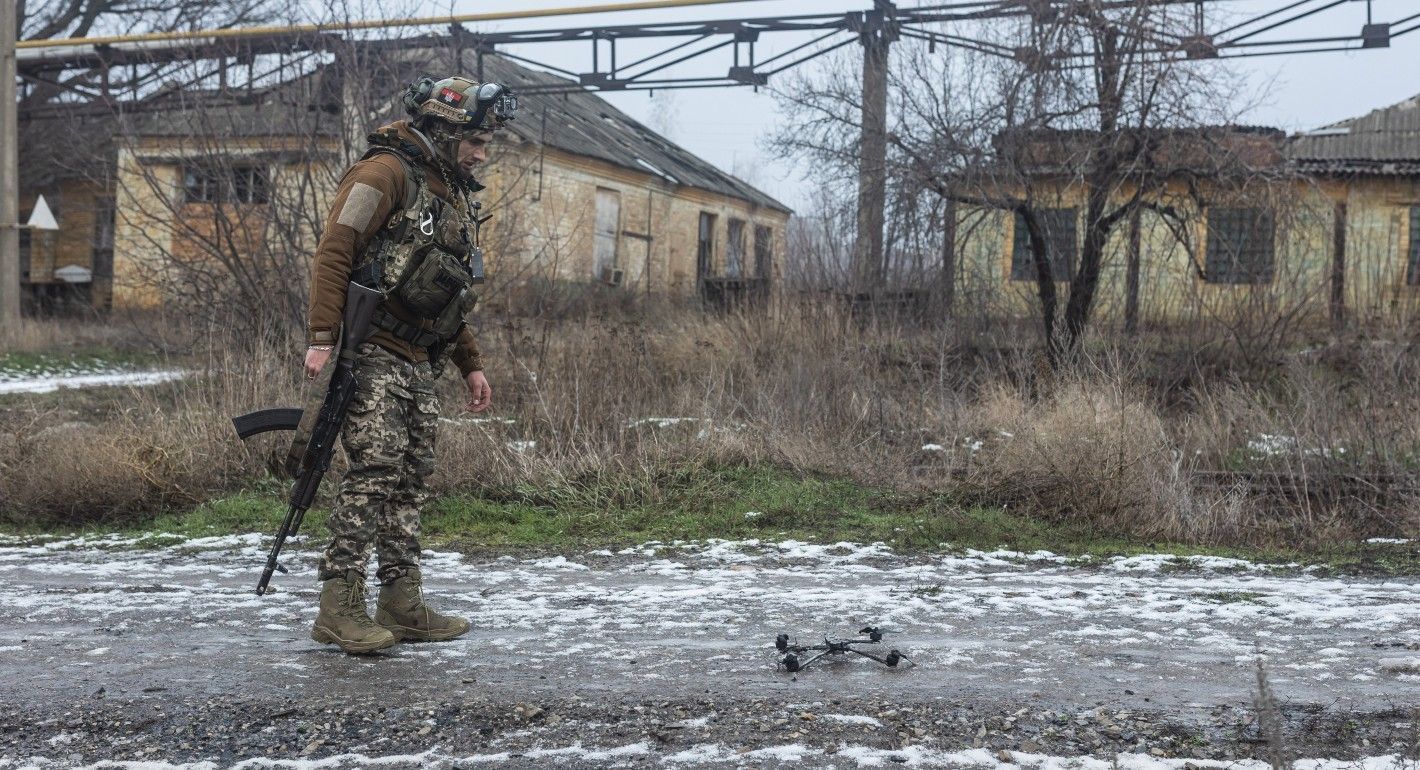
From Sudan to Ukraine, UAVs have upended warfighting tactics and become one of the most destructive weapons of conflict.


Jon Bateman, Steve Feldstein
And how they can respond.


Sophia Besch, Steve Feldstein, Stewart Patrick, …