

Commentary
Is Morocco’s migration policy protecting Sub-Saharan African migrants or managing them for political and security ends? This article unpacks the gaps, the risks, and the paths toward real rights-based integration.
Soufiane Elgoumri
{
  "authors": [
    "Abdeslam Maghraoui"
  ],
  "type": "commentary",
  "blog": "Sada",
  "centerAffiliationAll": "",
  "centers": [
    "Carnegie Endowment for International Peace"
  ],
  "collections": [],
  "englishNewsletterAll": "",
  "nonEnglishNewsletterAll": "",
  "primaryCenter": "Carnegie Endowment for International Peace",
  "programAffiliation": "",
  "programs": [],
  "projects": [],
  "regions": [
    "North Africa",
    "Morocco"
  ],
  "topics": [
    "Political Reform"
  ]
}

REQUIRED IMAGE
The May 16, 2003 Casablanca terrorist attacks that killed 43 people in five synchronized suicide bombings shattered two myths about Moroccan politics.
The May 16, 2003 Casablanca terrorist attacks that killed 43 people in five synchronized suicide bombings shattered two myths about Moroccan politics. First, the attacks and the government's immediate response to them undermined Morocco's image as a democratizing monarchy. Second, they destroyed the illusion that the Moroccan monarchy's grounding in Islam protects it from Islamic extremism and terrorism.
Ten days after the attacks, the Moroccan parliament hastily passed anti-terrorist legislation introduced in 2002 following the discovery of Al Qaeda cells. The proposed law had been criticized by human rights groups for the harsh measures it allows and its ambiguous definition of "support" of terrorist activities. Together with existing restrictive criminal and press codes, the new law gives the government the power to curb peaceful political activity. For example, it allows reporters and editors to be held criminally liable for publishing material the government defines as providing moral justification for terrorism. Among several recent cases, Moustapha Alaoui, editor of the weekly Al-Ousbou, has been detained since June 5 for publishing a communiqué from a group claiming responsibility for the Casablanca bombings. The legislation extends incommunicado detention to 12 days renewable, creating conditions under which mistreatment and torture of detainees can more easily occur. The bill also reduces the requirements for applying the death penalty.
Following the Casablanca attacks, the government arrested and indicted 100 individuals in relation to the bombings, but only 31 have been directly linked to the attacks so far. It is open to question whether, in the present environment, they can receive a fair trial. For example, lawyers fear they will suffer police reprisals and judicial hassles if they defend individuals indicted in the terrorist bombings.
The bombings may also have other political repercussions damaging to democracy and pluralism. The Justice and Development Party (PJD), a legal Islamist party, is now at the center of a national controversy about the participation of openly religious parties in the political process. Last October, the newly formed PJD won 43 seats in parliament, becoming the third largest party in the parliament, although it had decided to present candidates in only half of the electoral districts. A ban on the PJD would thus have far reaching implications. A portion of the hostility to the PJD is based on principle, as some civil society groups argue that separation of church and state requires the exclusion of religious parties. Much of the opposition, however, seems motivated primarily by immediate electoral calculations: the current government coalition may use the Casablanca attacks to prevent a PJD victory in crucial municipal elections expected in September 2003. Yet, while political leaders have condemned the manipulation of religion by extremist groups, the bombings have not prompted a debate about the monarchy's use of religion to grant the king a sacred status and enhance his legitimacy.
Stagnation in Morocco's political liberalization was evident even before the May 16 bombings. King Muhammad VI, who ascended the throne four years ago, pledged to rule the country in a different manner than his authoritarian father, Hassan II. In particular, he promised a new concept of royal authority and an expansion of civil liberties. Yet the king still both rules and governs and is accountable to no one. His representatives in the state's central administration, government ministries, justice system, and security apparatus maintain tremendous powers and are accountable only to him. Freedom of expression remains a particularly sensitive area, notwithstanding significant gains in press freedom in the past decade. Moroccans continue to receive stiff sentences for defaming the king, whose sacred status is codified in the country's constitution.
The penalties for crossing the "red line" that protects the king from criticism are illustrated by two recent cases involving, respectively, an ordinary citizen and a prominent journalist. In May, Boujemaa Ouardi, a pushcart seller in a remote southern village, was sentenced to one year in prison for tearing up a calendar that featured photographs of King Muhammad. Mr. Ouardi tore the king's picture in anger after local authorities forced him to buy the calendar—priced at $2, a large sum in rural Morocco—for the benefit of a charity sponsored by a Moroccan princess. In June, Ali Lmrabet, a prominent editor and democracy advocate, was sentenced to three years in prison for defaming the king and undermining the country's sacred institutions. Lmrabet was jailed and his publications closed because he published an interview with a vocal opponent of the monarchy, a satirical photomontage, and a cartoon depicting bags of cash being moved from the state coffers to the royal palace, a reference to the Parliament's lack of control over the budget.
While the need to fight terrorism is real, sacrificing civil liberties and democratic principles in the name of security may not protect Morocco against terrorists, but will penalize peaceful citizens and secular democrats. The use of the terrorist threat as an excuse to silence peaceful dissent in Morocco raises the thorny issue of whether repressive Arab regimes can fight terror while their policies breed religious extremism.
Abdeslam Maghraoui teaches politics at Princeton University.
Carnegie does not take institutional positions on public policy issues; the views represented herein are those of the author(s) and do not necessarily reflect the views of Carnegie, its staff, or its trustees.
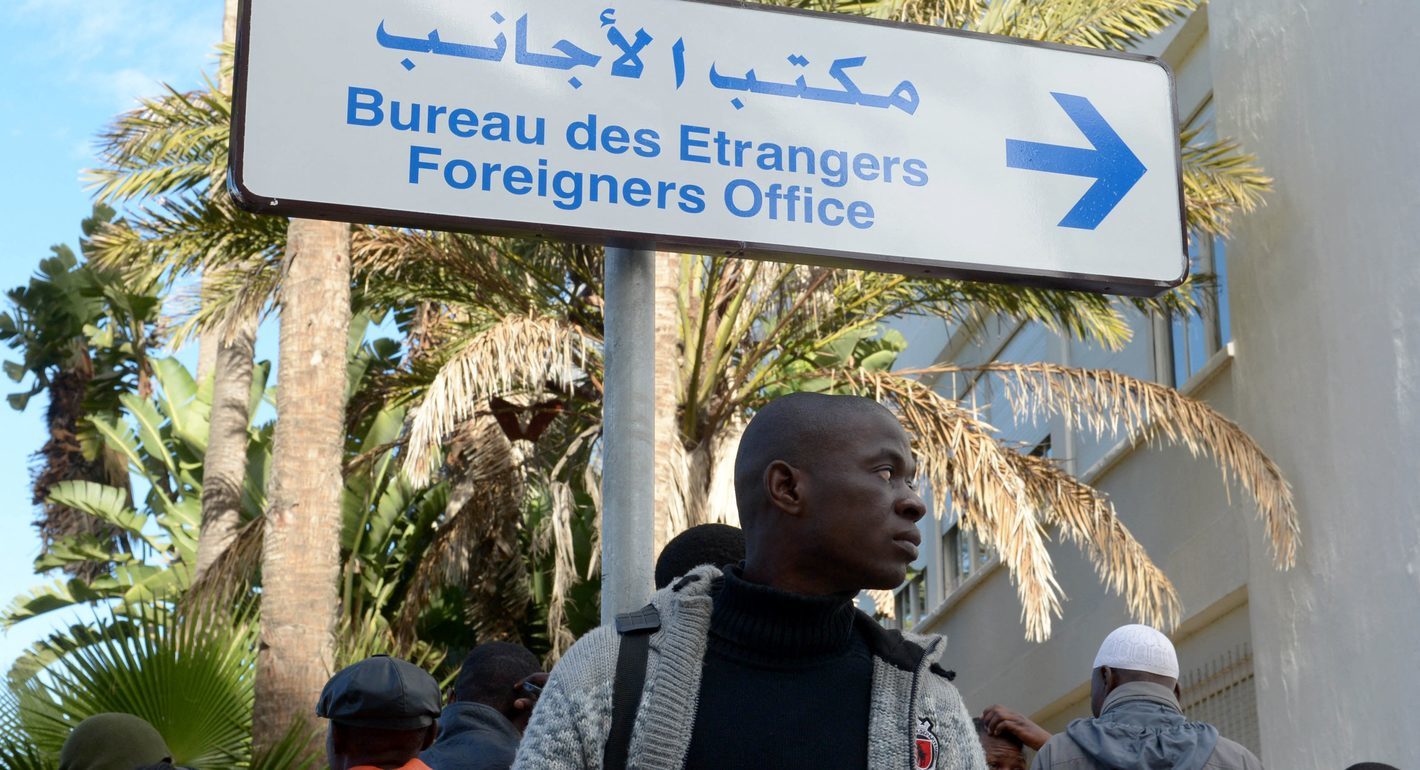
Is Morocco’s migration policy protecting Sub-Saharan African migrants or managing them for political and security ends? This article unpacks the gaps, the risks, and the paths toward real rights-based integration.
Soufiane Elgoumri
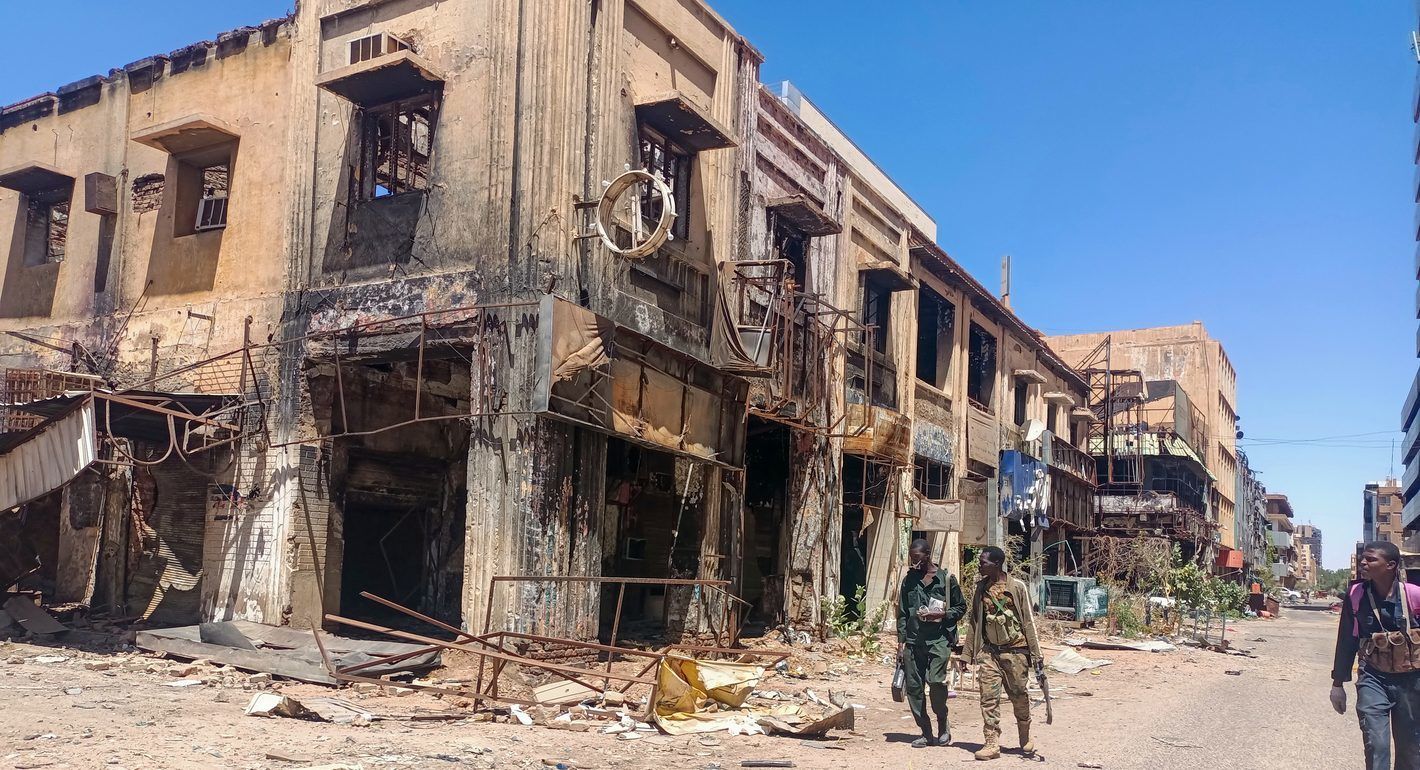
Hate speech has spread across Sudan and become a key factor in worsening the war between the army and the Rapid Support Forces. The article provides expert analysis and historical background to show how hateful rhetoric has fueled violence, justified atrocities, and weakened national unity, while also suggesting ways to counter it through justice, education, and promoting a culture of peace.
Samar Sulaiman
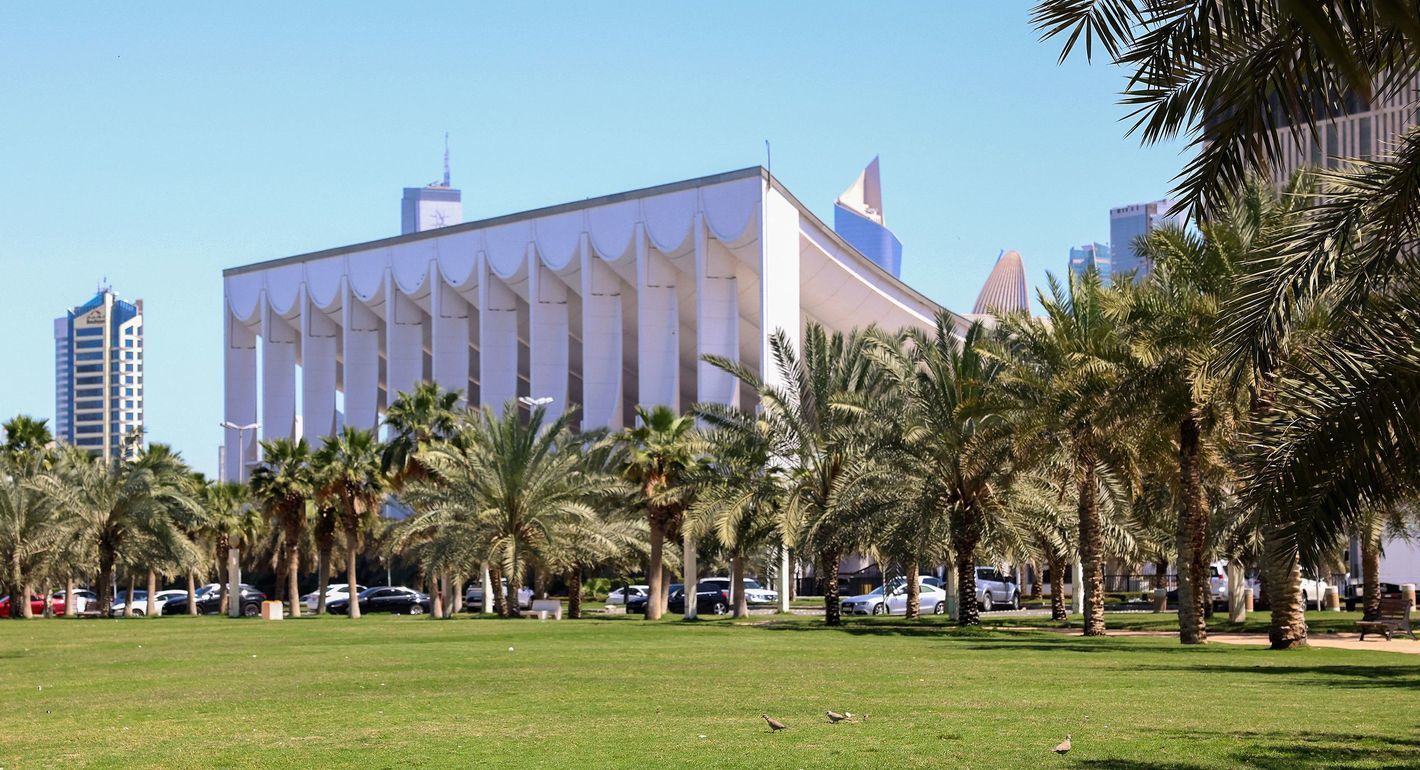
Kuwait’s government has repeatedly launched ambitious reforms under Kuwait Vision 2035, yet bureaucratic inefficiency, siloed institutions, and weak feedback mechanisms continue to stall progress. Adopting government analytics—real-time monitoring and evidence-based decision-making—can transform reform from repetitive announcements into measurable outcomes.
Dalal A. Marafie
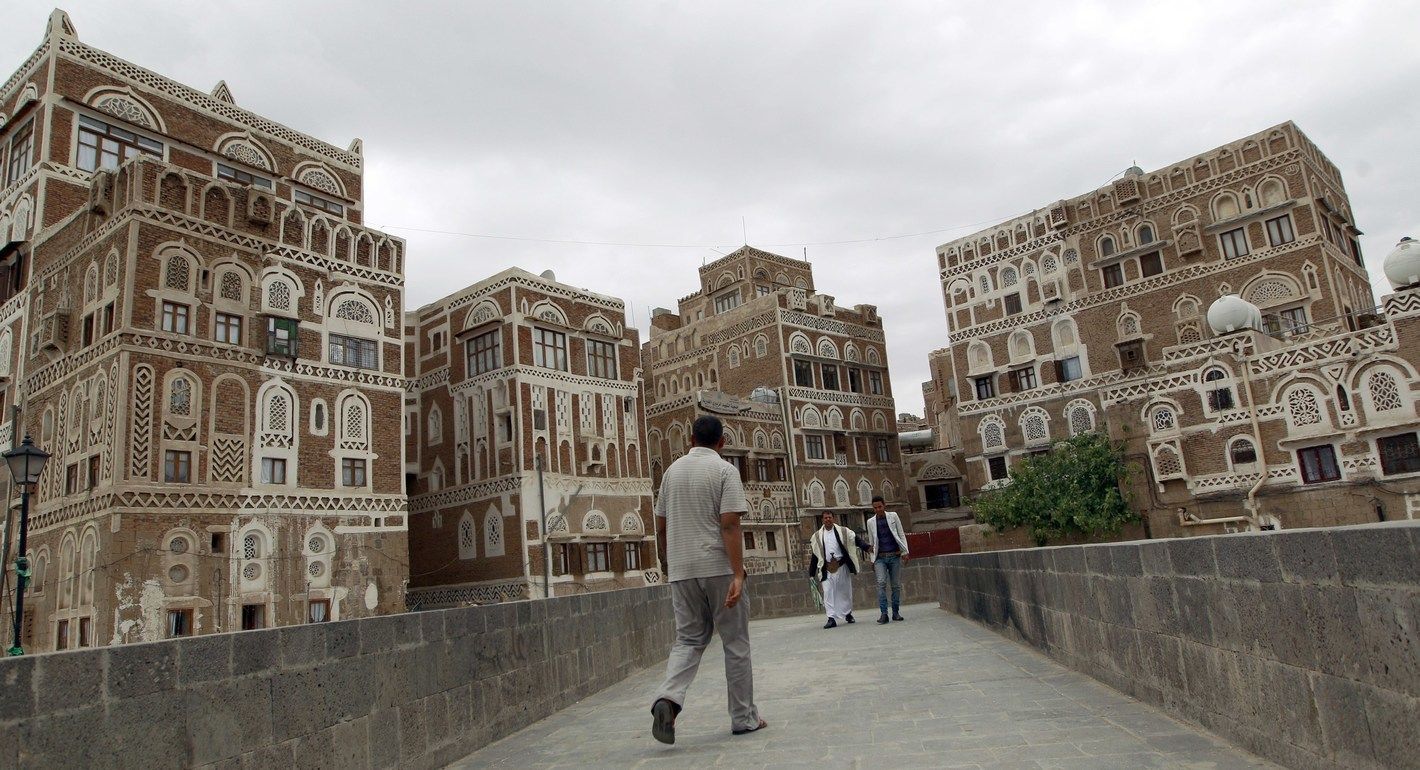
The chaos of street naming in Sana’a reflects the deep weakness of the Yemeni state and its failure to establish a unified urban identity, leaving residents to rely on informal, oral naming systems rooted in collective memory. This urban disorder is not merely a logistical problem but a symbolic struggle between state authority and local community identity.
Sarah Al-Kbat
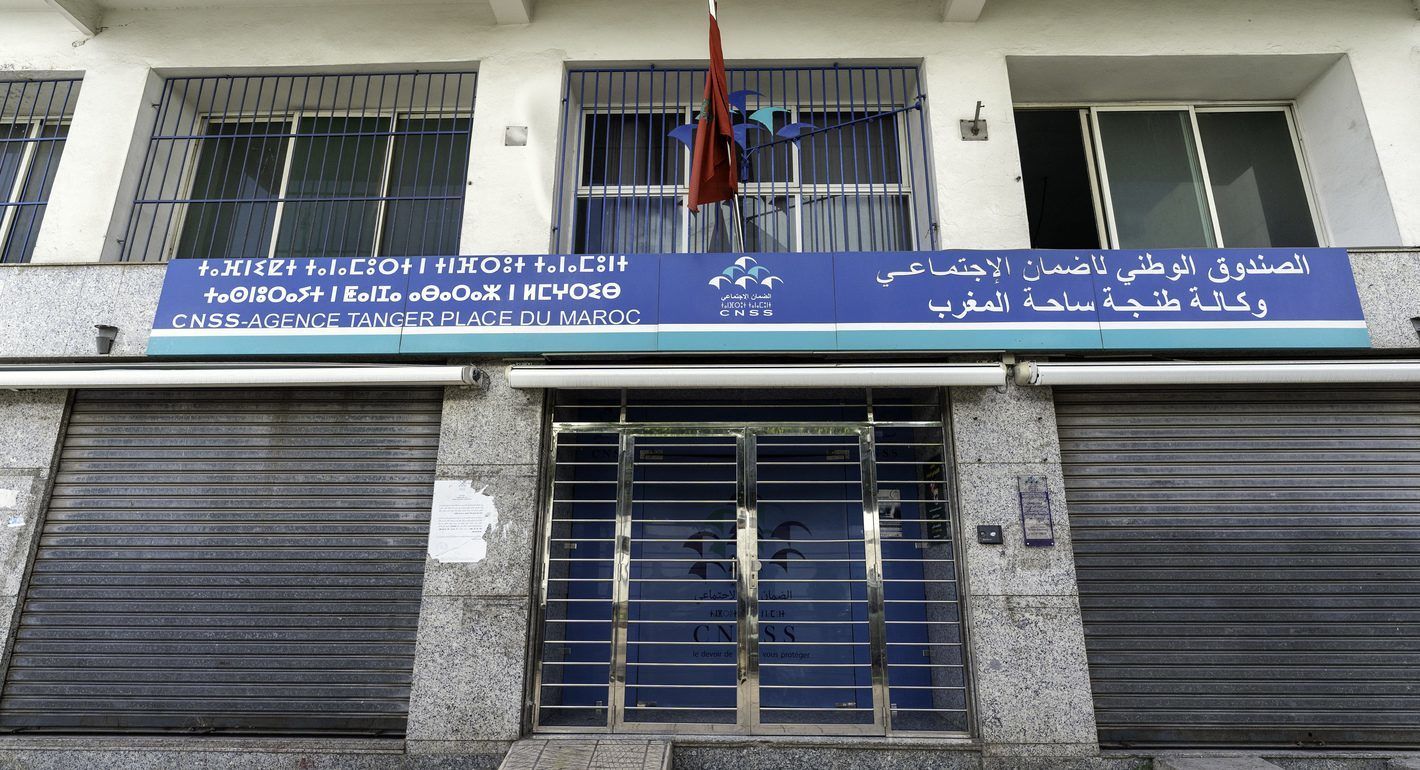
While Morocco’s shift to a digitized social targeting system improves efficiency and coordination in social programs, it also poses risks of exclusion and reinforces austerity policies. The new system uses algorithms based on socioeconomic data to determine eligibility for benefits like cash transfers and health insurance. However, due to technical flaws, digital inequality, and rigid criteria, many vulnerable families are unfairly excluded.
Abderrafie Zaanoun