

Commentary
Dmitri Trenin
{
  "authors": [
    "Dmitri Trenin"
  ],
  "type": "legacyinthemedia",
  "centerAffiliationAll": "",
  "centers": [
    "Carnegie Endowment for International Peace",
    "Carnegie China",
    "Carnegie Russia Eurasia Center"
  ],
  "collections": [
    "China’s Foreign Relations",
    "U.S.-China Relations"
  ],
  "englishNewsletterAll": "",
  "nonEnglishNewsletterAll": "",
  "primaryCenter": "Carnegie Russia Eurasia Center",
  "programAffiliation": "",
  "programs": [],
  "projects": [
    "Eurasia in Transition"
  ],
  "regions": [
    "North America",
    "United States",
    "East Asia",
    "China",
    "Central Asia",
    "Russia",
    "Eastern Europe",
    "Ukraine",
    "Western Europe"
  ],
  "topics": [
    "Security",
    "Foreign Policy"
  ]
}
Source: Getty
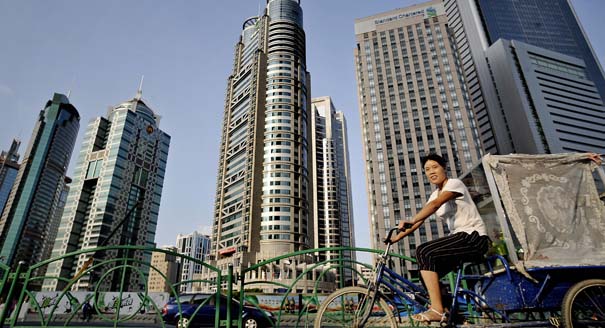
The apparently long-term rupture of Russia’s relations with the West offers an opportunity to China to enhance its already close relationship with the Kremlin and thus turn the global geopolitical balance in its favor.
Source: China Daily
The recent NATO summit in Wales, held against the background of the armed conflict in Ukraine, has brought back the Cold War atmosphere to Europe. NATO's partnership with Russia remains formally suspended. In fact, NATO is treating Russia more as an adversary than a partner.
The alliance is setting up a "Rapid Reaction Force" to deal with emergencies on Europe's eastern flank. The alliance's military infrastructure is moving toward that exposed flank, and closer to Russia's borders. NATO forces will now spend more time exercising in the east, and their presence there will visibly grow. NATO-leaning Ukraine, which the alliance alleges is an object of "Russian aggression", has been promised financial and military support.
The Ukraine crisis is not just about Eastern Europe, it is also about the world order. The Kremlin is seeking Washington's recognition of what it regards as its core national security interest: keeping Ukraine as a buffer zone between Russia and the West, particularly NATO. Washington, on principle, denies Moscow this "imperial privilege", and insists on the freedom of all countries, including Ukraine, to choose alliances and affiliations.The stakes are high. Should Russia be rolled back in Ukraine, not only will its international position materially suffer, but also the power of the Kremlin inside the country might be dangerously undermined. On the other hand, if the US were to eventually accept Russia's demand for a "zone of comfort" along its borders, Washington's credibility as the global dominant power, the norm-setter and arbiter will suffer.
The Shanghai Cooperation Organization, of course, is no military alliance, and even less a rival of NATO. Its member states, however, are closely watching the US-Russian match being played out at the western end on the great Eurasian continent. Some, like the Central Asian states, are essentially ducking, hedging, or running for cover. China, which seeks to defend its own core interests in East Asia and the Western Pacific, looks at the current Russian-American competition through the prism of its own relations with Washington and Moscow.
China has a very important relationship to keep with the US. Playing a long game, Beijing usually avoids direct collisions with Washington, and means to profit from the US-initiated globalization to the fullest extent possible. Like Russia, however, China would also want to carve out a comfort zone for itself along its eastern borders and shores, and, like Russia again, it faces the reality of the US' physical presence and US-led alliances there. What Washington is now doing in an effort to contain Moscow in Eastern Europe provides important information to Beijing in East Asia.
There is more to Beijing's reaction than just watching and drawing conclusions. The apparently long-term rupture of Russia's relations with the West offers an opportunity to the Chinese leadership to enhance its already close relationship with the Kremlin and thus turn the global geopolitical balance in its favor - not unlike former US president Richard Nixon and former secretary of state Henry Kissinger who reached out to Chairman Mao Zedong in 1972. The Russians, angry with Washington, are now more amenable to giving China wider access to their energy riches and their advanced military technology. The Western sanctions pushing Russia out of the international financial system are also making Moscow more ready and willing to back the Chinese yuan against the US dollar.
A Sino-Russian military alliance against the US is still a rather long shot. Yet the two countries' political, economic and military alignment is getting thicker. An expellee from the G8, which is now back to G7, Russia is now eagerly embracing the non-West, particularly in Asia and Latin America. Within the non-West, China is unquestionably the premier power. Managing Russia will not be easy for anyone, but the country is a precious resource for China. So far, Beijing has displayed more tact in dealing with Moscow than any other major player in the world. Building on this success, it can now set its bar higher.
To a China which is rising and raising its global profile, BRICS is an asymmetrical equivalent of the G7, albeit in a very different shape and form. The SCO, to use a similar analogy, is an asymmetrical analogue to NATO, but as a political organization of continental Asia (including Russia), rather than a military bloc. The inclusion of India and Pakistan into the SCO is a logical next step. Iran, currently an observer, can follow later. Turkey, an SCO dialogue partner and a member of NATO, can become a useful link to the North Atlantic alliance.
Enhancing the SCO's security credentials and extending its reach requires a major qualitative upgrade of China's strategic thinking and diplomacy, and an even closer partnership with Russia. The SCO summit in Dushanbe, Tajikistan, will probably not see this yet, but it might become a point when the balance of Eurasia has decisively turned in China's favor. Beijing would need to thank Washington for it.
Former Director, Carnegie Moscow Center
Trenin was director of the Carnegie Moscow Center from 2008 to early 2022.
Recent Work
Dmitri Trenin
Dmitri Trenin
Carnegie does not take institutional positions on public policy issues; the views represented herein are those of the author(s) and do not necessarily reflect the views of Carnegie, its staff, or its trustees.
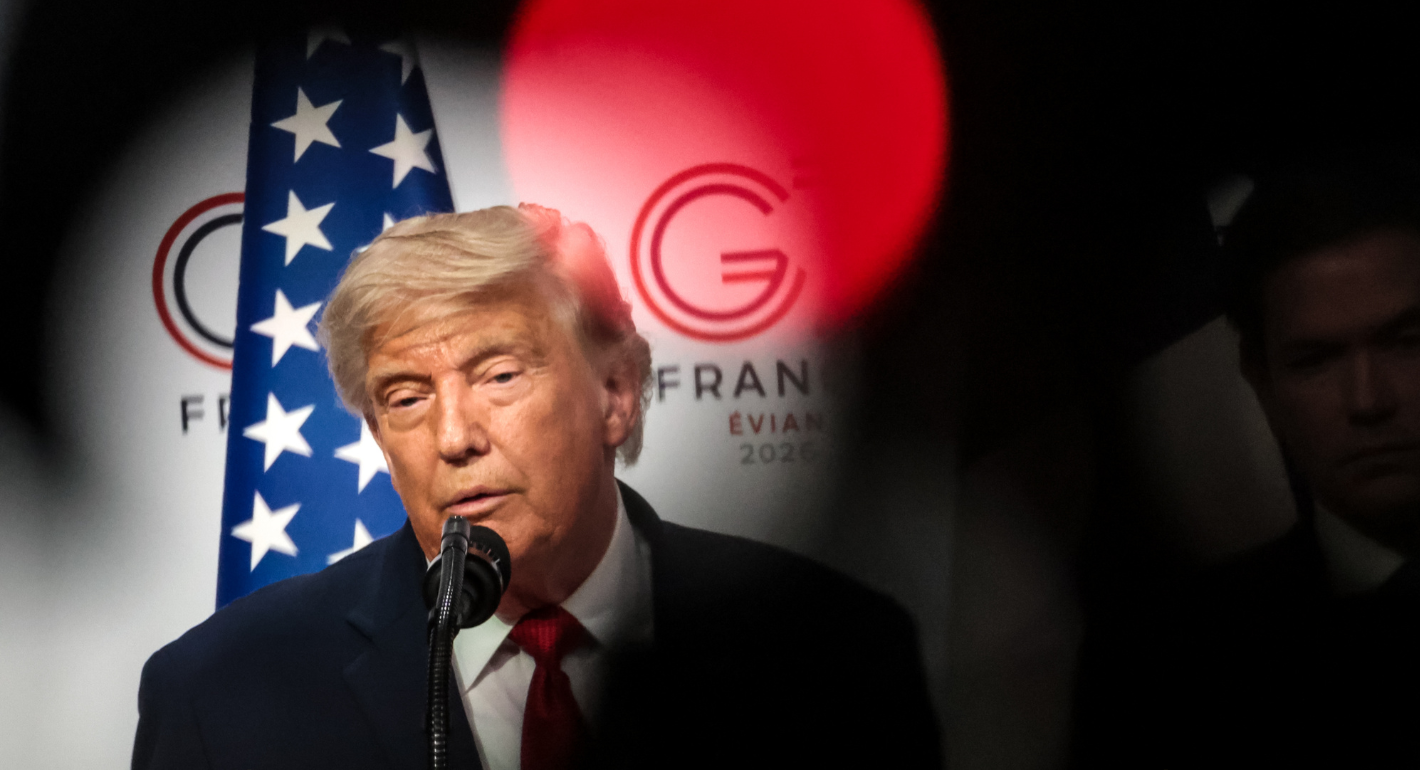
There is an elephant in the room when it comes to the EU’s upcoming security strategy: Donald Trump. Unless European leaders acknowledge the depth of the transatlantic crisis, true autonomy will remain out of reach.

Stefan Lehne

Europe’s industrial supply chains leave it vulnerable to global shocks. The EU needs a pragmatic green industrial strategy that balances durable partnerships and bolsters homegrown clean tech without sacrificing low-carbon ambition.


Milo McBride, Pauline Gerard
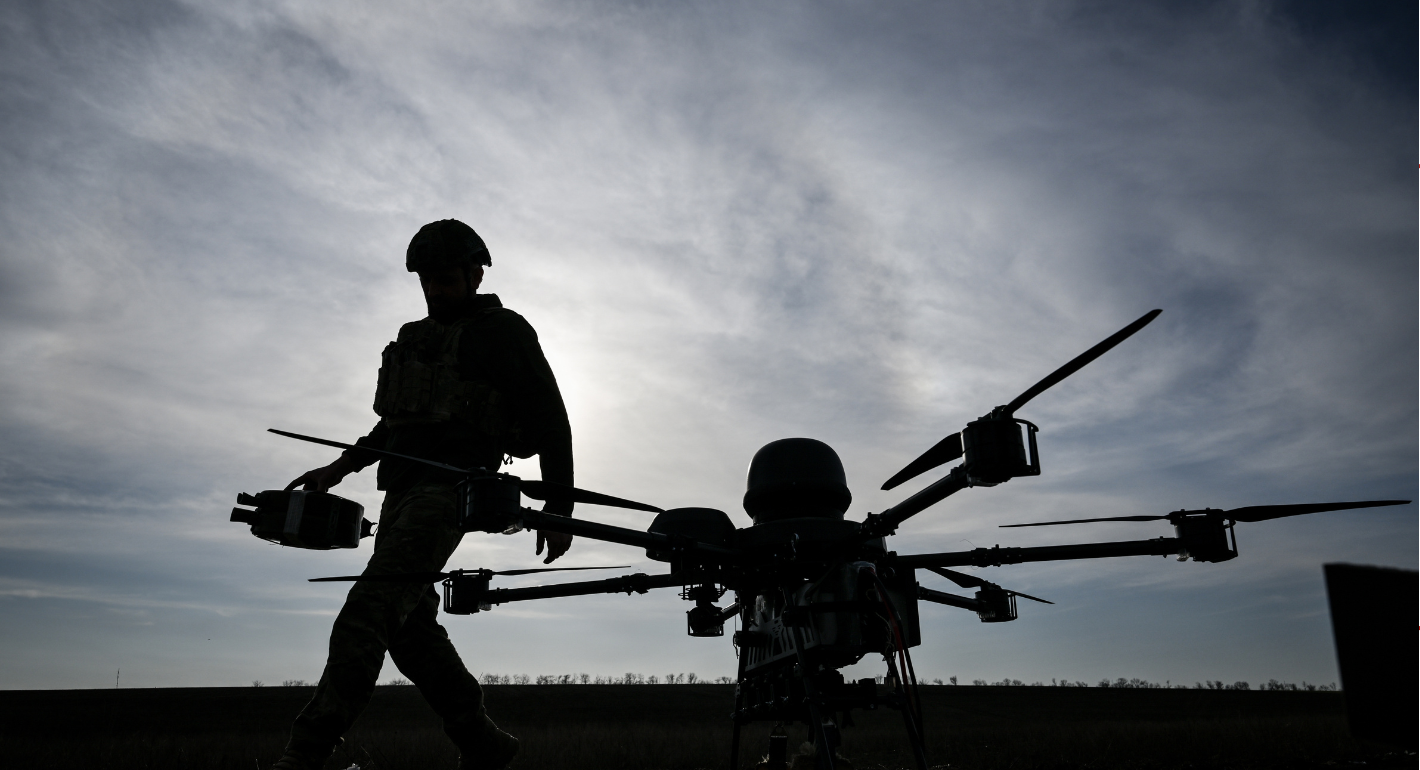
Defense tech innovations will be at the heart of Europe’s new security strategy. But so far, Brussels has been making moves without a broader plan, undermining readiness and credibility.

Raluca Csernatoni

When the U.S.-Iran memorandum of understanding was announced, the UK, France, Germany, and Italy declared their readiness to help demine the Strait of Hormuz and lift nuclear sanctions on Tehran. But does Europe need new tools to recover a diplomatic role?

Rym Momtaz, ed.
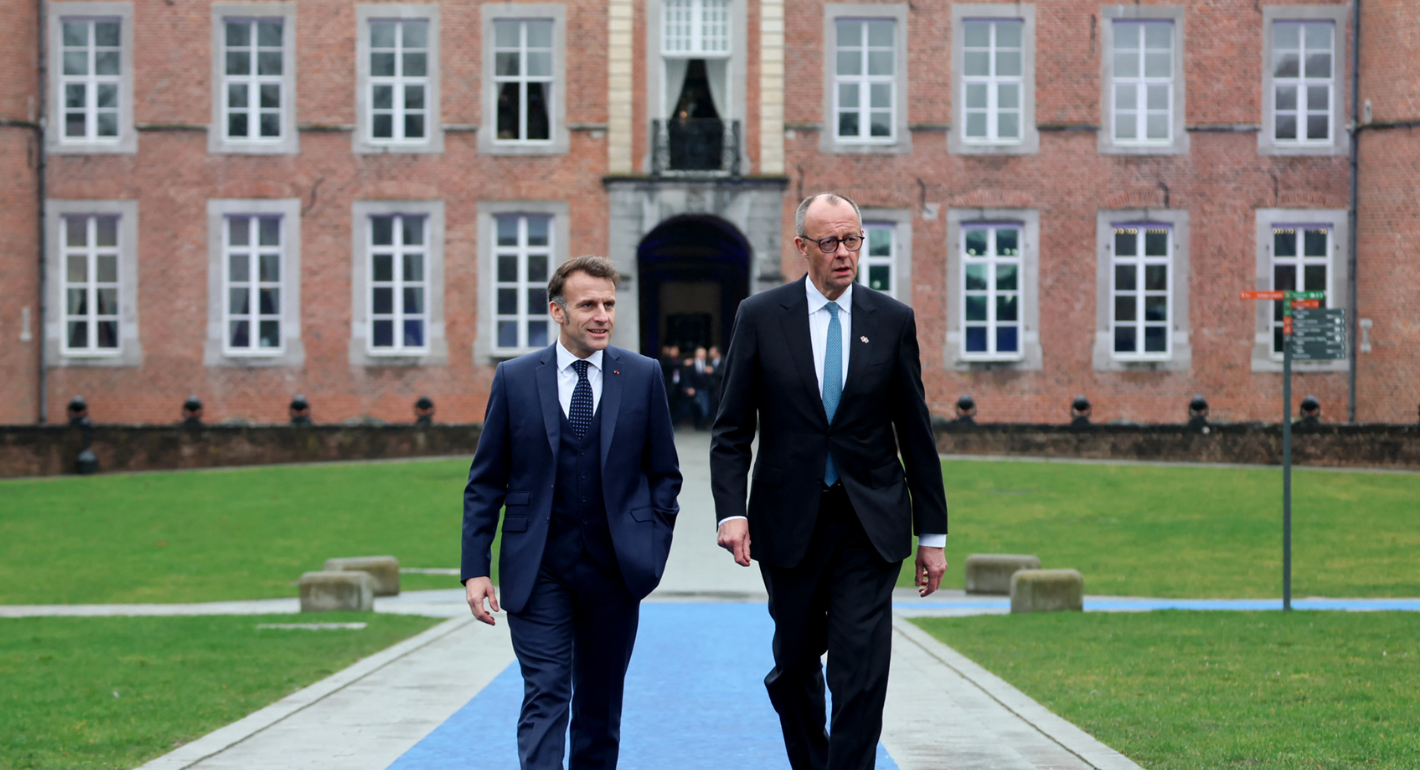
The Franco-German relationship is on the rocks again. But unlike previous moments of tension, the epochal changes on the world stage require that both step up investment in their bilateral ties.
Rym Momtaz