

Commentary
Marc Pierini
{
  "authors": [
    "Marc Pierini"
  ],
  "type": "legacyinthemedia",
  "centerAffiliationAll": "dc",
  "centers": [
    "Carnegie Endowment for International Peace",
    "Carnegie Europe",
    "Malcolm H. Kerr Carnegie Middle East Center"
  ],
  "collections": [
    "Turkey’s Transformation",
    "Transatlantic Cooperation"
  ],
  "englishNewsletterAll": "ctw",
  "nonEnglishNewsletterAll": "",
  "primaryCenter": "Carnegie Europe",
  "programAffiliation": "EP",
  "programs": [
    "Europe"
  ],
  "projects": [],
  "regions": [
    "Middle East",
    "Europe",
    "Türkiye",
    "Western Europe",
    "Iran"
  ],
  "topics": [
    "Foreign Policy",
    "Security"
  ]
}
Source: Getty
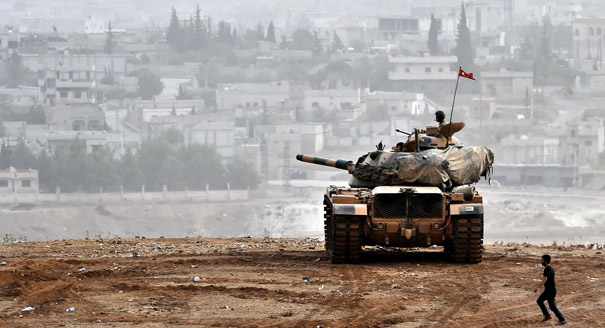
The West and Turkey should meet the Islamic State threat with counterterrorism and border control measures. That may not be a military operation, but it is a big challenge.
Source: Nato Channel TV
Speaking to the NATO Channel TV, Marc Pierini discussed the threat posed by Islamic State militants on the Turkish-Syrian border and the steps that Western nations and Turkey should take in response.
“When [the Islamic State] took Mosul, this was a quantum leap in terms of funding and in terms of weaponry,” Pierini said. “We now have an organization which is not a state (despite the name), which is a terrorist organization, but which has tactical depth: it has territory and it can move fighters, hostages, training camps, and military assets.” He added that the group’s technical capabilities could be seen in its ability to conduct a dual attack on both Baghdad and the Kurdish Syrian town of Kobanê.Pierini believes that the jihadists’ aim is to show the ineffectiveness of the anti–Islamic State coalition. The insurgency is “basically a homeland security threat,” Pierini argues, and the West and Turkey should respond jointly with counterterrorism measures and enhanced border control. “It’s not a military operation, but it’s a very big challenge,” he concluded.

Senior Fellow, Carnegie Europe
Marc Pierini is a senior fellow at Carnegie Europe, where his research focuses on developments in the Middle East and Turkey from a European perspective.
Recent Work
Marc Pierini
Marc Pierini
Carnegie does not take institutional positions on public policy issues; the views represented herein are those of the author(s) and do not necessarily reflect the views of Carnegie, its staff, or its trustees.
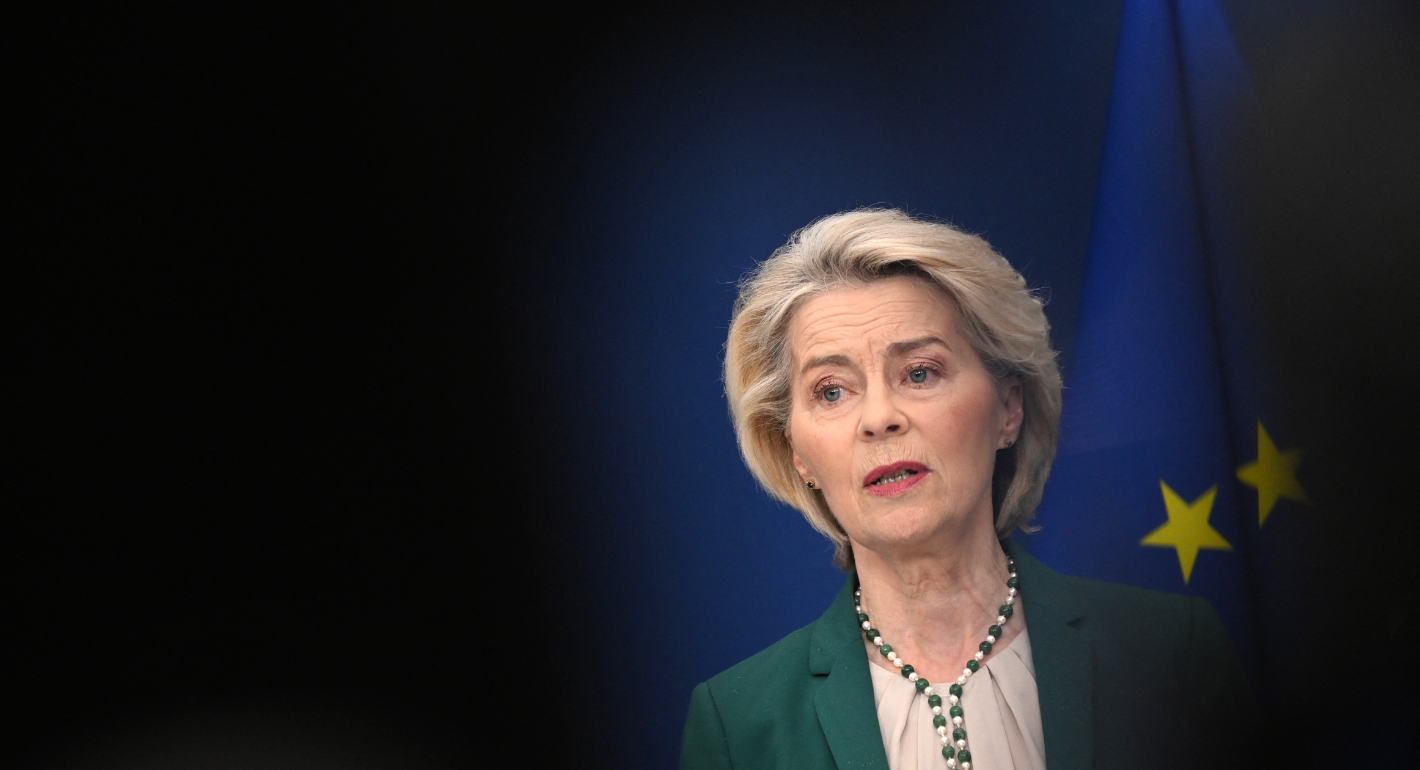
Following Ursula von der Leyen’s gaffe equating Turkey to Russia and China, relations with Ankara risk deteriorating even further. Without better, more consistent diplomatic messaging, how can the EU pretend to be a geopolitical power?

Sinan Ülgen
Closer EU-UK ties could help address urgent European concerns. But is the EU ready for rapprochement with the United Kingdom?

Rym Momtaz, ed.
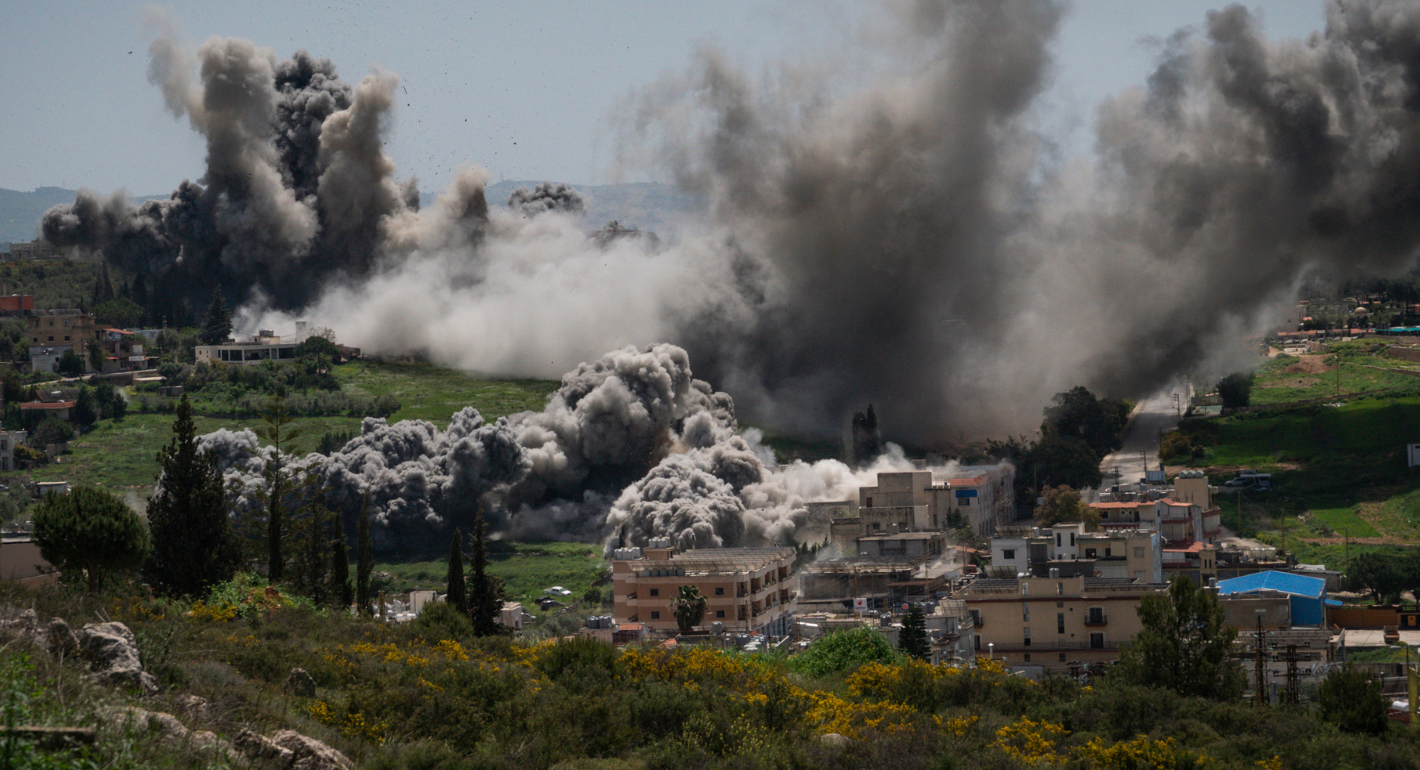
Europe has been standing by while its Southern neighborhood is being redrawn by force. To establish a path to peace between Israel and Lebanon, it’s time for Europeans to get involved with hard power.
Rym Momtaz
In Ukraine, Gaza, and Iran, AI warfare has come to dominate, with barely any oversight or accountability. Europe must lead the charge on the responsible use of new military technologies.

Raluca Csernatoni
Montenegro and Albania are frontrunners for EU enlargement in the Western Balkans, but they can’t just sit back and wait. To meet their 2030 accession ambitions, they must make a strong positive case.


Dimitar Bechev, Iliriana Gjoni