

Report
- +9
Richard Youngs, Erik Jones, Dan Baer, …
{
  "authors": [
    "Rosa Balfour"
  ],
  "type": "legacyinthemedia",
  "centerAffiliationAll": "dc",
  "centers": [
    "Carnegie Endowment for International Peace",
    "Carnegie Europe"
  ],
  "collections": [
    "Europe’s Eastern Neighborhood",
    "Europe’s Southern Neighborhood",
    "EU Integration and Enlargement"
  ],
  "englishNewsletterAll": "ctw",
  "nonEnglishNewsletterAll": "",
  "primaryCenter": "Carnegie Europe",
  "programAffiliation": "EP",
  "programs": [
    "Europe"
  ],
  "projects": [],
  "regions": [
    "Russia",
    "Europe",
    "Türkiye",
    "Eastern Europe",
    "Middle East",
    "Caucasus",
    "Georgia",
    "Ukraine",
    "Western Europe",
    "Moldova",
    "Iran"
  ],
  "topics": [
    "Foreign Policy",
    "EU",
    "Democracy"
  ]
}
REQUIRED IMAGE
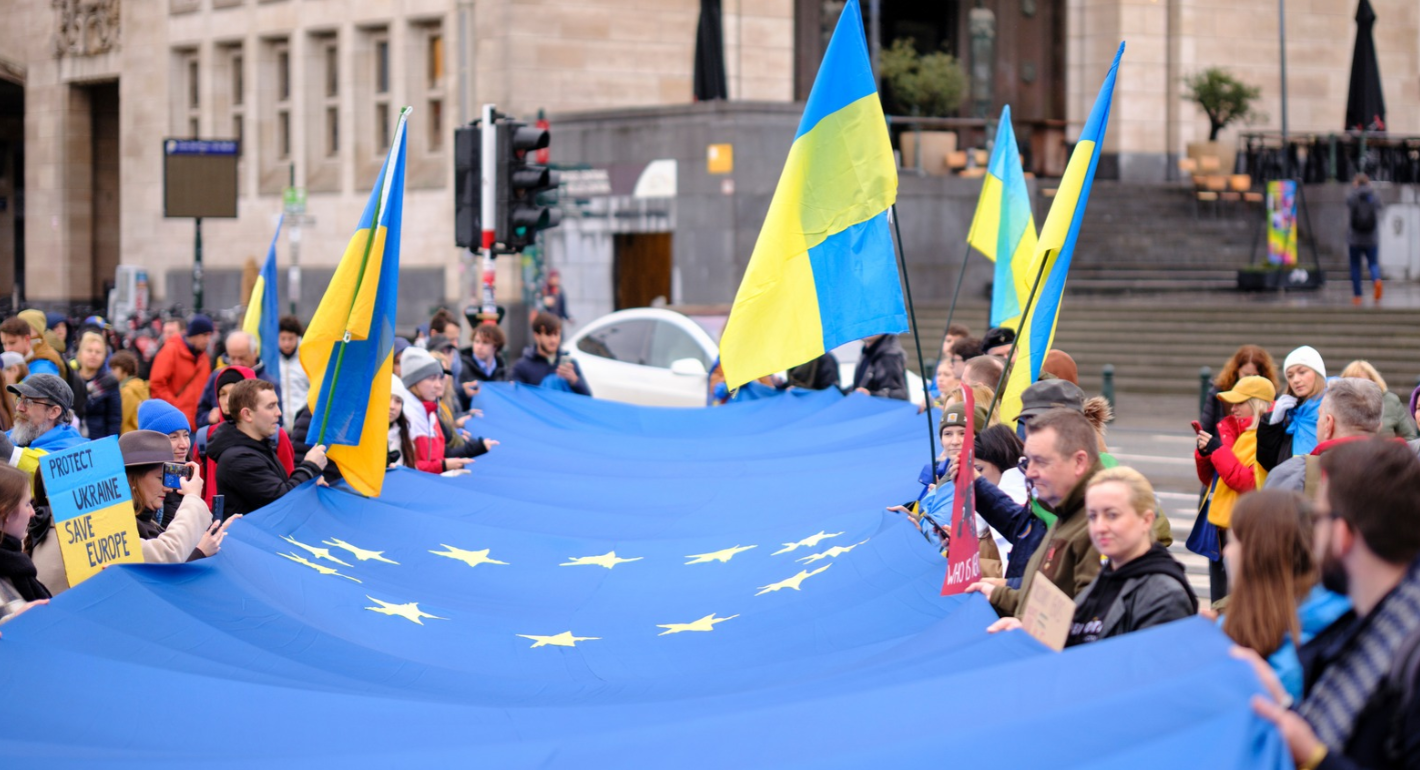
Russia's invasion of Ukraine prompted the EU to break several taboos, including offering candidate status to Ukraine and Georgia. The enlargement process, which has stalled over the past decade, is likely to be hindered by the complex revisions required, including the question of voting rights.
Director, Carnegie Europe
Rosa Balfour is the director of Carnegie Europe. Her fields of expertise include European politics, institutions, and foreign and security policy.
Recent Work

Richard Youngs, Erik Jones, Dan Baer, …
Rosa Balfour
Carnegie does not take institutional positions on public policy issues; the views represented herein are those of the author(s) and do not necessarily reflect the views of Carnegie, its staff, or its trustees.
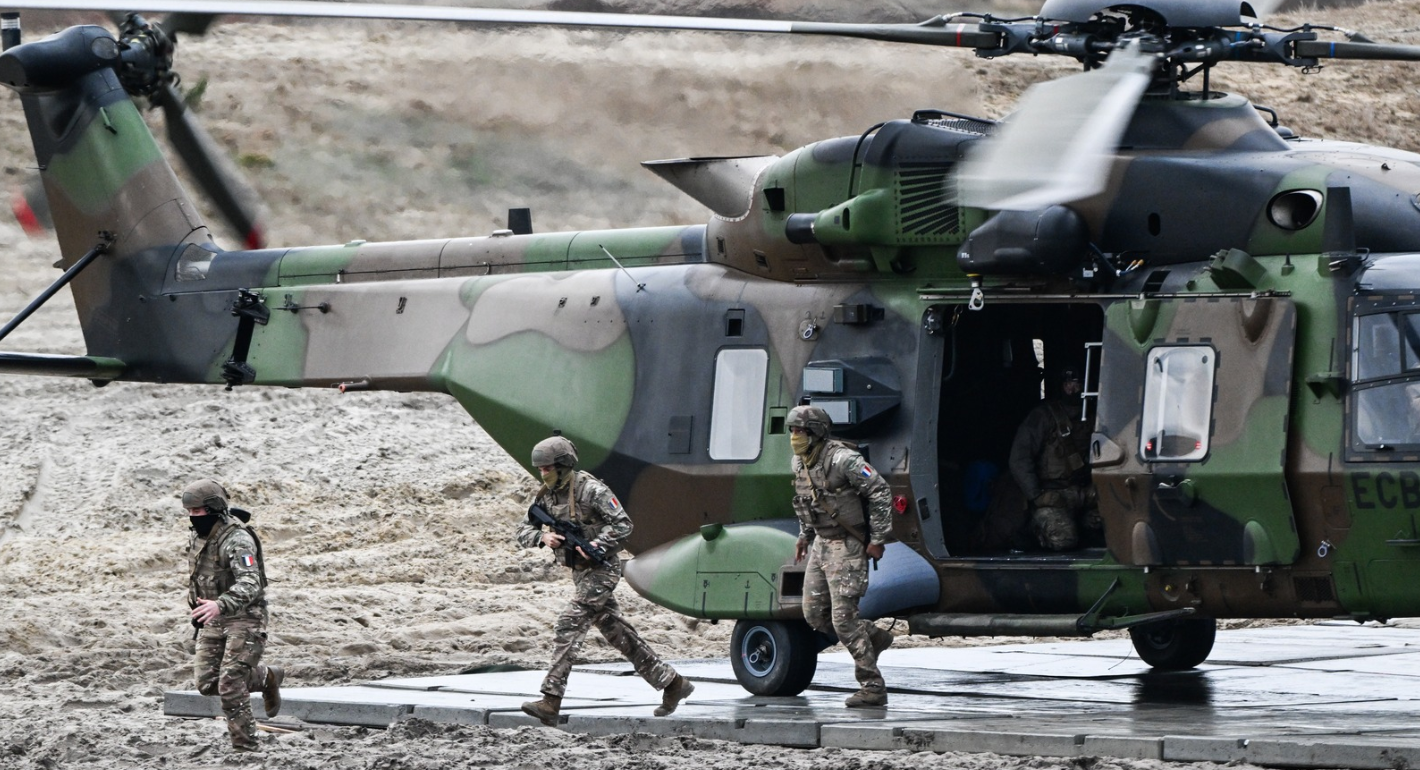
A trilateral summit in China was advertised as the new Yalta but yielded little more than a photo opportunity for Vladimir Putin. The real work was being done by the Europeans, quietly, in rural Poland.

Rym Momtaz
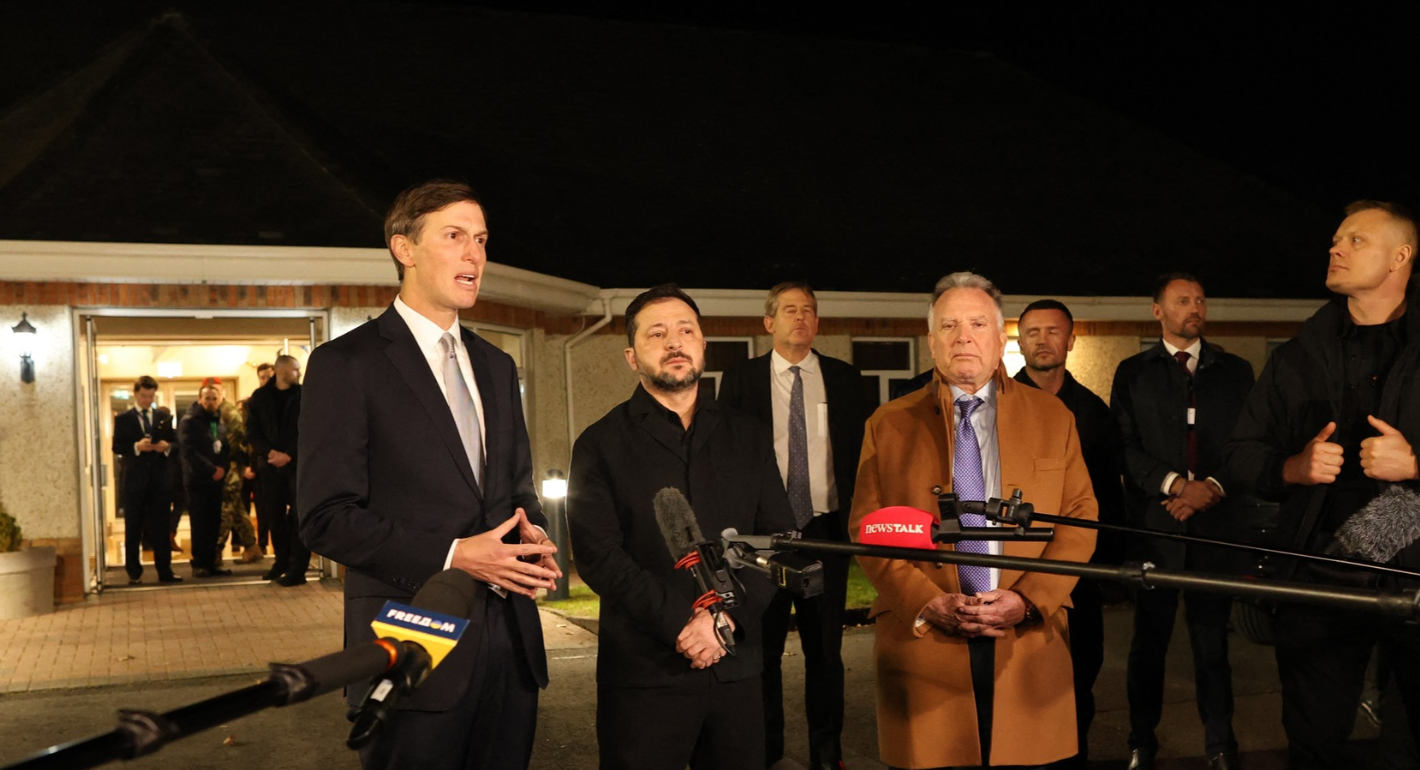
Russia’s maximalist demands are preventing any serious attempt at ending the war in Ukraine. To make peace a realistic prospect, Putin must recognize that diplomacy is a two-way street.
Kadri Liik

Too many national interests, too many EU institutions, and too little political will are preventing Europe from acting in its own best interests.
Judy Dempsey
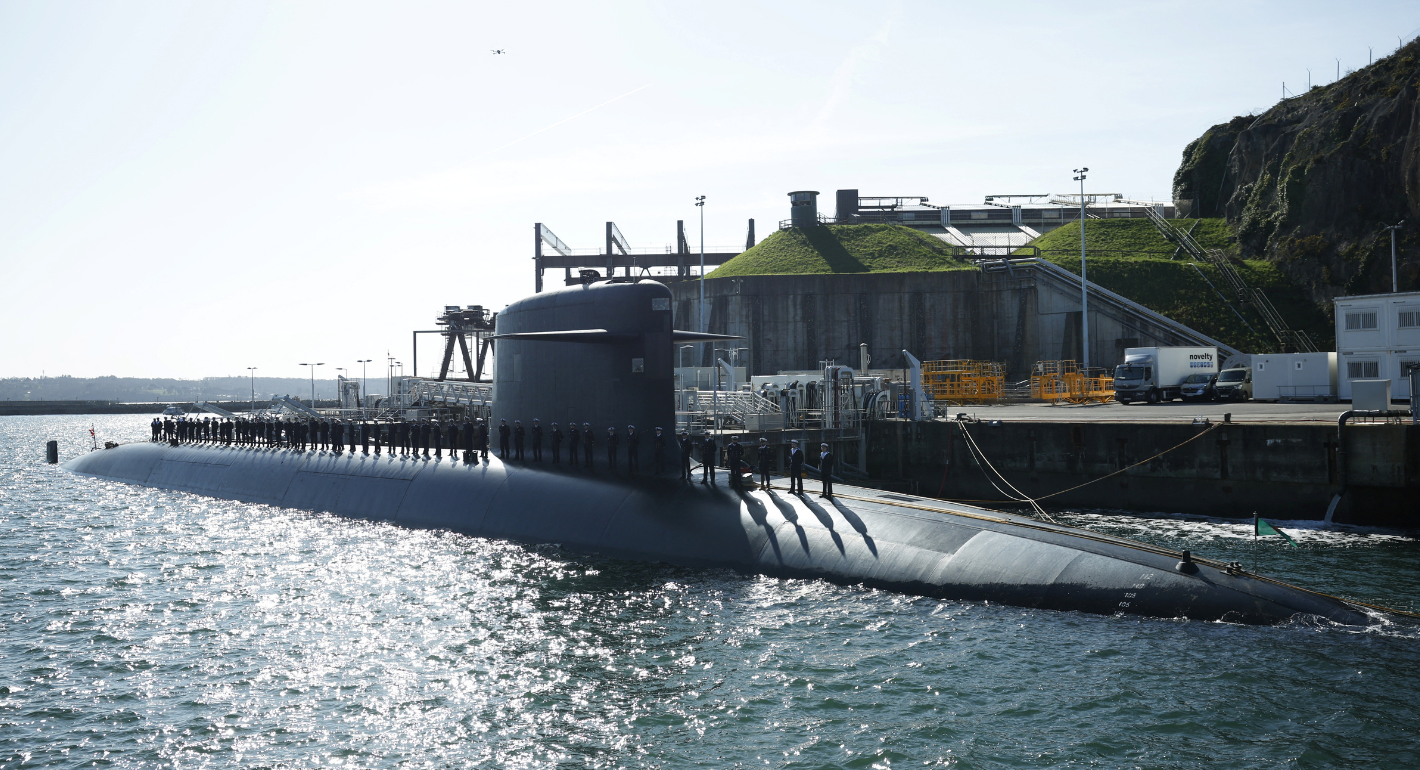
As the nuclear order rapidly evolves, what can Europeans and other key players do to strengthen deterrence and reduce risks?

Jamie Kwong, ed.
A sizeable funding shortfall looks increasingly likely to hit Ukraine in 2027. Can the Europeans, with their strained budgets and economies, come up with the cash without seizing frozen Russian assets?
Rym Momtaz, ed.