

Commentary
Judy Dempsey
{
  "authors": [
    "Judy Dempsey"
  ],
  "type": "commentary",
  "blog": "Strategic Europe",
  "centerAffiliationAll": "",
  "centers": [
    "Carnegie Endowment for International Peace",
    "Carnegie Europe"
  ],
  "collections": [],
  "englishNewsletterAll": "",
  "nonEnglishNewsletterAll": "",
  "primaryCenter": "Carnegie Europe",
  "programAffiliation": "",
  "programs": [],
  "projects": [],
  "regions": [
    "Europe",
    "Western Europe"
  ],
  "topics": [
    "EU",
    "Climate Change",
    "Economy"
  ]
}
Source: Getty
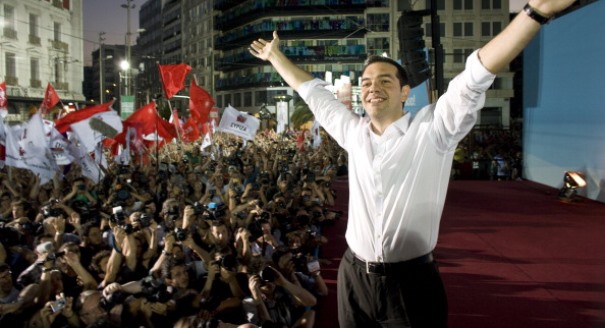
Alexis Tsipras promised voters an end to austerity and a new beginning for Greece. Will he deliver on that pledge?
Greece’s prime minister designate, Alexis Tsipras, has delighted his voters, scared the German government, and rattled the markets. The charismatic leader of the left-wing Syriza party, who won 36.3 percent of the votes counted in Greece’s general election on January 25, now has a gargantuan task ahead of him.
He has to deliver on the pledges he made to his voters when he promised an end to austerity. To do that, he has to persuade other eurozone members, notably Germany and Finland, to reduce Greece’s public debt by a third. That debt stood at 175 percent of the country’s gross domestic product in 2013.
Can Tsipras bring about the change he promised?
They also see it as a snub to the European Commission, the International Monetary Fund, and, especially, German Chancellor Angela Merkel. With her own electorate in mind, Merkel has always insisted that austerity was the only way to restore Greece to competitiveness.
Tsipras’s ability to deliver on his election pledges may be slightly limited as he will need the support of his coalition partners, the right-wing Greek Independents, to ensure a majority in the parliament. As for Germany, it is unlikely to react well to his request for debt relief.
In any event, the Syriza leader’s promises and style of governing will determine whether he will embark on a radical transformation of Greece’s political culture. This transformation is long overdue, as Tsipras himself argued during the election campaign.
Tsipras’s manifesto wasn’t just about putting an end to the austerity measures. It was about ridding the country of a political culture and system dominated by oligarchs whose political allegiance was to either the Papandreou or the Karamanlis family. These clans effectively ruled Greece after the military junta collapsed in 1974.
But instead of radically transforming the society through social, economic, and political reforms, Greek democracy atrophied, and the economy did not prosper. When Greece joined the EU in 1981, little attention was paid to its democratic deficit. Greece was admitted into the EU largely to ease the transition from authoritarian military rule to civilian government.
Populist parties across #Europe are cock-a-hoop over @atsipras's victory.Tweet This
And when Greece joined the eurozone in 2001, leading economists knew at the time that Athens was unprepared to deal with the challenge of a tight monetary policy and strict rules for reining in budget deficits.
EU indifference toward Greece’s democratic deficit and structural weaknesses in the economy allowed two main political parties to effectively run Greece and share its spoils.
The Panhellenic Socialist Movement, or PASOK, run by the family of Andreas Papandreou, and the center-right New Democracy party, founded by Konstantinos Karamanlis, ran Greece on a system based on patronage and clientelism. It is not an exaggeration to say that the economy was run by groups of oligarchs who had little interest in competitiveness, let alone a clean and transparent civil service.
During his campaign speeches before the January 25 election, Tsipras struck a raw nerve with voters when he criticized the way in which the oligarchs continued to run the country. And, more than that, he said, they were not affected by the austerity measures.
Those measures were aimed at reducing Greece’s bloated public sector and introducing some degree of transparency into the tax collection system, which was notoriously lax in dealing with tax evasion and corruption. Tens of thousands of ordinary Greeks in the public sector lost their jobs. Pensions were slashed. Salaries for the public sector were reduced. The government made efforts to cut the red tape and bureaucracy that inhibited initiative and competitiveness for small and medium-sized companies.
.@atsipras now has the power to change #Greece's political culture.Tweet This
Yet a closer look at the austerity measures shows that they were just the tip of the iceberg in transforming the Greek economy. The state-supervised privatization program established in 2011 has been slow in getting off the ground. Property rights are still unclear. There is no comprehensive land registry, and the old elites fear that privatization would weaken their influence unless they manage to snap up some of the assets. Corruption is still endemic.
Meanwhile, small and medium-sized companies yearn for investment, clarity of rules, and a transparent and efficient bureaucracy. This is the new Greece they want and that Tsipras has spoken about. He now has the power to change Greece’s political culture.

Nonresident Senior Fellow, Carnegie Europe
Judy Dempsey is a nonresident senior fellow at Carnegie Europe
Recent Work
Judy Dempsey
Judy Dempsey
Carnegie does not take institutional positions on public policy issues; the views represented herein are those of the author(s) and do not necessarily reflect the views of Carnegie, its staff, or its trustees.
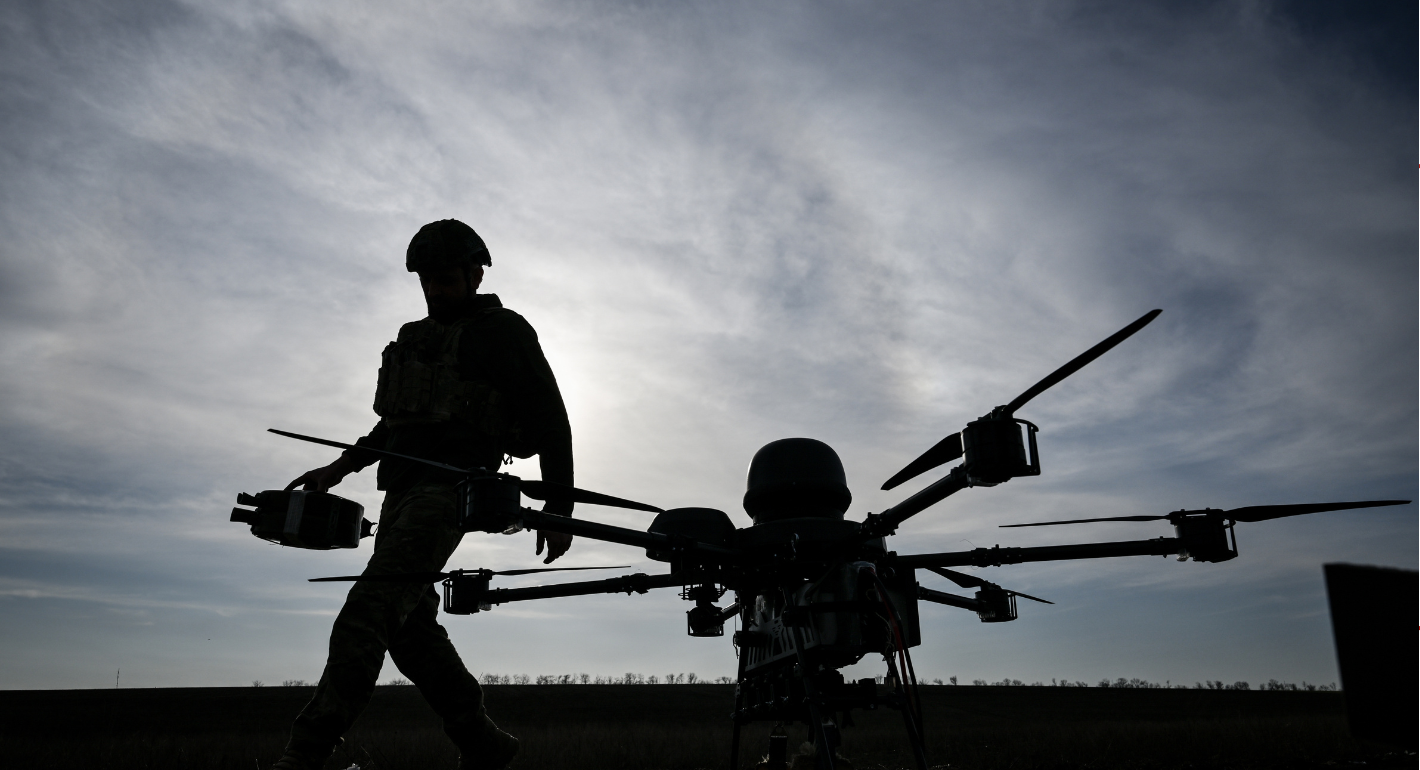
Defense tech innovations will be at the heart of Europe’s new security strategy. But so far, Brussels has been making moves without a broader plan, undermining readiness and credibility.

Raluca Csernatoni

When the U.S.-Iran memorandum of understanding was announced, the UK, France, Germany, and Italy declared their readiness to help demine the Strait of Hormuz and lift nuclear sanctions on Tehran. But does Europe need new tools to recover a diplomatic role?

Rym Momtaz, ed.
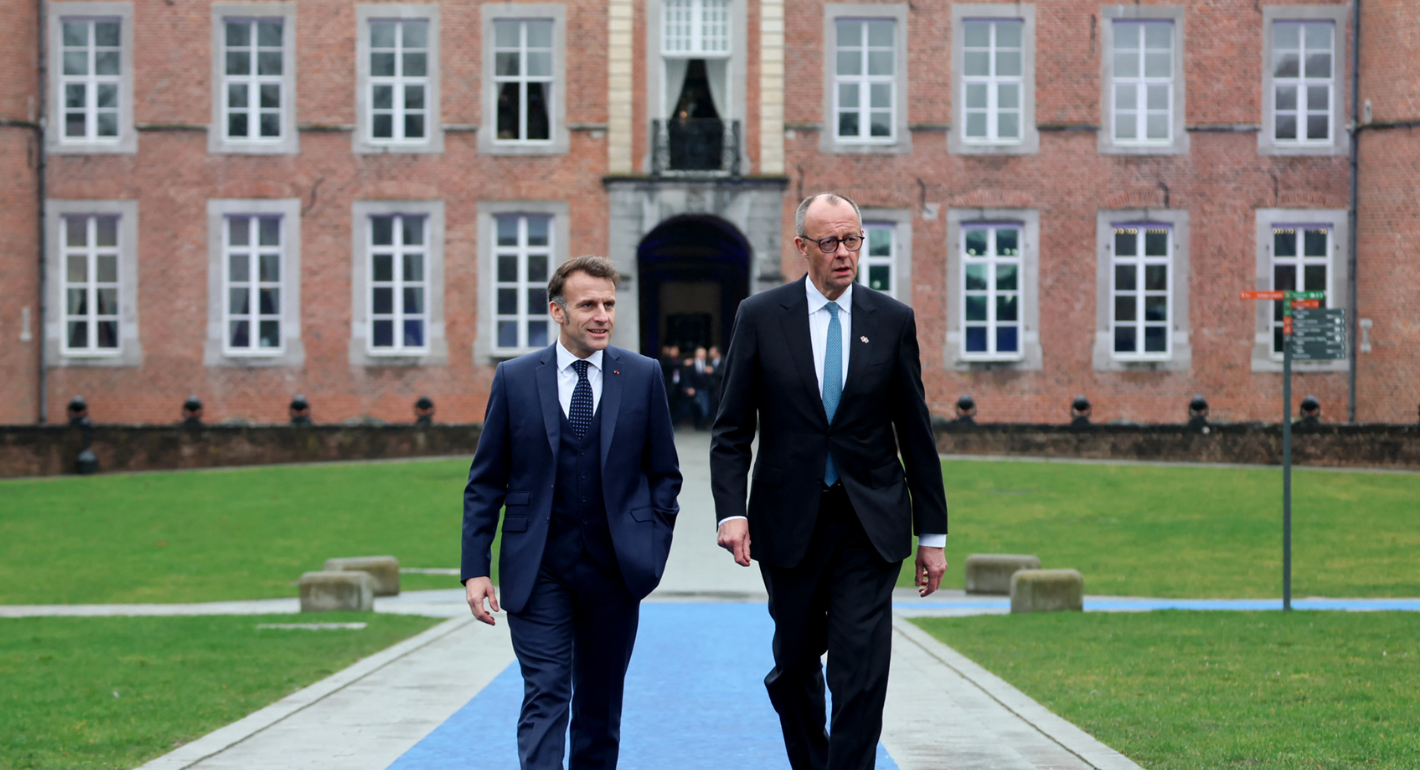
The Franco-German relationship is on the rocks again. But unlike previous moments of tension, the epochal changes on the world stage require that both step up investment in their bilateral ties.
Rym Momtaz

The EU is putting together a new security strategy to meet today’s myriad challenges. But for any proposal to be effective, the union needs to grapple with its identity and ambitions.

Pierre Vimont
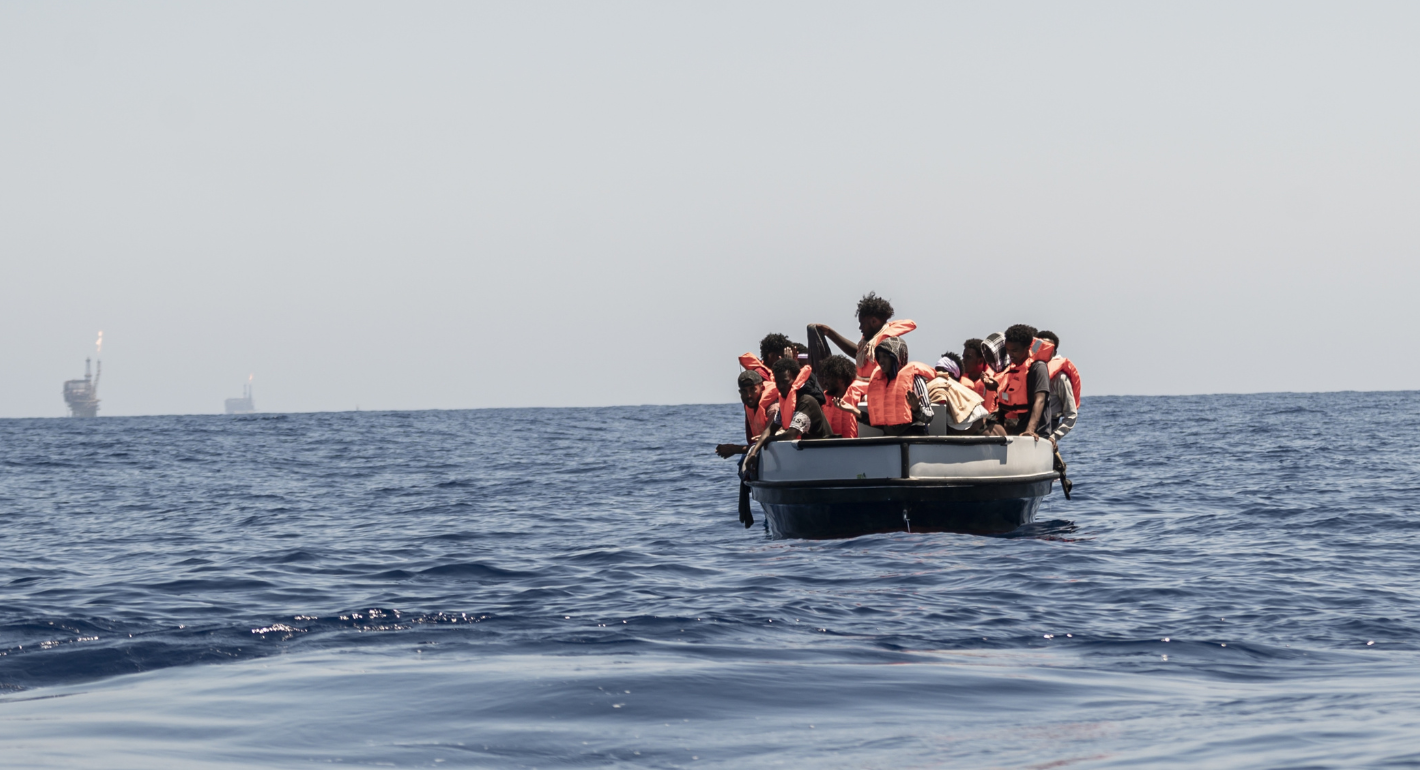
The EU’s new migration policy is not suited to today’s realities. With climate change increasingly becoming a driver of displacement, Europe needs to rethink its deterrence-focused approach.

Shana Tabak