

Commentary
Judy Dempsey
{
  "authors": [
    "Judy Dempsey"
  ],
  "type": "commentary",
  "blog": "Strategic Europe",
  "centerAffiliationAll": "",
  "centers": [
    "Carnegie Endowment for International Peace",
    "Carnegie Europe"
  ],
  "collections": [],
  "englishNewsletterAll": "",
  "nonEnglishNewsletterAll": "",
  "primaryCenter": "Carnegie Europe",
  "programAffiliation": "",
  "programs": [],
  "projects": [],
  "regions": [
    "Europe",
    "Western Europe",
    "Germany",
    "North America"
  ],
  "topics": [
    "Security",
    "EU",
    "Foreign Policy"
  ]
}
Source: Getty
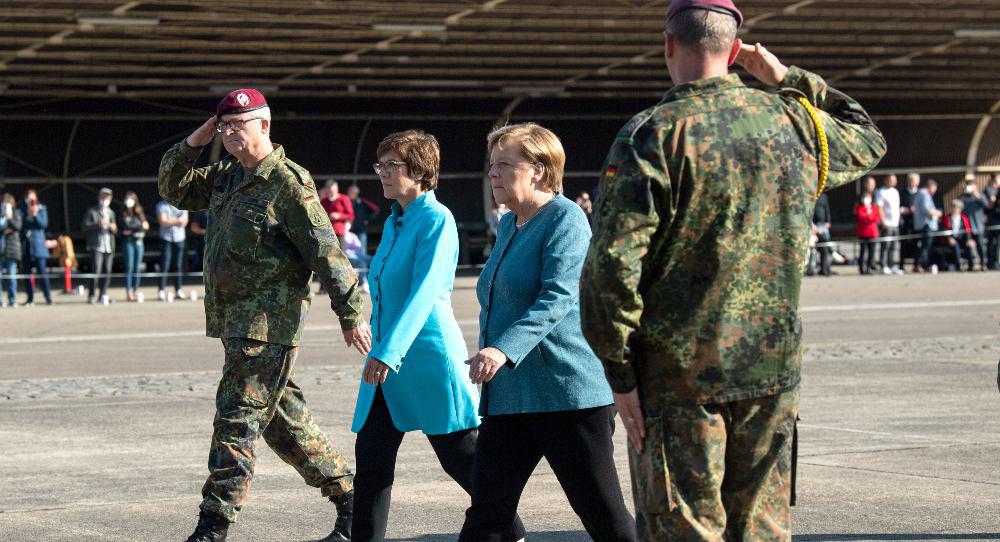
Germany’s next chancellor will have to finally define Berlin’s security and defense interests. That means addressing the future of U.S. nuclear weapons stationed in the country and the desperate need to modernize Germany’s armed forces.
Angela Merkel likes the United States. Whenever she visited it during her long term as chancellor, she would speak eloquently to her audiences, particularly students, about values and democracy. She often referred to her East German upbringing to ram home the point about defending freedom.
But there were topics that Merkel, both at home and abroad, rarely broached: defense, security, and Germany’s relationship with NATO. All are bound up with Berlin’s relations with the United States. All are bound up with the deployment of U.S. nuclear weapons in Germany. All are bound up with Germany’s role in Europe and NATO. And these issues are long overdue for discussion.
That is why whoever succeeds Merkel on September 26, 2021, has no choice but to end prevarication. It is time because U.S. President Joe Biden’s administration, like its predecessors, is quickly shifting its strategic compass away from Europe to the Indo-Pacific region.
It does not mean that the United States will abandon its longtime role as Europe’s security guarantor, which involves using, via NATO, the stationing of nuclear weapons in Europe as a deterrence.
It does mean, however, that the United States will continue to want the Europeans to take on more of the burden when it comes to deterrence and defense spending. That should include taking a hard look at the role and maintenance of nuclear weapons stationed in Germany.
This issue is potentially explosive. It gets to the heart of NATO’s raison d’être and concerns Europe’s defense and Germany’s relationship with the United States. Both have been thrown into sharp focus in recent weeks.
The Biden administration’s decision in August to pull out its forces from Afghanistan in such a chaotic—and unilateral—manner and the way Biden forged a new security alliance, AUKUS, with Australia and the UK, have left a sour taste for Germany and NATO.
In both cases—Afghanistan and the AUKUS deal—the lack of U.S. consultation with its allies plays into the hands of the left wing of Germany’s Social Democrats and the Greens. Their pacifist, anti-American sentiments can be quickly tapped into. Both wings of the parties want to rid Germany—even unilaterally—of U.S. nuclear weapons, which are NATO’s security umbrella for Europe.
For now, their respective leaders and chancellor candidates, Olaf Scholz of the Social Democrats (SPD) and Annalena Baerbock of the Greens, have kept the lid on these issues. If both parties form the next coalition government, their leaders will have to contend with a generation of younger and more ideologically left-wing deputies in the Bundestag. Whatever the outcome of the election, the status quo over defense, in which issues have been ducked or postponed, is nearing its end.
Three boils are waiting to be lanced. First is the need to modernize the dual-capability German aircraft. Second is the future of arms control negotiations with Russia. The third, in terms of defense strategy, is what Merkel has bequeathed to her successors and to her allies.
Under the nuclear-sharing agreement, the German air force has a squadron of Tornado aircraft that are equipped to carry nuclear bombs. Estimates vary, but there is reckoned to be between ten and twenty U.S. nuclear bombs based in the Eifel, western Germany, and overall about one hundred B61 nuclear bombs located in Belgium, the Netherlands, Italy, and Turkey.
The Tornado aircraft have been in service since the 1980s. They are becoming increasingly expensive to maintain. One plan was to extend their life until 2030. Another was to replace them with a mix of Eurofighter aircraft, which are not nuclear capable, and F/A-18 Super Hornets, some of which would be dual-capable.
Annegret Kramp-Karrenbauer, the current Christian Democrat defense minister, proposed a “bridge solution:” Germany would sustain a nuclear capability delivery until a sixth generation fighter—the Future Combat Air System to be developed with France and Spain—would be rolled out between 2040 and 2045.
The plan was scuppered by the Social Democrats and the Christian Social Union. The SPD’s parliamentary group leader Rolf Mützenich, who represents the party’s hard left, said “nuclear weapons on German territory do not heighten our security, just the opposite.” Heiko Mass, the SPD foreign minister, warned that any unilateral step would “weaken our alliances.” Any debate, he added, should be on the European level and with NATO partners.
Yet nuclear weapons and nuclear sharing are issues that NATO prefers not to talk about because it is essentially about the U.S. security commitment to Europe. It could also be seen as questioning the United States’ role. Surely, it’s high time for allies to be more frank with each other.
Then there is the multilateral dimension of arms control.
Baerbock is no great fan of nuclear weapons, having once called for the withdrawal of U.S. weapons but has since modified her views. At heart, she is a transatlanticist and her pragmatic wing of the party, unlike the more fundamental faction, does not support any unilateral disarmament measures. She understands the vulnerability of the Baltic States and Ukraine.
Scholz has no ambiguities about NATO, but the nuclear weapons issue is another matter for his party.
Armin Laschet, the Christian Democrat leader making a bid to succeed Merkel, is strongly committed to maintaining nuclear sharing and NATO. No issue there.
And so to Merkel.
Merkel never supported Kramp-Karrenbauer’s plans to find a solution to the ageing Tornadoes. She avoided taking a stance over abolishing military conscription back in 2011. She took no interest in the modernization of the armed forces—and its shameful lack of basic equipment.
Above all, she just never bothered to become engaged in Germany’s existential security relationship with NATO and the United States. It’s an ignominious legacy that her successor will inherit. Sparks are bound to fly.
This blog is part of the Transatlantic Relations in Review series. Carnegie Europe is grateful to the U.S. Mission to the EU for its support.

Nonresident Senior Fellow, Carnegie Europe
Judy Dempsey is a nonresident senior fellow at Carnegie Europe
Recent Work
Judy Dempsey
Judy Dempsey
Carnegie does not take institutional positions on public policy issues; the views represented herein are those of the author(s) and do not necessarily reflect the views of Carnegie, its staff, or its trustees.
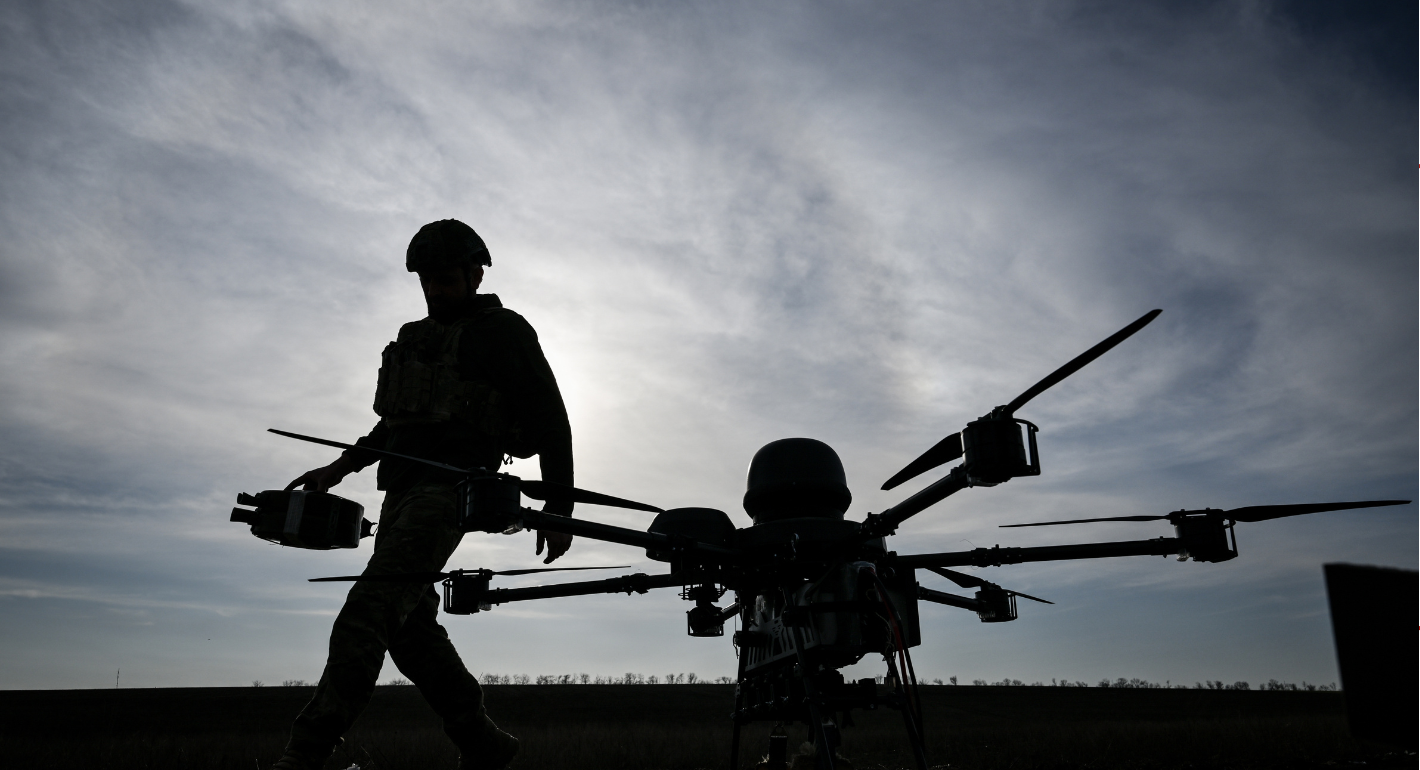
Defense tech innovations will be at the heart of Europe’s new security strategy. But so far, Brussels has been making moves without a broader plan, undermining readiness and credibility.

Raluca Csernatoni

When the U.S.-Iran memorandum of understanding was announced, the UK, France, Germany, and Italy declared their readiness to help demine the Strait of Hormuz and lift nuclear sanctions on Tehran. But does Europe need new tools to recover a diplomatic role?

Rym Momtaz, ed.
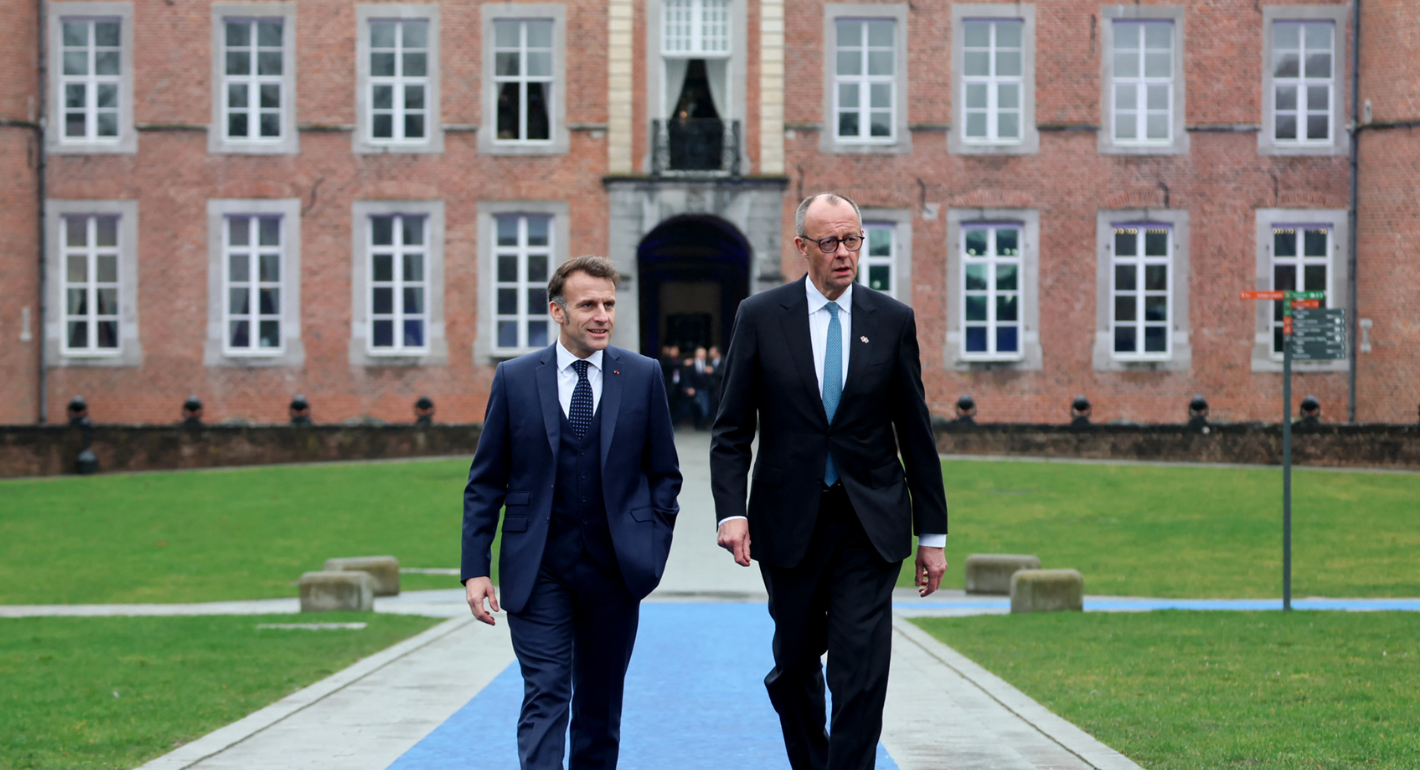
The Franco-German relationship is on the rocks again. But unlike previous moments of tension, the epochal changes on the world stage require that both step up investment in their bilateral ties.
Rym Momtaz
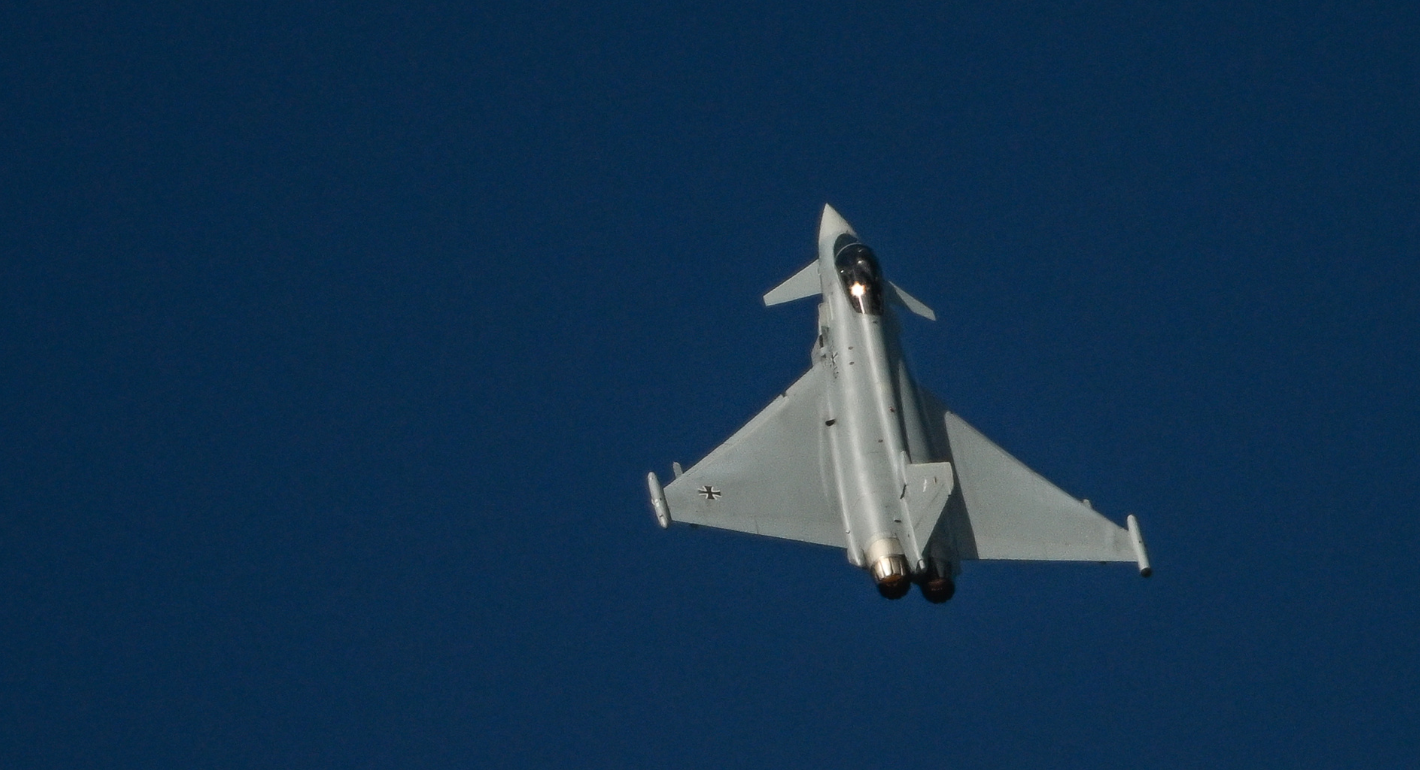
The EU is putting together a new security strategy to meet today’s myriad challenges. But for any proposal to be effective, the union needs to grapple with its identity and ambitions.

Pierre Vimont
The EU’s new migration policy is not suited to today’s realities. With climate change increasingly becoming a driver of displacement, Europe needs to rethink its deterrence-focused approach.

Shana Tabak