

Commentary
Judy Dempsey
{
  "authors": [
    "Judy Dempsey"
  ],
  "type": "commentary",
  "blog": "Strategic Europe",
  "centerAffiliationAll": "",
  "centers": [
    "Carnegie Endowment for International Peace",
    "Carnegie Europe"
  ],
  "collections": [
    "Europe’s Eastern Neighborhood"
  ],
  "englishNewsletterAll": "",
  "nonEnglishNewsletterAll": "",
  "primaryCenter": "Carnegie Europe",
  "programAffiliation": "",
  "programs": [],
  "projects": [],
  "regions": [
    "Russia",
    "Europe",
    "Eastern Europe",
    "Ukraine",
    "Western Europe",
    "Germany"
  ],
  "topics": [
    "Foreign Policy",
    "Security",
    "EU"
  ]
}
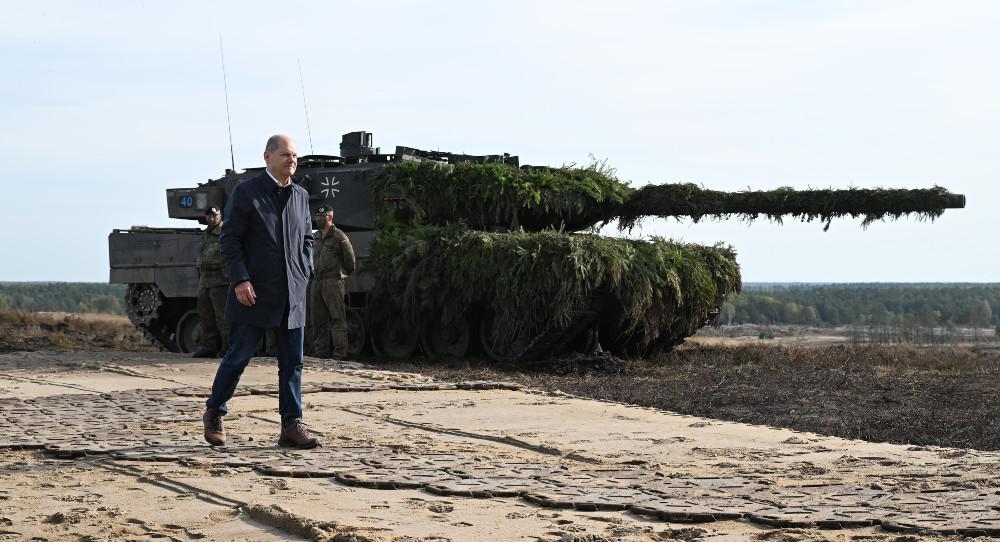
Source: Getty
Chancellor Scholz’s refusal to send Leopard tanks to Ukraine is antagonizing Germany’s allies and will negatively impact European integration. Berlin should seize this chance to shape history.
Almost eight years ago, leaders, diplomats, security experts, and top military officers were sitting in the elegant ballroom of the Bayerischer Hof Hotel. They were attending the annual Munich Security Conference (MSC). They were also waiting for Angela Merkel.
Then German chancellor Merkel had spent the weekend in Minsk. There, in the Belarusian capital, she and the presidents of France, Russia, and Ukraine backed the so-called Minsk accords. The goal was to support a ceasefire to stop the killing and the violence in eastern Ukraine which Russia had invaded in March 2014. Merkel won plaudits for her efforts.
Merkel, who during 2014 was instrumental in persuading all the EU governments to impose sanctions on Russia, was adamant in her MSC speech about finding a diplomatic solution to the war.
“This conflict cannot be won militarily. That is the bitter reality. That is the bitter truth,” she said. “You see, I’m firmly convinced that the conflict can’t be solved with military means. More weapons will not solve it.” She received applause for this—even though today this approach would be seen as being too soft on Moscow.
Her successor, Olaf Scholz, who is just as averse to the military option for responding to this second invasion of Ukraine in which Russia is brutal in its execution, is now embroiled in a bitter dispute with his European and American allies about his continuing refusal to send Leopard tanks to Ukraine.
It is not only Ukraine’s President Volodymyr Zelensky who keeps asking for more weapons—particularly tanks—to defeat Russia. Poland, the Baltic States of Estonia, Latvia and Lithuania, Finland, and other counties in the region who since February 2022 have provided Ukraine with substantial amounts of military assistance, want Scholz’s permission to export the German-made Leopard tanks to Ukraine.
Germany has had a policy of not sending weapons to conflict zones and this includes weapons they have sold to allies. Yet during his Zeitenwende speech delivered almost a year ago, just days after Russia’s full-fledged attack on Ukraine, Scholz promised to deliver weapons to Kyiv.
That has happened. Slowly. But not to an extent that could turn around the war for Ukraine, according to experts. The Leopard tank could be the answer. If that is the case, what is Scholz’s problem in sending the tanks, or giving his unequivocal permission for other European countries to send the tanks to Ukraine?
Scholz has repeatedly said Germany would not go it alone and that he was waiting for the United States to send the heavy Abraham tanks to Ukraine. Washington is already sending the Bradley infantry fighting vehicles that are more mobile to transport and easier to maintain.
But Scholz’s reasoning has left a sour taste among his European allies, among his Green coalition partners, and among nearly half of those Germans polled who support the delivery of the tanks.
“Scholz doesn’t want to be the first [to send those tanks],” said Stefan Meister, Russian and East European expert at the German Council on Foreign Policy. “It could be used against you. It’s a very German view. He is just so afraid of escalation. It’s about a war with Russia,” Meister added.
This German perception of Russia may be one of the reasons why Scholz is not providing the leadership Europe urgently needs. French President Emmanuel Macron has tried, but he has won little support from Berlin and is treated with some suspicion by the Central Europeans for his views on Europe’s future and his past views Russia.
Even the ambitions of the Franco-German relationship, embodied in the Elysée Treaty signed sixty years ago, are on hold for the moment. These days, Berlin and Paris hardly see eye to eye on anything, with Scholz doing little to revive this special axis. This is bad news for Europe.
The war in Ukraine, however it ends, will have a profound impact on the future direction of Europe. Either the EU will emerge from this devastating war politically stronger and more united in ways that will encourage more integration, or it will become dominated by resentment and disunity largely caused by Germany.
“Germany has been very important for European integration,” said Eugeniusz Smolar from the Centre for International Relations in Warsaw. “But it won’t be able to push for integration because of its policy toward Ukraine and how it is viewed by the Central Europeans and the Baltic States. And [there’s] also something else. Berlin shows a lack of understanding of the international context. Even though it is strongly Atlanticist, it is as if Germany is putting its own self-interests first,” added Smolar.
Additionally, there is the view that Scholz, who is known to be so risk averse and unwilling to exert leadership like Merkel did during Russia’s first invasion of Ukraine, sees this war through a different lens than his Central European counterparts.
“It’s as if it is a crisis to be managed rather than a war to be fought,” said John Lough, Associate Fellow in Chatham House’s Russia and Eurasia program. “Merkel, on the other hand, bought Ukraine some time. Without that, Ukraine could not be resilient.”
Merkel is history. Scholz, however, has a chance to shape history. This would require a leadership that silences the bickering in his Social Democratic Party, overcomes the emotional and historical perception of Russia, and recognizes the vulnerability of Europe and the transatlantic relationship.
The German and European publics urgently need this kind of statesmanship. So does Ukraine.

Nonresident Senior Fellow, Carnegie Europe
Judy Dempsey is a nonresident senior fellow at Carnegie Europe
Recent Work
Judy Dempsey
Judy Dempsey
Carnegie does not take institutional positions on public policy issues; the views represented herein are those of the author(s) and do not necessarily reflect the views of Carnegie, its staff, or its trustees.
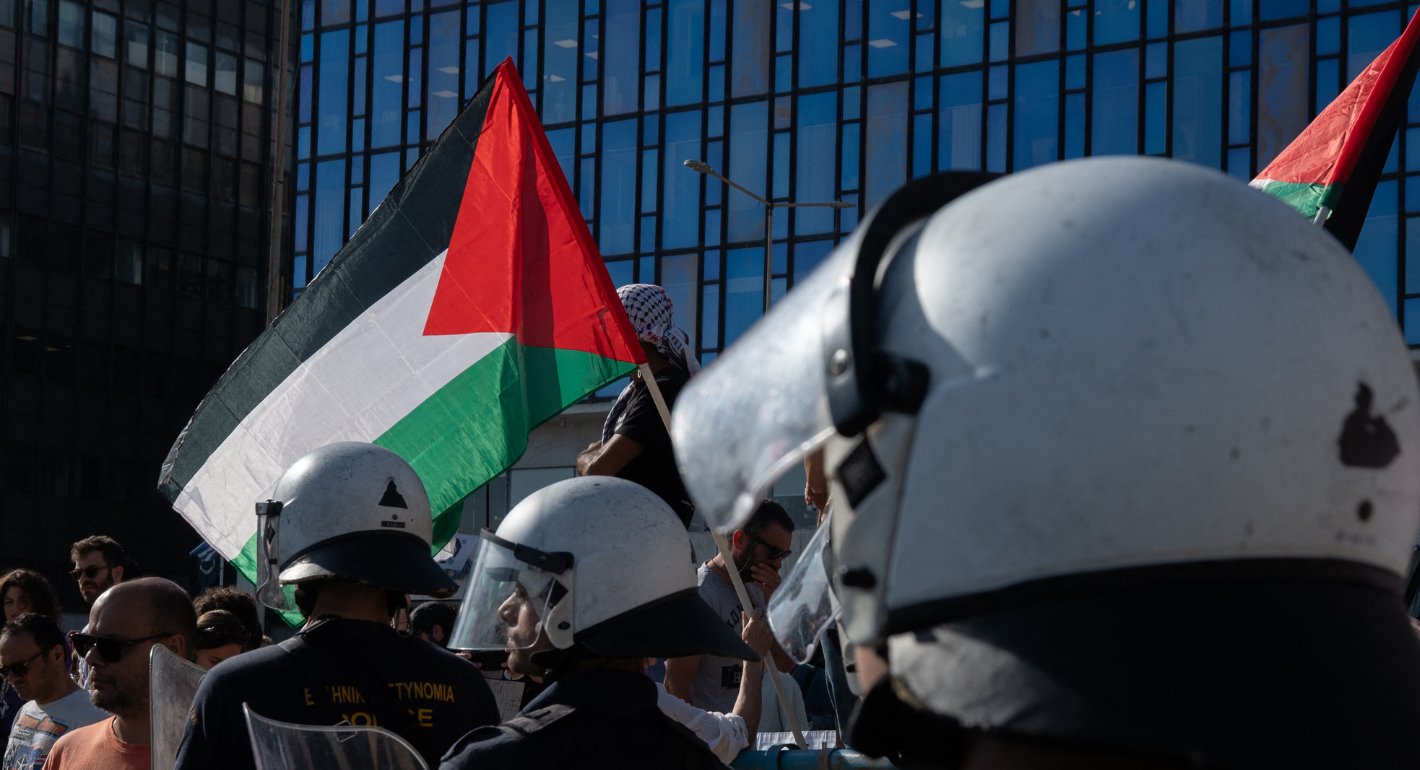
The battle over free speech has taken center stage since U.S. Vice President JD Vance accused Europe of censorship. From travel bans to social media regulation, especially around the Israel-Palestine conflict, are liberal democratic governments weaponizing free speech?

Rym Momtaz, ed.
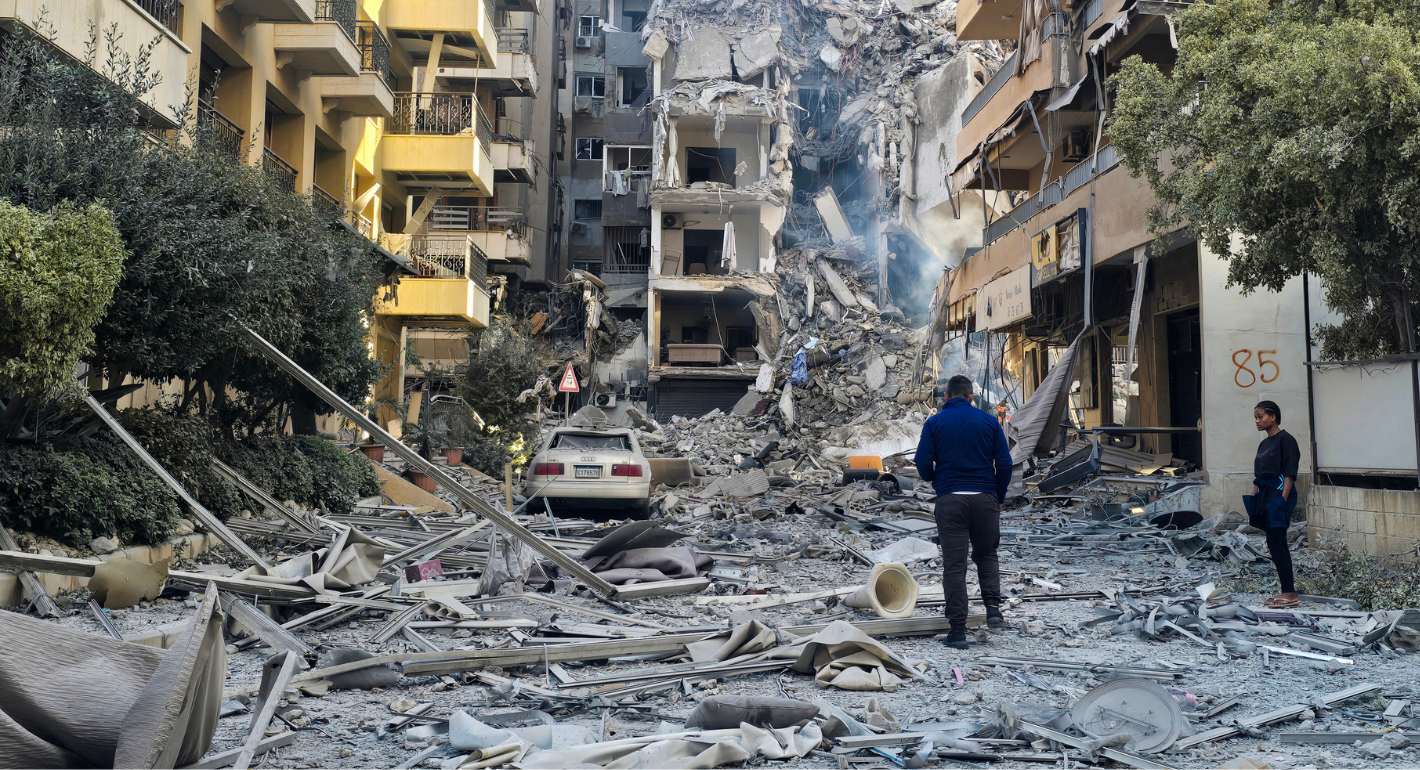
Europe seems to have accepted its sidelining in the Middle East. The EU must reassert its support for the international rules-based order and step up engagement.
Rym Momtaz
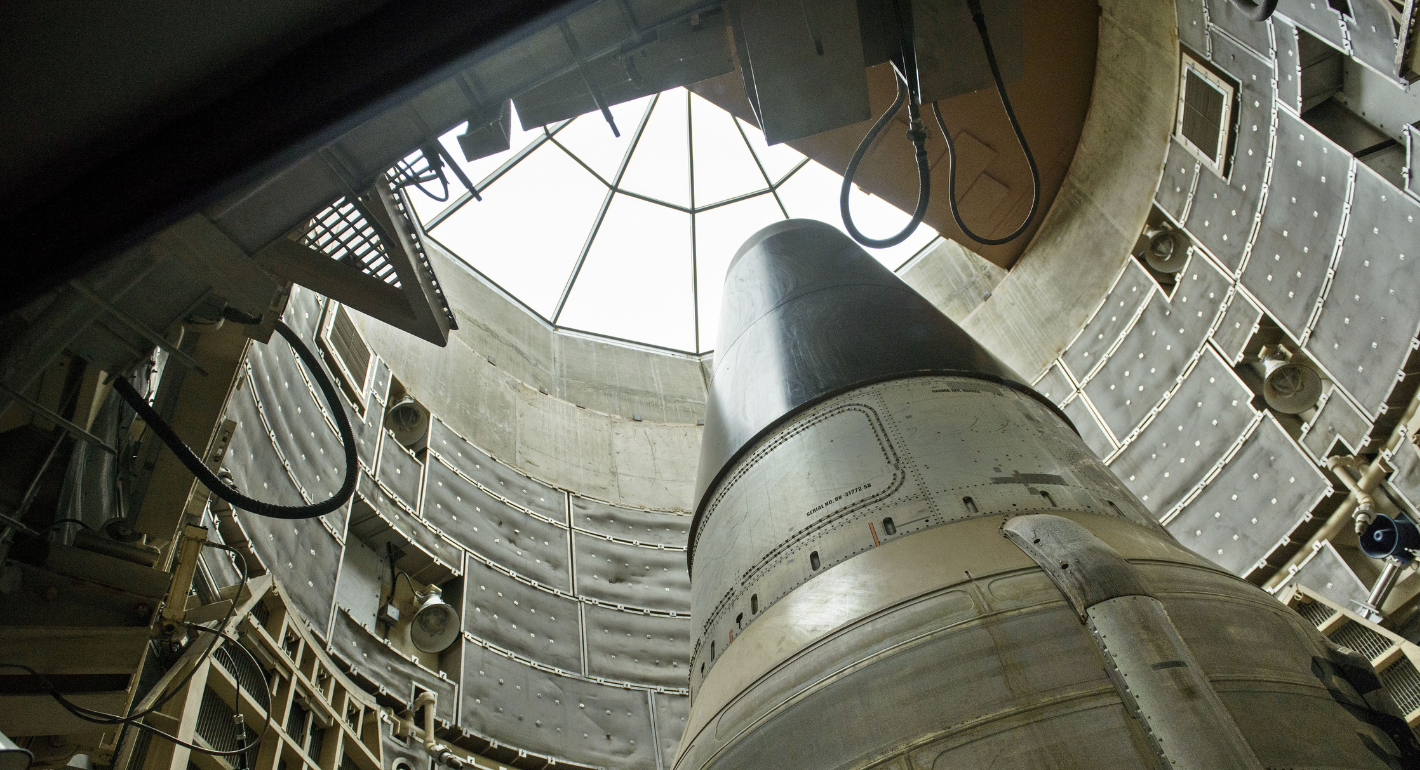
Amid uncertainty caused by the Iran war, the global drive for nonproliferation has stalled. With Europe diplomatically marginalized and countries reassessing their nuclear options, efforts to curb the spread of nuclear weapons risk becoming irrelevant.

Jane Darby Menton
Preparing candidate countries for EU membership is no longer enough. As the enlargement process becomes a reality, the union must also prepare its own societies.

Iliriana Gjoni
Five countries staged the biggest political boycott in Eurovision history over Israel’s participation. With the FIFA World Cup and other sporting or cultural touchstones on the horizon, are boycotts effective?
Rym Momtaz, ed.