• Research
  • Emissary
  • About
  • Experts
Carnegie Global logoCarnegie lettermark logo
Democracy
  • Donate
{
  "authors": [
    "Toby Dalton",
    "Mansoor Ahmed",
    "Muhammad Tehsin"
  ],
  "type": "event",
  "centerAffiliationAll": "dc",
  "centers": [
    "Carnegie Endowment for International Peace"
  ],
  "collections": [],
  "englishNewsletterAll": "",
  "nonEnglishNewsletterAll": "",
  "primaryCenter": "Carnegie Endowment for International Peace",
  "programAffiliation": "NPP",
  "programs": [
    "Nuclear Policy"
  ],
  "projects": [],
  "regions": [
    "South Asia",
    "Pakistan"
  ],
  "topics": [
    "Security",
    "Nuclear Policy"
  ]
}
Event

Pakistan’s Strategic Culture and Organizational Behavior: Implications for Counterterrorism and Nuclear Weapons Development

Thu, January 16th, 2014

Washington, D.C.

Link Copied
Program mobile hero image

Program

Nuclear Policy

The Nuclear Policy Program aims to reduce the risk of nuclear war. Our experts diagnose acute risks stemming from technical and geopolitical developments, generate pragmatic solutions, and use our global network to advance risk-reduction policies. Our work covers deterrence, disarmament, arms control, nonproliferation, and nuclear energy.

Learn More

Pakistan is variously described as the world’s most dangerous place and the state with the fastest growing nuclear program. But such characterizations obscure the drivers of Pakistan’s approaches to its internal and external security challenges. These drivers include Pakistan’s strategic culture and specific organizational features of its national command authority.

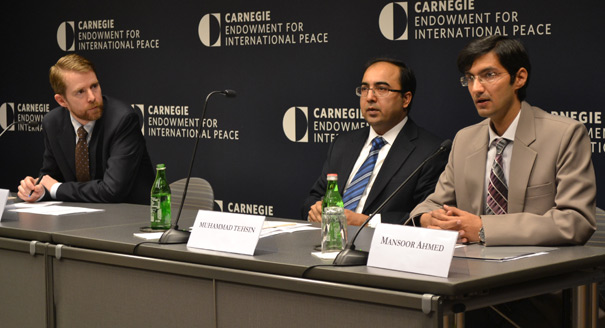
The Carnegie Endowment for International Peace hosted two Pakistani scholars, both currently serving as visiting fellows at the Cooperative Monitoring Center at Sandia National Laboratories, for a discussion of how Pakistan’s strategic culture and organizational behavior impact its approach to counterterrorism and nuclear weapons development. Toby Dalton moderated.

Mansoor Ahmed

Mansoor Ahmed is a lecturer in the Department of Defense and Strategic Studies at Quaid-i-Azam University in Islamabad. Previously, he served in the Pakistan Audit and Accounts Service as a civil servant. He was also a research assistant to Feroz Hassan Khan on the book Eating Grass: The Making of the Pakistani Bomb (Stanford University Press, 2012).

Muhammad Tehsin

Muhammad Tehsin is a tenure-track assistant professor in the Department of Defence and Strategic Studies at Quaid-i-Azam University in Islamabad. His work seeks to explore the interconnectedness of Iranian nuclear research, Afghan-Pakistani stability, and U.S. security.

Toby Dalton

Toby Dalton is the deputy director of the Nuclear Policy Program at the Carnegie Endowment for International Peace. An expert on nonproliferation and nuclear energy, his research focuses on cooperative nuclear security initiatives and the management of nuclear challenges in South Asia and East Asia.
 

South AsiaPakistanSecurityNuclear Policy

Event Speakers

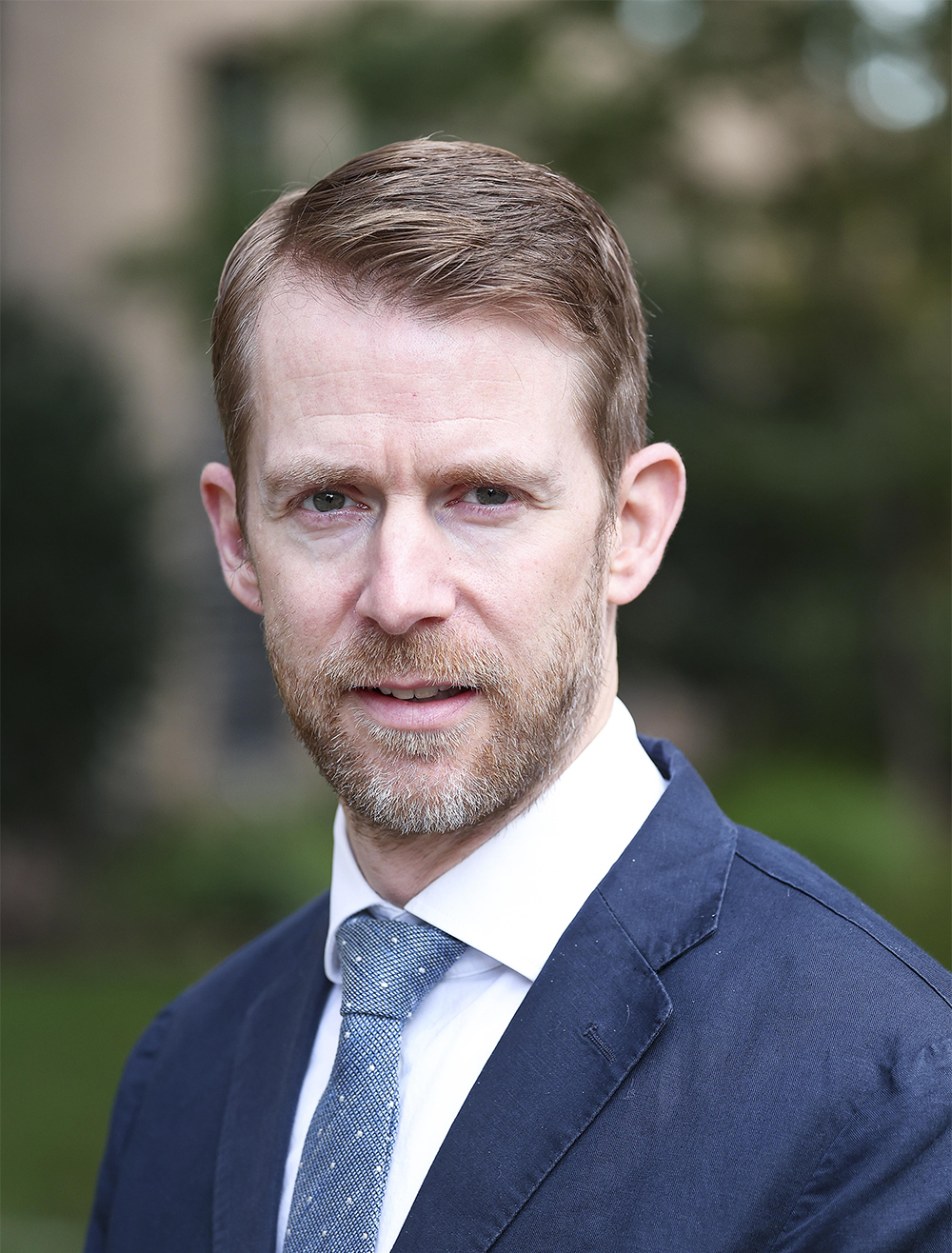
Toby Dalton
Senior Fellow and Co-director, Nuclear Policy Program
Toby Dalton
Mansoor Ahmed

Mansoor Ahmed is a 2015–2016 Stanton Nuclear Security Junior Faculty Fellow at the Belfer Center for Science and International Affairs at the Harvard Kennedy School of Government.

Muhammad Tehsin

Carnegie does not take institutional positions on public policy issues; the views represented herein are those of the author(s) and do not necessarily reflect the views of Carnegie, its staff, or its trustees.

Event Speakers

Toby Dalton

Senior Fellow and Co-director, Nuclear Policy Program

Toby Dalton is a senior fellow and co-director of the Nuclear Policy Program at the Carnegie Endowment. An expert on nonproliferation and nuclear energy, his work addresses regional security challenges and the evolution of the global nuclear order.

Mansoor Ahmed

Mansoor Ahmed is a 2015–2016 Stanton Nuclear Security Junior Faculty Fellow at the Belfer Center for Science and International Affairs at the Harvard Kennedy School of Government.

Muhammad Tehsin

Get more news and analysis from
Carnegie Endowment for International Peace
Carnegie global logo, stacked
1779 Massachusetts Avenue NWWashington, DC, 20036-2103Phone: 202 483 7600Fax: 202 483 1840
  • Research
  • Emissary
  • About
  • Experts
  • Donate
  • Programs
  • Events
  • Blogs
  • Podcasts
  • Contact
  • Annual Reports
  • Careers
  • Privacy
  • For Media
  • Government Resources
Get more news and analysis from
Carnegie Endowment for International Peace
© 2026 Carnegie Endowment for International Peace. All rights reserved.