

{
  "authors": [
    "John Sopko",
    "Sarah Chayes"
  ],
  "type": "event",
  "centerAffiliationAll": "dc",
  "centers": [
    "Carnegie Endowment for International Peace"
  ],
  "collections": [],
  "englishNewsletterAll": "democracy",
  "nonEnglishNewsletterAll": "",
  "primaryCenter": "Carnegie Endowment for International Peace",
  "programAffiliation": "DCG",
  "programs": [
    "Democracy, Conflict, and Governance",
    "South Asia"
  ],
  "projects": [],
  "regions": [
    "South Asia",
    "Afghanistan"
  ],
  "topics": [
    "Democracy",
    "Economy",
    "Security",
    "Military",
    "Foreign Policy"
  ]
}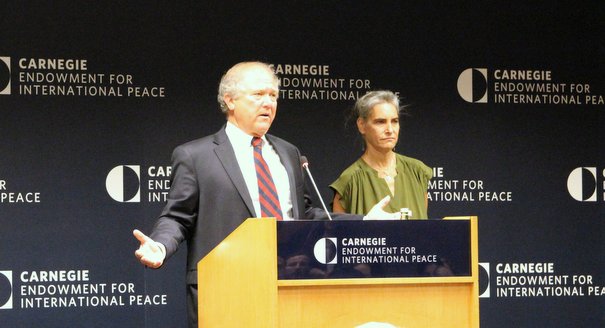
John F. Sopko on Countering Corruption in Afghanistan
Wed, September 14th, 2016
Washington, DC
Corruption hardly topped the threat list when U.S. military forces and civilians first entered Afghanistan in 2001. But recognition of its devastating potential to undermine U.S. national security objectives is far higher today. Despite a myriad of U.S. efforts, however, corruption remains deeply entrenched in Afghanistan. It undermines the government’s legitimacy, enables an emboldened insurgency, and puts at risk the gains from U.S. taxpayers’ nearly $115 billion investment in reconstruction.
The Office of the Special Inspector General for Afghanistan Reconstruction (SIGAR) has publicly reported on corruption in Afghanistan since 2008. Now SIGAR is releasing its first lessons learned report, on U.S. efforts to address the Afghan corruption problem: Corruption in Conflict: Lessons from the U.S. Experience in Afghanistan. John F. Sopko explored the U.S. experience fighting corruption in Afghanistan and its broader implications, and detailed recommendations to Congress and policy makers to improve such efforts in current and future contingency operations.
John F. Sopko
John F. Sopko was sworn in as special inspector general for Afghanistan reconstruction on July 2, 2012. Sopko was appointed to the post by U.S. President Barack Obama and has more than thirty years of experience in oversight and investigations as a prosecutor, congressional counsel, and senior federal government adviser.
Sarah Chayes
Sarah Chayes, a senior associate in Carnegie’s Democracy and Rule of Law program, is the author of Thieves of State: Why Corruption Threatens Global Security. Her work explores how severe corruption can help prompt such crises as terrorism, revolutions and their violent aftermaths, and environmental degradation.
Carnegie does not take institutional positions on public policy issues; the views represented herein are those of the author(s) and do not necessarily reflect the views of Carnegie, its staff, or its trustees.
Event Speakers
John Sopko
Former Senior Fellow, Democracy, Conflict, and Governance Program
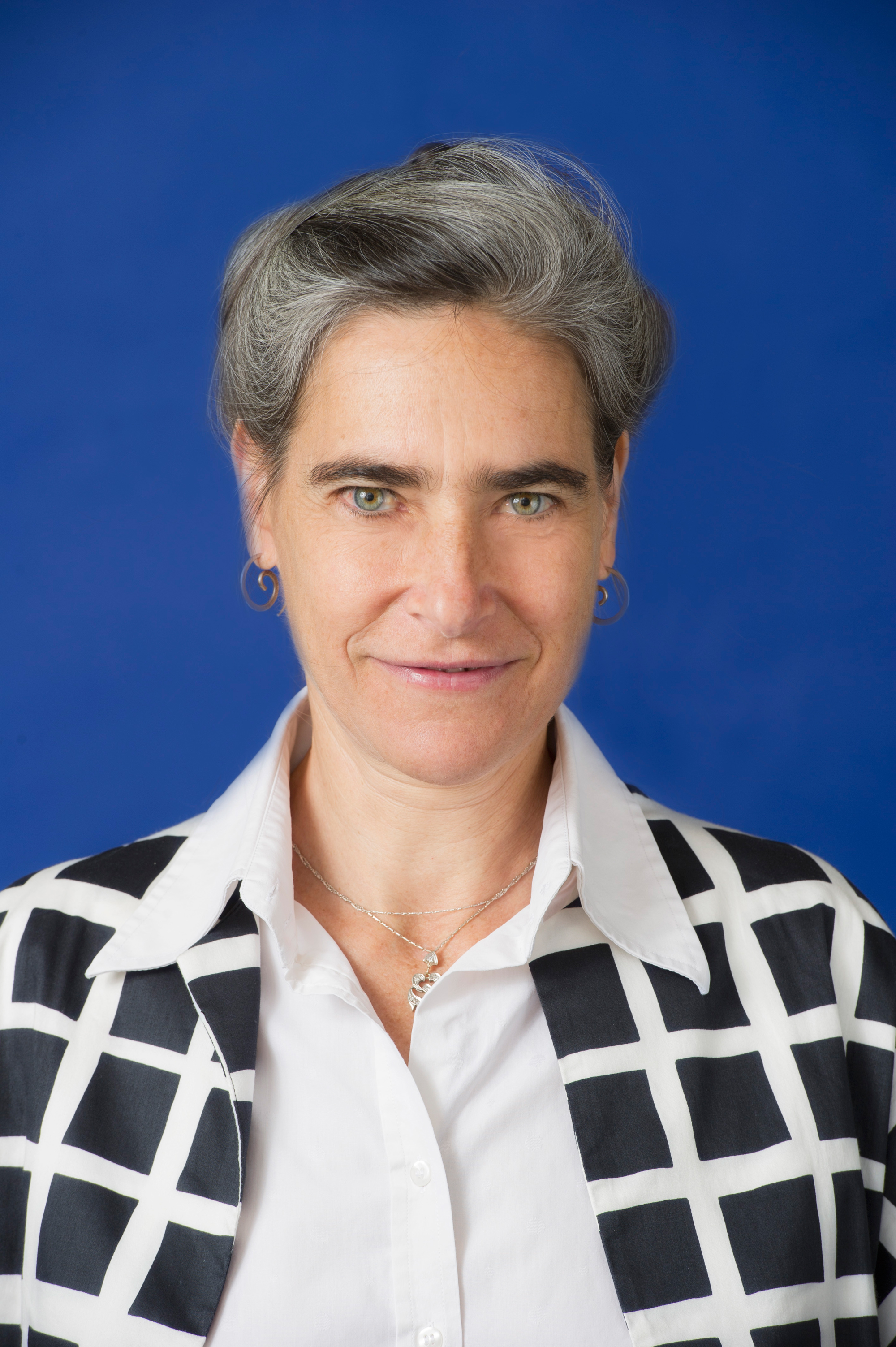
Sarah Chayes is internationally recognized for her innovative thinking on corruption and its implications. Her work explores how severe corruption can help prompt such crises as terrorism, revolutions and their violent aftermaths, and environmental degradation.