

{
  "authors": [
    "Jihad Azour",
    "Amer Bisat",
    "Moisés Naím",
    "Maha Yahya"
  ],
  "type": "event",
  "centerAffiliationAll": "dc",
  "centers": [
    "Carnegie Endowment for International Peace",
    "Malcolm H. Kerr Carnegie Middle East Center"
  ],
  "collections": [
    "Coronavirus"
  ],
  "englishNewsletterAll": "asia",
  "nonEnglishNewsletterAll": "",
  "primaryCenter": "Malcolm H. Kerr Carnegie Middle East Center",
  "programAffiliation": "AP",
  "programs": [
    "Asia",
    "American Statecraft",
    "Middle East"
  ],
  "projects": [],
  "regions": [
    "Middle East",
    "East Asia",
    "China",
    "Levant",
    "North America"
  ],
  "topics": [
    "Political Reform",
    "Economy",
    "Global Governance"
  ]
}
Crisis Upon Crisis: The Geopolitical & Economic Implications of the Pandemic
Wed, April 1st, 2020
YouTube @CarnegieMENA
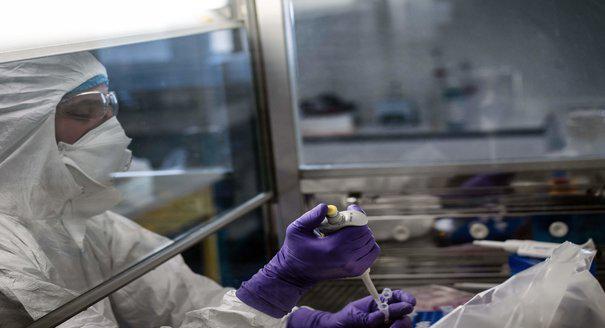
With well over 870,000 confirmed infections and 40,000 deaths worldwide, COVID-19, the disease caused by the fast-spreading new coronavirus, has caused global havoc. Beyond the devastating human toll, this pandemic has caused global supply and demand shocks, economic turmoil, and financial market collapse, with the likely onset of a global recession. Oil prices have plummeted as pandemic-related policies, including global travel restrictions, have decreased demand. Measures to contain the pandemic have hurt key sectors such as tourism and disrupted production, manufacturing, and trade, leading to significant job losses. For the Middle East and North Africa—especially fragile and conflict-ridden countries such as Iraq, Syria, Yemen, and Libya—the virus has become a major near-term challenge. Before the virus struck, many countries in the region were already facing significant economic and political challenges, including crumbling healthcare systems. Today, there are those that are incapable of providing necessary stimulus packages to their economies.
In this broader context, what are the prospects for global economic and financial systems in the coming months? What implications will the coronavirus have on the geopolitics and economics of the Middle East and North Africa? Similarly, how are other regions reacting, for instance Latin America? What are the available policy options to address the economic and financial fallout of the pandemic?
The Carnegie Middle East Center held a live online discussion on Wednesday, April 1 from 5:30 to 6:30 p.m. (GMT+3) on the Carnegie Middle East Center’s YouTube page. The event was held in English. Closed captioning in Arabic is also available.
EVENT TIMINGS
Washington (ET): 10:30-11:30 a.m.
São Paolo (BST): 11:30 a.m.-12:30 p.m.
Brussels (CET): 4:30-5:30 p.m.
Beirut, Moscow (EEST): 5:30-6:30 p.m.
New Delhi (IST): 8:00-9:00 p.m.
Beijing (CST): 10:30-11:30 p.m.
SPEAKERS
Jihad Azour is the director of the Middle East and Central Asia Department at the International Monetary Fund.
Amer Bisat is the managing director at Blackrock and a former senior economist at the International Monetary Fund.
Moisés Naím is a distinguished fellow at the Carnegie Endowment for International Peace, where his research focuses on international economics and global politics.
CHAIR
Maha Yahya is the director of the Carnegie Middle East Center.
Carnegie does not take institutional positions on public policy issues; the views represented herein are those of the author(s) and do not necessarily reflect the views of Carnegie, its staff, or its trustees.
Event Speakers
Jihad Azour
Director of the Middle East and Central Asia Department at the International Monetary Fund
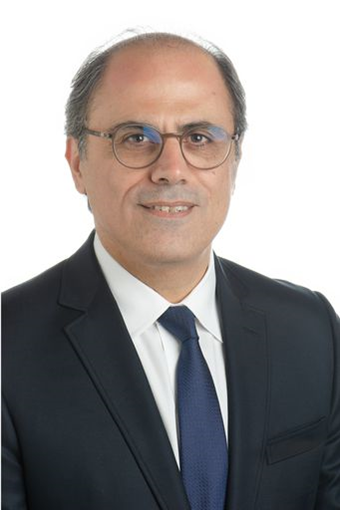
Director of the Middle East and Central Asia Department at the International Monetary Fund where he oversees the Fund’s work in the Middle East, North Africa, Central Asia and Caucasus.
Amer Bisat
Minister of Economy and Trade of Lebanon
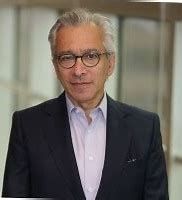
Amer Bisat is the Minister of Economy and Trade of Lebanon.
Distinguished Fellow

Moisés Naím is a distinguished fellow at the Carnegie Endowment for International Peace, a best-selling author, and an internationally syndicated columnist.
Director, Malcolm H. Kerr Carnegie Middle East Center

Maha Yahya is director of the Malcolm H. Kerr Carnegie Middle East Center, where her research focuses on citizenship, pluralism, and social justice in the aftermath of the Arab uprisings.