

{
  "authors": [
    "Rosa Balfour",
    "Evan A. Feigenbaum",
    "Dmitri Trenin",
    "Maha Yahya"
  ],
  "type": "event",
  "centerAffiliationAll": "dc",
  "centers": [
    "Carnegie Endowment for International Peace",
    "Malcolm H. Kerr Carnegie Middle East Center"
  ],
  "collections": [],
  "englishNewsletterAll": "asia",
  "nonEnglishNewsletterAll": "",
  "primaryCenter": "Malcolm H. Kerr Carnegie Middle East Center",
  "programAffiliation": "AP",
  "programs": [
    "Asia",
    "Russia and Eurasia",
    "Democracy, Conflict, and Governance",
    "American Statecraft",
    "Middle East",
    "Europe"
  ],
  "projects": [],
  "regions": [
    "North America",
    "United States",
    "Middle East",
    "East Asia",
    "China",
    "Russia",
    "Western Europe",
    "Iran"
  ],
  "topics": [
    "Political Reform",
    "Economy",
    "Foreign Policy"
  ]
}
A New Chapter in Middle East Foreign Policy?
Wed, April 29th, 2020
YouTube @CarnegieMENA
As world powers struggle to slow the spread of COVID-19, countries across the Middle East are mulling over this pandemic's impact on the regional power balance and foreign policy. The status-quo has shifted considerably. Oil prices and the OPEC Plus agreement have collapsed, Idlib has seen a temporary halt in fighting, the conflicts in Libya and Yemen have escalated even further, labor markets are shifting dramatically, and capital flight is a looming threat.
China has expanded its presence across the region, from Oman in the Gulf to Egypt and Algeria in North Africa. How will the current U.S.-Chinese rivalry play out in the region after the pandemic? Will Russia’s looming economic crisis have an effect on the Kremlin’s Middle East policy? Given the pandemic's impact on Europe's economies, can the European Union fund recovery efforts in the Middle East?
The Carnegie Middle East Center held a live virtual discussion on Wednesday, April 29 on the Carnegie Middle East Center’s YouTube page.
SPEAKERS
Rosa Balfour is the director of Carnegie Europe.
Evan Feigenbaum is vice president for studies at the Carnegie Endowment.
Dmitri Trenin is the director of the Carnegie Moscow Center.
CHAIR
Maha Yahya is the director of the Carnegie Middle East Center.
EVENT TIMINGS
Washington (EDT): 10:30-11:30 a.m.
Brussels (CEST): 4:30-5:30 p.m.
Beirut, Moscow (EEST): 5:30-6:30 p.m.
New Delhi (IST): 8:00-9:00 p.m.
Beijing (CST): 10:30-11:30 p.m.
Carnegie does not take institutional positions on public policy issues; the views represented herein are those of the author(s) and do not necessarily reflect the views of Carnegie, its staff, or its trustees.
Event Speakers
Director, Carnegie Europe

Rosa Balfour is the director of Carnegie Europe. Her fields of expertise include European politics, institutions, and foreign and security policy.
Vice President for Studies

Evan A. Feigenbaum is vice president for studies at the Carnegie Endowment for International Peace, where he oversees work at its offices in Washington, New Delhi, and Singapore on a dynamic region encompassing both East Asia and South Asia. He served twice as Deputy Assistant Secretary of State and advised two Secretaries of State and a former Treasury Secretary on Asia.
Former Director, Carnegie Moscow Center
Trenin was director of the Carnegie Moscow Center from 2008 to early 2022.
Director, Malcolm H. Kerr Carnegie Middle East Center
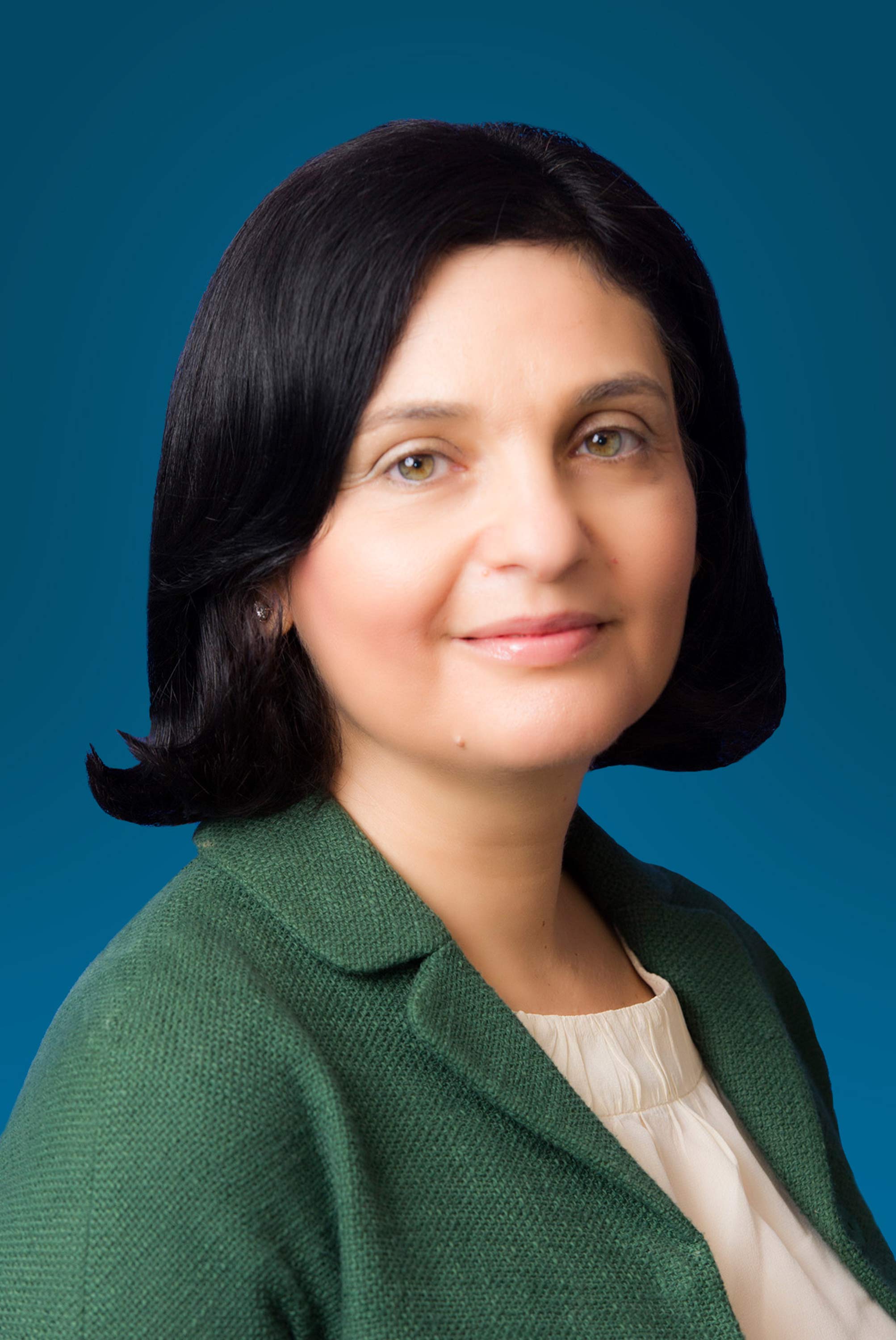
Maha Yahya is director of the Malcolm H. Kerr Carnegie Middle East Center, where her research focuses on citizenship, pluralism, and social justice in the aftermath of the Arab uprisings.