

Podcast Episode
Join Aaron David Miller as he engages Jake Sullivan in a wide-ranging conversation on the challenges the United States confronts in a complicated world on Carnegie Connects.
Aaron David Miller, Jake Sullivan
Congresswoman Mikie Sherrill joins Aaron David Miller for a timely conversation on the role of Congress in U.S. foreign policy and some of today's key issues.
Congress is more involved in foreign policy — both formally and informally — than most Americans realize. With the war in Ukraine entering its third year, the Israeli-Hamas war continuing with no end in sight, and economic competition with China rising, Congress is likely to take a greater interest and have more influence on foreign policy in the coming year.
How divided is Congress on the key foreign policy issues of the day? Will party lines determine the passage of a $60 billion aid package for Ukraine or a possible ban of TikTok? And what issues offer the best prospects for bipartisan cooperation? Join Aaron David Miller, host of Carnegie Connects, as he sits down with Representative Mikie Sherrill (D-NJ) to discuss these and other issues.
Carnegie does not take institutional positions on public policy issues; the views represented herein are those of the author(s) and do not necessarily reflect the views of Carnegie, its staff, or its trustees.
Join Aaron David Miller as he engages Jake Sullivan in a wide-ranging conversation on the challenges the United States confronts in a complicated world on Carnegie Connects.

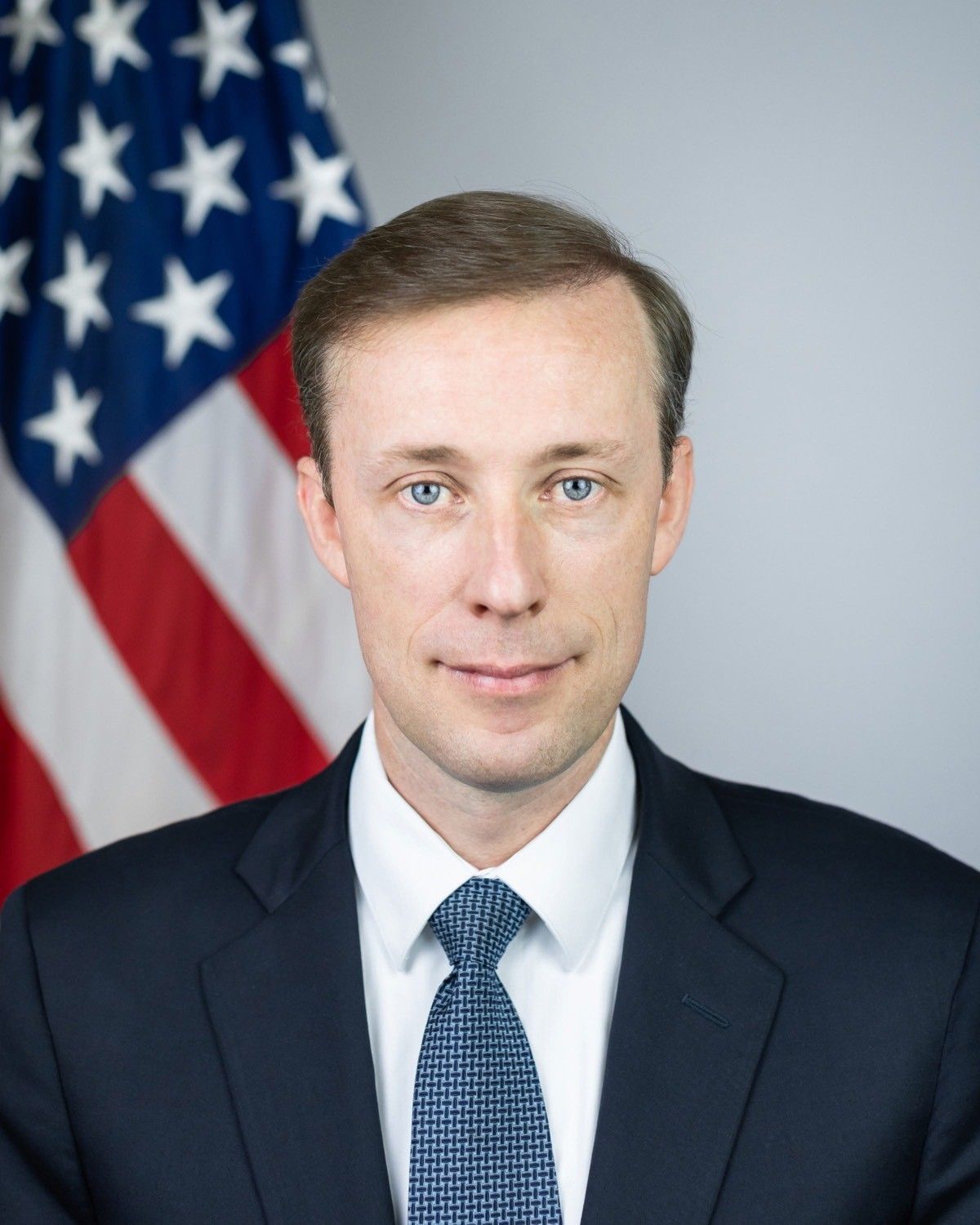
Aaron David Miller, Jake Sullivan
Join Aaron David Miller in conversation with CSIS’s Daniel Byman, Rand’s Shira Efron, and Middle East Institute’s Jaser AbuMousa on the impact of October 7th on Israel, U.S.-Israeli relations, and the broader region, on Carnegie Connects.
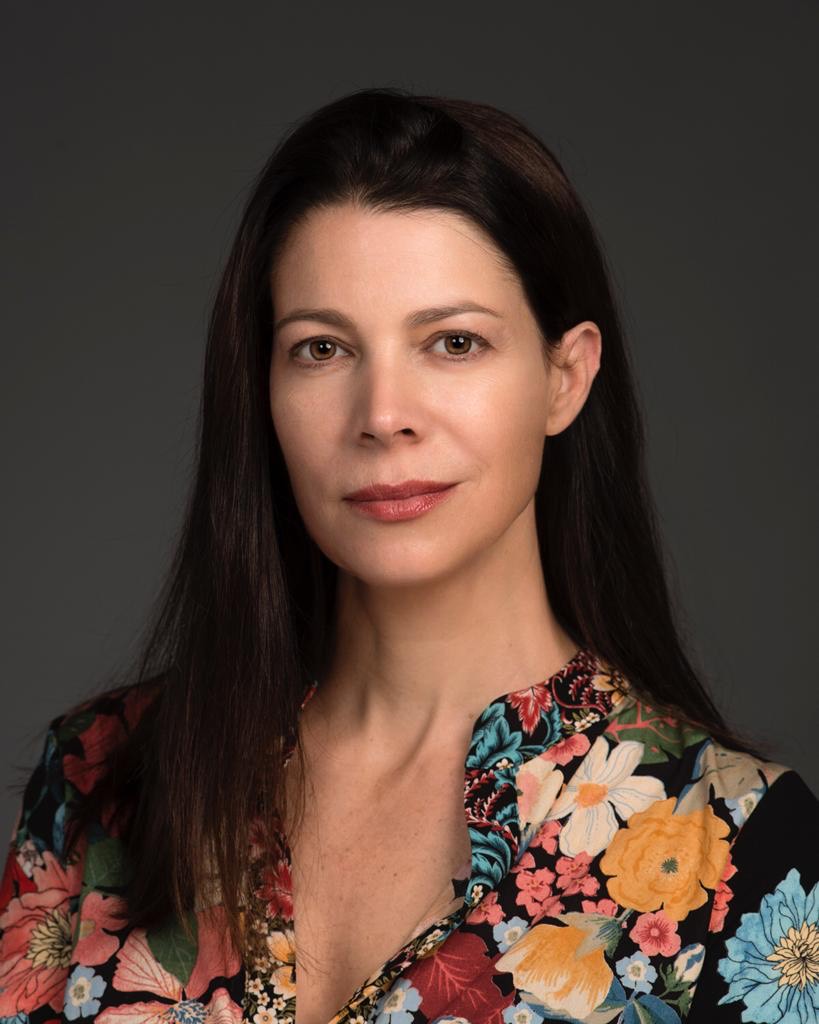
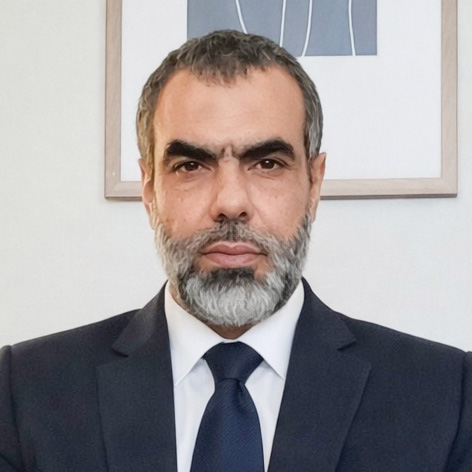
Aaron David Miller, Shira Efron, Jaser AbuMousa, …
Join Aaron David Miller as he engages Helima Croft, managing director and global head of commodity strategy at RBC Capital Markets, in a wide-ranging conversation about the geopolitics and economics of the Iran war and its impact on global oil supply, on Carnegie Connects.
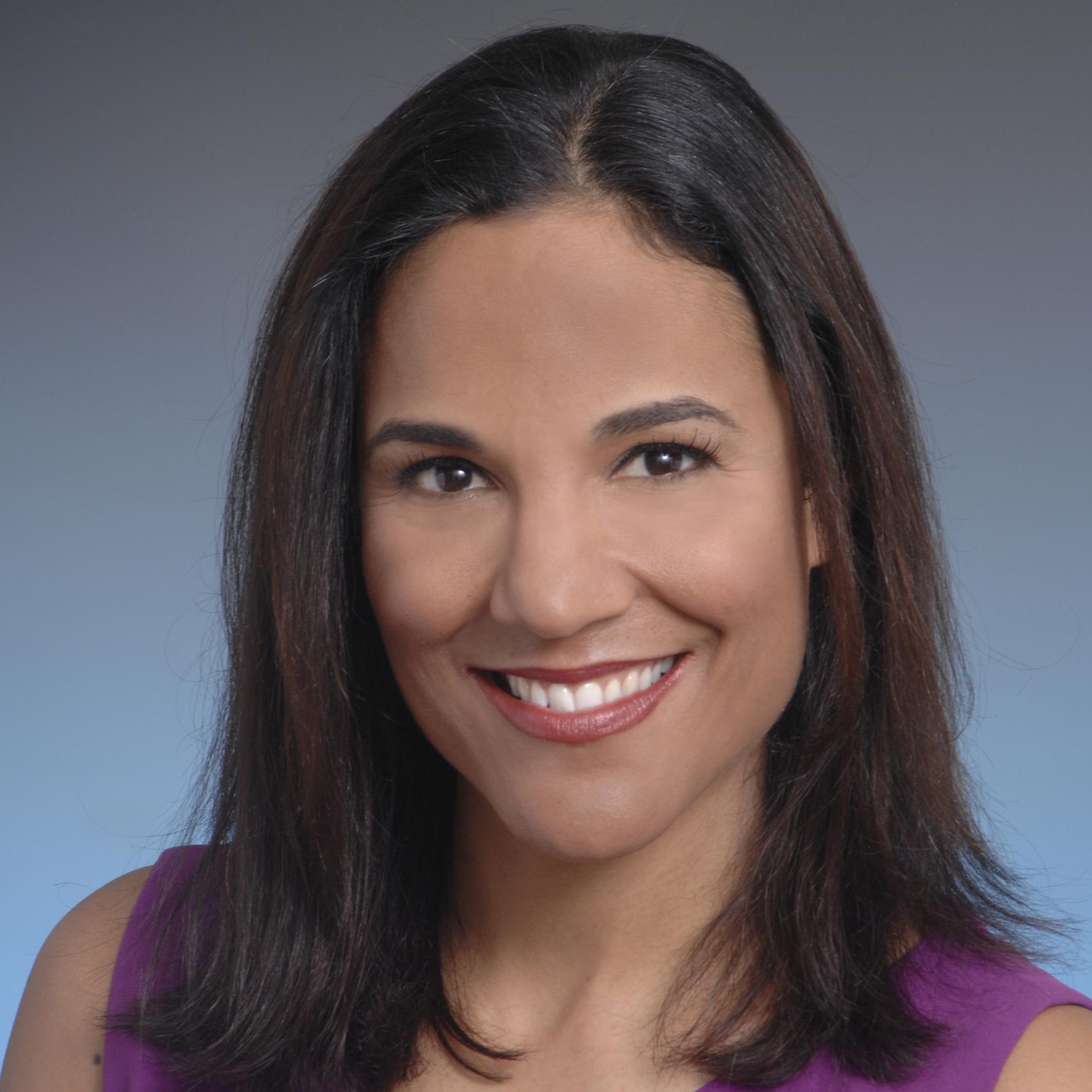
Aaron David Miller, Helima Croft
Join Aaron David Miller as he engages the Brookings Institution's Philip Gordon, the McCain Institute’s Nick Rasmussen, and The New Yorker's Susan B. Glasser on the impact of September 11th, on Carnegie Connects.

Aaron David Miller, Susan B. Glasser, Nicholas Rasmussen, …
Join Aaron David Miller as he engages Princeton University’s Daniel Kurtzer, the Middle East Institute’s Yael Lempert, and the University of Maryland’s Shibley Telhami, in a wide-ranging discussion of the future of the U.S.-Israeli relationship, on Carnegie Connects.
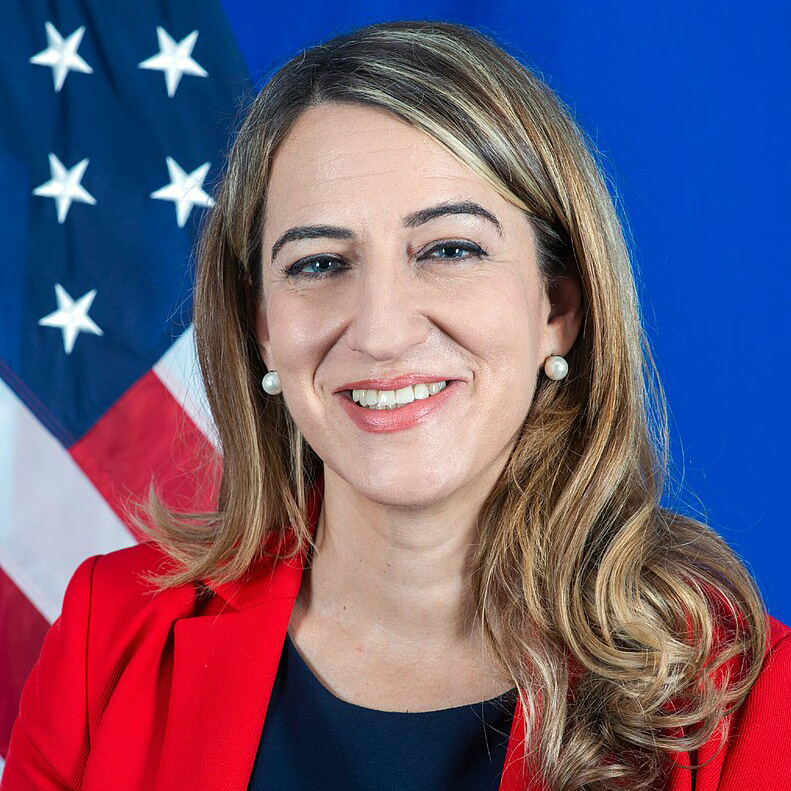

Aaron David Miller, Yael Lempert, Shibley Telhami, …