• Research
  • Emissary
  • About
  • Experts
Carnegie Global logoCarnegie lettermark logo
DemocracyIran
  • Donate
Podcast Episode

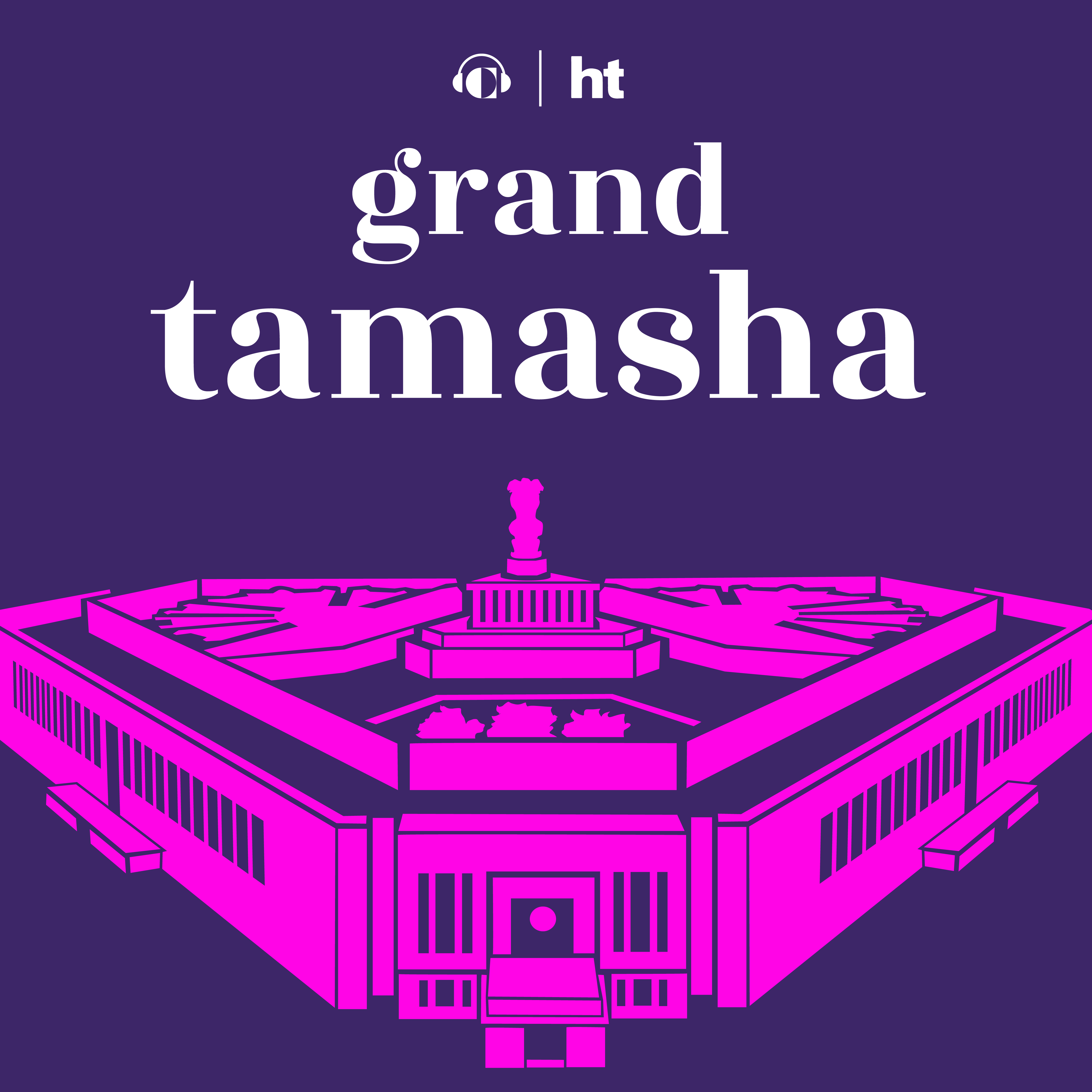
Identifying the New India

Journalist Rahul Bhatia shares the latest on his new book exploring Aadhar, India's biometric identification program, and its wide-reaching impacts on Indian democracy and society.

Link Copied
By Milan Vaishnav and Rahul Bhatia
Published on Sep 25, 2024

Subscribe on

Apple PodcastsOvercastSpotifyYoutube

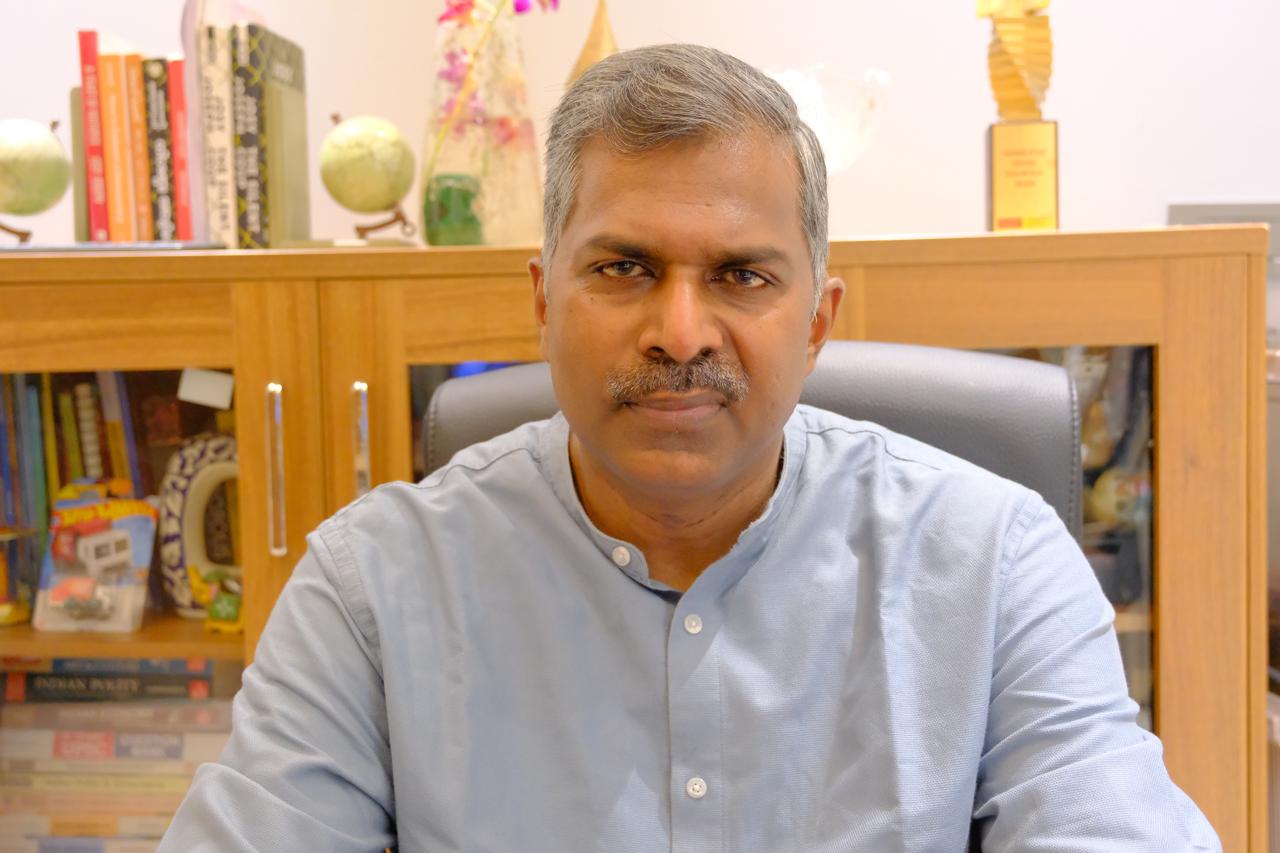
The Identity Project: The Unmaking of a Democracy is a new book by the journalist Rahul Bhatia. Many Grand Tamasha listeners will recognize Rahul’s byline in revered publications like the New Yorker, the Guardian, and Caravan. He’s written celebrated profiles of everyone from Arnab Goswami to cricket chief N. Srinivasan. And his reporting has taken on subjects from Baba Ramdev’s business empire to the COVID-19 pandemic.

His new book is based on six years of research and reportage from across India, where he set out on a quest to understand the ideological moorings of what we have come to call “the New India.” To talk more about his book and the state of democracy in India, Rahul joins Milan on the podcast this week.

The two discuss Rahul’s reporting on Aadhaar—India’s unique biometric identification program—and its precursors, the Hindu nationalist push for a new national citizenship regime, and the inner workings of the Indian state’s coercive power. Plus, the two discuss whether and how the results of India’s 2024 election have been a setback to the cause of Hindu nationalism.

Episode notes:

1. Rahul Bhatia, “The trials of an Indian witness: how a Muslim man was caught in a legal nightmare,” The Guardian, March 2, 2023.

2. Rahul Bhatia, “How India’s Welfare Revolution Is Starving Citizens,” The New Yorker, May 16, 2018.

3. Rahul Bhatia, “The Year of Love Jihad in India,” The New Yorker, December 31, 2017.

4. Rahul Bhatia, “India Loves Data but Fails to Protect It,” New York Times, April 3, 2018.

5. “Governing India's Digital Revolution (with Rahul Matthan),” Grand Tamasha, January 24, 2024.

Hosted by

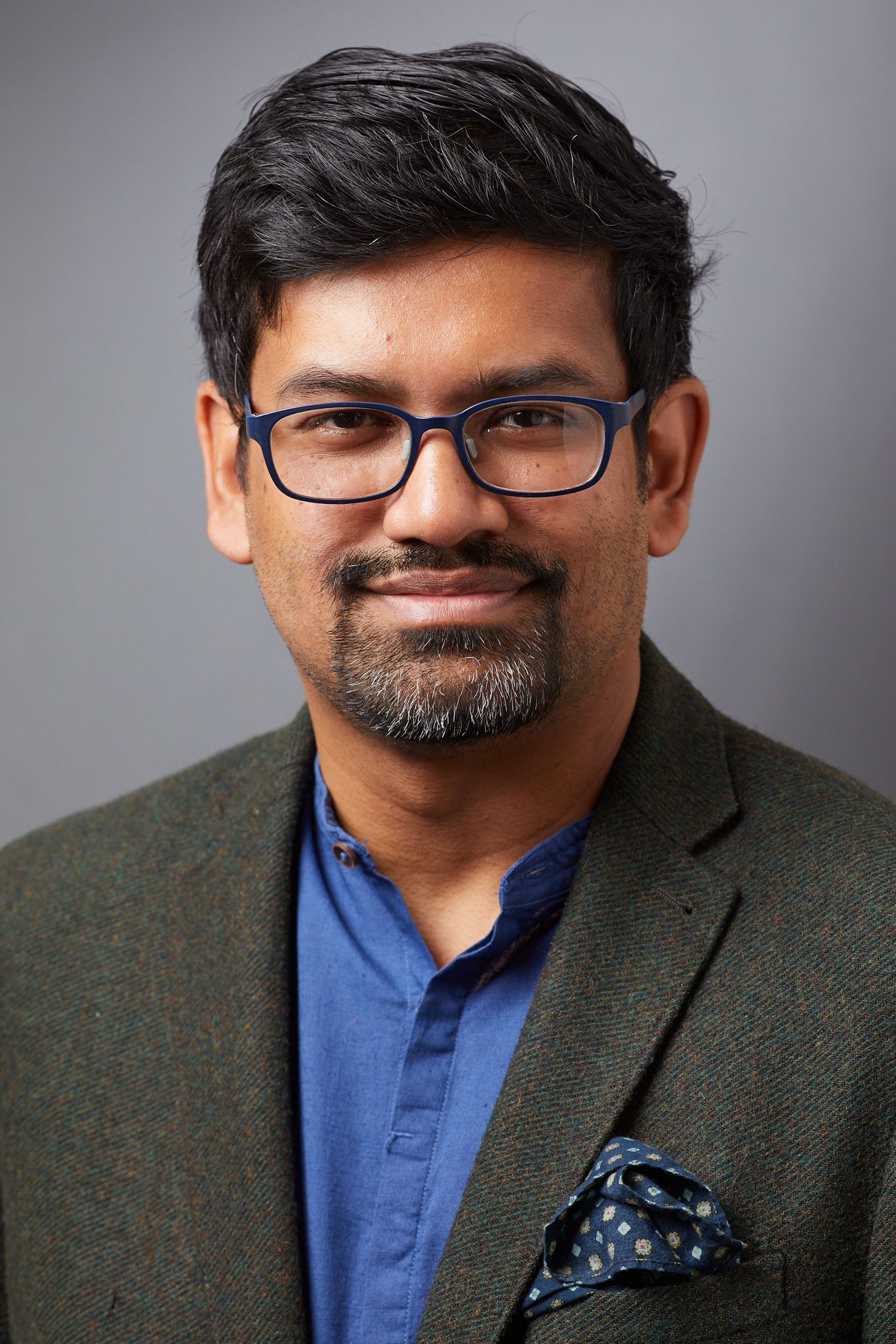
Milan Vaishnav
Director and Senior Fellow, South Asia Program
Milan Vaishnav
Rahul Bhatia

Journalist

Rahul Bhatia

Carnegie does not take institutional positions on public policy issues; the views represented herein are those of the author(s) and do not necessarily reflect the views of Carnegie, its staff, or its trustees.

More Work from Grand Tamasha

  • Podcast Episode
    India’s AI Moment?

    Just weeks ago, India hosted the 2026 AI Impact Summit, the latest chapter in a global process that began in 2023 in the UK. For the Modi government, the summit was part diplomatic showcase, part investment pitch, and part declaration of ambition. To talk more about the summit and its key takeaways, Milan is joined on the show this week by Anirudh Suri, a nonresident scholar with Carnegie India.

      Milan Vaishnav, Anirudh Suri

  • Podcast Episode
    Populism and the Politics of India’s Foreign Policy

    We tend to think of populist leaders around the world as disruptive. But a new book by scholars Sandra Destradi and Johannes Plagemann argues that the extent of change depends on key factors. Milan and Sandra discuss the definitional debates around populism, the conditional effects of populism on foreign policy, and the reasons for the Modi government’s differential approach to Pakistan and China.

      Milan Vaishnav, Sandra Destradi

  • Podcast Episode
    Europe’s Discovery of India

    Over the past year, Europe–India relations have entered a markedly upbeat phase. What was once a diffuse partnership now looks far more purposeful. To unpack what’s driving this convergence Milan is joined on the show this week by German Marshall Fund senior fellow Garima Mohan to discuss the geopolitical drivers that are bringing the EU and India closer together, Europe’s views on the limits to India’s potential, and the key takeaways from the EU-India FTA.

      Milan Vaishnav, Garima Mohan

  • Podcast Episode
    India’s Return to the Trade Game

    After years of trade skepticism, India appears to be back in the deal-making business—signing new agreements, reviving stalled talks, and announcing ambitious frameworks with key bilateral partners. To help make sense of what’s changed—and what hasn’t—Milan is joined by Mark Linscott, a nonresident senior fellow on India at the Atlantic Council who previously served as the assistant US trade representative for South and Central Asian Affairs from 2016 to 2018.

      • Mark Linscott

      Milan Vaishnav, Mark Linscott

  • Podcast Episode
    How India Lost the Neighborhood

    Over the past few years, South Asia has witnessed a striking wave of mass protests toppling governments and upending long-standing political arrangements in countries ranging from Bangladesh to Nepal and Sri Lanka. University of Pennsylvania Fellow Muhib Rahman joins Milan to discuss India’s illiberal hegemony in its neighborhood, the downturn in Bangladesh-India ties, and the enabling role of the United States.

      Milan Vaishnav, Muhib Rahman

Get more news and analysis from
Carnegie Endowment for International Peace
Carnegie global logo, stacked
1779 Massachusetts Avenue NWWashington, DC, 20036-2103Phone: 202 483 7600Fax: 202 483 1840
  • Research
  • Emissary
  • About
  • Experts
  • Donate
  • Programs
  • Events
  • Blogs
  • Podcasts
  • Contact
  • Annual Reports
  • Careers
  • Privacy
  • For Media
  • Government Resources
Get more news and analysis from
Carnegie Endowment for International Peace
© 2026 Carnegie Endowment for International Peace. All rights reserved.