• Research
  • Emissary
  • About
  • Experts
Carnegie Global logoCarnegie lettermark logo
Democracy
  • Donate
Podcast Episode

Taking On India's Patriarchal Political Order

Political scientist Soledad Artiz Prillaman and Milan Vaishnav explore the reasons behind Indian women's low levels of political involvement and how patriarchy plays a role.

Link Copied
By Milan Vaishnav and Soledad Artiz Prillaman
Published on Oct 22, 2024

Subscribe on

Apple PodcastsOvercastSpotifyYoutube

One of the most remarkable developments in Indian politics in recent years is the surge in female voter turnout. For the first several decades after Independence, women’s participation on Election Day lagged men’s by between 8 to 12 percentage points. In recent years, however, that gender gap has completely disappeared. In most state elections today, women turn out to vote with greater frequency than men.

But this good news story obscures a puzzling fact: while Indian women vote at high rates, they are markedly less involved than men in politics between elections. A new book by the political scientist Soledad Artiz Prillaman gives us an explanation of why.

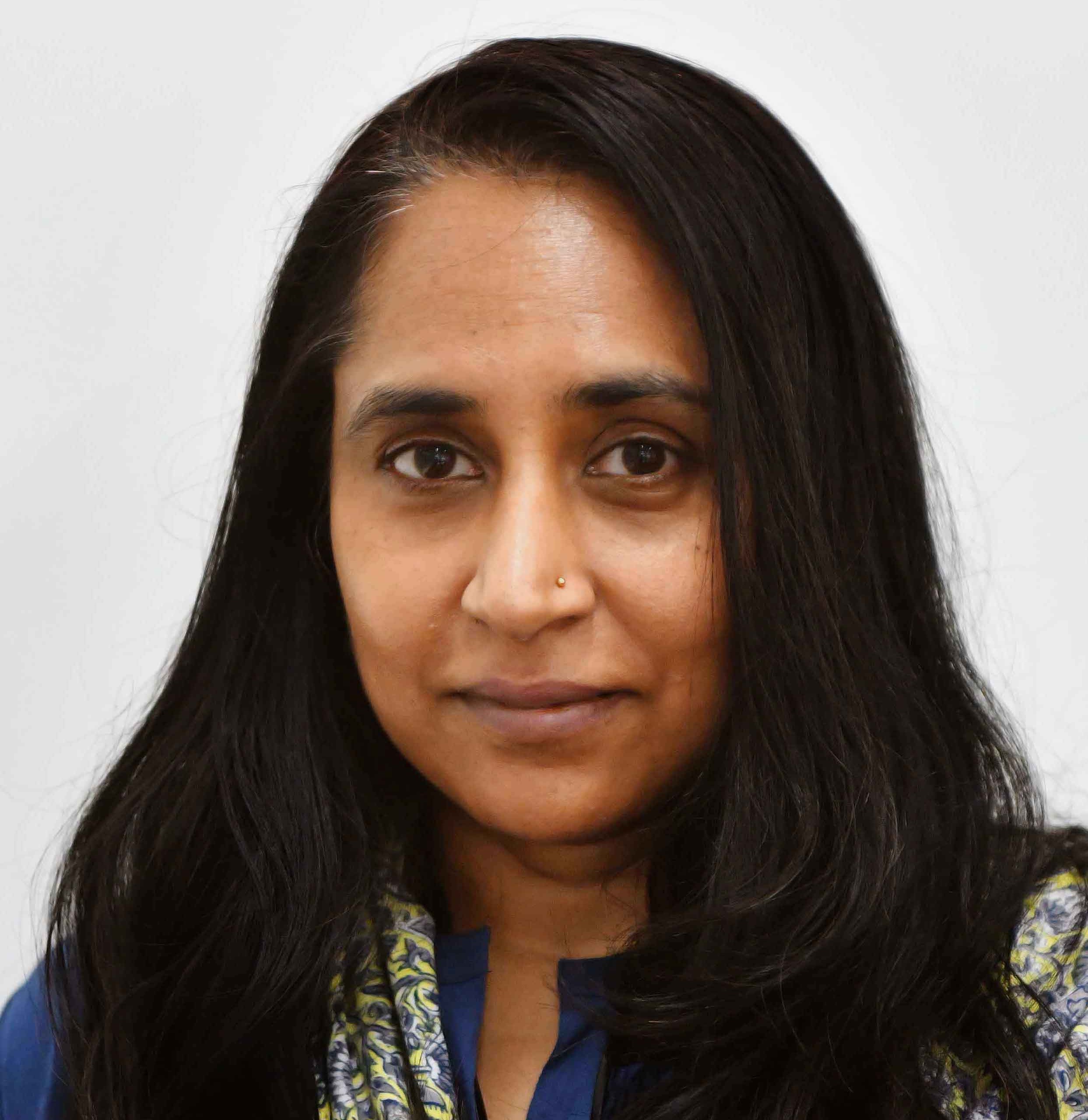
Soledad is an Assistant Professor of Political Science at Stanford University and the author of an award-winning new book, The Patriarchal Political Order: The Making and Unraveling of the Gendered Participation Gap in India.

She joins Milan on the show this week to talk about gender and politics and what can be done to ensure women have a seat at the table even when the electoral spotlight is off. The two debate the nature of coercive political power, the importance of social norms, and the ubiquity of patriarchy. Plus, the two discuss the backlash to women’s empowerment.

Episode notes:

1. Soledad Artiz Prillaman, “Strength in numbers: how women's groups close India's political gender gap,” American Journal of Political Science 67, no. 2 (2023): 390-410.

2. Gabi Kruks-Wisner, Claiming the State: Active Citizenship and Rural Welfare in India (New York: Cambridge University Press, 2018).

3. “What the Women's Reservation Bill Means for Women (with Carole Spary),” Grand Tamasha, October 25, 2023.

4. “Making the Indian Economy Work for Women (with Shaili Chopra,” Grand Tamasha, October 19, 2022.

Hosted by

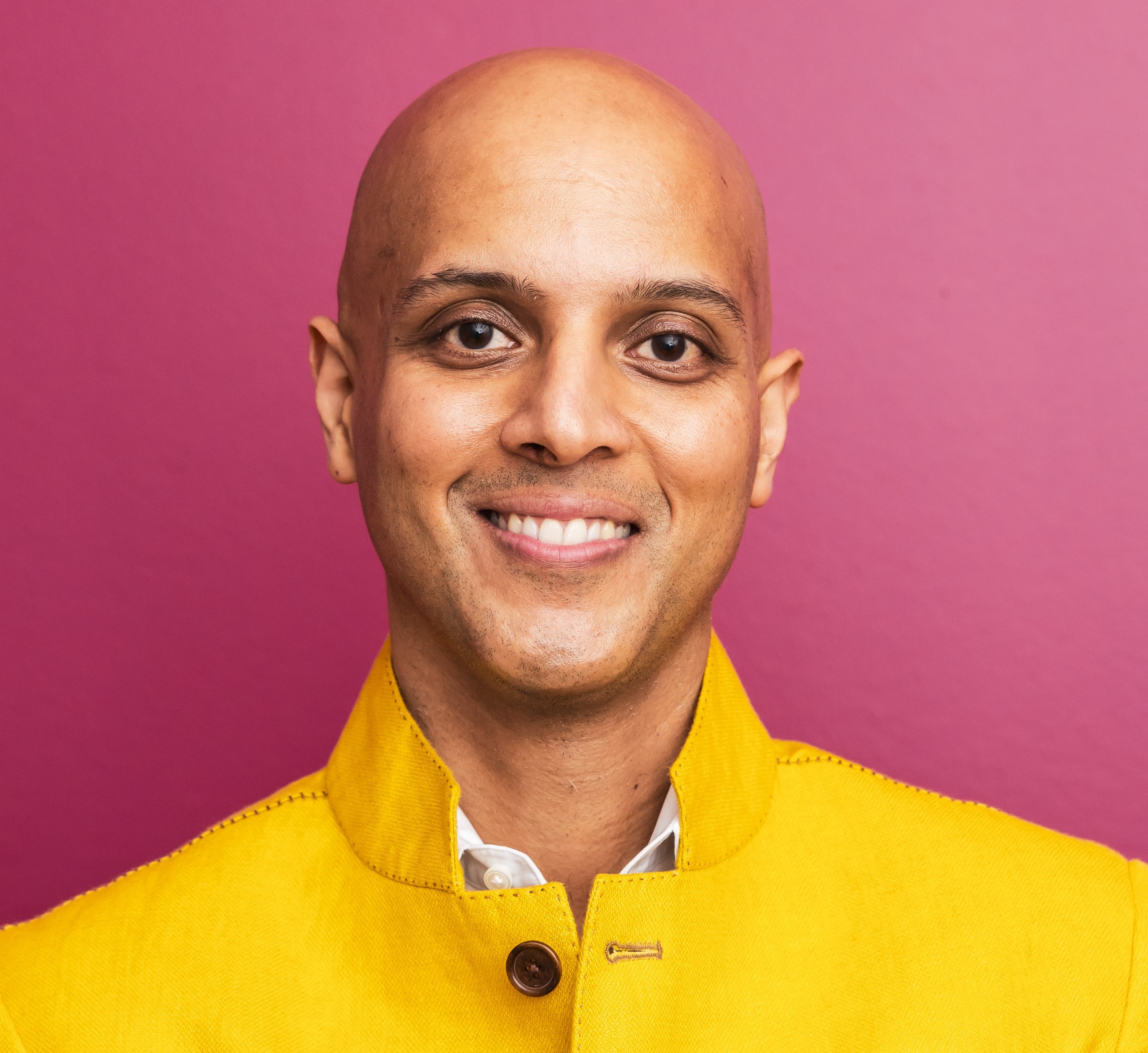
Milan Vaishnav
Director and Senior Fellow, South Asia Program
Milan Vaishnav

Featuring

Soledad Artiz Prillaman

Carnegie does not take institutional positions on public policy issues; the views represented herein are those of the author(s) and do not necessarily reflect the views of Carnegie, its staff, or its trustees.

More Work from Grand Tamasha

  • Podcast Episode
    India’s Return to the Trade Game

    After years of trade skepticism, India appears to be back in the deal-making business—signing new agreements, reviving stalled talks, and announcing ambitious frameworks with key bilateral partners. To help make sense of what’s changed—and what hasn’t—Milan is joined by Mark Linscott, a nonresident senior fellow on India at the Atlantic Council who previously served as the assistant US trade representative for South and Central Asian Affairs from 2016 to 2018.

      • Mark Linscott

      Milan Vaishnav, Mark Linscott

  • Podcast Episode
    How India Lost the Neighborhood

    Over the past few years, South Asia has witnessed a striking wave of mass protests toppling governments and upending long-standing political arrangements in countries ranging from Bangladesh to Nepal and Sri Lanka. University of Pennsylvania Fellow Muhib Rahman joins Milan to discuss India’s illiberal hegemony in its neighborhood, the downturn in Bangladesh-India ties, and the enabling role of the United States.

      Milan Vaishnav, Muhib Rahman

  • Podcast Episode
    Can the U.S. Salvage Its Relationship with India?

    U.S.-India relations were once described as one of Washington’s MOST important strategic bets in the twenty-first century. But over the past year, that partnership has come under serious strain—buffeted by trade disputes, sharp rhetoric, and deep disagreements over Pakistan and Kashmir. Lisa Curtis joins Milan for a conversation on India’s relationship with the U.S.

      Milan Vaishnav, Lisa Curtis

  • Podcast Episode
    The State of Indian Politics in 2026

    Milan and Sunetra discuss the prevailing political winds in Delhi, the BJP’s surprising new president, and the long shadow of the 2025 Bihar assembly elections. Plus, the two discuss the upcoming state elections, the inner turmoil within the Congress Party, and the ECI’s controversial “special intensive review.”

      • Sunetra Choudhury

      Milan Vaishnav, Sunetra Choudhury

  • Podcast Episode
    Grand Tamasha’s Best Books of 2025

    To mark the end of 2025 and Grand Tamasha's 14th season, Milan reflects on some of hist most impactful conversations with authors and researchers this year, and their books.

      Milan Vaishnav

Get more news and analysis from
Carnegie Endowment for International Peace
Carnegie global logo, stacked
1779 Massachusetts Avenue NWWashington, DC, 20036-2103Phone: 202 483 7600Fax: 202 483 1840
  • Research
  • Emissary
  • About
  • Experts
  • Donate
  • Programs
  • Events
  • Blogs
  • Podcasts
  • Contact
  • Annual Reports
  • Careers
  • Privacy
  • For Media
  • Government Resources
Get more news and analysis from
Carnegie Endowment for International Peace
© 2026 Carnegie Endowment for International Peace. All rights reserved.