• Research
  • Emissary
  • About
  • Experts
Carnegie Global logoCarnegie lettermark logo
DemocracyIran
  • Donate
Podcast Episode

The Precarious State of U.S.-India Ties

Rajesh Rajagopalan joins Milan in the wake of U.S. President Trump and Indian Prime Minister Modi's first meeting to assess the future of U.S.-India relations and Delhi's stance on key issues defining the first month of the Trump administration.

Link Copied
By Milan Vaishnav and Rajesh Rajagopalan
Published on Feb 25, 2025

Subscribe on

Apple PodcastsOvercastSpotifyYoutube

There are two narratives doing the rounds about Indian Prime Minister Narendra Modi’s recent visit to Washington to break bread with U.S. President Donald Trump.

The first narrative, touted by the government and its backers, is that Modi skillfully threaded the needle with Trump, standing up for Indian interests but also giving the president some important early wins that can position India well for the future. The second narrative suggests a more pessimistic vision: that U.S.-India relations are at a precarious juncture, where a volatile and transactional president just might upend bilateral ties at a time when India can scarcely afford it.

To discuss where U.S.-India ties sit in the aftermath of the Modi visit, Milan is joined on the show today by Rajesh Rajagopalan. Rajesh is professor of International Politics at Jawaharlal Nehru University in New Delhi. He is an expert on nuclear policy, Indian foreign policy, and U.S.-India relations. He’s also the author of a new article in ThePrint titled, “India-US ties stuck in cute acronyms. Delhi must wait out the chaos.”

On this week’s show, Milan and Rajesh discuss Joe Biden’s foreign policy legacy, India’s longstanding demands for technology transfers, and the plateauing in bilateral ties. Plus, the two discuss Delhi’s view on Elon Musk and the future of U.S.-China relations.

Episode notes:

1. “Trump and Modi, Part Deux (with Sadanand Dhume and Tanvi Madan),” Grand Tamasha, February 19, 2025.

2. Rajesh Rajagopalan, “India-US ties stuck in cute acronyms. Delhi must wait out the chaos,” ThePrint, February 17, 2025.

3. Rajesh Rajagopalan, “Trump’s blanket desire to avoid all wars can lead to the same wars he wants to avoid,” ThePrint, November 11, 2024.

4. “Dr. S. Jaishankar on the Future of U.S.-India Relations,” Grand Tamasha, October 2, 2024.

5. Rajesh Rajagopalan, “India keeps making the same foreign policy mistakes. World doesn’t think we’re being moral,” ThePrint, September 11, 2024.

6. “Looking Back at U.S.-India Relations in the Biden Era (with Ashley J. Tellis),” Grand Tamasha, September 11, 2024.

7. Rajesh Rajagopalan, “India-US ties under Modi echo Nehru’s reluctance to commit. Hope consequences aren’t the same,” ThePrint, July 17, 2024.

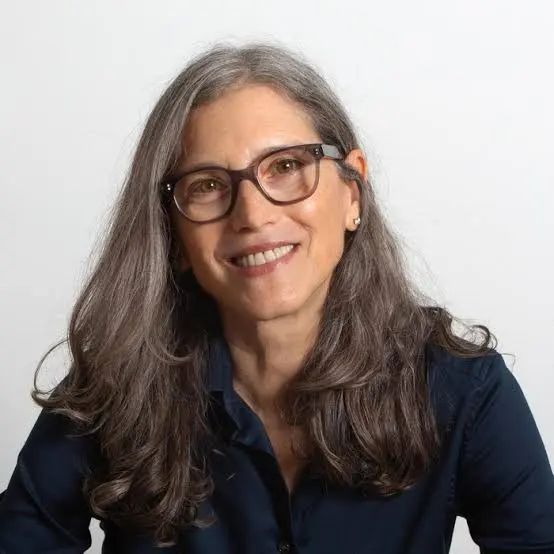
Hosted by

Milan Vaishnav
Director and Senior Fellow, South Asia Program
Milan Vaishnav

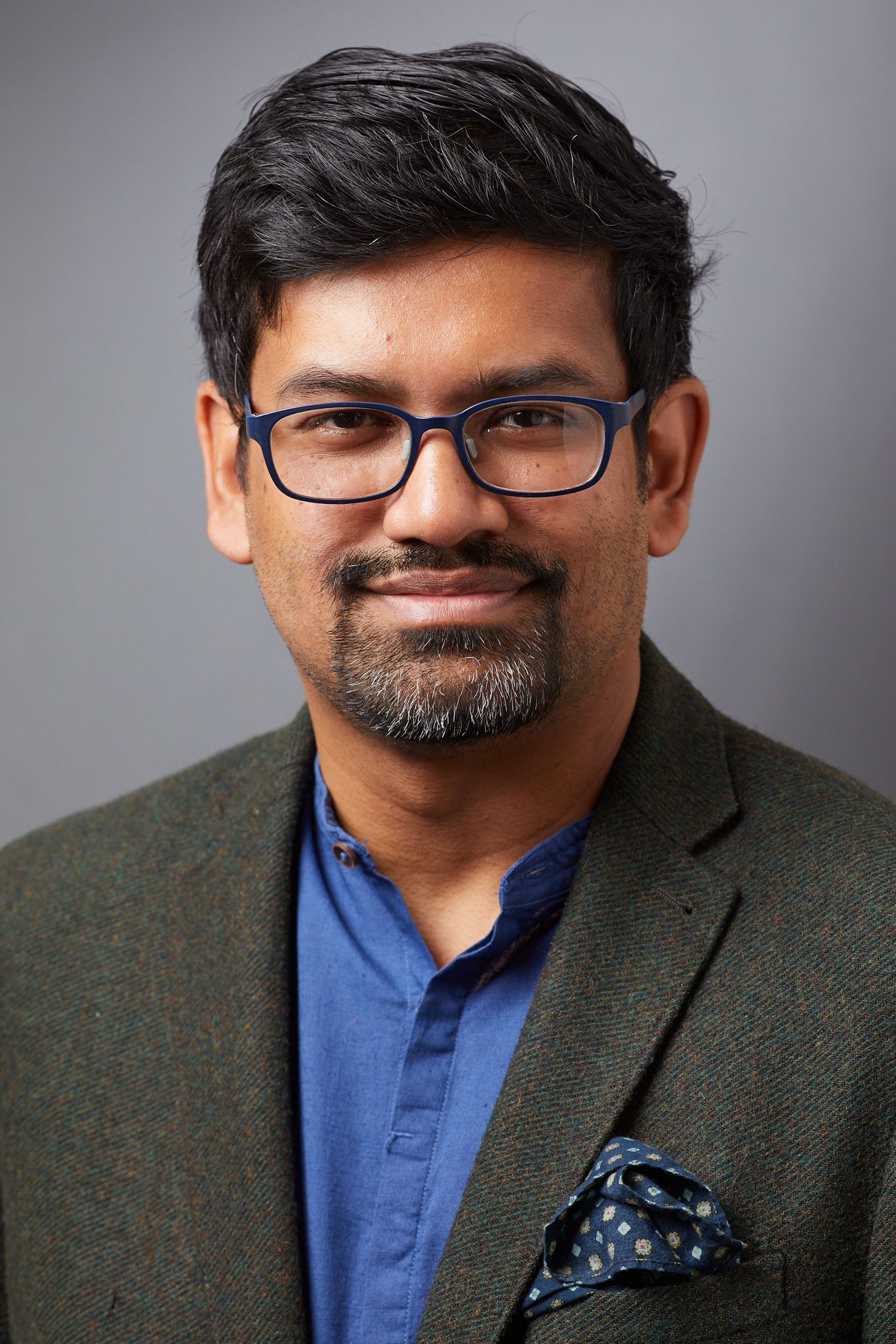
Featuring

Rajesh Rajagopalan

Rajesh Rajagopalan is a professor of international politics at Jawaharlal Nehru University in New Delhi.

Rajesh Rajagopalan

Carnegie does not take institutional positions on public policy issues; the views represented herein are those of the author(s) and do not necessarily reflect the views of Carnegie, its staff, or its trustees.

More Work from Grand Tamasha

  • Podcast Episode
    Can India Thrive in Trump’s World?

    The second Trump administration has adopted a more assertive and unpredictable approach to U.S. foreign policy. For India, this evolving context raises several important questions about the viability of its foreign policy approach.

      • +1

      Milan Vaishnav, Shoumitro Chatterjee, Sameer Lalwani, …

  • Podcast Episode
    Inside Washington: Ami Bera on Shifting U.S.–India Ties

    Over the past two decades, Washington and New Delhi have drawn steadily closer—driven by shared concerns about China, expanding economic ties, and a growing Indian diaspora in the United States. To help us unpack all of this, this week Milan spoke with Congressman Ami Bera in his office on Capitol Hill.

      • Ami Bera

      Milan Vaishnav, Ami Bera

  • Podcast Episode
    India’s AI Moment?

    Just weeks ago, India hosted the 2026 AI Impact Summit, the latest chapter in a global process that began in 2023 in the UK. For the Modi government, the summit was part diplomatic showcase, part investment pitch, and part declaration of ambition. To talk more about the summit and its key takeaways, Milan is joined on the show this week by Anirudh Suri, a nonresident scholar with Carnegie India.

      Milan Vaishnav, Anirudh Suri

  • Podcast Episode
    Populism and the Politics of India’s Foreign Policy

    We tend to think of populist leaders around the world as disruptive. But a new book by scholars Sandra Destradi and Johannes Plagemann argues that the extent of change depends on key factors. Milan and Sandra discuss the definitional debates around populism, the conditional effects of populism on foreign policy, and the reasons for the Modi government’s differential approach to Pakistan and China.

      Milan Vaishnav, Sandra Destradi

  • Podcast Episode
    Europe’s Discovery of India

    Over the past year, Europe–India relations have entered a markedly upbeat phase. What was once a diffuse partnership now looks far more purposeful. To unpack what’s driving this convergence Milan is joined on the show this week by German Marshall Fund senior fellow Garima Mohan to discuss the geopolitical drivers that are bringing the EU and India closer together, Europe’s views on the limits to India’s potential, and the key takeaways from the EU-India FTA.

      Milan Vaishnav, Garima Mohan

Get more news and analysis from
Carnegie Endowment for International Peace
Carnegie global logo, stacked
1779 Massachusetts Avenue NWWashington, DC, 20036-2103Phone: 202 483 7600Fax: 202 483 1840
  • Research
  • Emissary
  • About
  • Experts
  • Donate
  • Programs
  • Events
  • Blogs
  • Podcasts
  • Contact
  • Annual Reports
  • Careers
  • Privacy
  • For Media
  • Government Resources
Get more news and analysis from
Carnegie Endowment for International Peace
© 2026 Carnegie Endowment for International Peace. All rights reserved.