

Commentary
Ahead of a tough winter for Ukraine, Donald Trump’s swing back toward Russia bodes ill. But instead of panicking, Kyiv’s European allies are focusing on action.
Rym Momtaz
{
  "authors": [
    "Robert Kagan",
    "William Kristol"
  ],
  "type": "legacyinthemedia",
  "centerAffiliationAll": "",
  "centers": [
    "Carnegie Endowment for International Peace"
  ],
  "collections": [],
  "englishNewsletterAll": "",
  "nonEnglishNewsletterAll": "",
  "primaryCenter": "Carnegie Endowment for International Peace",
  "programAffiliation": "",
  "programs": [],
  "projects": [],
  "regions": [],
  "topics": [
    "Foreign Policy"
  ]
}
REQUIRED IMAGE
Source: Carnegie
Reprinted from the Weekly Standard, April 26, 1999
The war in Kosovo is going badly. The Clinton administration has compounded its initial disastrous misjudgment of Slobodan Milosevic with an inadequate military strategy driven more by fear of negative polls than by the imperative of victory. THE WEEKLY STANDARD has learned that General Wesley Clark has told senior administration officials that NATO can't win without ground troops, but the Clinton administration continues to quake at the thought of a ground war.
One bit of good news, however, has emerged from this crisis. The war has usefully illuminated the faultlines in elite opinion about the goals of American foreign policy and the purposes of American power in the post-Cold War world.
On one side is, if we may say so, a rather motley combination of neo-isolationists who simply don't believe the United States should much concern itself with overseas matters not directly threatening the American homeland; of Clinton despisers who don't trust the administration to do any serious thing seriously (not a ridiculous position, but one that implies an utterly passive foreign policy for the next two years); and of ultra-sophisticated "realist" intellectuals who have divined that America has no interests in the Balkans and who claim that to combat Milosevic's aggression and brutality is merely to indulge in soft-headed liberal internationalism.
And just who are these self-indulgent, soft-headed liberal internationalists who, in the words of one young sage, "applaud America's intervention in a place like Kosovo . . . because they see plainly that we have no national interests there"? Well, they include, in no particular order: Jeane Kirkpatrick, Caspar Weinberger, Zbigniew Brzezinski, Henry Kissinger, Richard Perle, the Wall Street Journal editorial page, John McCain, Bob Dole, Richard Lugar, Chuck Hagel, Chris Cox, George W. Bush, and Elizabeth Dole. All have called for victory in the war against Milosevic. All have insisted that ground troops may be necessary to achieve that victory. All understand what the sophisticates do not: that there are profound moral reasons for our involvement in Kosovo, yes; but that there are profound national interests at stake, as well.
Some of these interests concern the future of NATO: As Kissinger says, "NATO cannot survive if it now abandons the campaign without achieving its objective of ending the massacres." Some of these interests concern the credibility of American power against adversaries from Baghdad to Pyongyang. As Brzezinski notes, "It is no exaggeration to say that NATO's failure to prevail would mean both the end of NATO as a credible alliance and the undermining of America's global leadership." And some of these interests concern the fundamental question of the kind of world we want to live in -- where peace and civilized behavior reign, especially in strategically vital parts of the world like Europe. As Wall Street Journal wrote, a victory against Milosevic will "set back the forces of irrationality that threaten the coming millennium, establishing the precedent that somewhere, sometime the world will draw a line that barbarity will not be allowed to cross."
Are these American interests that are worth pursuing or not? For most of the post-Cold War decade, this question has been avoided. Kosovo has brought it to the fore. At the beginning of the Cold War, there was a "great debate," which, happily, was won by the hard-headed internationalists. They understood that American moral and strategic interests often converge. It is too early to know who will win today's debate, but one thing is heartening: A creditable group of major political figures understands that the principles of Truman and Reagan remain the best guide in our new and increasingly perilous post-Cold War world.

Former Senior Associate
Kagan, author of the recent book, The Return of History and the End of Dreams (Knopf 2008), writes a monthly column on world affairs for the Washington Post and is a contributing editor at both the Weekly Standard and the New Republic.
William Kristol
Carnegie does not take institutional positions on public policy issues; the views represented herein are those of the author(s) and do not necessarily reflect the views of Carnegie, its staff, or its trustees.

Ahead of a tough winter for Ukraine, Donald Trump’s swing back toward Russia bodes ill. But instead of panicking, Kyiv’s European allies are focusing on action.

Rym Momtaz

Without a ceasefire with Ukraine on attacking each other’s energy infrastructure—to which the Kremlin is unlikely to agree—the diesel agreement between Putin and Trump is largely for show, rather than representing a genuine increase in the volumes of Russian diesel on the global market.

Sergey Vakulenko

Funding Ukraine remains a priority for European leaders. As Russia’s war of aggression heads into another winter, two feasible options to mobilize support for Kyiv should be fast-tracked.


Vladyslav Rashkovan, Gregory P. Wilson

While the EU and European governments are embracing the much-lauded middle-power moment, this entails three difficult conundrums.

Richard Youngs
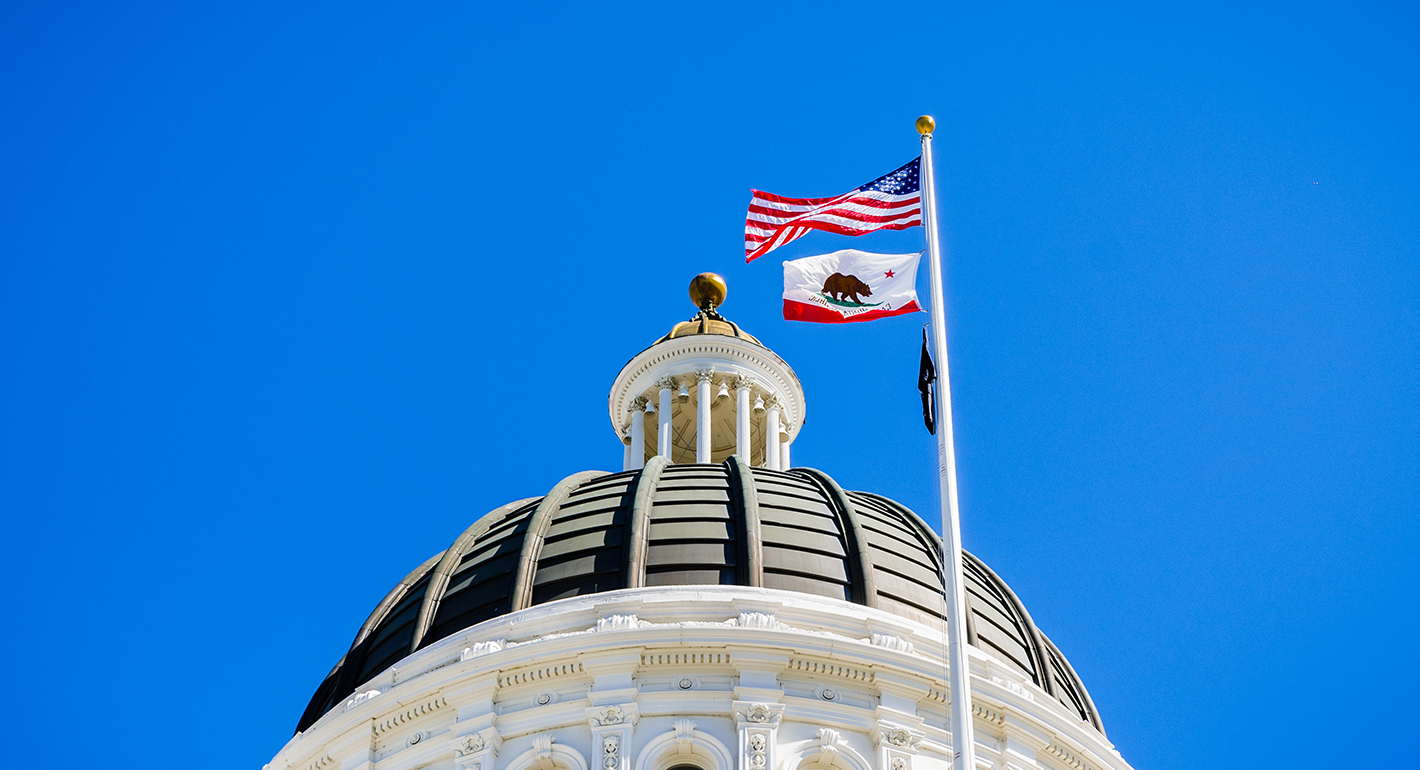
The middle power moment will not be defined by sovereign states alone, and California stands out for its potential contributions to international cooperation.


Ian Klaus, Stewart Patrick