

Report
Nancy Birdsall
{
  "authors": [
    "Nancy Birdsall"
  ],
  "type": "other",
  "centerAffiliationAll": "",
  "centers": [
    "Carnegie Endowment for International Peace"
  ],
  "collections": [],
  "englishNewsletterAll": "",
  "nonEnglishNewsletterAll": "",
  "primaryCenter": "Carnegie Endowment for International Peace",
  "programAffiliation": "",
  "programs": [],
  "projects": [],
  "regions": [
    "North America"
  ],
  "topics": [
    "Trade"
  ]
}
REQUIRED IMAGE
Source: Carnegie
Street protesters in Prague in September 2000 are not the only ones complaining about the World Bank. Conservative critics are pointing the finger too. On the left, champions of social justice argue that World Bank loan conditions hurt the poor. On the right, conservatives claim lending practices crowd out private investment. Critics from all sides compound public confusion about globalization and the impact on people of global financial institutions.
Nancy Birdsall dissects the critics' positions and proposes World Bank reforms rarely put on the table: end "cookie-cutter pricing" or the outdated tradition of a single interest rate and loan term no matter what; give countries like China and Brazil more voting power; and don't give up on much-maligned conditionality but fix and enforce it. Birdsall notes that governance of international financial institutions will never be perfectly representative nor accountable, in part because of failures of democracy in borrowing countries. But, conceiving of the World Bank as a club, she argues for balanced reform not shutdown.
Click on the link above for the full text of this Policy Brief.
Former Senior Associate
Recent Work
Nancy Birdsall
Nancy Birdsall, Rachel Menezes
Carnegie does not take institutional positions on public policy issues; the views represented herein are those of the author(s) and do not necessarily reflect the views of Carnegie, its staff, or its trustees.
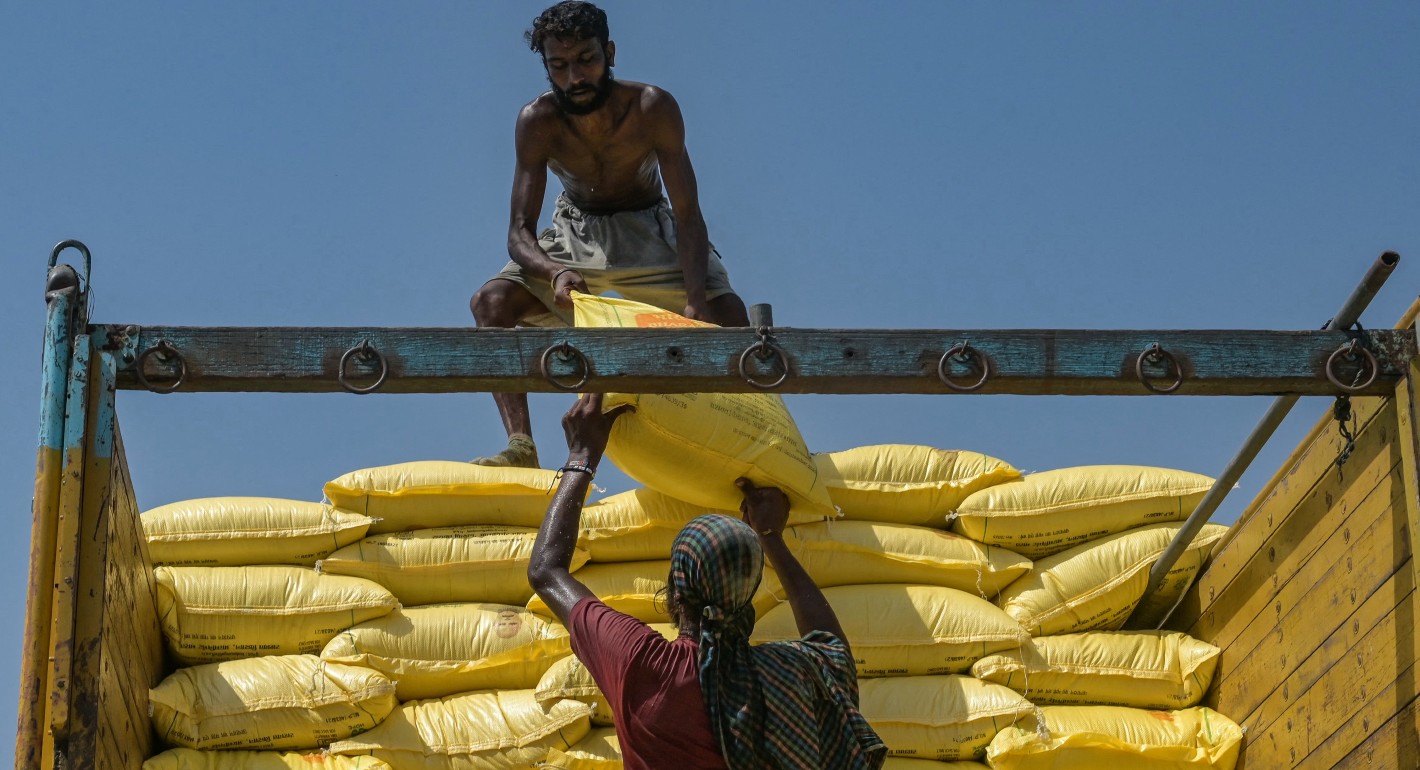
Even if the Iran war stops, restarting production and transport for fertilizers and their components could take weeks—at a crucial moment for planting.

Noah Gordon, Lucy Corthell
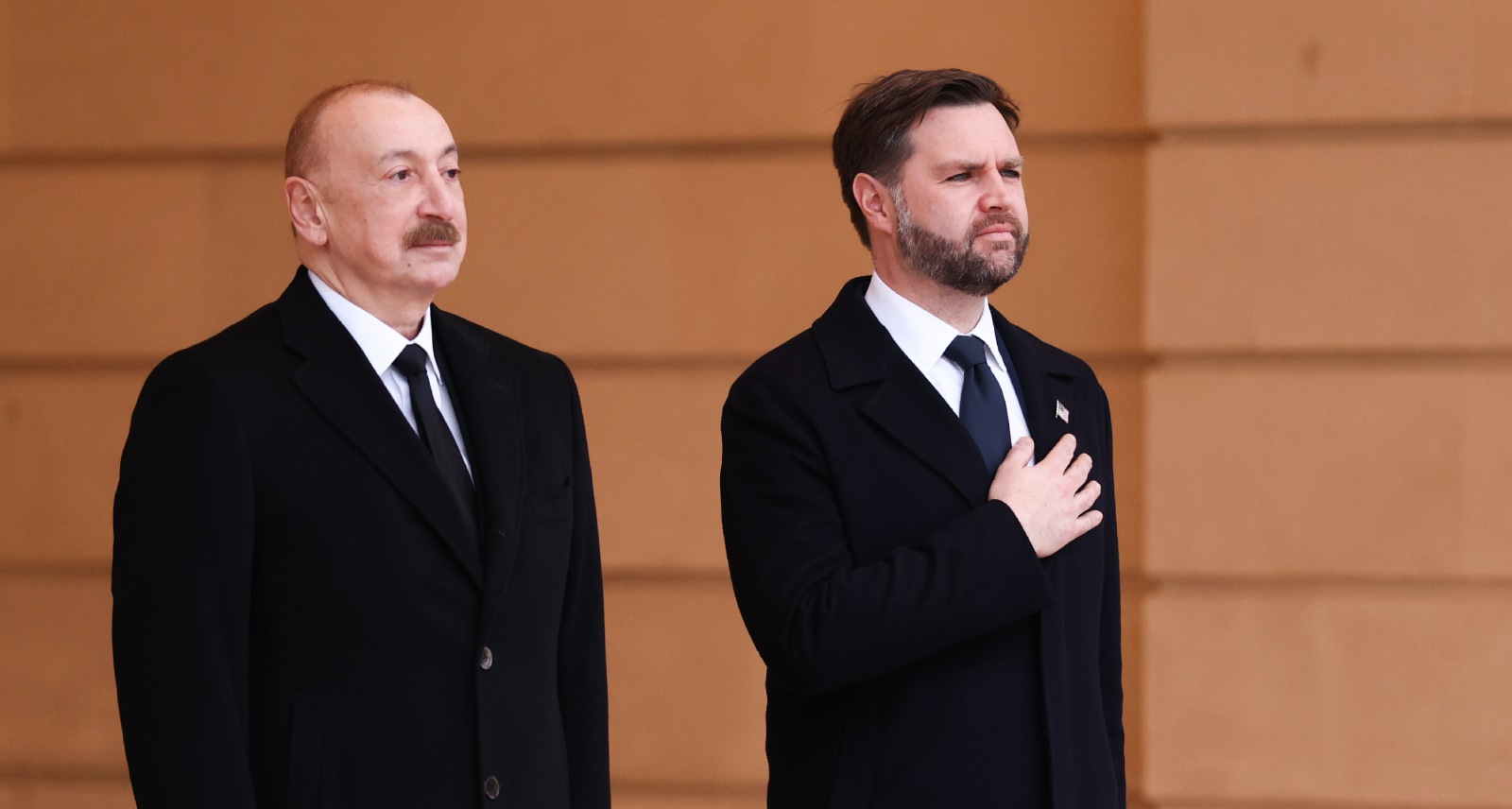
With the White House only interested in economic dealmaking, Georgia finds itself eclipsed by what Armenia and Azerbaijan can offer.

Bashir Kitachaev
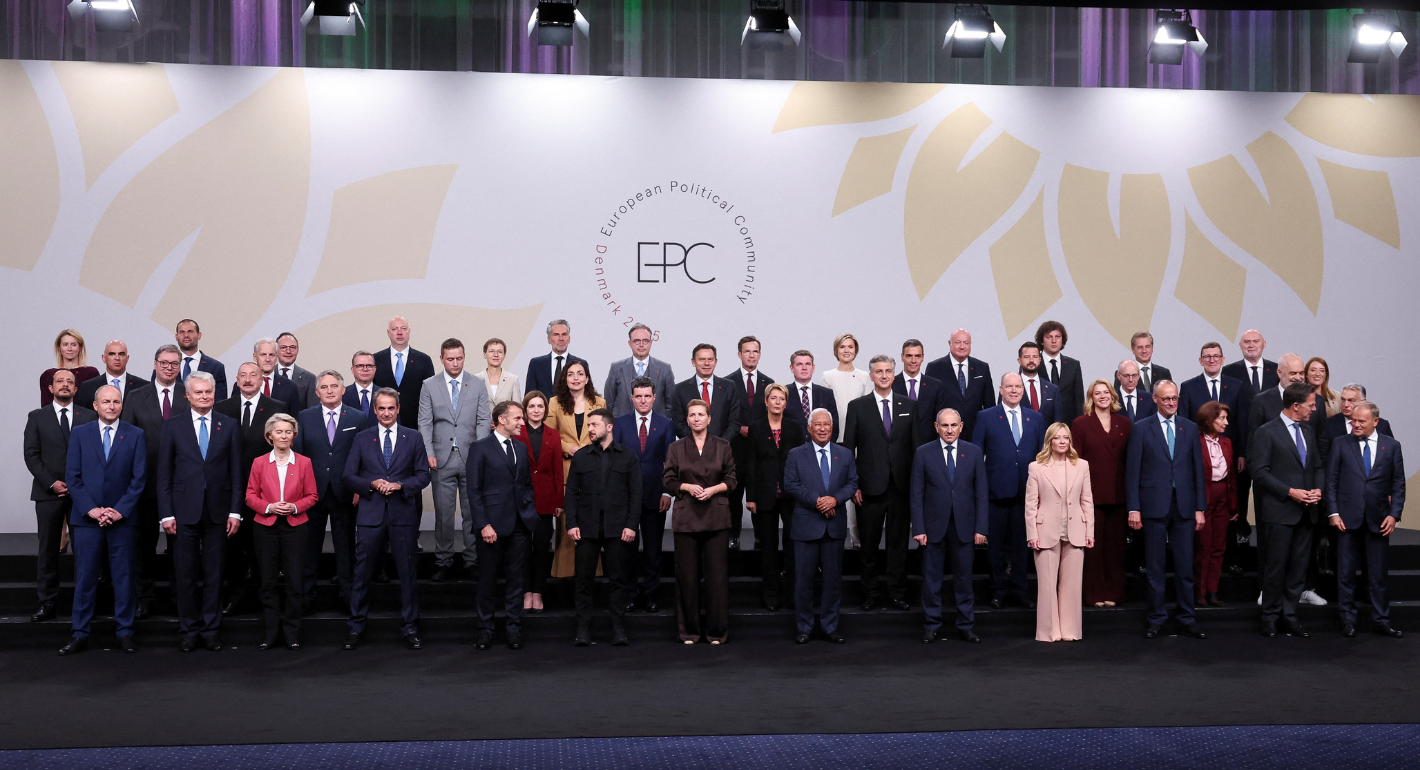
Europe isn’t as weak in the new geopolitics of power as many would believe. But to leverage its assets and claim a sphere of influence, Brussels must stop undercutting itself.

Dimitar Bechev
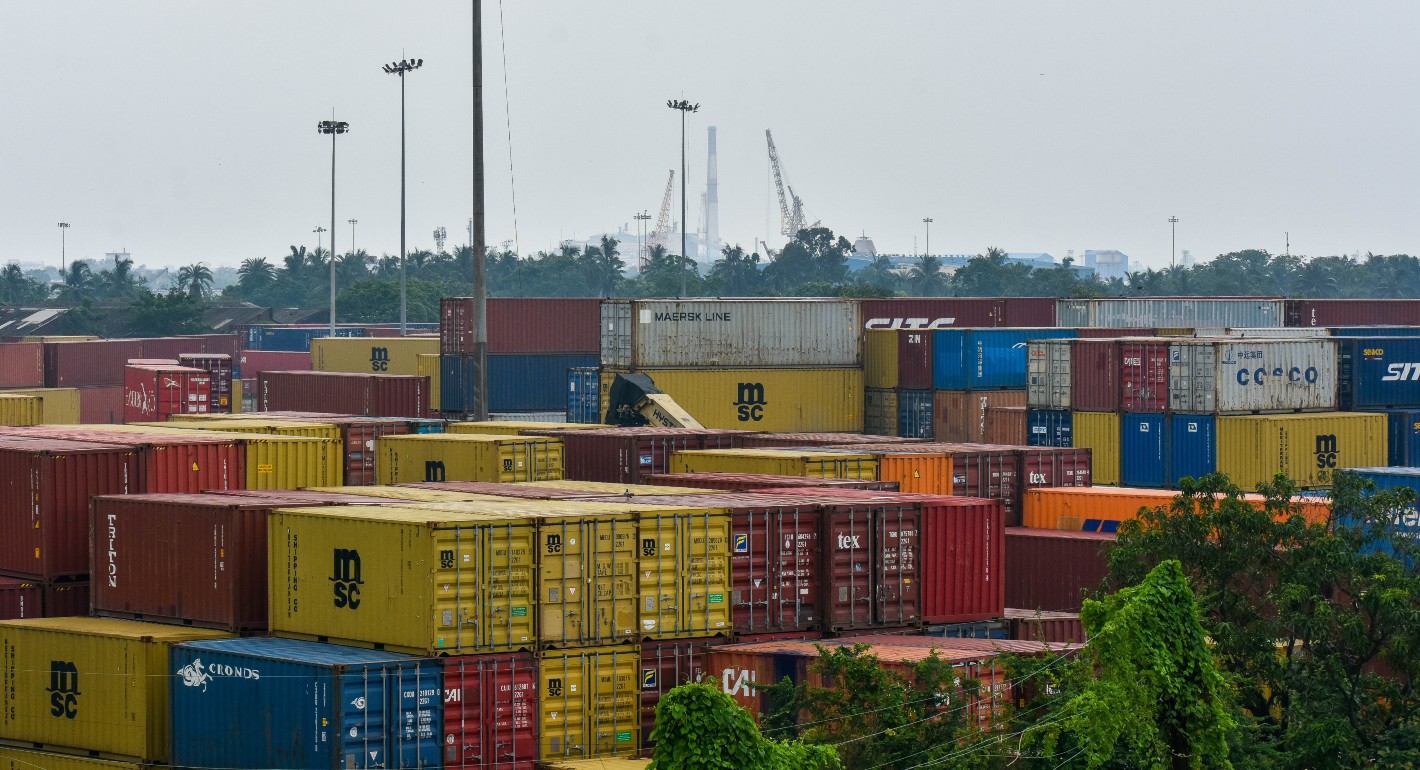
Cargo time release studies offer a path to greater economic gains and higher trust between neighboring countries.

Nikita Singla
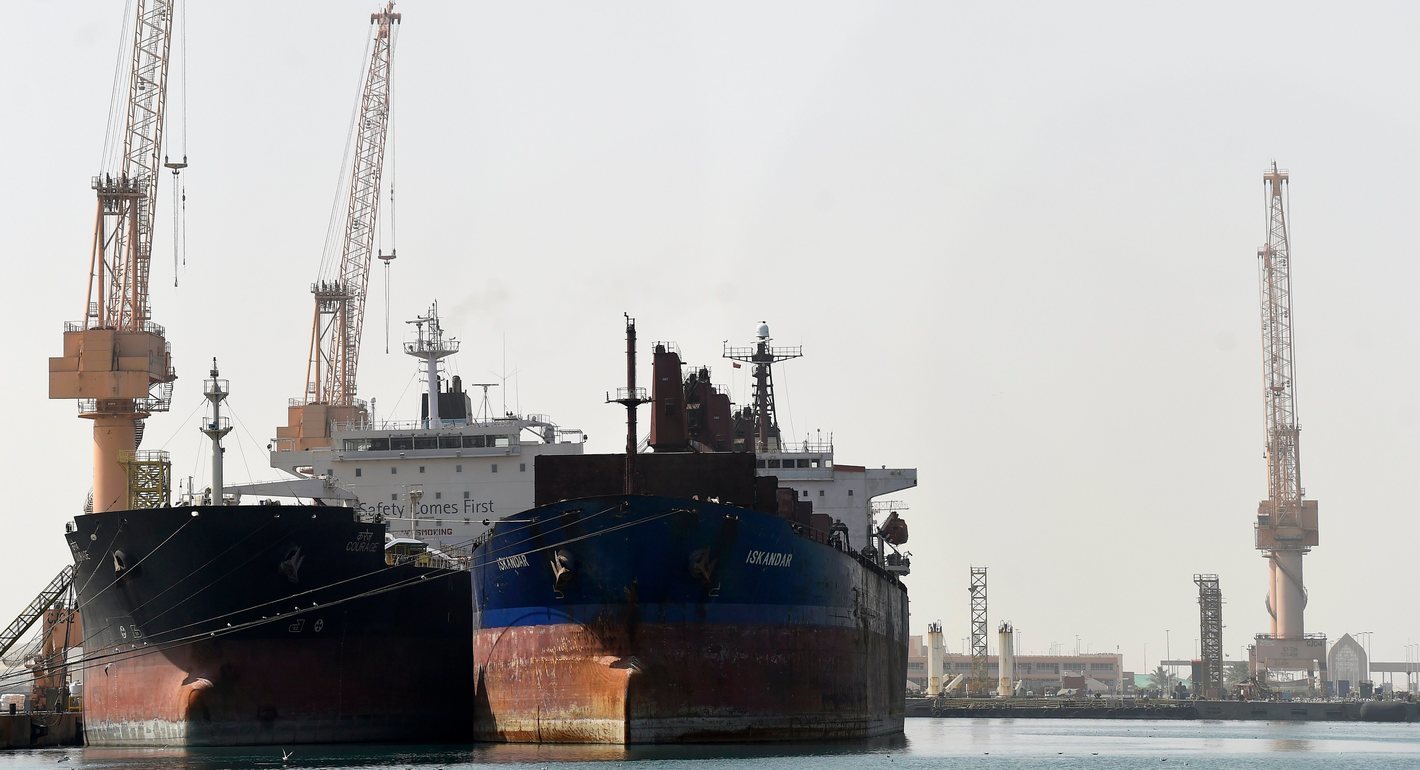
In a volatile Middle East, the Omani port of Duqm offers stability, neutrality, and opportunity. Could this hidden port become the ultimate safe harbor for global trade?
Giorgio Cafiero, Samuel Ramani