• Research
  • Emissary
  • About
  • Experts
Carnegie Global logoCarnegie lettermark logo
DemocracyIran
  • Donate
{
  "authors": [
    "Michael McFaul"
  ],
  "type": "legacyinthemedia",
  "centerAffiliationAll": "dc",
  "centers": [
    "Carnegie Endowment for International Peace"
  ],
  "collections": [],
  "englishNewsletterAll": "ctw",
  "nonEnglishNewsletterAll": "",
  "primaryCenter": "Carnegie Endowment for International Peace",
  "programAffiliation": "russia",
  "programs": [
    "Russia and Eurasia"
  ],
  "projects": [],
  "regions": [
    "Caucasus",
    "Russia"
  ],
  "topics": []
}
REQUIRED IMAGE

REQUIRED IMAGE

In The Media

Yeltsin and Family Return

Link Copied
By Michael McFaul
Published on Nov 1, 2000
Program mobile hero image

Program

Russia and Eurasia

The Russia and Eurasia Program continues Carnegie’s long tradition of independent research on major political, societal, and security trends in and U.S. policy toward a region that has been upended by Russia’s war against Ukraine.  Leaders regularly turn to our work for clear-eyed, relevant analyses on the region to inform their policy decisions.

Learn More

Source: Carnegie

About the Author

Michael McFaul

Former Senior Associate

In addition to his role at Carnegie, McFaul is Peter and Helen Bing Senior Fellow at the Hoover Institution and associate professor of political science at Stanford University.

    Recent Work

  • Article
    Why a Democratic Russia Should Join NATO

      Леонид Гозман, Michael McFaul

  • Report
    Russia at a Crossroads: Upcoming Elections Defining Issue

      Michael McFaul, Sanja Tatic

Michael McFaul
Former Senior Associate
Michael McFaul
CaucasusRussia

Carnegie does not take institutional positions on public policy issues; the views represented herein are those of the author(s) and do not necessarily reflect the views of Carnegie, its staff, or its trustees.

More Work from Carnegie Endowment for International Peace

  • Commentary
    Diwan
    The Gulf Conflict and the South Caucasus

    In an interview, Sergei Melkonian discusses Armenia’s and Azerbaijan’s careful balancing act among the United States, Israel, and Iran.

      Armenak Tokmajyan
  • Commentary
    Carnegie Politika
    Why Has Kazakhstan Started Deporting Political Activists?

    The current U.S. indifference to human rights means Astana no longer has any incentive to refuse extradition requests from its authoritarian neighbors—including Russia.

      Temur Umarov
  • people walking with suitcases
    Commentary
    Emissary
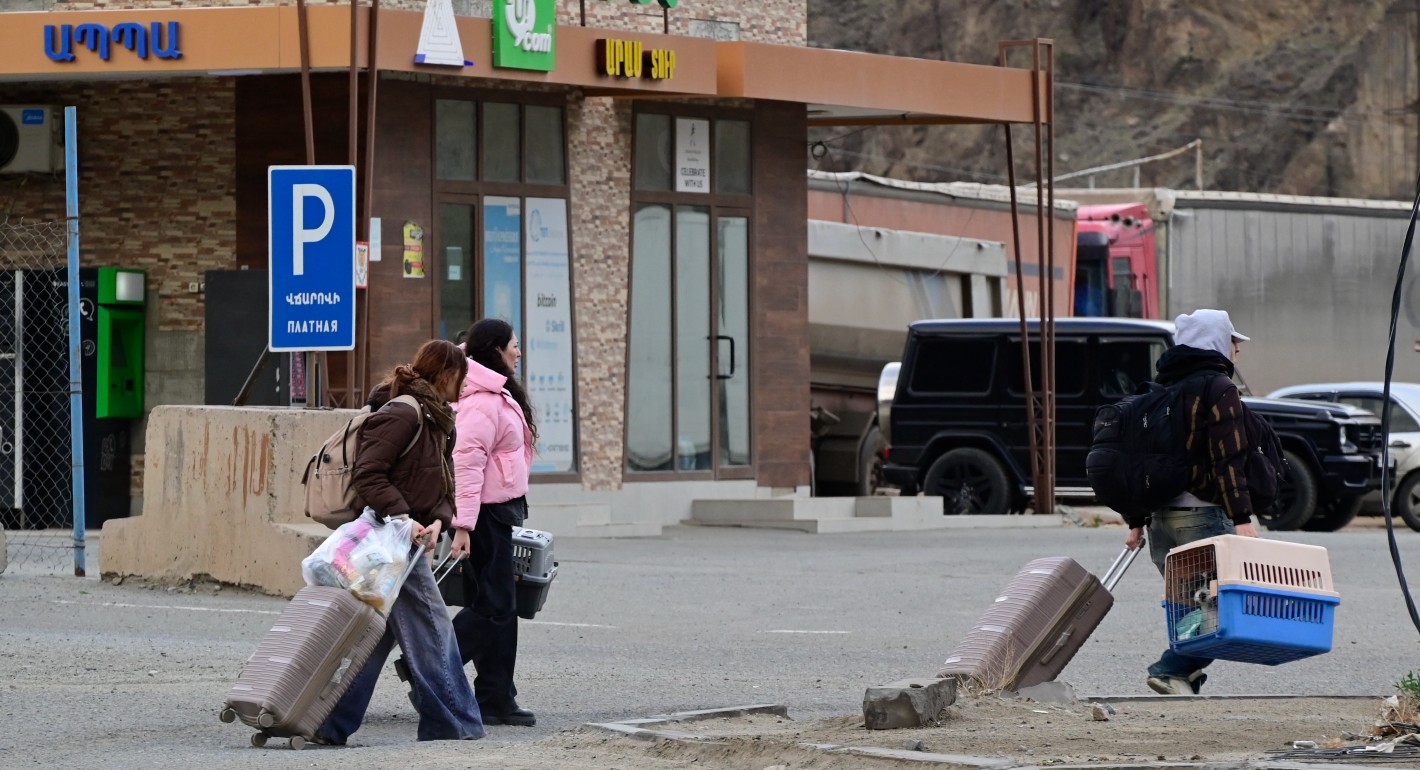
    Iran’s Northern Neighbors Are Facing Fallout From the War, Too

    The conflict is threatening stability in Armenia and Azerbaijan.
      Zaur Shiriyev
  • Commentary
    Strategic Europe
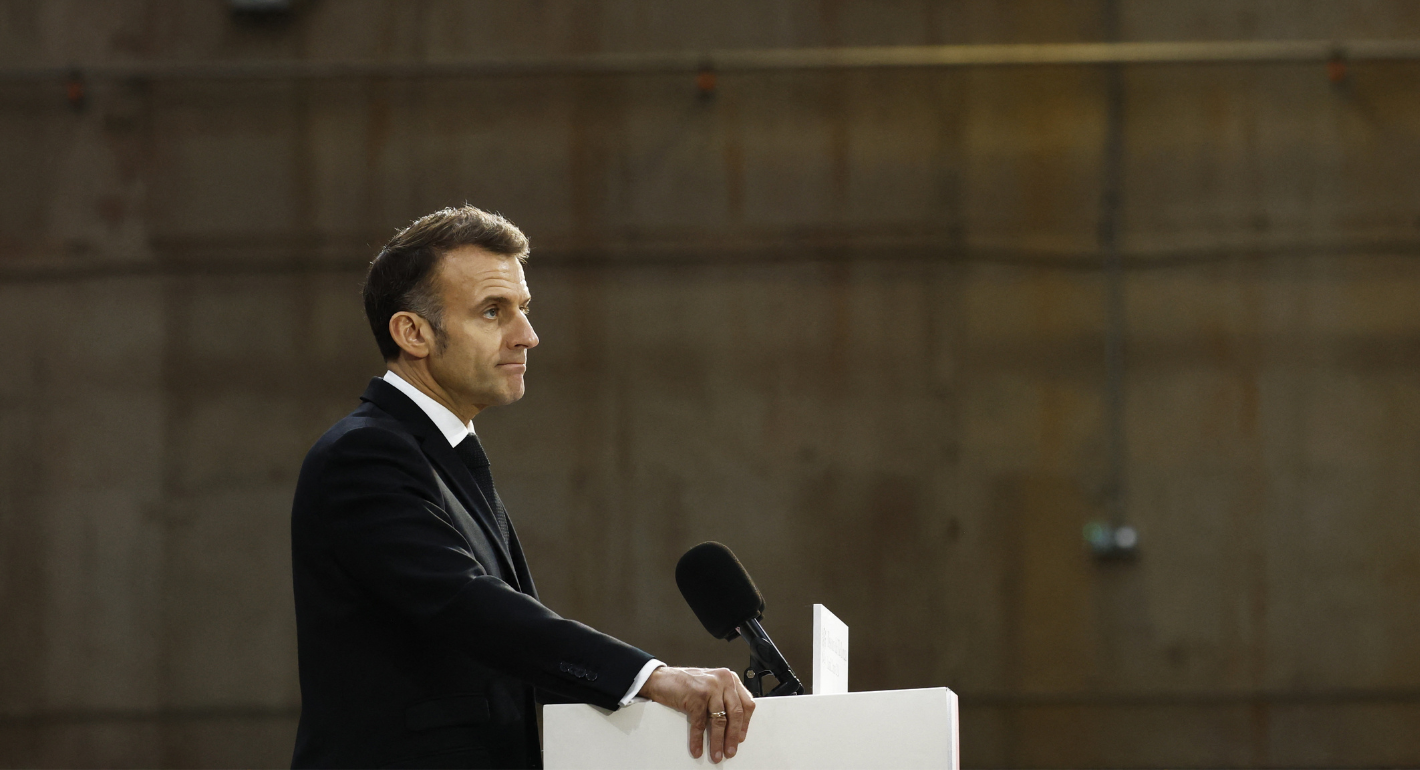
    Taking the Pulse: Is France’s New Nuclear Doctrine Ambitious Enough?

    French President Emmanuel Macron has unveiled his country’s new nuclear doctrine. Are the changes he has made enough to reassure France’s European partners in the current geopolitical context?

      • Rym Momtaz

      Rym Momtaz, ed.

  • Commentary
    Carnegie Politika
    Why Are China and Russia Not Rushing to Help Iran?

    Most of Moscow’s military resources are tied up in Ukraine, while Beijing’s foreign policy prioritizes economic ties and avoids direct conflict.   

      • Alexander Gabuev

      Alexander Gabuev, Temur Umarov

Get more news and analysis from
Carnegie Endowment for International Peace
Carnegie global logo, stacked
1779 Massachusetts Avenue NWWashington, DC, 20036-2103Phone: 202 483 7600Fax: 202 483 1840
  • Research
  • Emissary
  • About
  • Experts
  • Donate
  • Programs
  • Events
  • Blogs
  • Podcasts
  • Contact
  • Annual Reports
  • Careers
  • Privacy
  • For Media
  • Government Resources
Get more news and analysis from
Carnegie Endowment for International Peace
© 2026 Carnegie Endowment for International Peace. All rights reserved.