

Report
Mr. Husain Haqqani, Ashley J. Tellis
{
  "authors": [
    "Husain Haqqani"
  ],
  "type": "legacyinthemedia",
  "centerAffiliationAll": "dc",
  "centers": [
    "Carnegie Endowment for International Peace"
  ],
  "collections": [],
  "englishNewsletterAll": "ctw",
  "nonEnglishNewsletterAll": "",
  "primaryCenter": "Carnegie Endowment for International Peace",
  "programAffiliation": "russia",
  "programs": [
    "Russia and Eurasia"
  ],
  "projects": [],
  "regions": [
    "South Asia",
    "Pakistan"
  ],
  "topics": [
    "Security"
  ]
}
REQUIRED IMAGE
Source: Carnegie
Reprinted with permission from the Financial Times, July 7, 2002
The recent car bombing outside the US consulate in Karachi confirms the fear that Pakistan has now become a main target of al-Qaeda and its fellow travellers. The attack followed last month's car bombing, which killed 11 French naval engineers in the same city. The incidents were preceded by a suicide bombing at an Islamabad church in March.
General Pervez Musharraf's spokesmen have tried to link the recent wave of terrorism to Pakistan's conflict with India. New Delhi and Islamabad routinely blame each other for terrorist attacks. But such mutual name-calling diverts attention from action against al-Qaeda-linked groups that have created an underground network stretching from Kabul in Afghanistan to Kolkata in India. The US helped pull back the south Asian rivals from the brink of war. It must now press their leaders into joining forces against the terrorists.
Pakistan's past support for Islamic militants fighting Indian rule in the disputed Himalayan region of Jammu and Kashmir is an embarrassment Gen Musharraf must face. The fear of being seen to back Kashmiri militants has led to Pakistani denials about any al-Qaeda presence in Pakistan. But having made an irreversible commitment to opposing the extremists, Gen Musharraf no longer needs to deny that terrorists hiding in its cities pose a threat to Pakistan and the world.
During the anti-Soviet Afghan resistance, militants from all over the Muslim world passed through Pakistan to participate in the Afghan Jihad. They were, at the time, supported by the intelligence services of the west as well as Islamic nations. Some of them created covert networks within Pakistan, taking advantage of poor law enforcement and the state's sympathetic attitude towards pan-Islamic militancy. Now that al-Qaeda and the Taliban have been uprooted from Afghanistan, they are using their former transit station as a temporary staging ground for terrorist operations.
Gen Musharraf's continuing war against domestic political rivals and the on- going confrontation with India gives the terrorists an advantage. They have nothing to protect, only targets to destroy. Gen Musharraf, by contrast, must safeguard Pakistan's interests in addition to keeping himself in power. Pakistan's limited resources of state are stretched thin.
It is time Gen Musharraf faced, without hesitation, the domestic and regional consequences of his decision to reverse Pakistan's 25-year-old involvement with Jihad and Islamic militancy. The easing of the recent stand-off with India has given him crucial breathing time. This opportunity should be used to develop a domestic political consensus and a diplomatic strategy for dealing with India.
All of this would require political skills that Pakistan's military ruler has not yet displayed. He would have to roll back the jihadi movement, without seeming to do so on American or Indian orders and without getting an immediate quid pro quo over Kashmir. He already faces defiance from Pakistan's militants and religious parties. These groups have become accustomed to state patronage and look upon Gen Musharraf's avowed policies as a threat to their existence. Gen Musharraf's success in controlling extremist Islamists depends on support from mainstream political parties and easing of pressure by India.
The problem so far has been that Gen Musharraf hates Pakistan's politicians almost as much as he dislikes India. He is loath to compromise with either. India is aware of Gen Musharraf's problem. That is why it refuses to withdraw its troops from Pakistan's border - despite the easing of recent tensions. India wants to use its troops for the non-military purpose of causing economic hardship for Pakistan in terms of the cost of battle readiness.
Believing as he does in his good luck, Gen Musharraf could be tempted to take on the militants and Islamist ideologues without cutting a deal with mainstream politicians at home. He could also try to keep up his anti-India rhetoric at least in public, which may not go down too well with Hindu nationalist hardliners on the other side of the border. These hardliners may then seek out ways of embarrassing him, which would bring India and Pakistan back to rattling sabres at each other.
India and Pakistan must not ignore the fact that both countries are now equal targets for terrorists linked to al-Qaeda. The extremist Islamists want war in south Asia so that they can operate in the region with impunity. To ensure that India and Pakistan stay focused on fighting global terrorism, the international community, particularly the US, should encourage these neighbours to overcome their legacy of mutual distrust. The US should also tell Gen Musharraf to change his course at home, without which the vulnerability of his regime to extremist pressure will only increase.
The writer is a visiting scholar at the Carnegie Endowment for International
Peace. He was an adviser to Pakistani prime ministers Nawaz Sharif and Benazir
Bhutto.
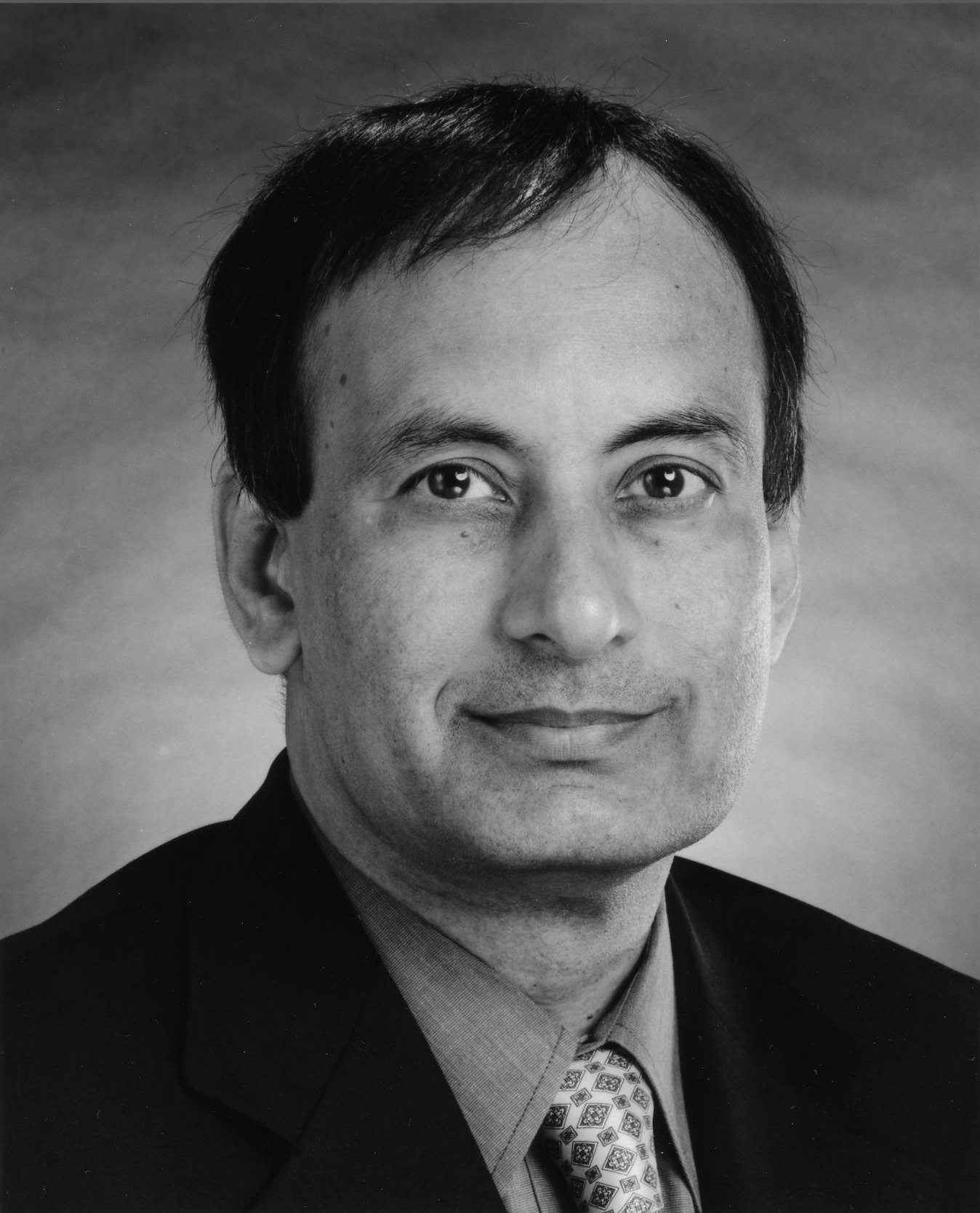
Former Visiting Scholar
Recent Work
Mr. Husain Haqqani, Ashley J. Tellis
Mr. Husain Haqqani
Carnegie does not take institutional positions on public policy issues; the views represented herein are those of the author(s) and do not necessarily reflect the views of Carnegie, its staff, or its trustees.

The Horn of Africa countries are among those facing a new security calculus.


Andrew Leber, Lesley Anne Warner

The European far right might fail to steer EU policy in the direction Russia wants, but they will create enough chaos inside Europe to benefit the Kremlin.

Dimitar Bechev

The new U.S.–Denmark–Greenland agreement will help Washington exert political, economic, and financial dominance under the guise of security. Yet, it acknowledged Copenhagen’s and Nuuk’s sovereignty on the island.

Marc Pierini

A summer of escalation in the Black Sea has hurt Ukraine economically and is exacerbating world food security. A truce is needed—as is a broader reframing of Europe’s Ukraine strategy.

Thomas de Waal

Are Germany’s economic, industrial, and political struggles becoming a liability for the EU’s ability to rise to the geopolitical moment?

Rym Momtaz, ed.