

Article
Andrew Kuchins
{
  "authors": [
    "Andrew Kuchins"
  ],
  "type": "legacyinthemedia",
  "centerAffiliationAll": "dc",
  "centers": [
    "Carnegie Endowment for International Peace"
  ],
  "collections": [],
  "englishNewsletterAll": "ctw",
  "nonEnglishNewsletterAll": "",
  "primaryCenter": "Carnegie Endowment for International Peace",
  "programAffiliation": "russia",
  "programs": [
    "Russia and Eurasia"
  ],
  "projects": [],
  "regions": [
    "Caucasus",
    "Russia"
  ],
  "topics": [
    "Security"
  ]
}
REQUIRED IMAGE
Source: Carnegie
Originally published in Nezavisimaya Gazeta on July 10, 2003. For full article (in Russian) click here.
The Tushino bombing has tarnished Russia's international image after major efforts by the Putin administration to impress the West and the rest of the world at recent summit meetings and lavish 300th anniversary celebrations in St. Petersburg. However, last week's bombings will not have the international impact of the hostage-taking incident in Moscow last year.
More worrisome for Russia's international image, however, (and certainly tied
to the ongoing electoral cycle) is the news of the detainment of Menatep head
Platon Lebedev. There is a suggestion that the charge is tied to a battle in
the Kremlin the part of those who believe Yukos is becoming too powerful following
its major merger with Sibneft. If that is the case, it would also greatly tarnish
what had been Russia's improving image in Western financial circles. Who will
want to invest in Russia when it still appears the government can arbitrarily
take down major business leaders at will? And who really believes that Mr. Lebedev,
if it comes to trial, will be able to get a fair trial in the Russian court
system? It is negative answers to these questions that can be most damaging
to Russia's international image in the months and years ahead.
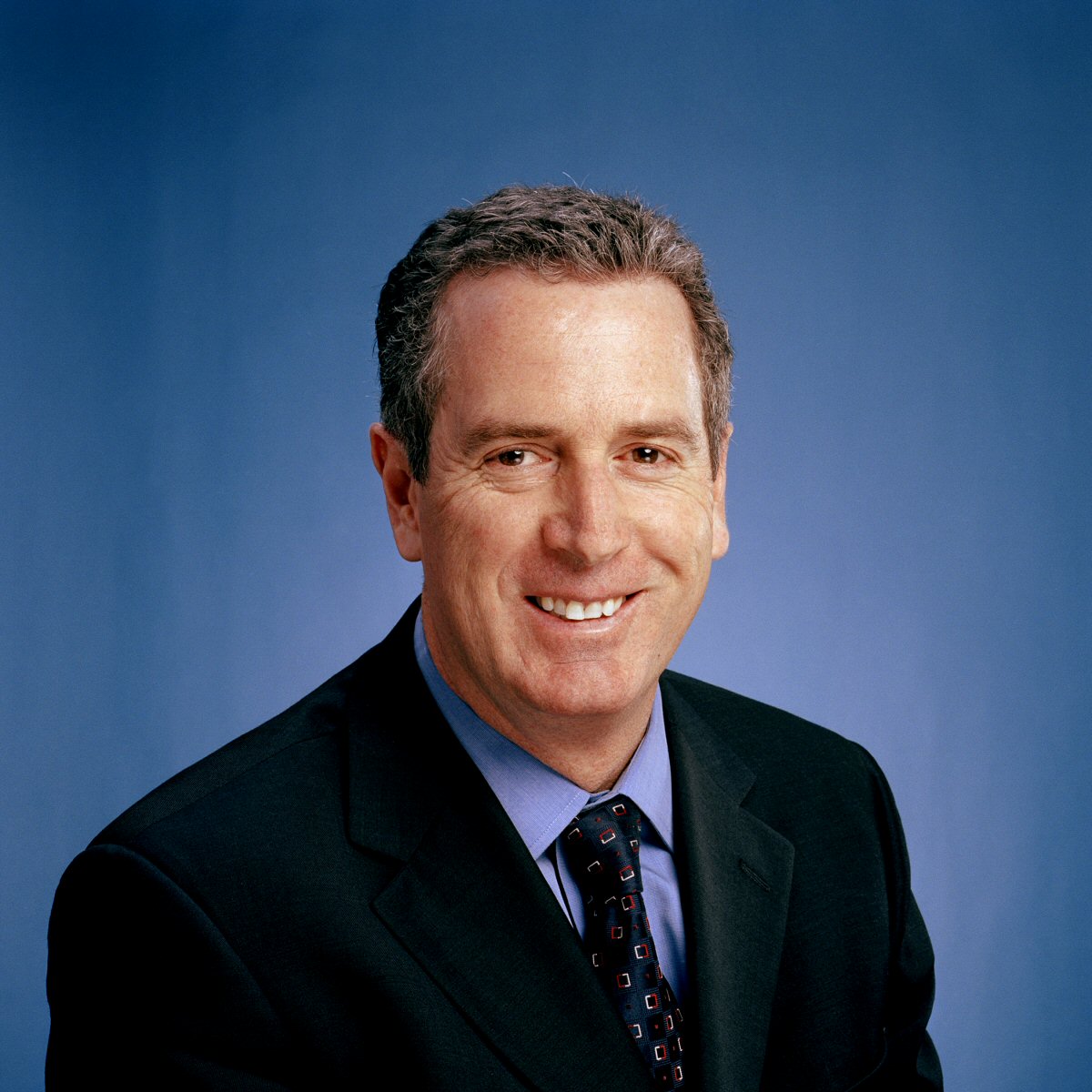
Former Senior Associate and Director, Russian & Eurasian Program
Recent Work
Andrew Kuchins
Andrew Kuchins
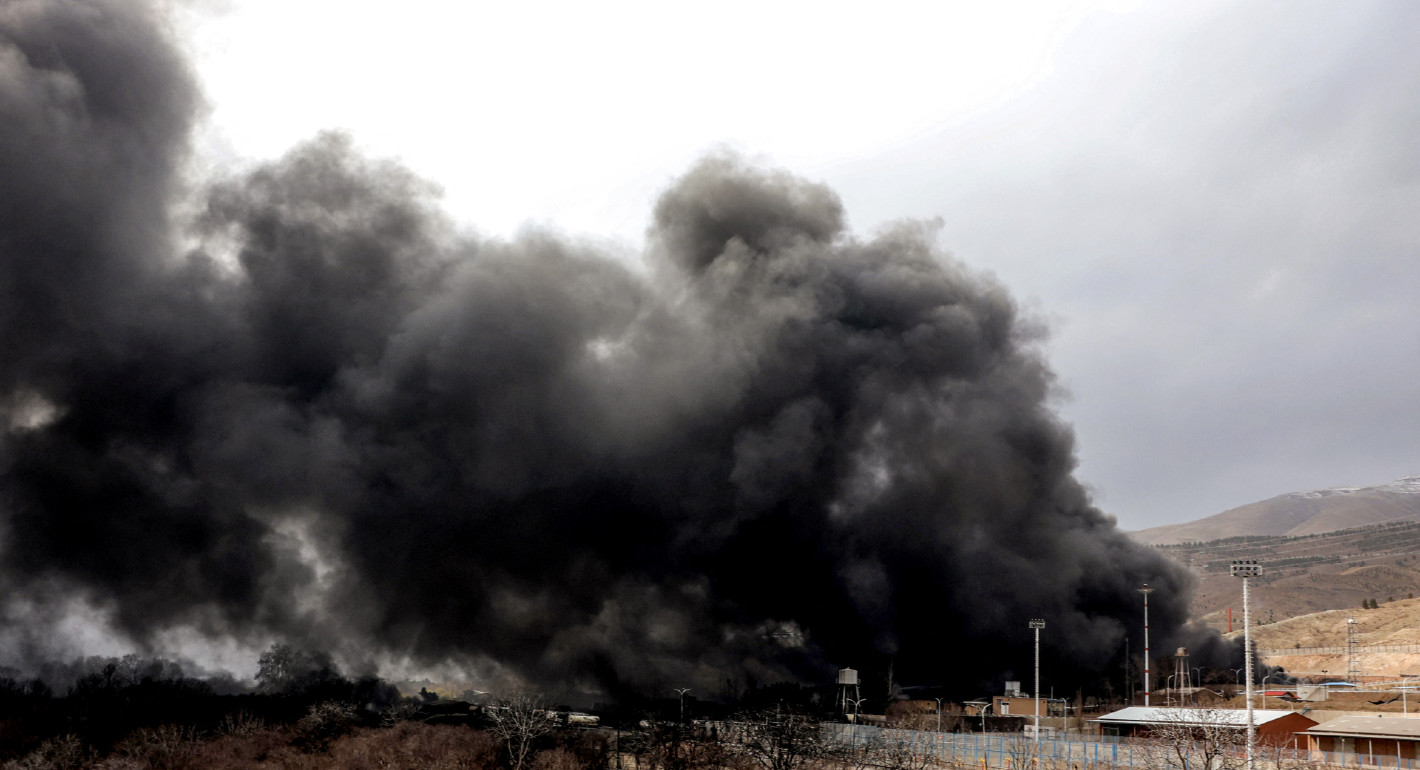
Understanding the climatic pain points is necessary for policymakers hoping to minimize the war’s negative environmental consequences.



Alejandro Martin Rodriguez, Joy Arkeh, Sarah Yerkes

The books, podcasts, and films that explain the world it made.

Andrew Leber

Blurring the line between humans and animals is a long-standing tradition in social utopian prose. In his latest novel, Leonid Bershidsky reminds us that in social experiments, people are often treated no differently than animals.

Alexander Baunov
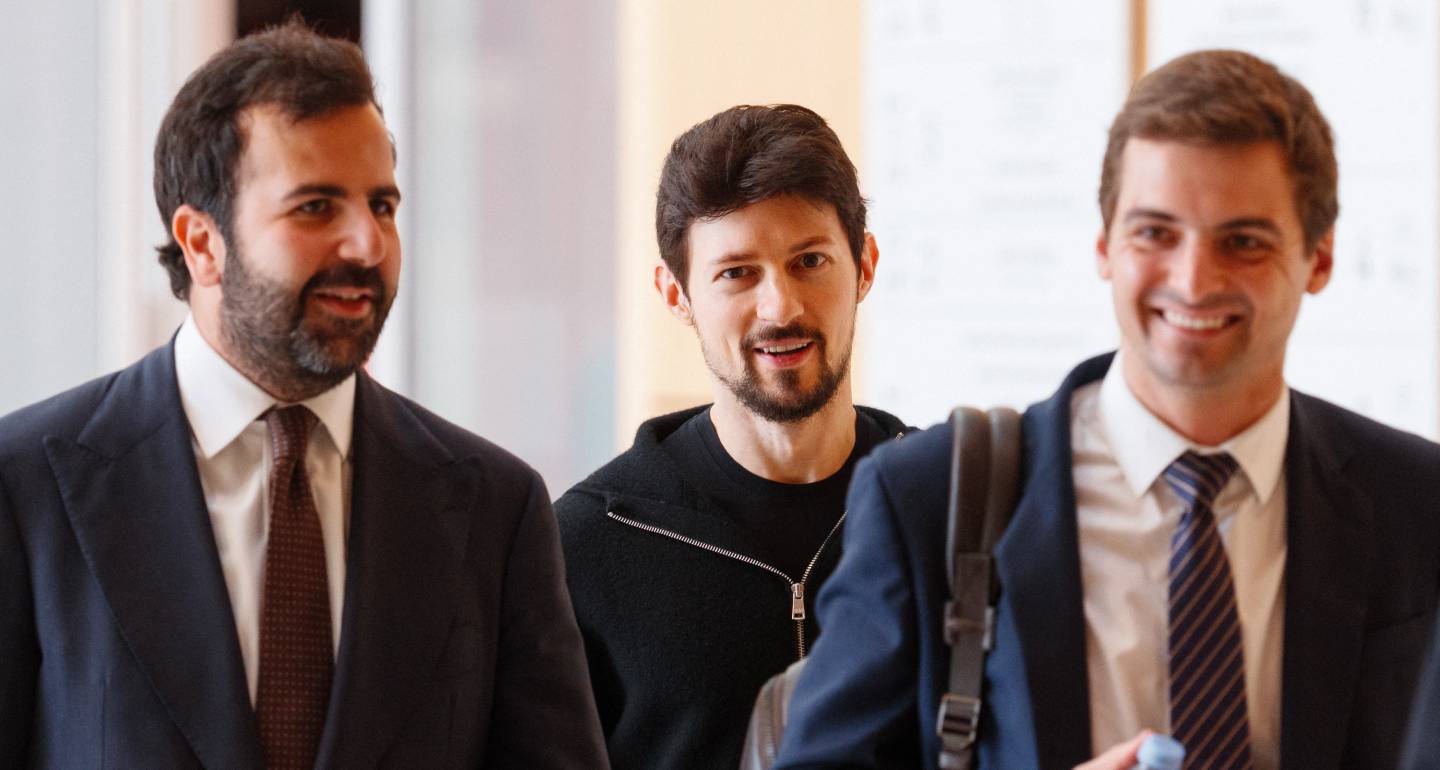
While France and Australia are seeking to establish the legal obligations of messaging apps like Telegram, Russia wants total subordination.

Maria Kolomychenko

The recent uncovering of Dmitry Donskoy’s relics in the Cathedral of the Archangel is yet another attempt by the Russian Orthodox Church to help the state solve its problems. However, parroting the state’s version of Russian history leaves the Church with no message except “patriotism.”
Alexander Zanemonets