

Article
Andrew Kuchins
{
  "authors": [
    "Andrew Kuchins"
  ],
  "type": "legacyinthemedia",
  "centerAffiliationAll": "dc",
  "centers": [
    "Carnegie Endowment for International Peace"
  ],
  "collections": [],
  "englishNewsletterAll": "ctw",
  "nonEnglishNewsletterAll": "",
  "primaryCenter": "Carnegie Endowment for International Peace",
  "programAffiliation": "russia",
  "programs": [
    "Russia and Eurasia"
  ],
  "projects": [],
  "regions": [
    "Caucasus",
    "Russia"
  ],
  "topics": [
    "Security"
  ]
}
REQUIRED IMAGE
Source: Carnegie
Originally published in Nezavisimaya Gazeta on July 10, 2003. For full article (in Russian) click here.
The Tushino bombing has tarnished Russia's international image after major efforts by the Putin administration to impress the West and the rest of the world at recent summit meetings and lavish 300th anniversary celebrations in St. Petersburg. However, last week's bombings will not have the international impact of the hostage-taking incident in Moscow last year.
More worrisome for Russia's international image, however, (and certainly tied
to the ongoing electoral cycle) is the news of the detainment of Menatep head
Platon Lebedev. There is a suggestion that the charge is tied to a battle in
the Kremlin the part of those who believe Yukos is becoming too powerful following
its major merger with Sibneft. If that is the case, it would also greatly tarnish
what had been Russia's improving image in Western financial circles. Who will
want to invest in Russia when it still appears the government can arbitrarily
take down major business leaders at will? And who really believes that Mr. Lebedev,
if it comes to trial, will be able to get a fair trial in the Russian court
system? It is negative answers to these questions that can be most damaging
to Russia's international image in the months and years ahead.
Former Senior Associate and Director, Russian & Eurasian Program
Recent Work
Andrew Kuchins
Andrew Kuchins

Germany's sometimes ambiguous nuclear policy advocates nuclear weapons for deterrence purposes but at the same time adheres to non-proliferation. This dichotomy can turn into a formidable dilemma and increase proliferation pressures in Berlin once no nuclear protector is around anymore, a scenario that has become more realistic in recent years.
Ulrich Kühn
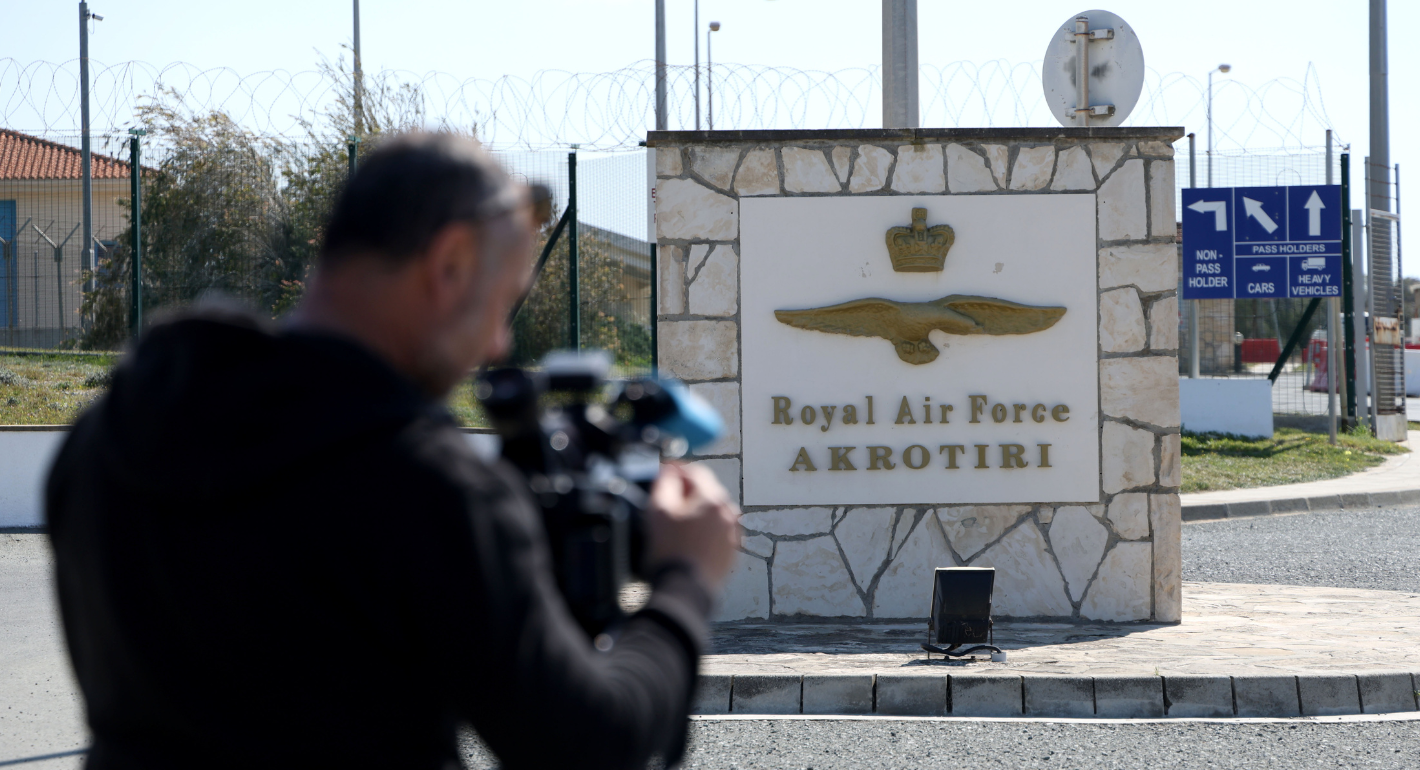
The drone strike on the British air base in Akrotiri brings Europe’s proximity to the conflict in Iran into sharp relief. In the fog of war, old tensions in the Eastern Mediterranean risk being reignited, and regional stakeholders must avoid escalation.

Marc Pierini
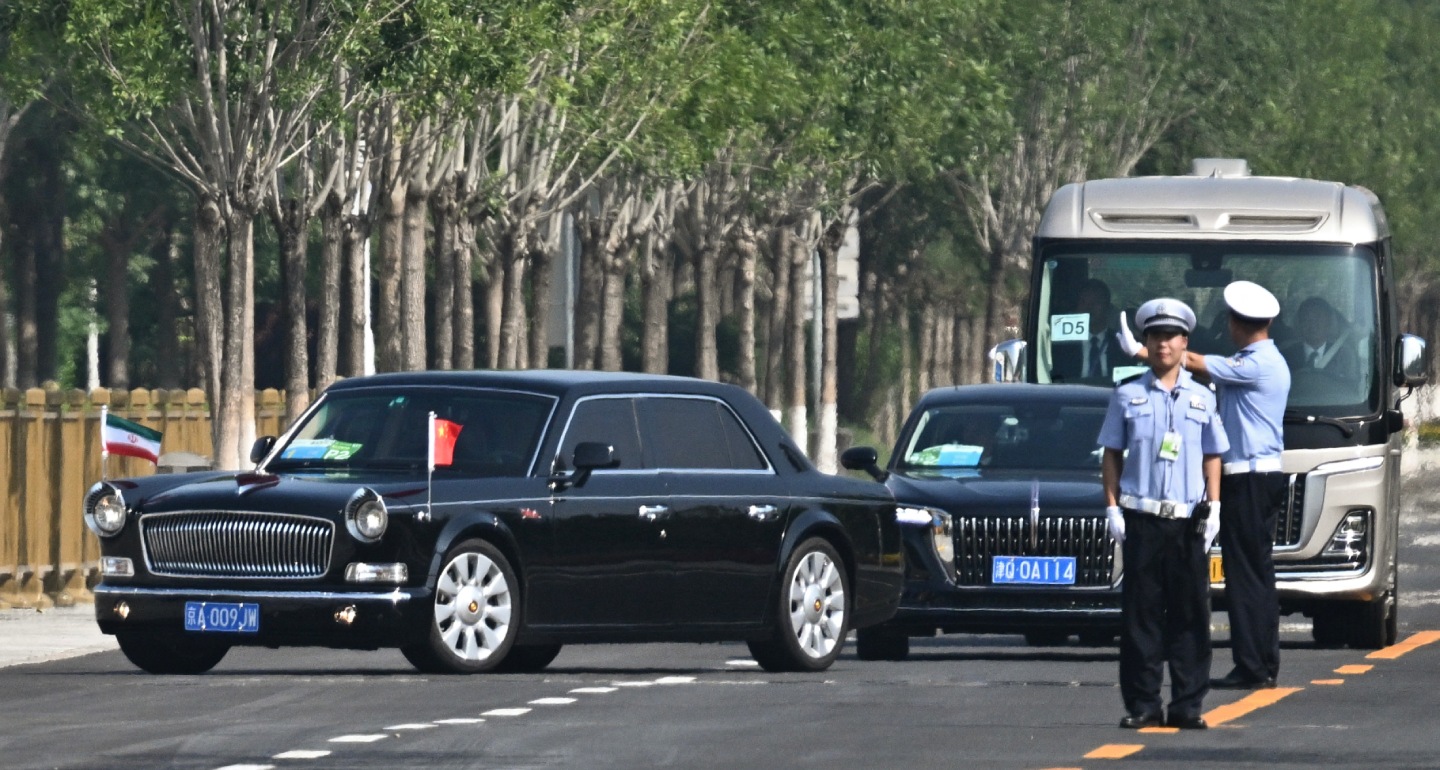
Most of Moscow’s military resources are tied up in Ukraine, while Beijing’s foreign policy prioritizes economic ties and avoids direct conflict.


Alexander Gabuev, Temur Umarov
With the White House only interested in economic dealmaking, Georgia finds itself eclipsed by what Armenia and Azerbaijan can offer.

Bashir Kitachaev
But to achieve either, it needs to retain Washington’s ear.

Alper Coşkun