

Other
Fiona Hill, Anatol Lieven, Thomas de Waal
{
  "authors": [
    "Anatol Lieven"
  ],
  "type": "legacyinthemedia",
  "centerAffiliationAll": "",
  "centers": [
    "Carnegie Endowment for International Peace"
  ],
  "collections": [],
  "englishNewsletterAll": "",
  "nonEnglishNewsletterAll": "",
  "primaryCenter": "Carnegie Endowment for International Peace",
  "programAffiliation": "",
  "programs": [],
  "projects": [],
  "regions": [
    "North America",
    "United States"
  ],
  "topics": [
    "Political Reform",
    "Democracy",
    "Foreign Policy"
  ]
}
REQUIRED IMAGE
There has been a good deal of talk in the US about a parallel between President George W. Bush's "plan" for democratising the greater Middle East and the Helsinki process that contributed to the fall of the Soviet empire. When thinking about western policy and the Muslim world, it does indeed make sense to look for lessons from the cold war - but this is not the right one.
Source: Financial Times
Originally published in the Financial Times on March 1, 2004
There has been a good deal of talk in the US about a parallel between President George W. Bush's "plan" for democratising the greater Middle East and the Helsinki process that contributed to the fall of the Soviet empire. When thinking about western policy and the Muslim world, it does indeed make sense to look for lessons from the cold war - but this is not the right one.
The lessons of successful development in the cold war and post-cold-war periods for western policy are threefold. The regimes concerned obviously need to have both the right economic policies and a state strong enough to guide economic development. Second, the west needs to have a strong local nationalism on its side. Third, it has to be prepared to make real economic sacrifices. Democracy as such is not of central importance, though law and social freedom certainly are. After an economy has modernised, democracy often follows; but, outside parts of Europe, the correlation between democracy and modernisation is weak.
There has also been much talk of the precedent of the Marshall Plan; but this merely helped what had been successful free-market economies before the second world war to get back on their feet. Of much more relevance are the experiences of east Asia from the 1950s to the 1970s; and of eastern Europe after the Soviet collapse.
Nationalism was of critical importance in both these regions. In the cases of Taiwan and South Korea the US backed homogeneous authoritarian elites with a strong military element and a powerful sense of national purpose, closely linked to their fear of communism. Later, this was also true of Thailand. Take away the military element and it was true of Japan, Singapore and Malaysia. By contrast, in ethnically divided elites with a weak sense of common national purpose, development was much less successful.
In the case of eastern Europe, most countries had strong ethnic nationalisms that long pre-dated communist rule. Because of their passionate desire to escape for good from Moscow's imperial clutches, these countries benefited from a strong nationalist "push" towards the west after 1989. Also of critical importance was the fact that the western institutions and alliances that they so wished to join were defined by democracy and regulated free-market economics. This provided the "pull" in terms of modernisation.
This process was not cheap for the existing European Union countries. Aid to eastern Europe seemed grossly inadequate to the recipients but it has been colossal compared with the paltry sums Washington is talking of spending in the Middle East. And even aid was secondary compared with the most important factor of all: the opening of western European markets to eastern European exports and the easing of restrictions on the movement of workers.
These factors were also central to the development of some of the east- and south-east Asian countries. First because of the Korean war and then because of the Vietnam war, the US transferred huge sums in aid to states that it viewed as bulwarks against communism. And, once again, even more important was the fact that the US kept its markets open to these countries' products and to immigrants.
The contrasts with the greater Middle East are bleak. With the exception of Iran, none of these states is a truly national one, and their sense of real common national purpose is weak. Where state nationalism does exist, the Israeli-Palestinian conflict and US support for Israel mean it is hard to mobilise it on the side of the west. What the American formulators of the Helsinki parallel cannot seem to grasp is that all too many Arabs see the US plus Israel as playing the Soviet role of detested regional hegemon. As long as Arab television can show daily images of Palestinian suffering, it will be difficult even to begin to dispel this impression.
Finally, the readiness of the US or EU to make real sacrifices for the sake of developing this region is highly questionable. Will they, for example, make available amounts of aid comparable with those given to Poland or South Korea? Is there any possibility that the US will allow large-scale Muslim immigration?
The answers to these questions may seem self-evident. Yet, at the same time, simply to dismiss the Bush initiative out of hand is not enough. September 11 2001 proved that mortal threats to the west can emerge from failed Muslim states and this threat must be combated, for decades and possibly generations. But to do so will require a level of western commitment vastly greater than anything envisaged today.
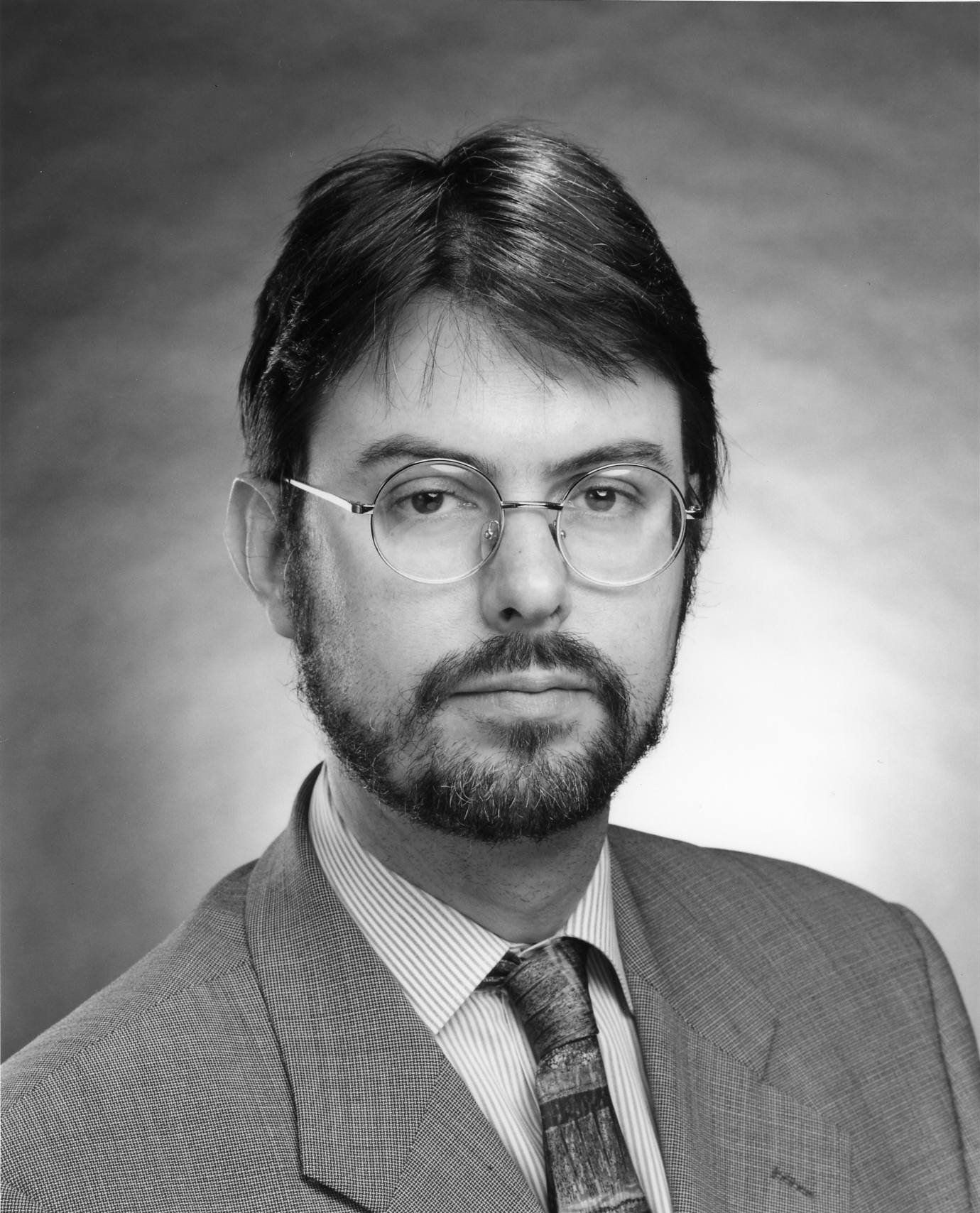
Former Senior Associate
Recent Work

Fiona Hill, Anatol Lieven, Thomas de Waal
Carnegie does not take institutional positions on public policy issues; the views represented herein are those of the author(s) and do not necessarily reflect the views of Carnegie, its staff, or its trustees.

In the discussions made possible by the State Duma election campaign, one question is being asked more and more loudly. “What next?”

Andrey Pertsev
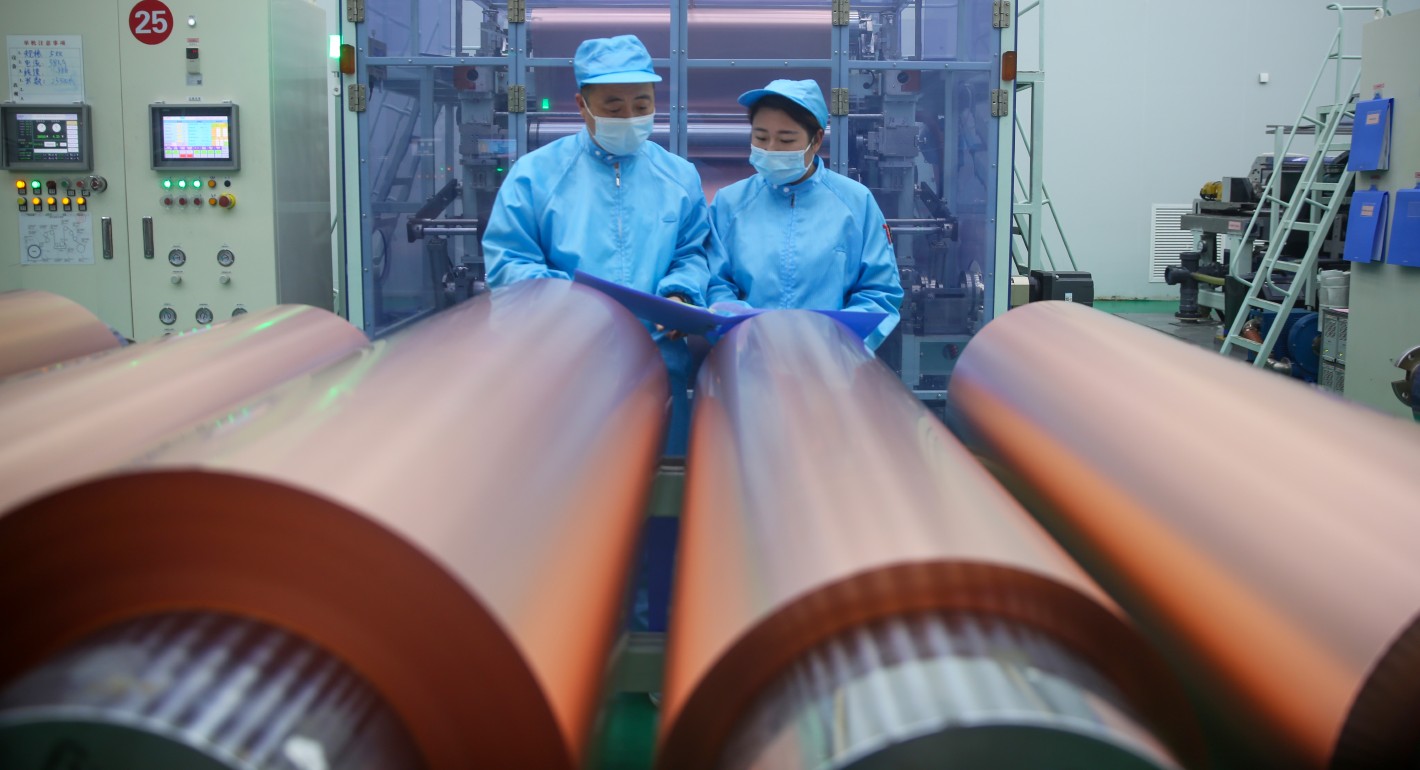
Over the past decade, China has moved from marginal player to major producer of all things batteries. The United States, Europe, and others are aiming to balance the market.

Milo McBride
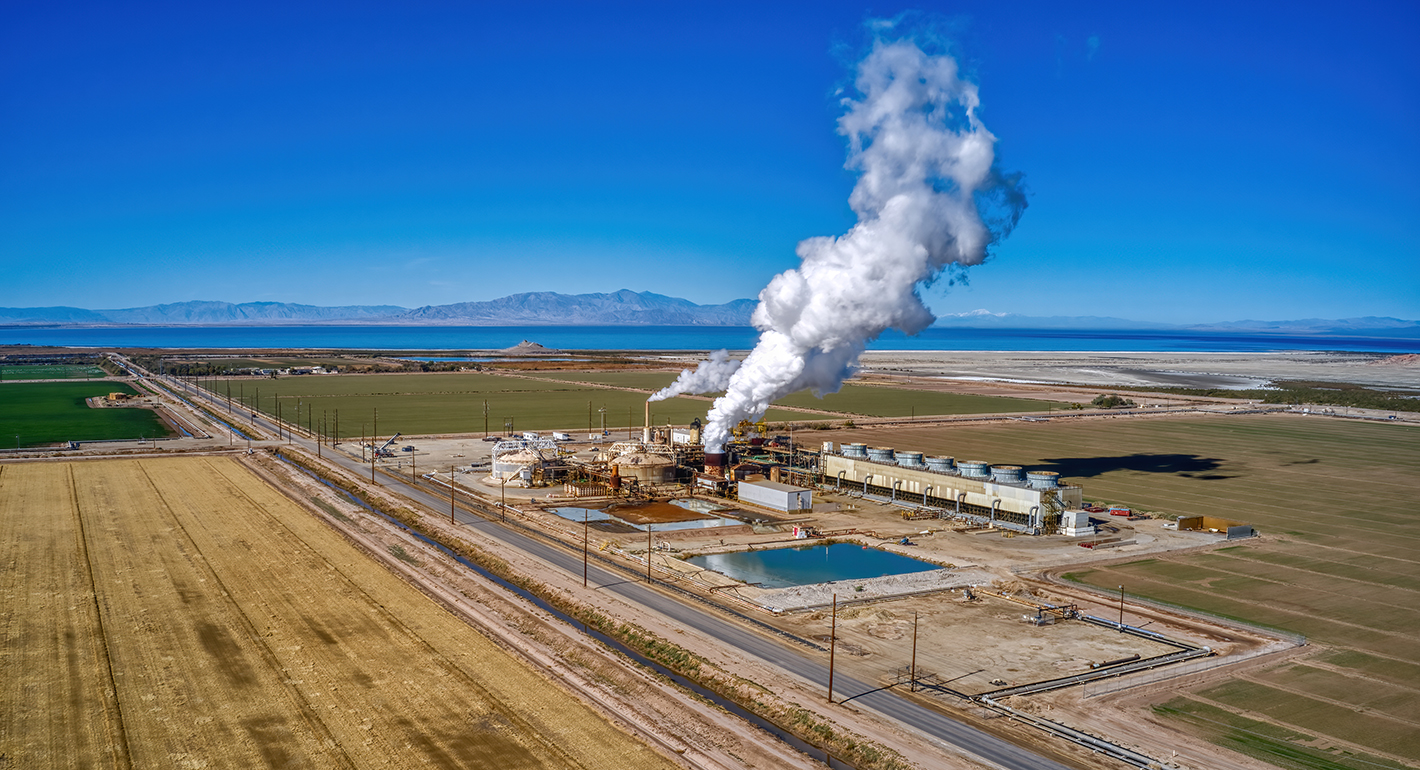
The DFC should focus on advanced, low-carbon energy sources, prioritizing areas where the United States has comparative advantages.
Noah Gordon, Liana Schmitter-Emerson
Lee’s tour shows how Seoul is reorganizing its diplomacy away from Pyongyang and toward industrial networks and the geography of the compute economy.

Darcie Draudt-Véjares
The Pentagon is calling for a rapid AI transformation. Autonomous drones offer a case study in the eight bottlenecks the U.S. military must navigate to realize that vision.
Jake Steckler