

Other
Anders Aslund
{
  "authors": [
    "Anders Aslund"
  ],
  "type": "legacyinthemedia",
  "centerAffiliationAll": "dc",
  "centers": [
    "Carnegie Endowment for International Peace"
  ],
  "collections": [],
  "englishNewsletterAll": "ctw",
  "nonEnglishNewsletterAll": "",
  "primaryCenter": "Carnegie Endowment for International Peace",
  "programAffiliation": "russia",
  "programs": [
    "Russia and Eurasia"
  ],
  "projects": [],
  "regions": [
    "Caucasus",
    "Russia"
  ],
  "topics": []
}
REQUIRED IMAGE
Source: Carnegie
Liberalism's Economic Triumph
Originally published in The Moscow Times on April 26, 2004.
In the burgeoning debate about liberalism in Russia, one fact is so obvious that it is barely spelled out: Economic liberalism has prevailed in Russia. Before the 1999 State Duma elections, the Communist Party changed its party program to embrace a normal market economy. Since then, there has been a broad consensus of support for a liberal market economy, and that market economy has delivered average growth of nearly 7 percent per year.
Alas, politicians are not thanked for having been right. A free-market economy has become banal, as was evident from the absence of controversy when President Vladimir Putin received radical free marketeers at his residence a few weeks ago. The liberals did not gain much from their economic program in the Duma elections in December not because their ideas were controversial, but, on the contrary, because everybody else thought nearly the same. To the extent that economic ideas mattered, it was small deviations from the free-market consensus that became the attraction.
Unfortunately, there is very little understanding of Russia's recent economic history. In the early 1990s, hardly anybody in Russia understood what a normal market economy was and required. Thanks to the revolutionary wisdom of then-President Boris Yeltsin, he appointed the best market-minded economists in the country to his government in November 1991.
Amazingly, Prime Minister Yegor Gaidar succeeded in liberalizing prices and Russia became a market economy. For the rest, wild populism and the corruption of the old red directors prevailed, resulting in high inflation and a precipitate fall in output.
One major reform -- privatization -- continued thanks to the extraordinary political survival skills of Anatoly Chubais. He rightly considered that the most important thing was to privatize while possible, and made the necessary political compromises. As the red directors were the dominant stakeholders in the early 1990s, they got their hands on most of the property at minimal expense. Unfortunately, they were, for the most part, incompetent and just sat on their enterprises in what was a semi-reformed economy.
Apart from privatization, the years 1994-98 can largely be characterized as lost time for economic reform, with the problems of half-baked market reform piling up. Deregulation did not proceed, indeed was partially revoked; the Soviet bureaucracy had recovered, especially at the regional level; inflation was brought down, but the budget deficit remained unsustainable, at around 8 percent of GDP. The main cause of the budget deficit was enterprise subsidies, which the World Bank has estimated at 16 percent of GDP for 1998.
Barter played a key role in this mess. One of its functions was to give big enterprises huge tax rebates, so they were favored both through subsidies and tax rebates. Another effect of barter was that tax revenues were diverted from the federal government to regional governors.
Inevitably, the outcome of the accumulation of serious budget deficits was that government debt became too large, driving up interest rates and eventually forcing the devaluation of the currency. Massive state subsidization of major enterprises averted economic growth.
In July 1998, the government under Sergei Kiriyenko, together with the International Monetary Fund, finally agreed on a reform program to complete Russia's market transformation with a tenable fiscal policy. However, the Duma rejected it. There were three collective culprits: regional governors, who did not want to share their abundant revenues with the federal government; big businessmen, who thrived on subsidies and regulatory privileges; and the Communists, who favored state intervention in principle. So it was only a matter of time before Russia would face a financial crash.
On Aug. 17, the blow came: Russia both devalued and defaulted on its domestic debt. This was a horrendous blow for the new middle class that lost its bank savings once again, yet it was also the catharsis that Russian society seems to have needed. The regional governors, big business and the Communists were duly punished, while economic liberals were invited to be in charge of economic policy.
Paradoxically, economically liberalism won in 1998. Ever since, the Kiriyenko-IMF program has been pursued. The program put together by German Gref in 2000 can best be described as a new edition of it. The so-called Washington Consensus on free markets and restrained fiscal and monetary policy works eminently in Russia.
The salient features of Russia's successful policy are not very original, but sound. The budget has been slightly overbalanced after the fiscal crisis; barter has almost completely been eliminated through better fiscal control; socially harmful enterprise subsidies have been minimized, and private enterprises now face hard budget constraints; taxes have been slashed and simplified.
Under these new conditions, already private enterprises were able to develop in healthy competition. One of the effects of the 1998 crash was that enterprises' prices plummeted, which convinced many old red directors to sell their booty while it was still of any value at all. As a result, many new enterprise groups surged, such as MDM, which bought up various coal mines.
Today, a handful of big integrated enterprise groups dominates most branches of heavy industry, oil, metals, chemicals and machine-building. Nearly all the successful companies are private. They have consolidated and restructured old Soviet industry, and closed down obsolete plants.
Generally, each of these large companies has a group of core owners controlling 80 percent or so of the company's shares. They are, for the most part, engineers from Russia's best engineering institutes and approximately 40 years of age. This appears to be an ideal ownership structure for heavy industry with massive economies of scale. Frankly, it is not very different in Sweden or Finland, with similar industrial structures. No private monopolies are apparent.
The private sector has proven itself in Russia, while the state remains deficient in so many ways. Whereas public education and healthcare receive respectable financing, their efficiency is beneath contempt. The greatest threat to law and order comes from law enforcement; the military remains in dismal shape; public housing and communal services attract innumerable complaints, and state inspectors from dozens of agencies are still harassing private enterprises on a daily basis.
Under these conditions, economic liberalism is straightforward common sense.
Anders Aslund, director of the Russian and Eurasian program at the Carnegie Endowment for International Peace, contributed this comment to The Moscow Times. This is the second in a series of articles written on the occasion of the Carnegie Moscow Center's 10th anniversary.
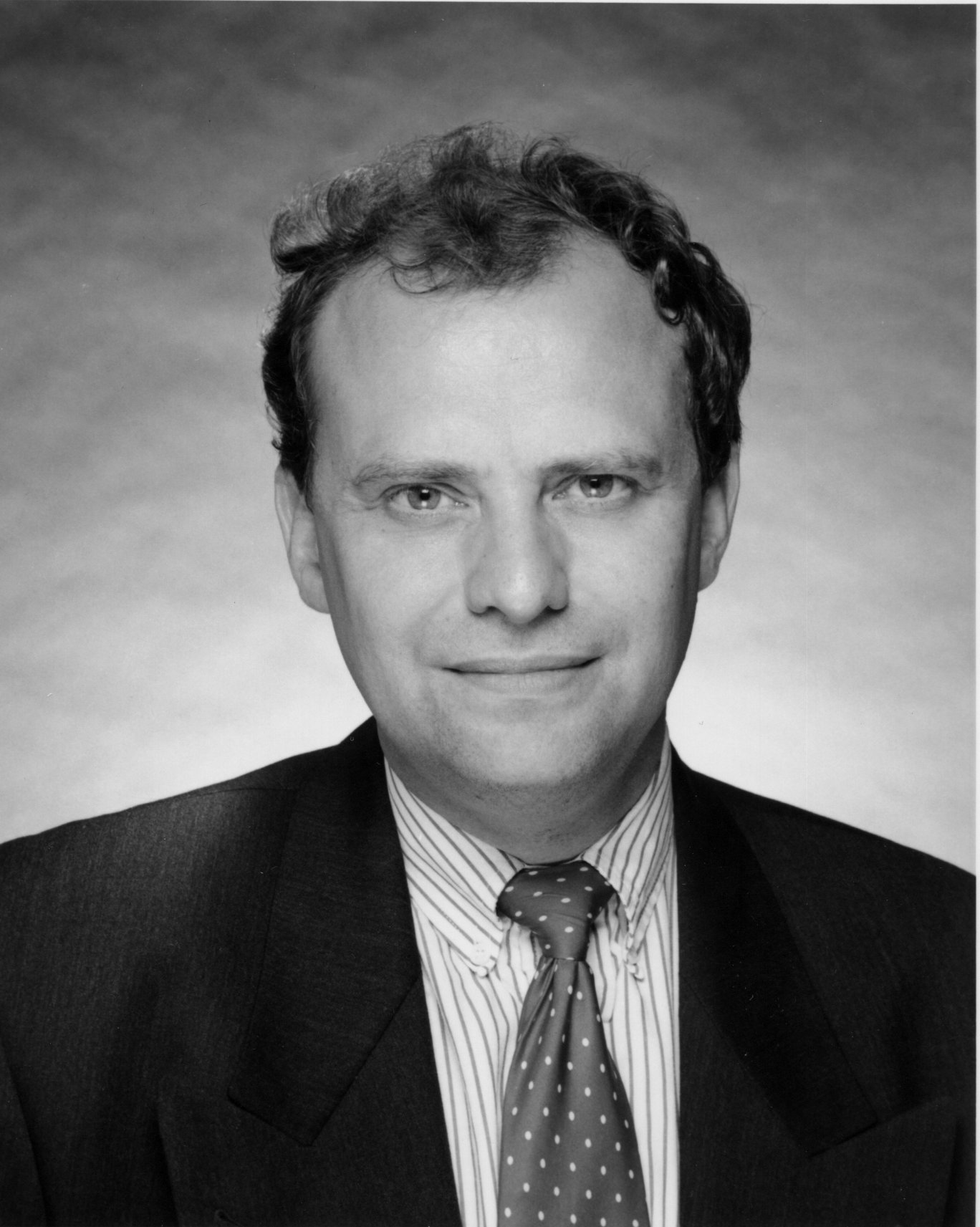
Former Senior Associate, Director, Russian and Eurasian Program
Recent Work
Anders Aslund
Anders Aslund

Trump is distracted and Ukraine wants Europe to step up. The continent’s leaders must find their voice and assert it in talks with Russia.

Alissa de Carbonnel

Mounting economic strain and battlefield losses will not necessarily make the Kremlin less dangerous. They could instead push Moscow toward a more aggressive hybrid campaign designed to test NATO’s Eastern flank, exploit allied hesitation, and fracture European resolve.

Maksym Beznosiuk
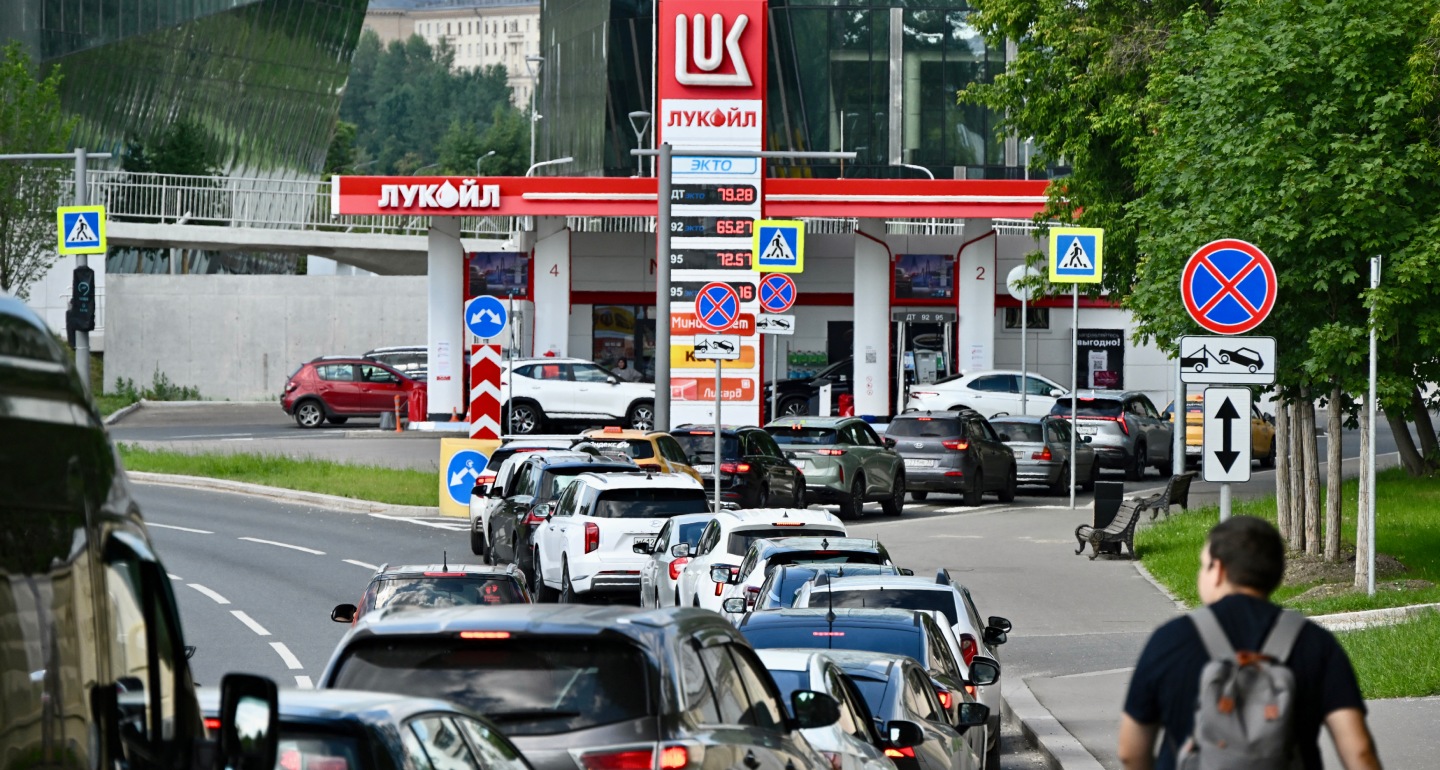
Official discussions about mini oil refineries are unlikely to come to anything—but the mere fact they’re happening reveals the regime is failing to deliver a functioning economy.

Sergey Vakulenko
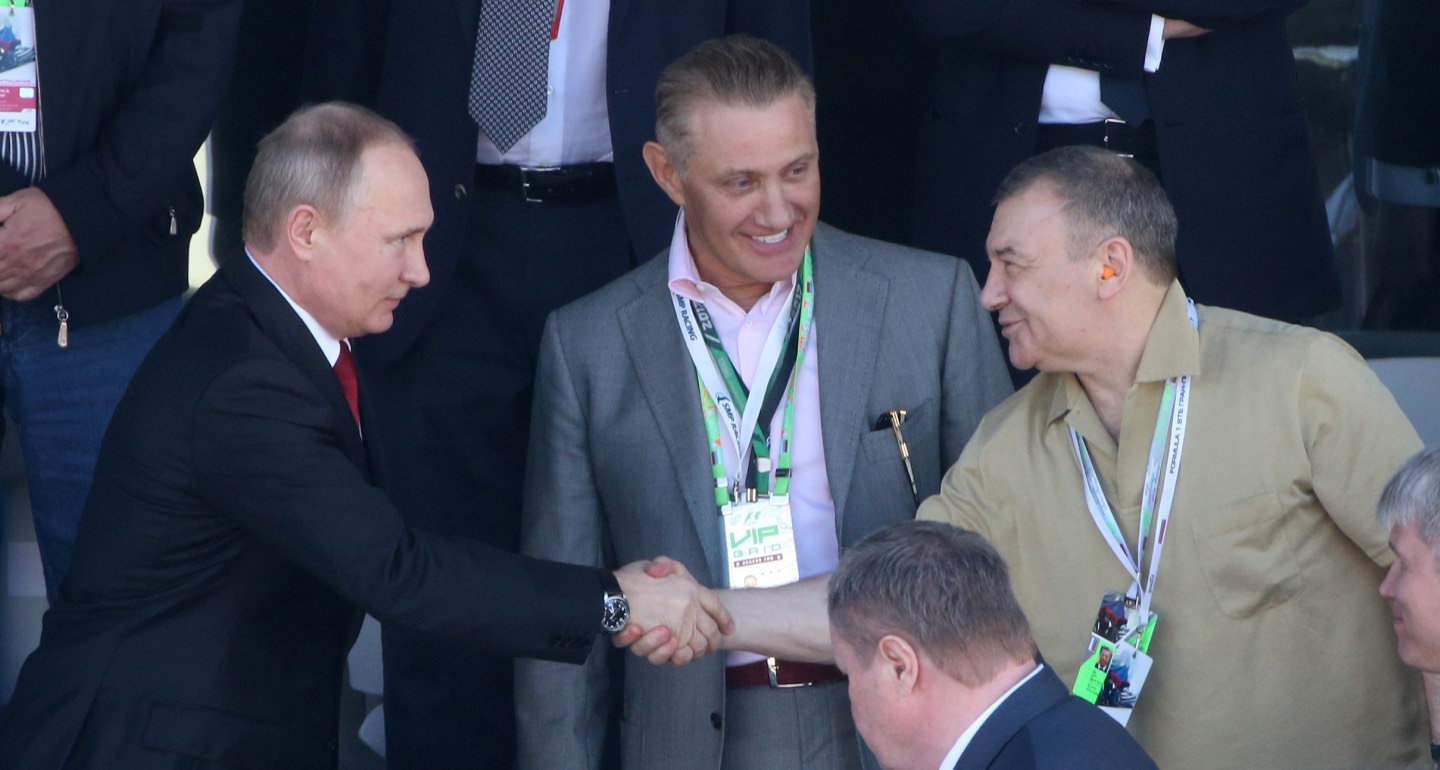
The security forces are targeting Arkady and Boris Rotenberg’s patronage network—and in Putin’s Russia, it’s extremely hard to stop a purge once it’s under way.
Mikhail Komin
Andrey Melnichenko’s essay offers no answer to the fundamental question of how, under any kind of negotiated settlement, Europe can protect itself from the Russian ressentiment that is inevitable in all scenarios except for an outright victory for Putin.

Leonid Bershidsky