

Paper
Ashley J. Tellis
{
  "authors": [
    "Ashley J. Tellis"
  ],
  "type": "legacyinthemedia",
  "centerAffiliationAll": "dc",
  "centers": [
    "Carnegie Endowment for International Peace"
  ],
  "collections": [],
  "englishNewsletterAll": "ctw",
  "nonEnglishNewsletterAll": "",
  "primaryCenter": "Carnegie Endowment for International Peace",
  "programAffiliation": "SAP",
  "programs": [
    "South Asia"
  ],
  "projects": [],
  "regions": [
    "United States",
    "South Asia",
    "India"
  ],
  "topics": [
    "Military",
    "Foreign Policy"
  ]
}
REQUIRED IMAGE
Senior Associate Ashley J. Tellis explains why the diplomatic interactions between the United States and India are simply too complicated to be transformed simply by successes in military-to-military relations.
Source: Force, October 2004
Originally published in Force, October 2004
During the first two years of the Bush administration, U.S.-India relations reached their high point. Increasing military-to-military ties represent the most significant example of this improved relationship. Yet, even flourishing military relations cannot function as the driver of a new bilateral relationship. The diplomatic interactions between the United States and India are simply too complicated and intersect in far too many areas of high politics to lend themselves to being transformed simply by successes in military-to-military relations. Senior Associate Ashley J. Tellis explains why.
Former Senior Fellow
Ashley J. Tellis was a senior fellow at the Carnegie Endowment for International Peace.
Recent Work
Ashley J. Tellis
Ashley J. Tellis
Carnegie does not take institutional positions on public policy issues; the views represented herein are those of the author(s) and do not necessarily reflect the views of Carnegie, its staff, or its trustees.
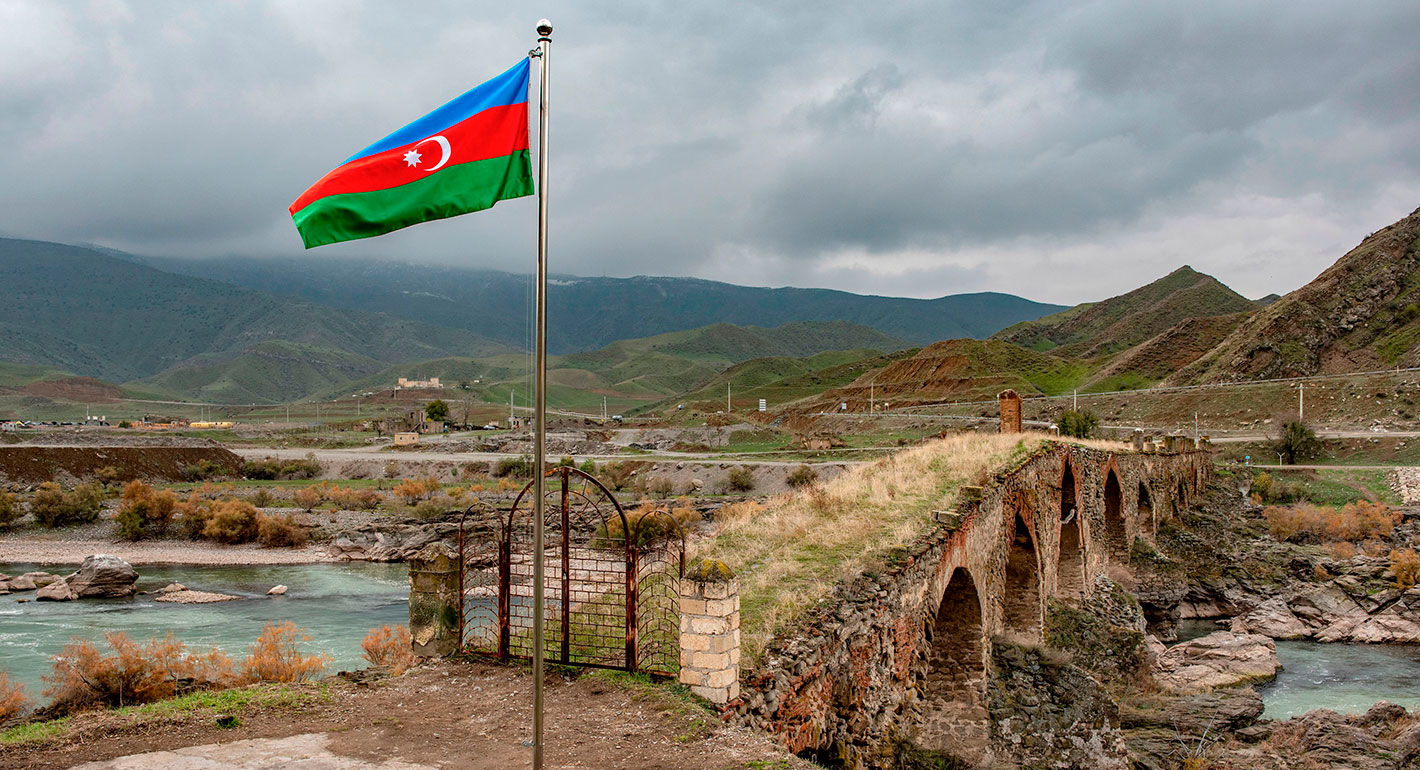
In an interview, Sergei Melkonian discusses Armenia’s and Azerbaijan’s careful balancing act among the United States, Israel, and Iran.

Armenak Tokmajyan
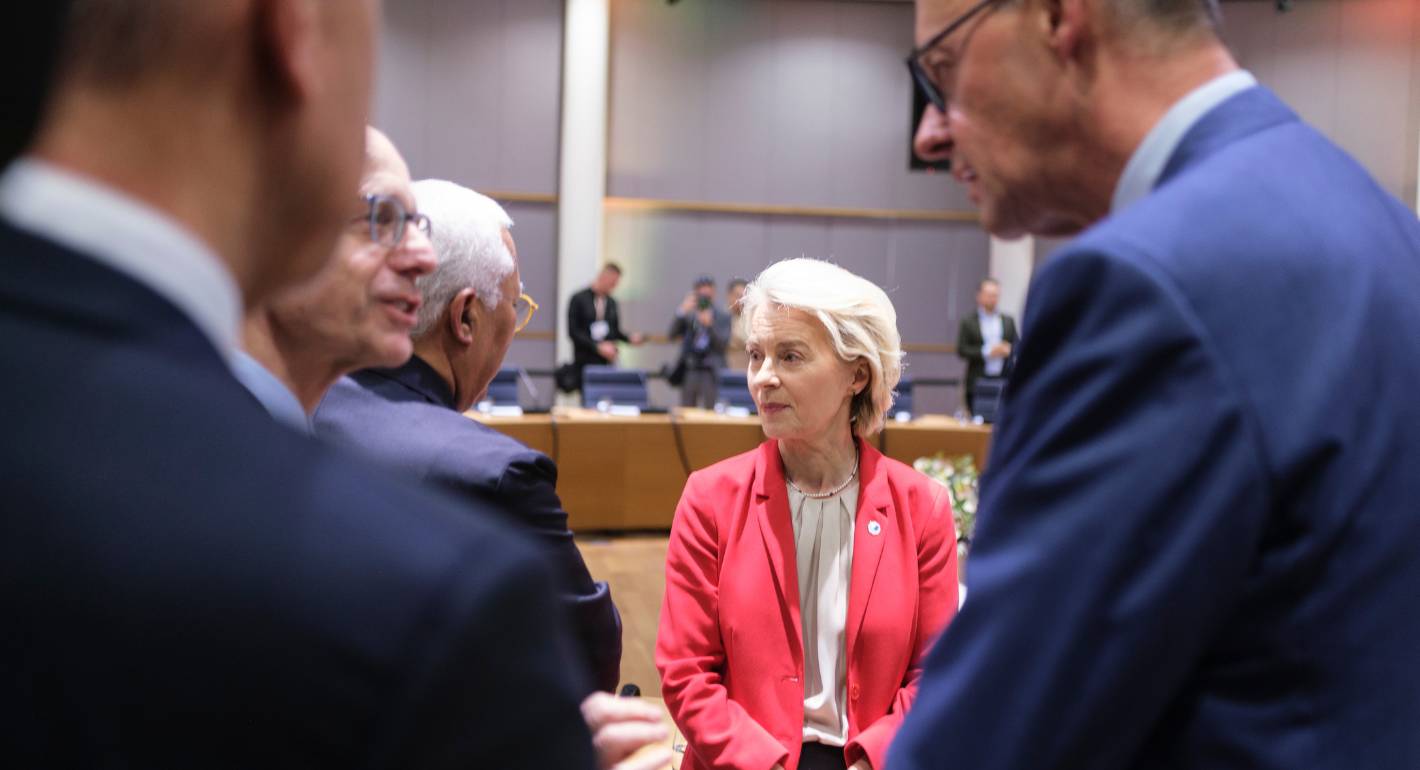
The war in Iran proves the United States is now a destabilizing actor for Europe and the Arab Gulf. From protect their economies and energy supplies to safeguarding their territorial integrity, both regions have much to gain from forming a new kind of partnership together.

Rym Momtaz
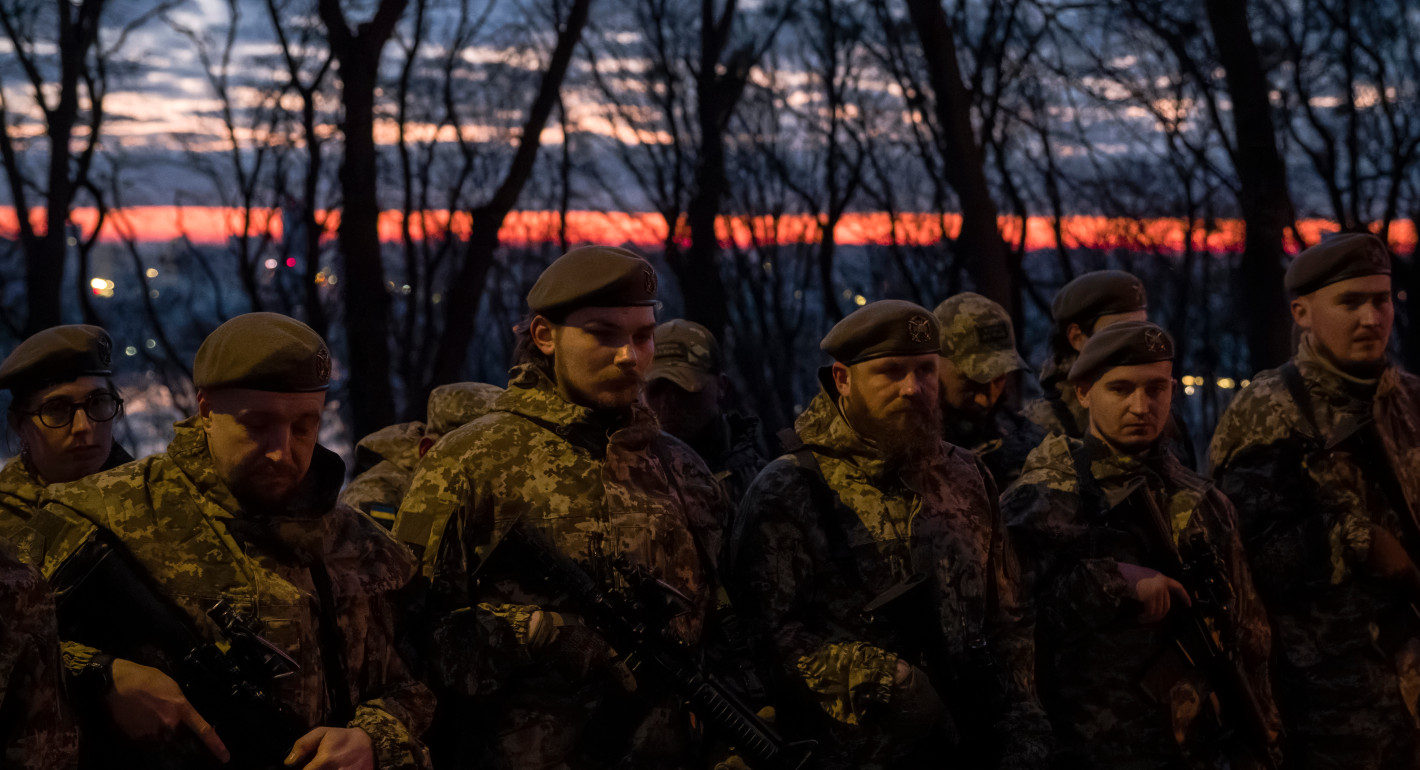
Strategy and force design are key to solving Kyiv’s persistent manning and readiness problems.

Viktor Kevliuk, Olesya Favorska, Andriy Zagorodnyuk

The current U.S. indifference to human rights means Astana no longer has any incentive to refuse extradition requests from its authoritarian neighbors—including Russia.

Temur Umarov
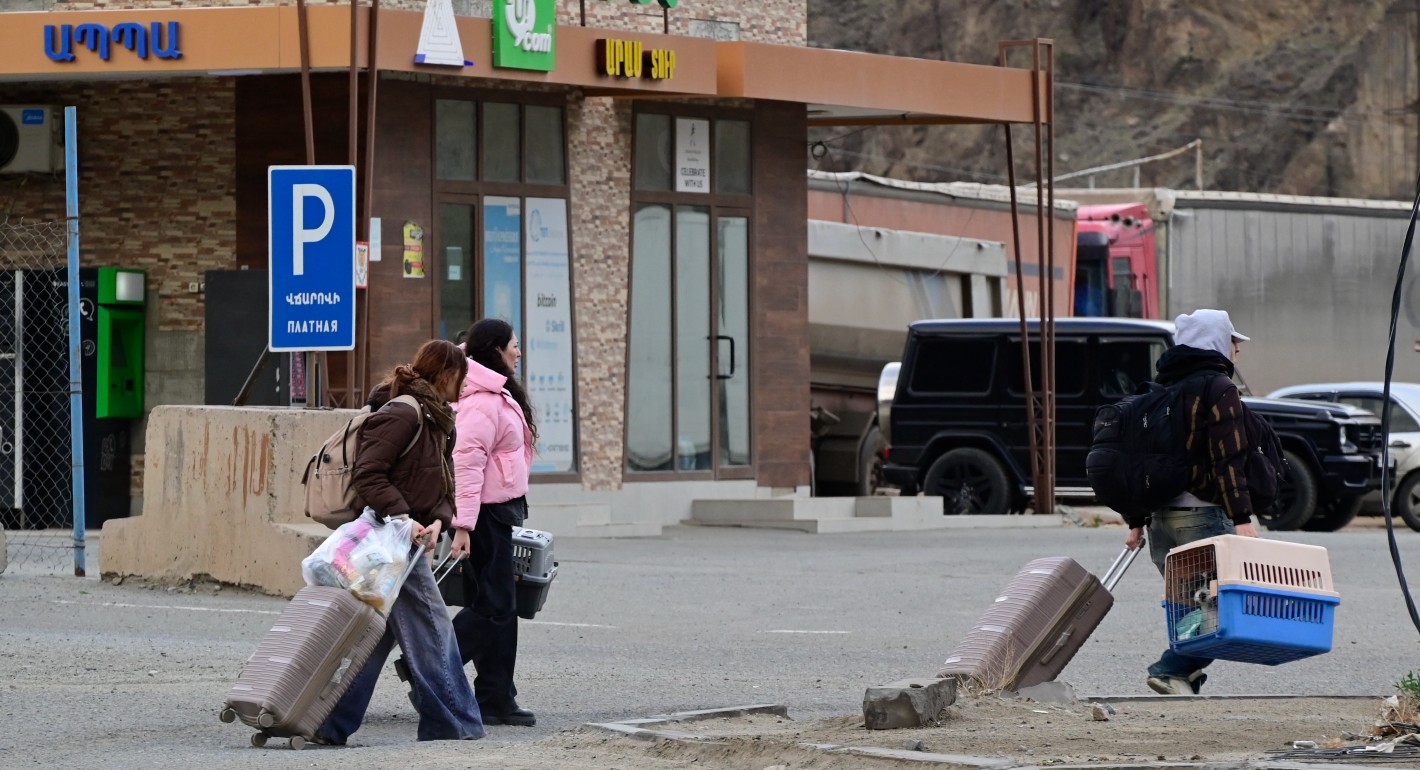
The conflict is threatening stability in Armenia and Azerbaijan.

Zaur Shiriyev