• Research
  • Emissary
  • About
  • Experts
Carnegie Global logoCarnegie lettermark logo
DemocracyIran
  • Donate
{
  "authors": [
    "Mei Ying Gechlik (Veron Hung)"
  ],
  "type": "legacyinthemedia",
  "centerAffiliationAll": "dc",
  "centers": [
    "Carnegie Endowment for International Peace"
  ],
  "collections": [],
  "englishNewsletterAll": "asia",
  "nonEnglishNewsletterAll": "",
  "primaryCenter": "Carnegie Endowment for International Peace",
  "programAffiliation": "AP",
  "programs": [
    "Asia"
  ],
  "projects": [],
  "regions": [
    "China"
  ],
  "topics": [
    "Democracy",
    "Economy",
    "Military"
  ]
}
REQUIRED IMAGE

REQUIRED IMAGE

In The Media

China Fails to Keep its WTO Promise

Link Copied
By Mei Ying Gechlik (Veron Hung)
Published on Dec 21, 2004
Program mobile hero image

Program

Asia

The Asia Program in Washington studies disruptive security, governance, and technological risks that threaten peace, growth, and opportunity in the Asia-Pacific region, including a focus on China, Japan, and the Korean peninsula.

Learn More

Source: Apple Daily

Clich here for full text in Chinese.
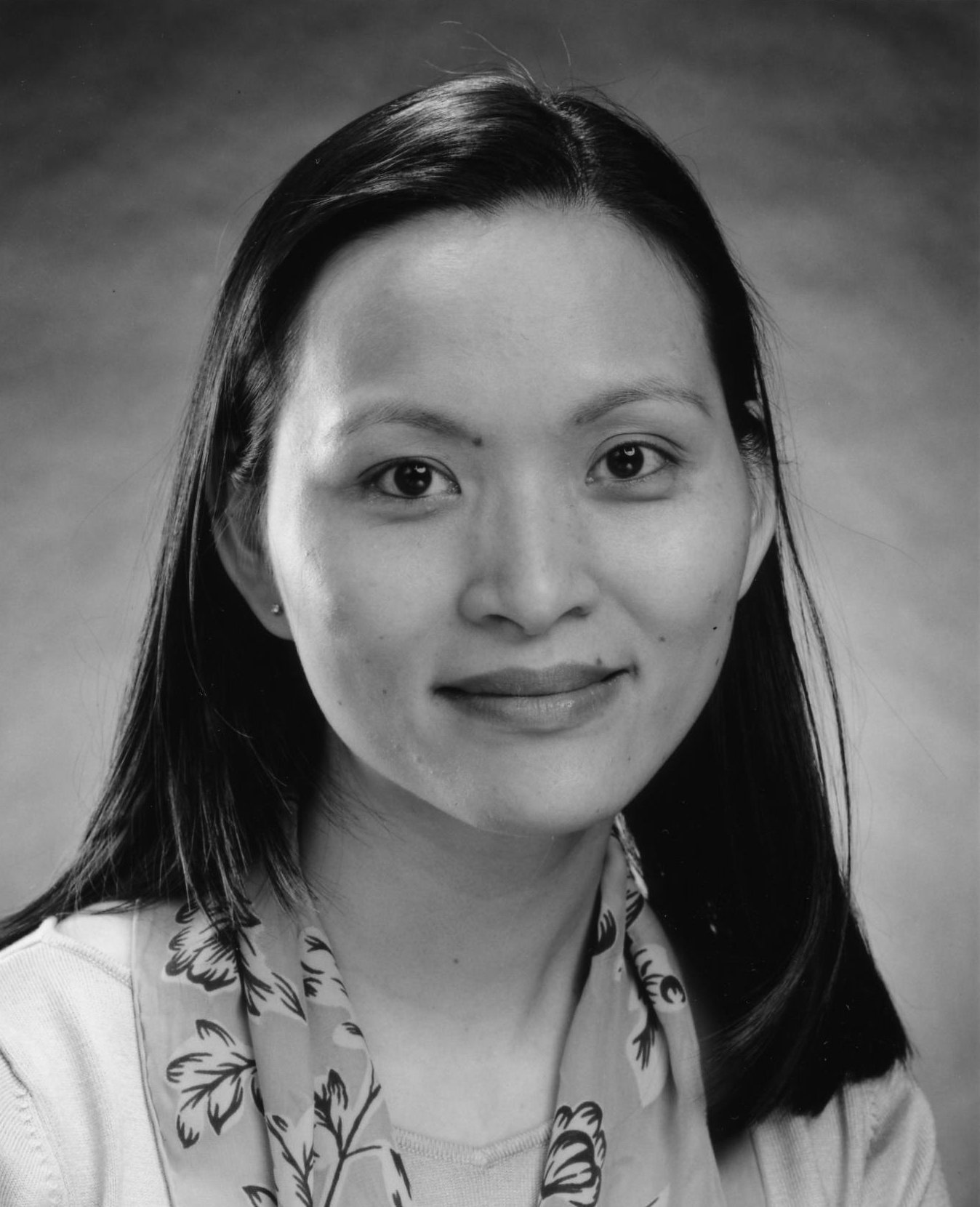
About the Author

Mei Ying Gechlik (Veron Hung)

Former Non-Resident Associate

    Recent Work

  • Paper
    Protecting Intellectual Property Rights in Chinese Courts: An Analysis of Recent Patent Judgments

      Mei Ying Gechlik (Veron Hung)

  • Paper
    Judicial Reform in China: Lessons from Shanghai

      Mei Ying Gechlik (Veron Hung)

Mei Ying Gechlik (Veron Hung)

Former Non-Resident Associate
Mei Ying Gechlik (Veron Hung)
DemocracyEconomyMilitaryChina

Carnegie does not take institutional positions on public policy issues; the views represented herein are those of the author(s) and do not necessarily reflect the views of Carnegie, its staff, or its trustees.

More Work from Carnegie Endowment for International Peace

  • Commentary
    Strategic Europe
    There Is No Shortcut for Europe in Armenia

    Europe has an interest in supporting Armenian leader Nikol Pashinyan as he tries to make peace with neighbors and loosen ties with Russia. But it is depersonalized support in the long term, not quickfire flash, that will win the day.

      Thomas de Waal

  • Article
    From Labor Scarcity to AI Society: Governing Productivity in East Asia

    The debate over AI and work too often centers on displacement. Facing aging populations and shrinking workforces, East Asian policymakers view AI not as a threat, but as a cross-sectoral workforce strategy.

      Darcie Draudt-Véjares, Sophie Zhuang

  • Article
    Governing AI in the Shadow of Giants: Korea’s Strategic Response to Great Power AI Competition

    In its version of an AI middle power strategy, Seoul is pursuing alignment with the United States not as an endpoint but as a strategy to build industrial and geopolitical leverage. Whether this balance holds remains an open question.

      Darcie Draudt-Véjares, Seungjoo Lee

  • China Financial Markets
    Commentary
    China Financial Markets
    Is China’s High-Quality Investment Output Economically Viable?

    China’s rapid technological progress and its first-rate infrastructure are often cited as refuting the claim that China has been systematically overinvesting in non-productive projects for many years. In fact, as the logic of overinvestment and the many historical precedents show, the former is all-too-often consistent with the latter.

      Michael Pettis

  • Commentary
    Carnegie Politika
    The Much-Touted Middle Corridor Transport Route Could Prove a Dead End

    For the Middle Corridor to fulfill its promises, one of these routes must become scalable. At present, neither is.

      Friedrich Conradi

Get more news and analysis from
Carnegie Endowment for International Peace
Carnegie global logo, stacked
1779 Massachusetts Avenue NWWashington, DC, 20036-2103Phone: 202 483 7600
  • Research
  • Emissary
  • About
  • Experts
  • Donate
  • Programs
  • Events
  • Blogs
  • Podcasts
  • Contact
  • Annual Reports
  • Careers
  • Privacy
  • For Media
  • Government Resources
Get more news and analysis from
Carnegie Endowment for International Peace
© 2026 Carnegie Endowment for International Peace. All rights reserved.