

Paper
The U.S. midterm elections signal the opening of a narrow window for bold Saudi diplomacy on Palestine.
Andrew Leber, Zaha Hassan
{
  "authors": [
    "Marina Ottaway",
    "Amr Hamzawy"
  ],
  "type": "other",
  "centerAffiliationAll": "dc",
  "centers": [
    "Carnegie Endowment for International Peace"
  ],
  "collections": [],
  "englishNewsletterAll": "democracy",
  "nonEnglishNewsletterAll": "",
  "primaryCenter": "Carnegie Endowment for International Peace",
  "programAffiliation": "DCG",
  "programs": [
    "Democracy, Conflict, and Governance",
    "Middle East"
  ],
  "projects": [],
  "regions": [
    "Middle East"
  ],
  "topics": [
    "Political Reform",
    "Democracy",
    "Economy",
    "Foreign Policy"
  ]
}
REQUIRED IMAGE
Although the United States and Europe share in interest in promoting political reform in the Middle East, they have not yet worked out whether they can work productively together on this task. Recent efforts to forge joint initiatives have demonstrated a tendency to devolve into lowest common denominator approaches that generate only lukewarm commitment.
Although the United States and Europe share in interest in promoting political reform in the Middle East, they have not yet worked out whether they can work productively together on this task. Recent efforts to forge joint initiatives have demonstrated a tendency to devolve into lowest common denominator approaches that generate only lukewarm commitment. A better way forward is for the United States and Europe to pursue separate but complementary policies that emphasize the respective strengths of each side—in the case of the United States, its power, in the case of Europe, its credibility in the Arab world.
Click link at right for full text.
Click on the link above for the full text of this Policy Outlook.
About the Authors
Marina Ottaway is a senior associate in the Democracy and Rule of Law Project at the Carnegie Endowment for International Peace. She works on problems of democratization and post-conflict transitions.
Amr Hamzawy is a senior associate in the Democracy and Rule of Law Project at the Carnegie Endowment for International Peace. He works on issues of political reform in the Middle East.
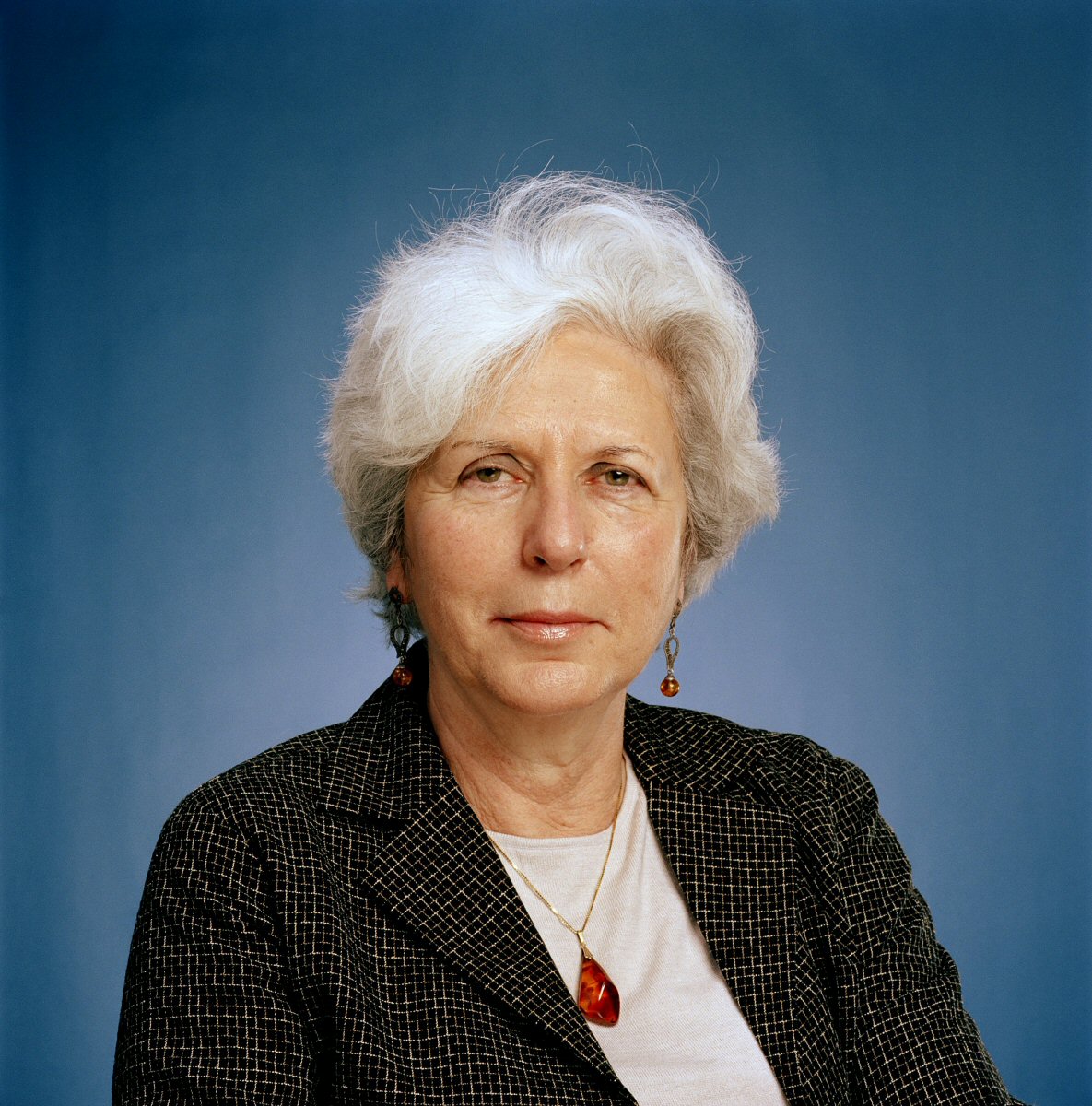
Former Senior Associate, Middle East Program
Before joining the Endowment, Ottaway carried out research in Africa and in the Middle East for many years and taught at the University of Addis Ababa, the University of Zambia, the American University in Cairo, and the University of the Witwatersrand in South Africa.

Director, Middle East Program
Amr Hamzawy is a senior fellow and the director of the Carnegie Middle East Program. His research and writings focus on Egypt’s and other middle powers’ involvement in regional security in the Middle East, particularly through collective diplomacy and multilateral conflict resolution
Carnegie does not take institutional positions on public policy issues; the views represented herein are those of the author(s) and do not necessarily reflect the views of Carnegie, its staff, or its trustees.
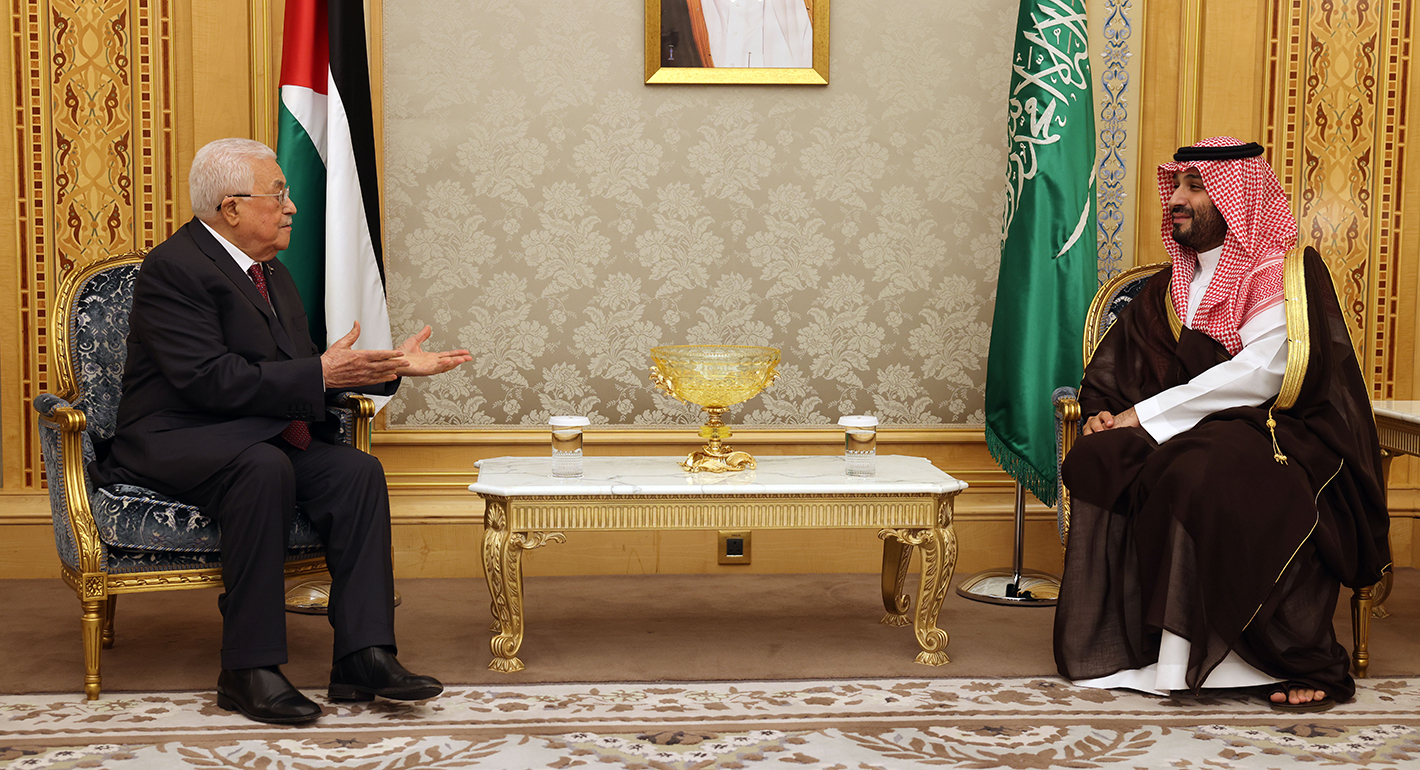
The U.S. midterm elections signal the opening of a narrow window for bold Saudi diplomacy on Palestine.

Andrew Leber, Zaha Hassan

China’s political future will be shaped between now and next October. As the Communist Party enters its intense “campaign season” to prepare for a major political transition in 2027, reading Beijing's actions and responses may become more difficult as domestic politics weigh on its behavior more than usual.

Damien Ma

The EU can impose sanctions but struggles to enforce them without the United States. With Washington increasingly disinterested in backing European interests, the bloc must now fend for itself.


Nicu Popescu, Tiago Antunes
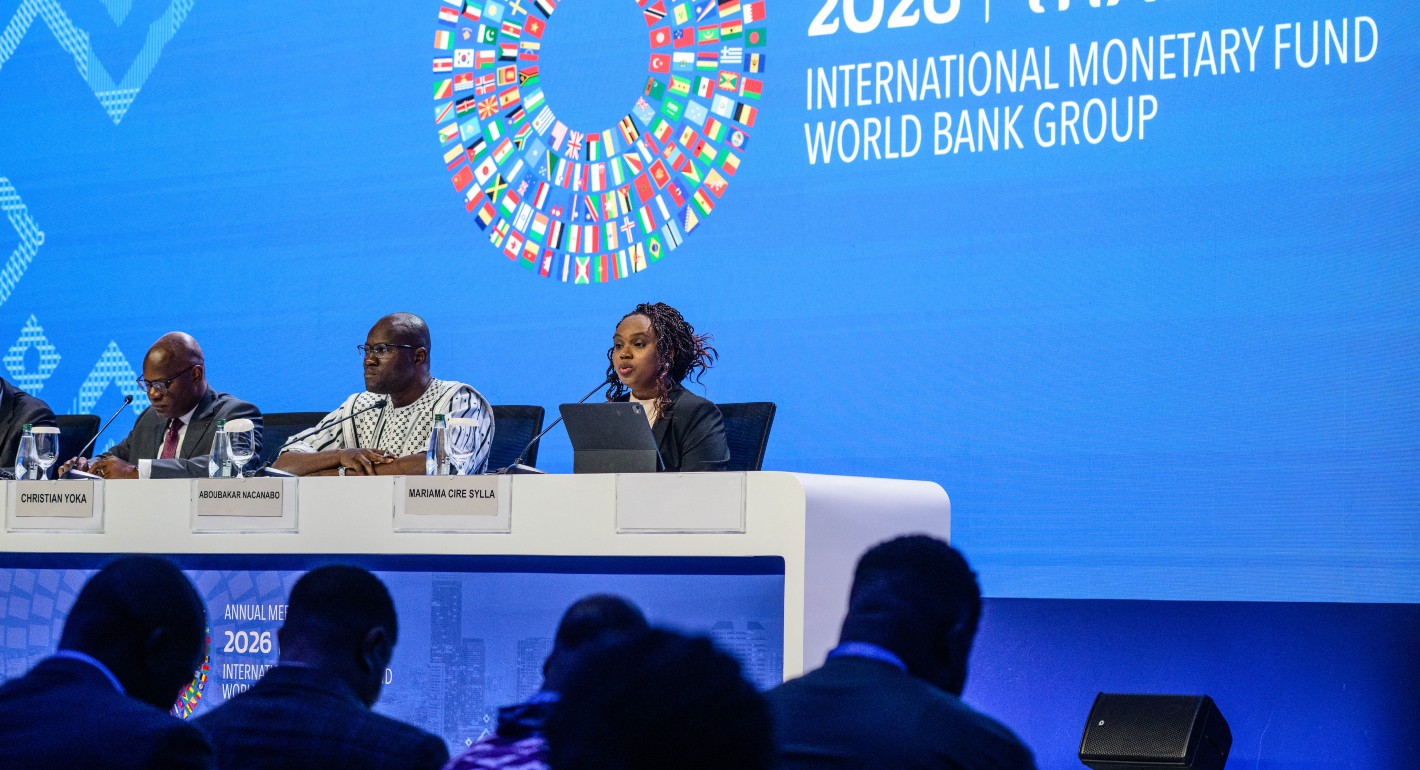
Global and rising powers will need to engage with Africa’s priorities and agency in order to secure the continent’s increasingly attractive partnerships.
Fonteh Akum

Rubio’s recent visit brought welcome attention, but more capital requires governance changes that may be a hard sell for regional governments.

Jennifer B. Murtazashvili