• Research
  • Emissary
  • About
  • Experts
Carnegie Global logoCarnegie lettermark logo
DemocracyIran
  • Donate
{
  "authors": [
    "Husain Haqqani"
  ],
  "type": "testimony",
  "centerAffiliationAll": "dc",
  "centers": [
    "Carnegie Endowment for International Peace"
  ],
  "collections": [],
  "englishNewsletterAll": "ctw",
  "nonEnglishNewsletterAll": "",
  "primaryCenter": "Carnegie Endowment for International Peace",
  "programAffiliation": "SAP",
  "programs": [
    "South Asia"
  ],
  "projects": [],
  "regions": [
    "South Asia",
    "Pakistan"
  ],
  "topics": [
    "Political Reform",
    "Democracy",
    "Security",
    "Foreign Policy",
    "Nuclear Policy"
  ]
}
Source: Getty

Testimony

The United States and Pakistan: Navigating a Complex Relationship

Testimony by Husain Haqqani before the the U.S. Commission on International Religious Freedom.

Link Copied
By Mr. Husain Haqqani
Published on Jun 30, 2005
Program mobile hero image

Program

South Asia

The South Asia Program informs policy debates relating to the region’s security, economy, and political development. From strategic competition in the Indo-Pacific to India’s internal dynamics and U.S. engagement with the region, the program offers in-depth, rigorous research and analysis on South Asia’s most critical challenges.

Learn More

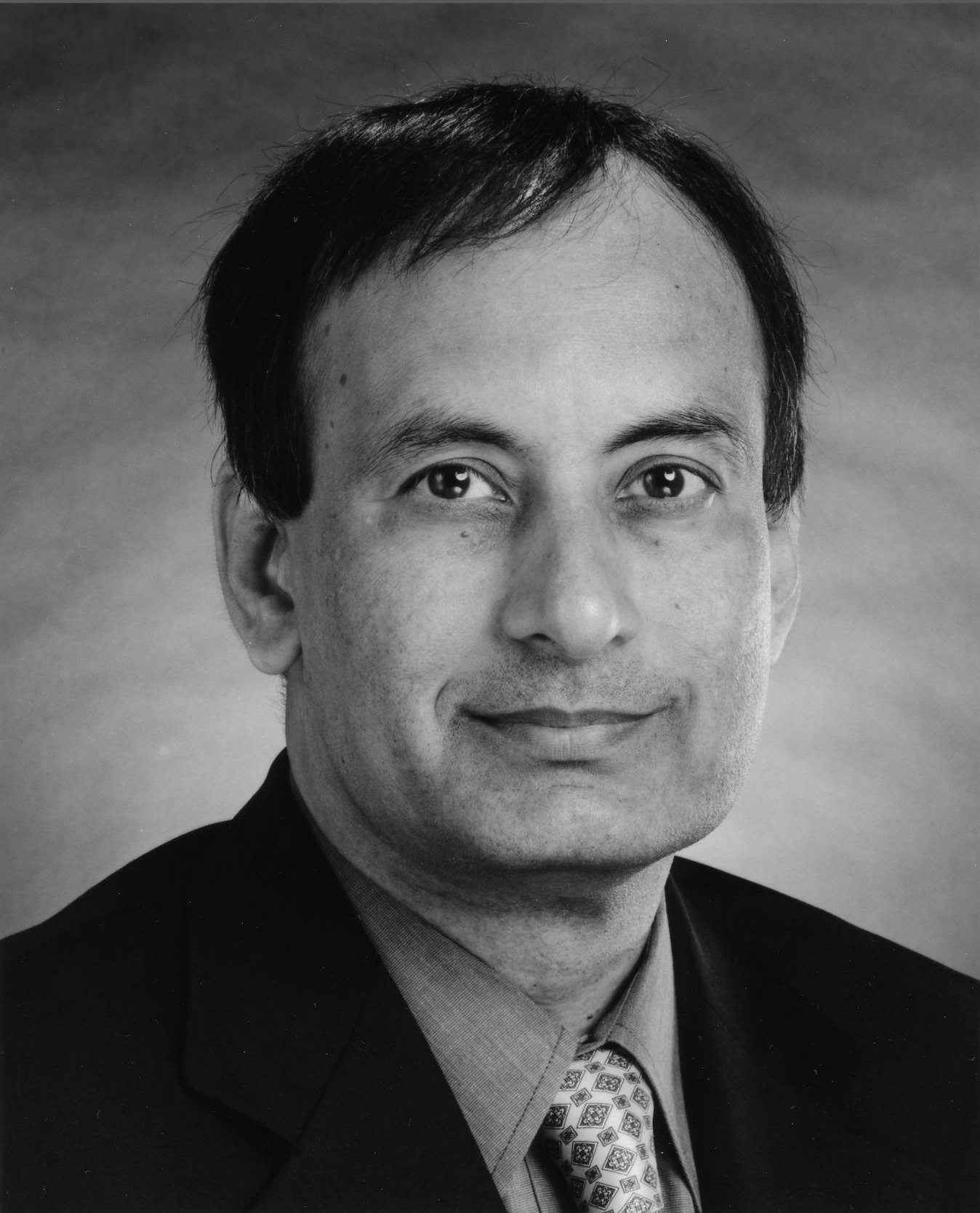
On June 30, 2005, Husain Haqqani, Visiting Scholar, Carnegie Endowment for International Peace and Associate Professor of International Relations, Boston University testified before the the U.S. Commission on International Religious Freedom at a hearing on "The United States and Pakistan: Navigating a Complex Relationship."


I would like to begin by thanking the members of the U.S. Commission on International Religious Freedom for the privilege of testifying before you on the situation in Pakistan and U.S. relations with this extremely important country.


Pakistan and the United States have been allies since the 1950s but their relations have been far from tension free. When it emerged as an independent state in 1947, Pakistan was considered a moderate Muslim nation that could serve as a model for other emerging independent Muslim states. Pakistan’s founder, Muhammad Ali Jinnah, was a Shia Muslim. Its first law minister was a Hindu. Its foreign minister belonged to the Ahmadiyya religious community. Although Pakistan’s birth was accompanied by religious riots and communal violence, the country’s founders clearly intended to create a non-sectarian state that would protect religious freedoms and provide the Muslims of South Asia an opportunity to live in a country where the constituted a majority. Continued >>

Click on the link to the right for the full text of this testimony.  
About the Author

Mr. Husain Haqqani

Former Visiting Scholar

    Recent Work

  • Report
    India and Pakistan: Is Peace Real This Time?: A Conversation between Husain Haqqani and Ashley J. Tellis

      Mr. Husain Haqqani, Ashley J. Tellis

  • Other
    America's New Alliance with Pakistan: Avoiding the Traps of the Past

      Mr. Husain Haqqani

Mr. Husain Haqqani
Former Visiting Scholar
Husain Haqqani
Political ReformDemocracySecurityForeign PolicyNuclear PolicySouth AsiaPakistan

Carnegie does not take institutional positions on public policy issues; the views represented herein are those of the author(s) and do not necessarily reflect the views of Carnegie, its staff, or its trustees.

More Work from Carnegie Endowment for International Peace

  • Commentary
    Emissary
    The Iran War Is Uncovering the Weakness in U.S.-Gulf Ties

    Neither the Abraham Accords nor the presence of large U.S. bases are enough to protect Arab Gulf states.

      Marwan Muasher

  • Commentary
    Carnegie Politika
    The Afghanistan–Pakistan War Poses Awkward Questions for Russia

    Not only does the fighting jeopardize regional security, it undermines Russian attempts to promote alternatives to the Western-dominated world order.

      Ruslan Suleymanov

  • Article
    Rewiring the South Caucasus: TRIPP and the New Geopolitics of Connectivity

    The U.S.-sponsored TRIPP deal is driving the Armenia-Azerbaijan peace process forward. But foreign and domestic hurdles remain before connectivity and economic interdependence can open up the South Caucasus.

      • Areg Kochinyan

      Thomas de Waal, Areg Kochinyan, Zaur Shiriyev

  • Photo of Balen Shah taking a selfie with a group of Nepali adults and children.
    Article
    A New Generation Takes Power in Nepal

    The incoming government has swept Nepal’s election. The real work begins now.

      Amish Raj Mulmi

  • U.S. President Donald Trump (C) oversees "Operation Epic Fury" with (L-R) Central Intelligence Agency Director John Ratcliffe, U.S. Secretary of State Marco Rubio and White House Chief of Staff Susie Wiles at Mar-a-Lago on February 28, 2026 in Palm Beach, Florida. President Trump announced today that the United States and Israel had launched strikes on Iran targeting political and military leaders, as well as Iran’s ballistic missile and nuclear programs. (Photo by Daniel Torok/White House via Getty Images)
    Paper
    Operation Epic Fury and the International Law on the Use of Force

    Assessing U.S. compliance with the international laws of war is essential at a time when these frameworks are already fraying.

      • Federica D'Alessandra

      Federica D’Alessandra

Get more news and analysis from
Carnegie Endowment for International Peace
Carnegie global logo, stacked
1779 Massachusetts Avenue NWWashington, DC, 20036-2103Phone: 202 483 7600Fax: 202 483 1840
  • Research
  • Emissary
  • About
  • Experts
  • Donate
  • Programs
  • Events
  • Blogs
  • Podcasts
  • Contact
  • Annual Reports
  • Careers
  • Privacy
  • For Media
  • Government Resources
Get more news and analysis from
Carnegie Endowment for International Peace
© 2026 Carnegie Endowment for International Peace. All rights reserved.