

In The Media
Martha Brill Olcott
{
  "authors": [
    "Martha Brill Olcott"
  ],
  "type": "legacyinthemedia",
  "centerAffiliationAll": "dc",
  "centers": [
    "Carnegie Endowment for International Peace"
  ],
  "collections": [],
  "englishNewsletterAll": "ctw",
  "nonEnglishNewsletterAll": "",
  "primaryCenter": "Carnegie Endowment for International Peace",
  "programAffiliation": "russia",
  "programs": [
    "Russia and Eurasia"
  ],
  "projects": [],
  "regions": [
    "China",
    "Central Asia",
    "Kazakhstan",
    "Kyrgyz Republic",
    "Caucasus",
    "Russia",
    "Azerbaijan"
  ],
  "topics": [
    "Military",
    "Foreign Policy"
  ]
}
REQUIRED IMAGE
For the past decade Central Asia has been cast as the site of a new "great game," with the United States vying for influence with Russia and China.
Source: Current History
For the past decade Central Asia has been cast as the site of a new "great game," with the United States vying for influence with Russia and China. The label first reemerged when the United States began pushing hard for the creation of an oil pipeline route through Azerbaijan, Georgia, and Turkey (the Baku-Tbilisi-Ceyhan pipeline) as an alternative to shipping Caspian oil and gas through Russia or Iran. Many thought that the opening of US bases in Uzbekistan and Kyrgyzstan and increased military cooperation with the region's three other states--all part of the strategic deployment designed to oust the Taliban and then rebuild civil order in Afghanistan after September 11--ensured US "victory" in the game.
Reprinted with permission from Current History (October 2005) c 2005, Current History, Inc.
Click on the link above for the full text.

Former Senior Associate, Russia and Eurasia Program and, Co-director, al-Farabi Carnegie Program on Central Asia
Olcott is professor emerita at Colgate University, having taught political science there from 1974 to 2002. Prior to her work at the endowment, Olcott served as a special consultant to former secretary of state Lawrence Eagleburger.
Recent Work
Martha Brill Olcott
Martha Brill Olcott
Carnegie does not take institutional positions on public policy issues; the views represented herein are those of the author(s) and do not necessarily reflect the views of Carnegie, its staff, or its trustees.

French President Emmanuel Macron has unveiled his country’s new nuclear doctrine. Are the changes he has made enough to reassure France’s European partners in the current geopolitical context?

Rym Momtaz, ed.
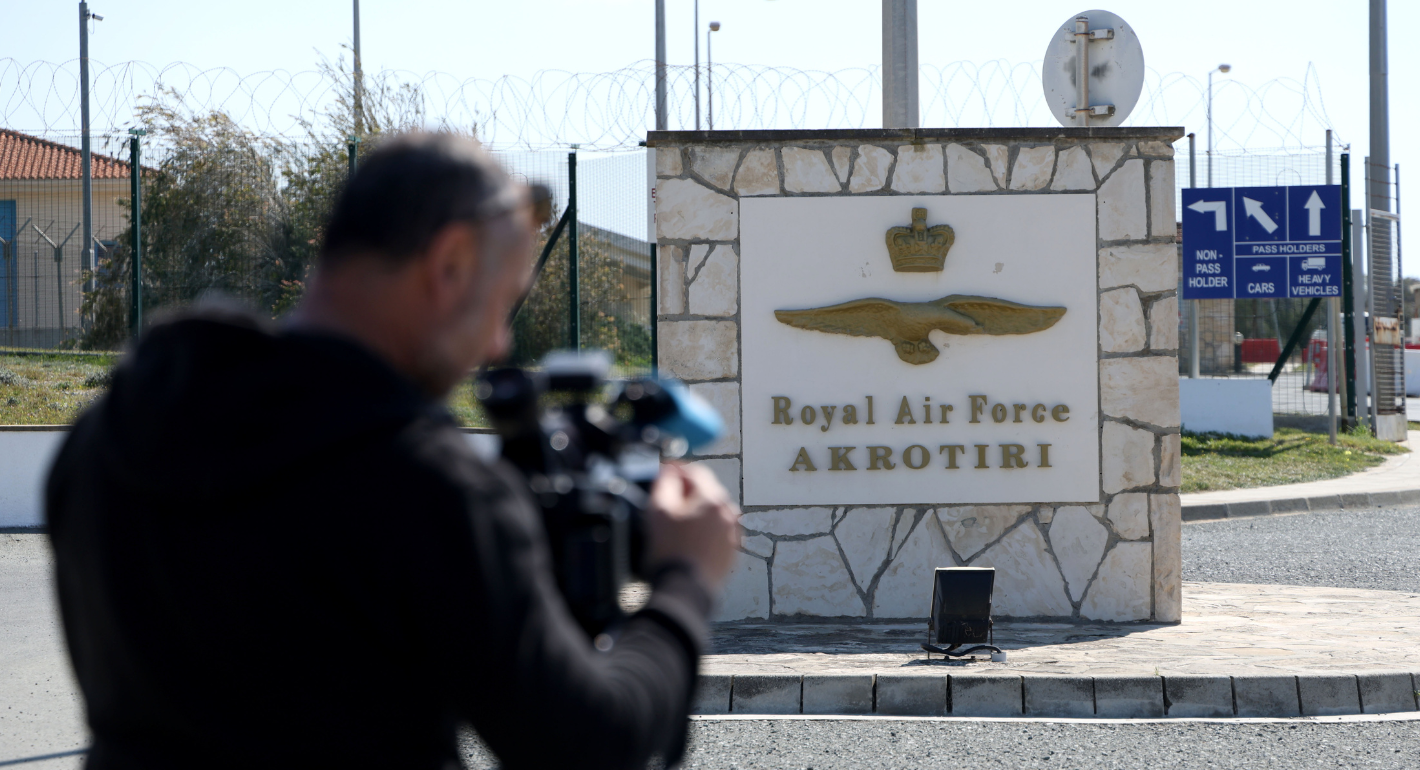
The drone strike on the British air base in Akrotiri brings Europe’s proximity to the conflict in Iran into sharp relief. In the fog of war, old tensions in the Eastern Mediterranean risk being reignited, and regional stakeholders must avoid escalation.

Marc Pierini

Domestic mobilization, personalized leadership, and nationalism have reshaped India’s global behavior.
Sandra Destradi
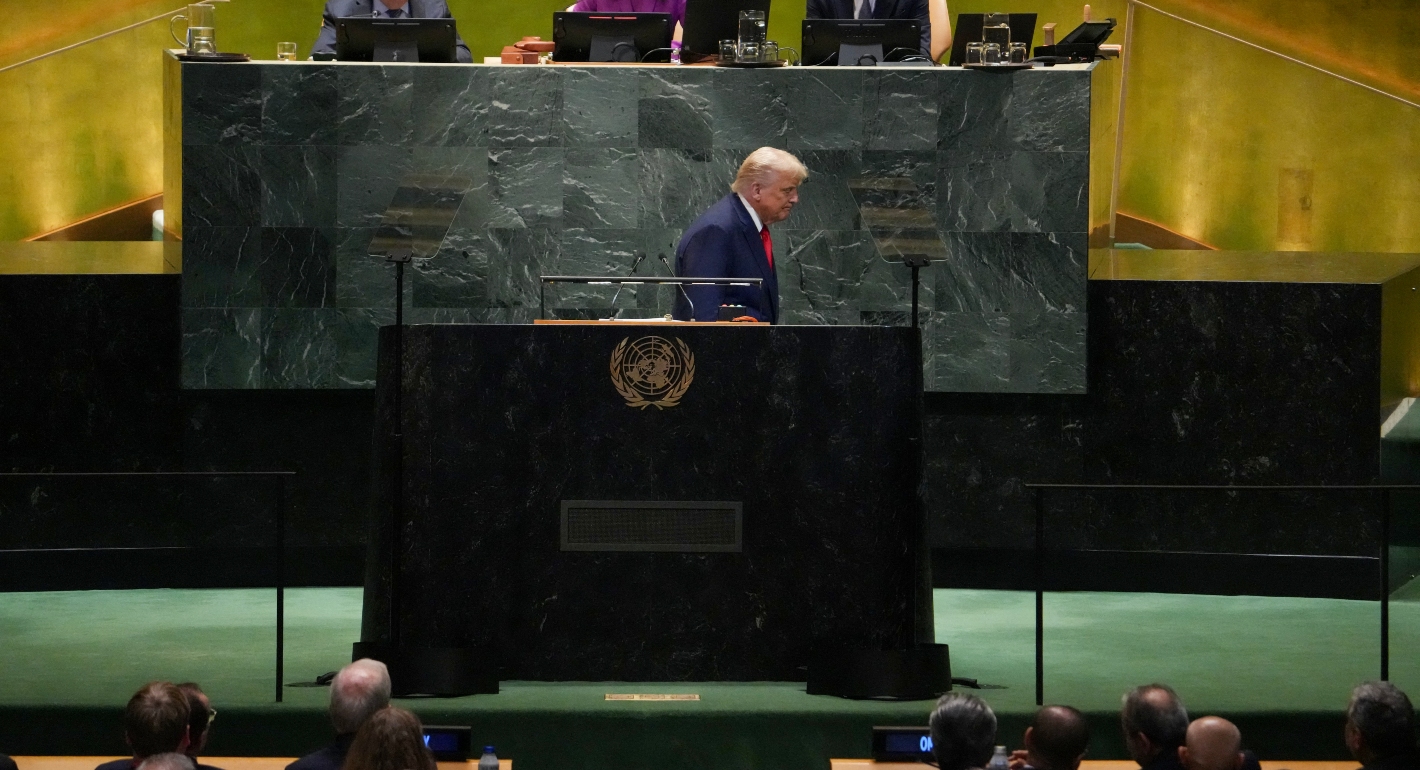
For years, the United States anchored global cyber diplomacy. As Washington rethinks its leadership role, the launch of the UN’s Cyber Global Mechanism may test how allies adjust their engagement.

Patryk Pawlak, Chris Painter

Censorship in China spans the public and private domains and is now enabled by powerful AI systems.
Nathan Law