

Commentary
Dmitri Trenin
{
  "authors": [
    "Dmitri Trenin"
  ],
  "type": "other",
  "centerAffiliationAll": "",
  "centers": [
    "Carnegie Endowment for International Peace",
    "Carnegie Russia Eurasia Center"
  ],
  "collections": [],
  "englishNewsletterAll": "",
  "nonEnglishNewsletterAll": "",
  "primaryCenter": "Carnegie Russia Eurasia Center",
  "programAffiliation": "",
  "programs": [],
  "projects": [],
  "regions": [
    "Caucasus",
    "Russia"
  ],
  "topics": [
    "Political Reform",
    "Democracy",
    "Foreign Policy"
  ]
}
REQUIRED IMAGE
Source: Carnegie Endowment
After the fall of Communism, Russia reverted to czarism. But more importantly, Russia embraced capitalism. Although not democratic, Russia is largely free. Property rights are more deeply anchored than they were five years ago, and the once-collectivist society is going private. Indeed, private consumption is the main driver of economic growth. Russia’s future now depends heavily on how fast a middle class— a self-identified group with personal stakes in having a law-based government accountable to tax payers— can be created. The West needs to take the long view, stay engaged, and maximize contacts, especially with younger Russians.
This Special Edition Policy Brief by senior associate Dmitri Trenin offers an exceptionally informed and provocative insight into where Russia, under Vladimir Putin, is headed and what it means to the West.
Click on the link above for the full text of this Carnegie publication.
A limited number of print copies are available.
Request a copy
About the Author
Dmitri Trenin is senior associate and deputy director of the Carnegie Moscow Center. He is the author of numerous articles and books on Russian security issues, including Russia's Restless Frontier: The Chechnya Factor in Post-Soviet Russia (2004).
Former Director, Carnegie Moscow Center
Trenin was director of the Carnegie Moscow Center from 2008 to early 2022.
Recent Work
Dmitri Trenin
Dmitri Trenin
Carnegie does not take institutional positions on public policy issues; the views represented herein are those of the author(s) and do not necessarily reflect the views of Carnegie, its staff, or its trustees.
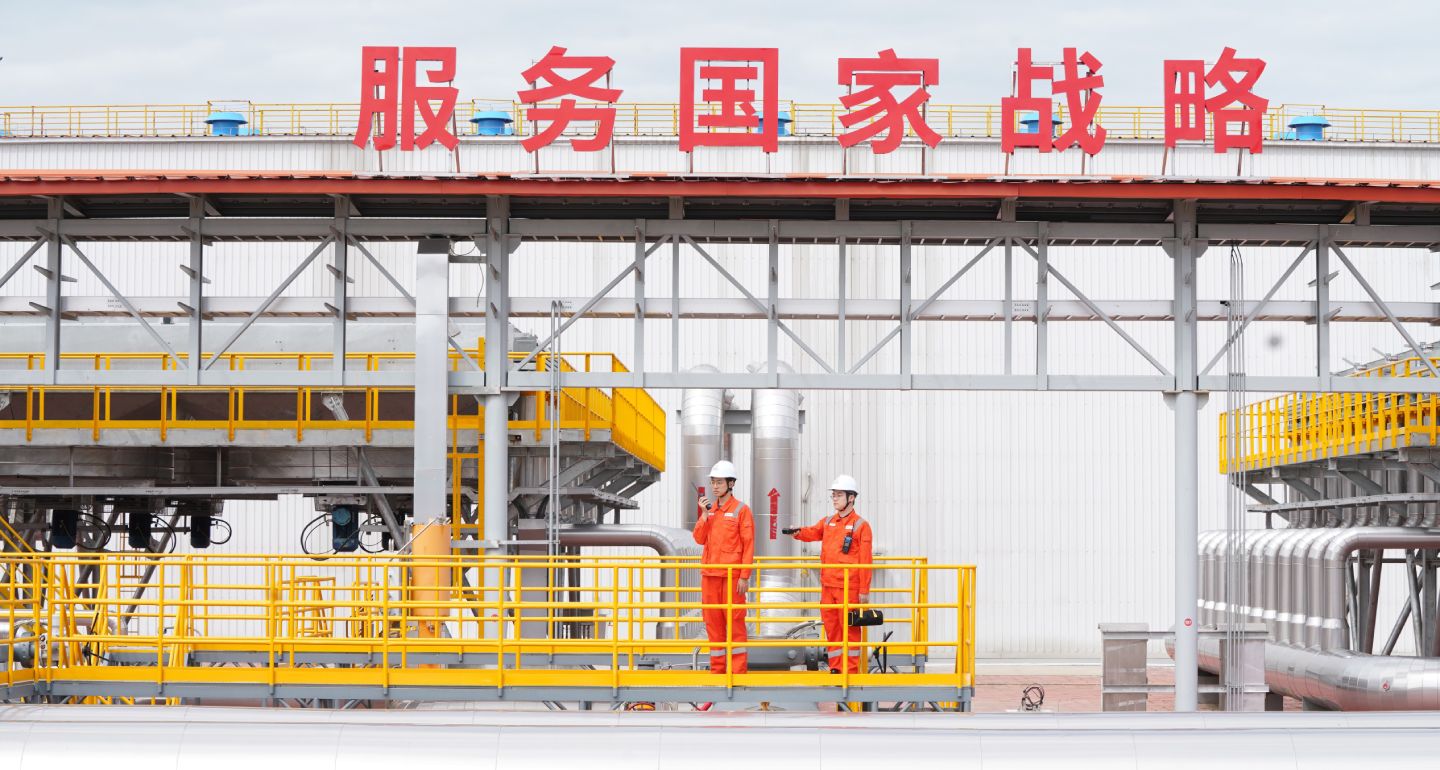
A leak of Russian gas price data helps establish that China is paying Russia far less than Central Asian countries and Gazprom’s former European customers.

Sergey Vakulenko

China’s political future will be shaped between now and next October. As the Communist Party enters its intense “campaign season” to prepare for a major political transition in 2027, reading Beijing's actions and responses may become more difficult as domestic politics weigh on its behavior more than usual.

Damien Ma

The EU can impose sanctions but struggles to enforce them without the United States. With Washington increasingly disinterested in backing European interests, the bloc must now fend for itself.


Nicu Popescu, Tiago Antunes
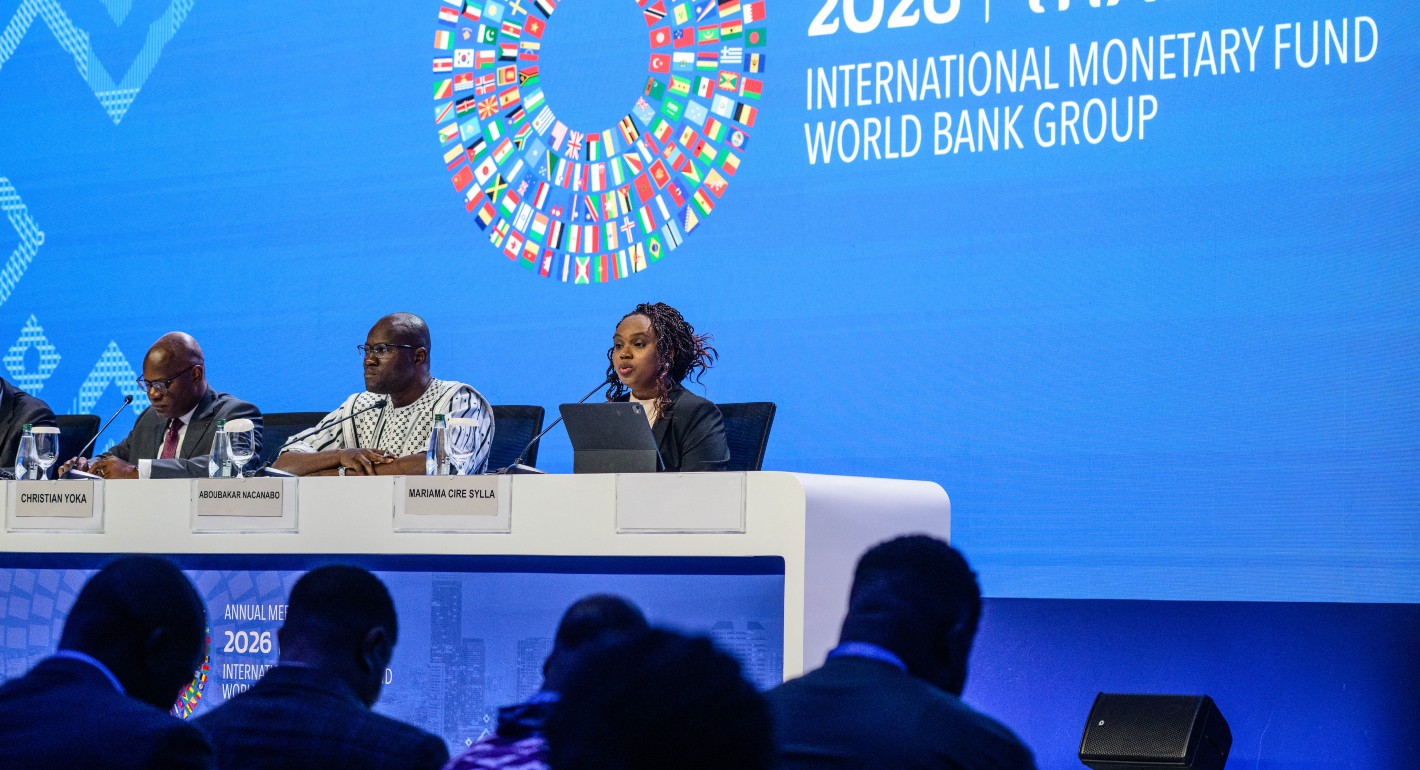
Global and rising powers will need to engage with Africa’s priorities and agency in order to secure the continent’s increasingly attractive partnerships.
Fonteh Akum

Rubio’s recent visit brought welcome attention, but more capital requires governance changes that may be a hard sell for regional governments.

Jennifer B. Murtazashvili