

Report
- +2
George Perkovich, Jessica Tuchman Mathews, Joseph Cirincione, …
{
  "authors": [
    "Joseph Cirincione"
  ],
  "type": "legacyinthemedia",
  "centerAffiliationAll": "dc",
  "centers": [
    "Carnegie Endowment for International Peace"
  ],
  "collections": [
    "U.S. Nuclear Policy"
  ],
  "englishNewsletterAll": "ctw",
  "nonEnglishNewsletterAll": "",
  "primaryCenter": "Carnegie Endowment for International Peace",
  "programAffiliation": "NPP",
  "programs": [
    "Nuclear Policy"
  ],
  "projects": [],
  "regions": [
    "North America",
    "United States",
    "Middle East",
    "Iran"
  ],
  "topics": [
    "Nuclear Policy",
    "Nuclear Energy"
  ]
}
REQUIRED IMAGE
Source: Foreign Policy
Does this story line sound familiar? The vice president of the United States gives a major speech focused on the threat from an oil-rich nation in the Middle East. The U.S. secretary of state tells congress that the same nation is our most serious global challenge. The secretary of defense calls that nation the leading supporter of global terrorism. The president blames it for attacks on U.S. troops. The intelligence agencies say the nuclear threat from this nation is 10 years away, but the director of intelligence paints a more ominous picture. A new U.S. national security strategy trumpets preemptive attacks and highlights the country as a major threat. And neoconservatives beat the war drums, as the cable media banner their stories with words like “countdown” and “showdown.”
The nation making headlines today, of course, is Iran, not Iraq. But the parallels are striking. Three years after senior administration officials systematically misled the nation into a disastrous war, they could well be trying to do it again.
Nothing is clear, yet. For months, I have told interviewers that no senior political or military official was seriously considering a military attack on Iran. In the last few weeks, I have changed my view. In part, this shift was triggered by colleagues with close ties to the Pentagon and the executive branch who have convinced me that some senior officials have already made up their minds: They want to hit Iran.
Click here to read more.

Former Senior Associate, Director for NonProliferation
Recent Work


George Perkovich, Jessica Tuchman Mathews, Joseph Cirincione, …
Joseph Cirincione
Carnegie does not take institutional positions on public policy issues; the views represented herein are those of the author(s) and do not necessarily reflect the views of Carnegie, its staff, or its trustees.

The EU can impose sanctions but struggles to enforce them without the United States. With Washington increasingly disinterested in backing European interests, the bloc must now fend for itself.


Nicu Popescu, Tiago Antunes

Rubio’s recent visit brought welcome attention, but more capital requires governance changes that may be a hard sell for regional governments.

Jennifer B. Murtazashvili

America’s foreign-policy objectives have grown more demanding while Americans have demanded greater focus on their own affairs.

Stephen Wertheim

China has showcased its engineering prowess with small modular reactor demonstration projects. But turning these technological achievements into commercial success will be a greater challenge.

Tong Zhao
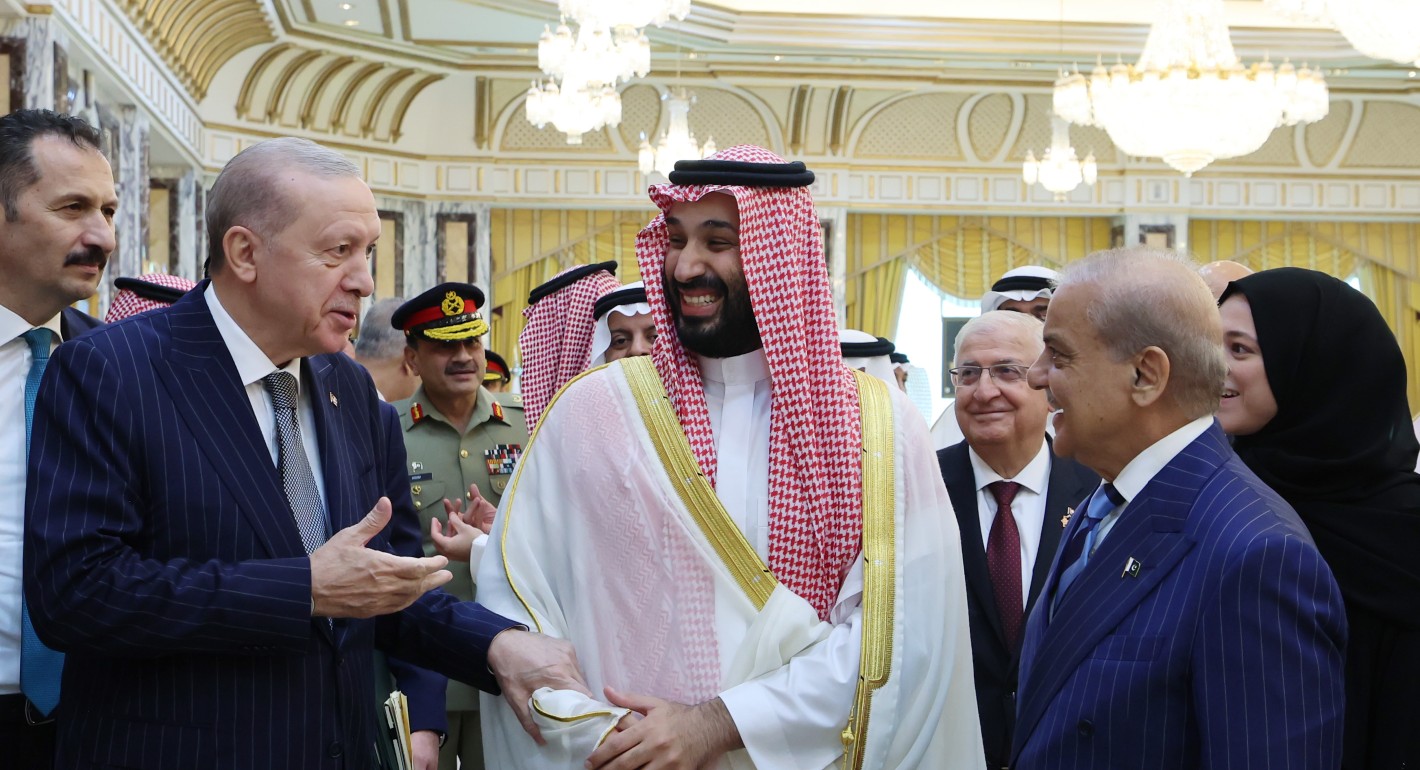
Why Pakistan, Saudi Arabia, and Turkey are joining forces on regional security.


Alper Coşkun, Amr Hamzawy