

In The Media
Martha Brill Olcott
{
  "authors": [
    "Martha Brill Olcott"
  ],
  "type": "testimony",
  "centerAffiliationAll": "dc",
  "centers": [
    "Carnegie Endowment for International Peace"
  ],
  "collections": [],
  "englishNewsletterAll": "ctw",
  "nonEnglishNewsletterAll": "",
  "primaryCenter": "Carnegie Endowment for International Peace",
  "programAffiliation": "russia",
  "programs": [
    "Russia and Eurasia"
  ],
  "projects": [],
  "regions": [
    "China",
    "Central Asia",
    "Kazakhstan",
    "Kyrgyz Republic",
    "Caucasus",
    "Russia"
  ],
  "topics": [
    "Political Reform",
    "Military",
    "Foreign Policy"
  ]
}
Source: Getty
The Shanghai Cooperation Organization lacks the power to effectively combat Central Asia's security threats, and the organization's economic mission remains ill-defined as Russia and China jockey for dominance in Central Asia's energy market.
Source: Testimony before the U.S. Helsinki Commission

Full text of the testimony is available in PDF format on the left.
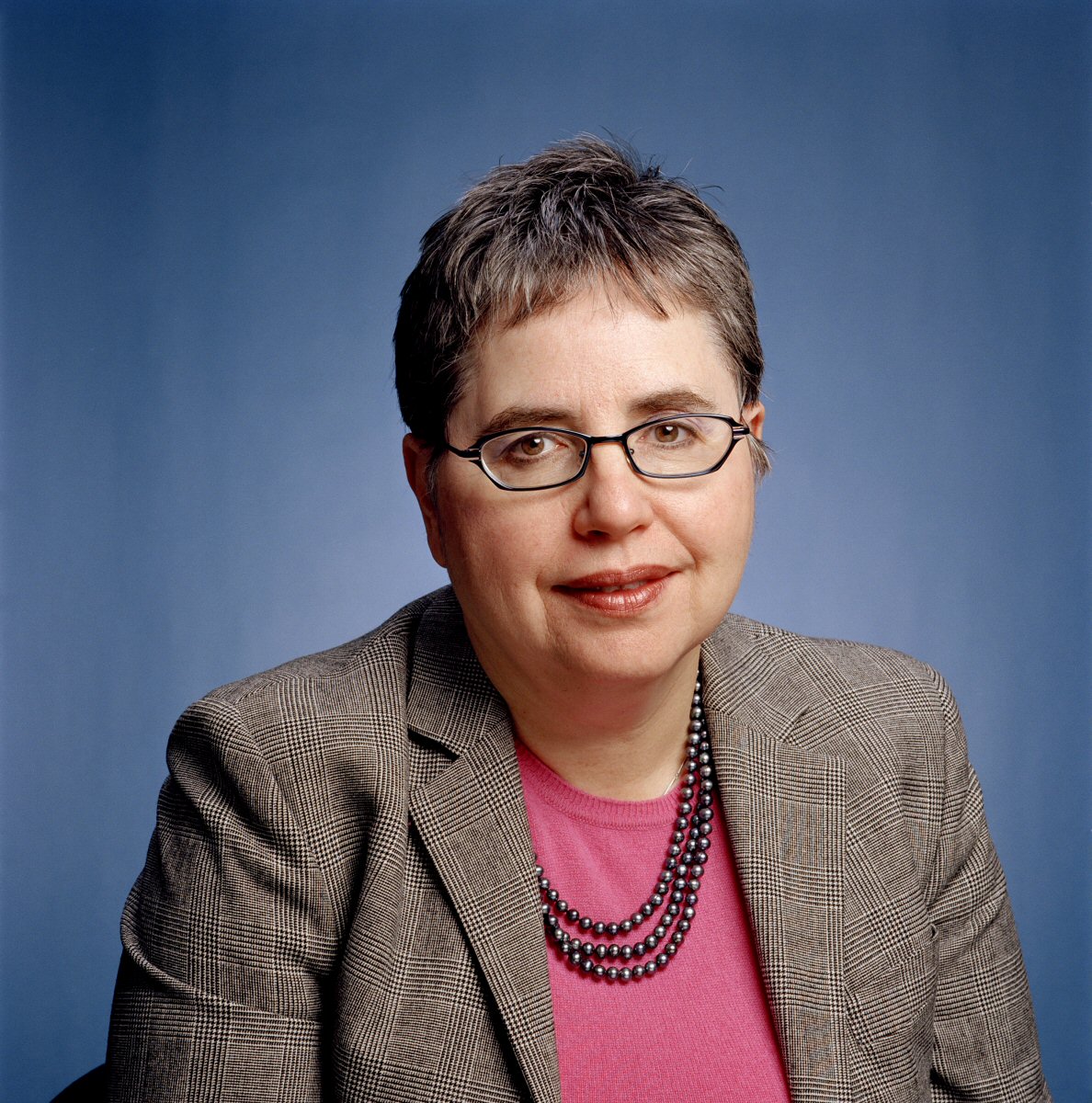
Former Senior Associate, Russia and Eurasia Program and, Co-director, al-Farabi Carnegie Program on Central Asia
Olcott is professor emerita at Colgate University, having taught political science there from 1974 to 2002. Prior to her work at the endowment, Olcott served as a special consultant to former secretary of state Lawrence Eagleburger.
Recent Work
Martha Brill Olcott
Martha Brill Olcott
Carnegie does not take institutional positions on public policy issues; the views represented herein are those of the author(s) and do not necessarily reflect the views of Carnegie, its staff, or its trustees.
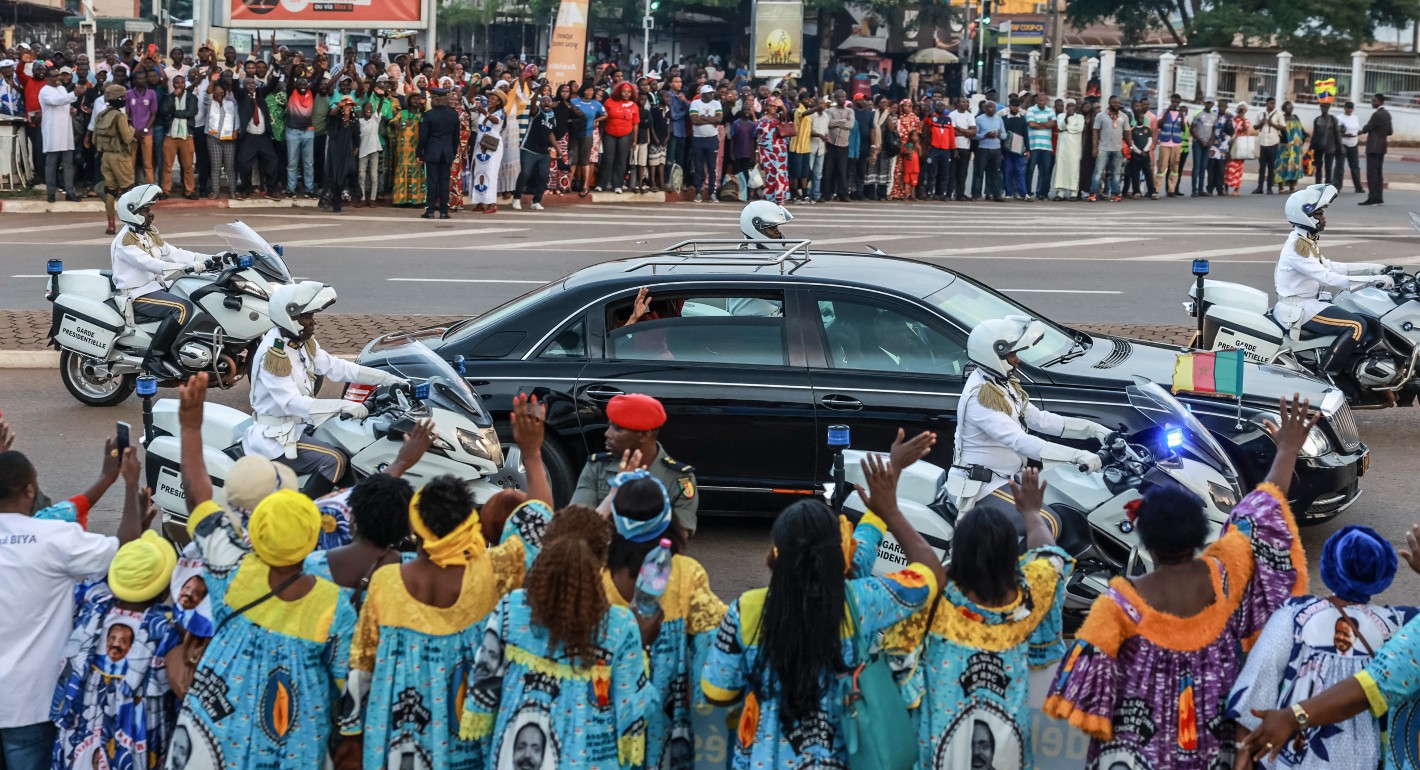
The ninety-three-year-old Biya’s absence and refusal to name a vice president threaten to upend domestic and regional stability.

Lesley Anne Warner
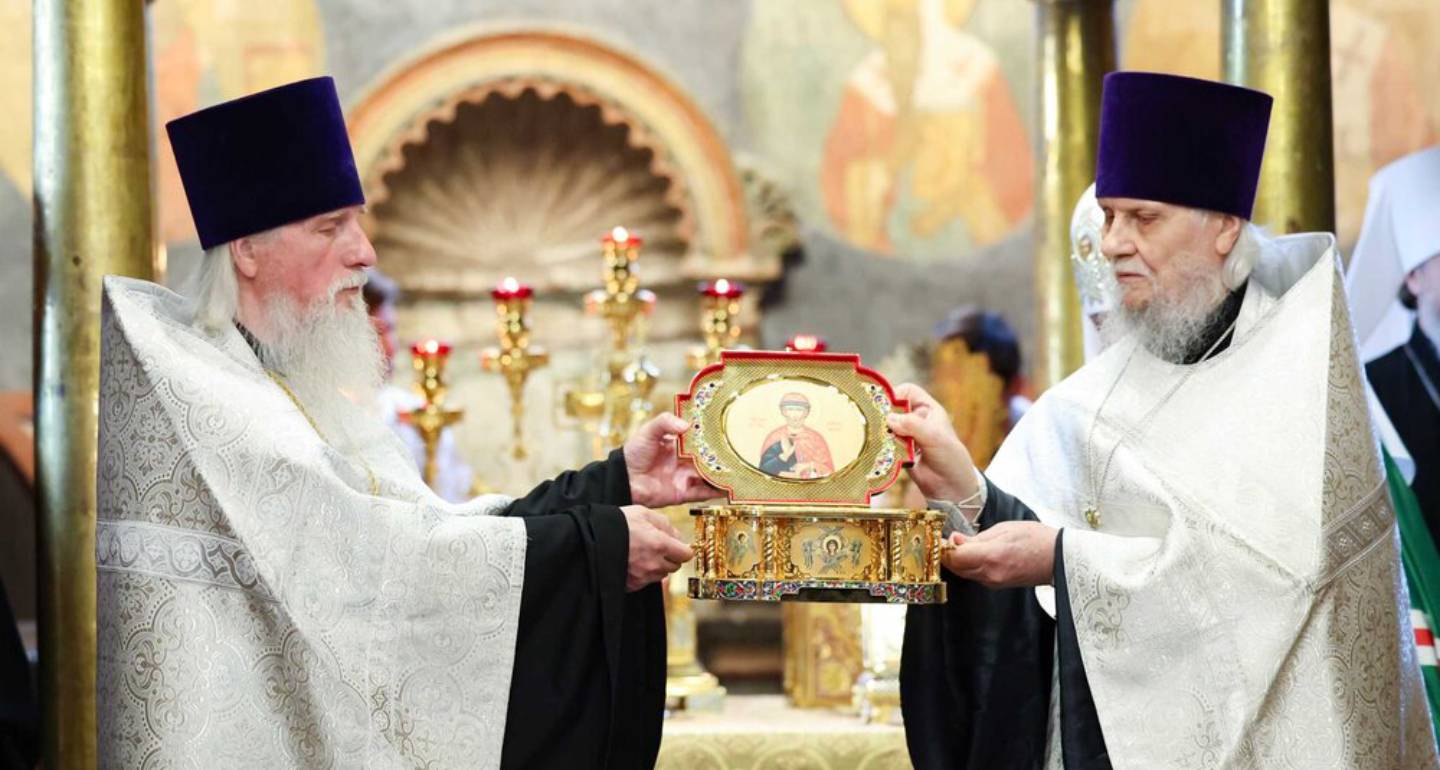
The recent uncovering of Dmitry Donskoy’s relics in the Cathedral of the Archangel is yet another attempt by the Russian Orthodox Church to help the state solve its problems. However, parroting the state’s version of Russian history leaves the Church with no message except “patriotism.”
Alexander Zanemonets

With the growth in points of friction between the great powers, organizations like the SCO will continue to play a role in the strategic adaptation of the smaller powers caught between them.

Temur Umarov
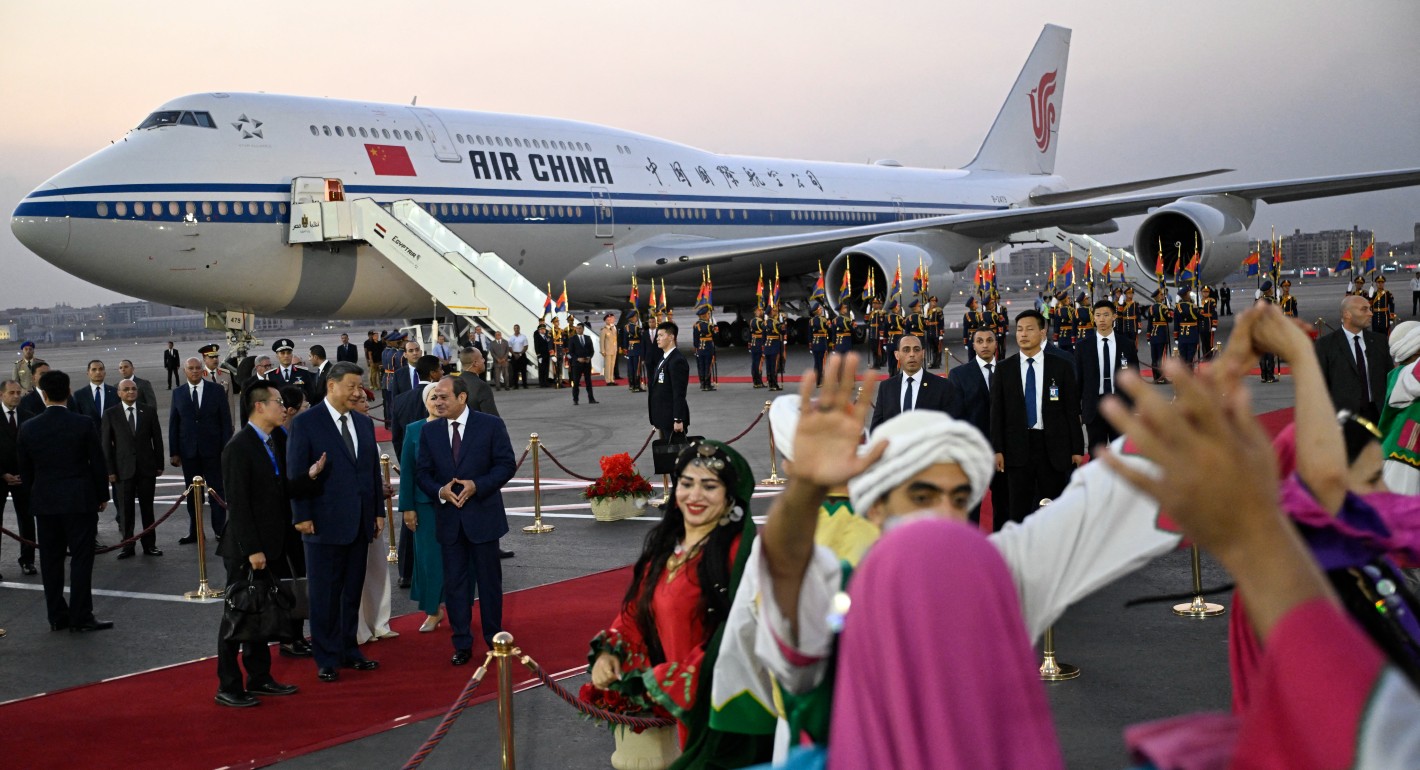
Amid celebrations of bilateral ties was a deeper focus on stability in the Middle East.

Amr Hamzawy

Canadian Prime Minister Mark Carney has twice inspired praise for standing up to U.S. President Donald Trump: at the 2026 World Economic Forum in Davos and on Canada-U.S. trade negotiations. Is Carney showing a third way better than the EU has in dealing with the Trump administration?

Rym Momtaz, ed.