

Article
Understanding the climatic pain points is necessary for policymakers hoping to minimize the war’s negative environmental consequences.
Alejandro Martin Rodriguez, Joy Arkeh, Sarah Yerkes
{
  "authors": [],
  "type": "pressRelease",
  "centerAffiliationAll": "dc",
  "centers": [
    "Carnegie Endowment for International Peace"
  ],
  "collections": [],
  "englishNewsletterAll": "menaTransitions",
  "nonEnglishNewsletterAll": "",
  "primaryCenter": "Carnegie Endowment for International Peace",
  "programAffiliation": "MEP",
  "programs": [
    "Middle East"
  ],
  "projects": [],
  "regions": [
    "Middle East",
    "North Africa",
    "Egypt",
    "Lebanon",
    "Jordan"
  ],
  "topics": [
    "Political Reform",
    "Democracy"
  ]
}
REQUIRED IMAGE
Recent electoral successes by Islamist parties throughout the Arab world have shown those movements to be viable political opposition to many undemocratic regimes. Most analyses examine those movements only within their individual domestic political environments. Yet equally important is the impact of broader, regional issues on domestic politics and the resulting tensions with ruling regimes.
FOR IMMEDIATE RELEASE: November 15, 2006
Recent electoral successes by Islamist parties throughout the Arab world have shown those movements to be viable political opposition to many undemocratic regimes. Most analyses examine those movements only within their individual domestic political environments. Yet equally important is the impact of broader, regional issues on domestic politics and the resulting tensions with ruling regimes. The 2006 Lebanon War was such an issue and one that had a profound impact on Islamist political movements, testing their respect for pluralism and tolerance, and reframing their relations with their own domestic leadership.
In a new Carnegie paper, Islamist Movements in the Arab World and the 2006 Lebanon War, Amr Hamzawy and Dina Bishara examine the reaction of two Islamist movements – the Egyptian Muslim Brotherhood and the Jordanian Islamic Action Front (IAF) – to the war and its impact on domestic politics in Egypt and Jordan respectively. The authors find that these Islamist movements framed the war within an ideological reading of the Arab-Israeli conflict as an existential struggle between Muslims and Jews, increasing the widespread anti-Israeli and anti-American sentiment among their popular bases. To read this Carnegie paper, please go to: www.CarnegieEndowment.org/MiddleEast.
The authors also observe that the reaction of the Islamist movements further polarized the domestic scene in Egypt and Jordan and compromised the potential for consensual politics. Vehement criticism of official government policy by these Islamist movements may have resulted in a new escalation of conflict with these ruling regimes.
Direct link to PDF: http://www.carnegieendowment.org/files/cp_75_hamzawy_final.pdf
Amr Hamzawy is a senior associate in the Democracy and Rule of Law Project at the Carnegie Endowment. He is a noted Egyptian political scientist whose research focuses on the changing dynamics of political participation in the Arab world, and the political role of Islamist movements. He is the author of Contemporary Arab Political Thought: Continuity and Change (in German, 2005).
Dina Bishara is a research assistant in the Middle East Program at the Carnegie Endowment for International Peace and assistant editor of Carnegie’s Arab Reform Bulletin.
Press Contact: Trent Perrotto, 202/939-2372, tperrotto@CarnegieEndowment.org
The Carnegie Endowment for International Peace is a private, nonprofit organization dedicated to advancing cooperation between nations and promoting active international engagement by the United States. www.CarnegieEndowment.org
###
Carnegie does not take institutional positions on public policy issues; the views represented herein are those of the author(s) and do not necessarily reflect the views of Carnegie, its staff, or its trustees.
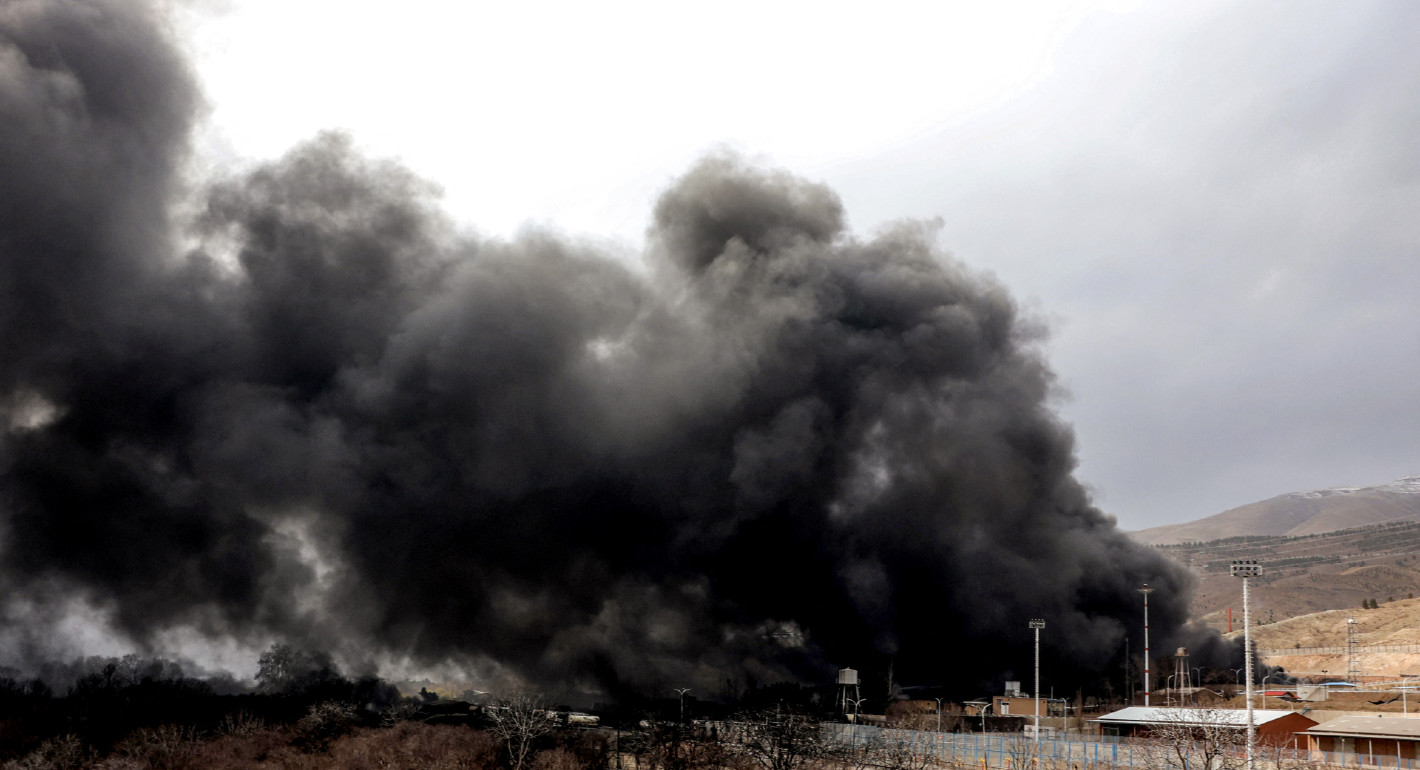
Understanding the climatic pain points is necessary for policymakers hoping to minimize the war’s negative environmental consequences.



Alejandro Martin Rodriguez, Joy Arkeh, Sarah Yerkes

Huawei pushed hard to enter the Egyptian data centers market, until the Americans made a better offer.

Angie Omar

Radical-right parties are expected to do well in upcoming elections in four of the EU's biggest member states. If successful, they could prevent the union from addressing key challenges ahead.

Stefan Lehne

The books, podcasts, and films that explain the world it made.

Andrew Leber
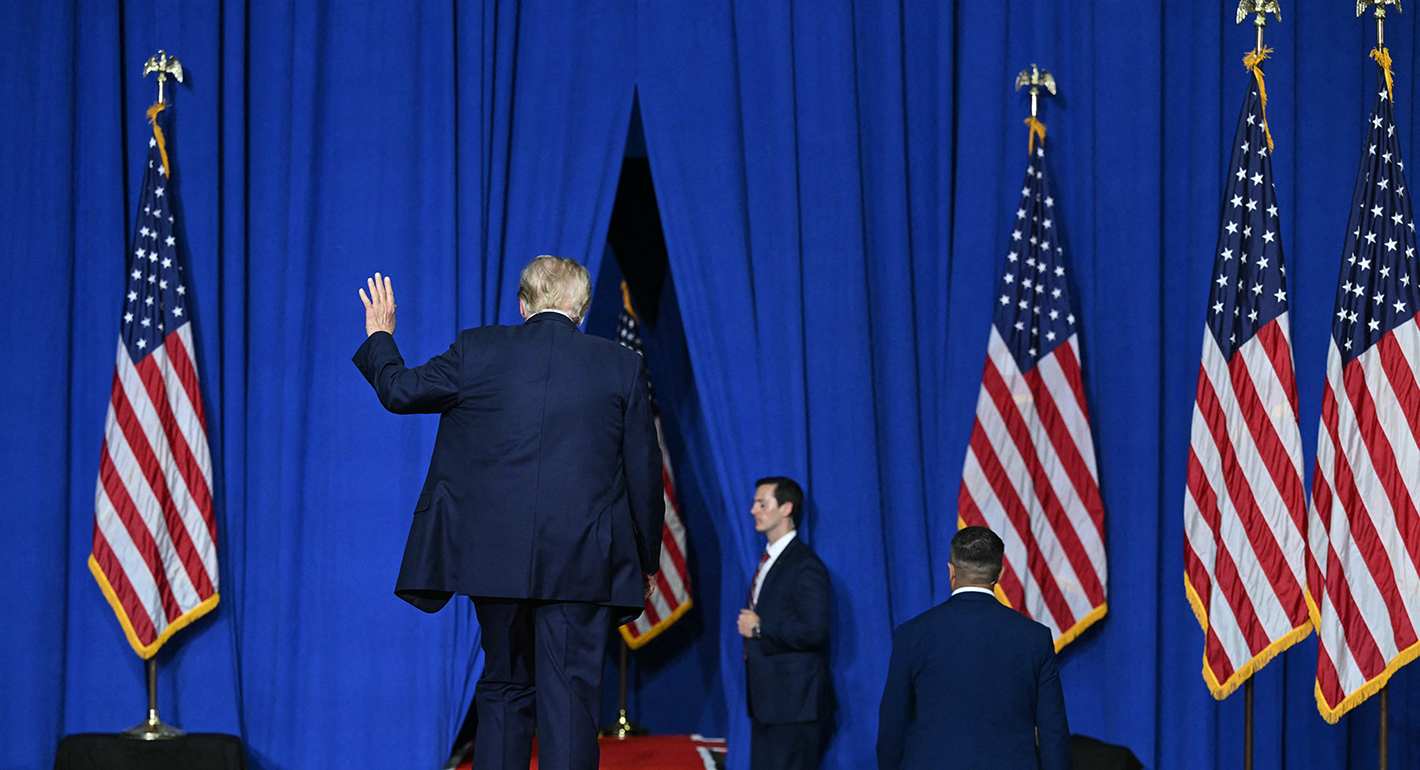
By abandoning past U.S. pro-democracy policies and adopting several lines of pro-autocratic action, the Trump administration has fundamentally repositioned the United States vis-à-vis democracy in the world.

Thomas Carothers