

Commentary
If the Russian-speaking community in Latvia cannot articulate their interests without being seen as disloyal, they could end up embracing a pro-Kremlin agenda.
Sergejs Potapkins
{
  "authors": [],
  "type": "pressRelease",
  "centerAffiliationAll": "dc",
  "centers": [
    "Carnegie Endowment for International Peace"
  ],
  "collections": [],
  "englishNewsletterAll": "menaTransitions",
  "nonEnglishNewsletterAll": "",
  "primaryCenter": "Carnegie Endowment for International Peace",
  "programAffiliation": "MEP",
  "programs": [
    "Middle East"
  ],
  "projects": [],
  "regions": [
    "Middle East"
  ],
  "topics": [
    "Political Reform",
    "Democracy"
  ]
}
REQUIRED IMAGE
FOR IMMEDIATE RELEASE: February 21, 2007
- NEWS RELEASE -
The political arm of the Kuwaiti Muslim Brotherhood stands poised to achieve more political influence than almost any of its sister movements in the Middle East, yet must strike a balance between building a broad political coalition and pursuing its goal of Islamization – a vision for the nation challenged by a number of Kuwaiti political actors. How will this need for compromise affect future democratic reforms in the country, as well as the Brotherhood’s long-term goal of a more Islamic society?
In a new Carnegie Paper, Pushing toward Party Politics? Kuwait’s Islamic Constitutional Movement, Nathan Brown, senior associate at the Carnegie Endowment, explores how the Islamic Constitutional Movement (ICM), in an effort to gain political legitimacy, has pursued democratic reforms and formed alliances with other opposition forces it regards as unsympathetic to its religious, cultural, and moral values.
Despite critics who question the ICM’s commitment to democratic principles, Brown argues that the ICM “supports liberalizing political reforms fairly faithfully, but it draws the line when liberalization leads in a cultural direction” contrary to its goals of Islamization. The ICM holds strong positions against perceived moral corruption in Kuwaiti society, often using forceful language that it eschews on most other occasions.
Brown believes that the ICM is entering a period of greater tension in its relationship with the government and while the relatively permissive political atmosphere in Kuwait will probably survive, the current tension will force all political actors to develop new strategies to achieve their objectives.
Notes:
The Carnegie Endowment for International Peace is a private, nonprofit organization dedicated to advancing cooperation between nations and promoting active international engagement by the United States. Founded in 1910, its work is nonpartisan and dedicated to achieving practical results.
###
Carnegie does not take institutional positions on public policy issues; the views represented herein are those of the author(s) and do not necessarily reflect the views of Carnegie, its staff, or its trustees.

If the Russian-speaking community in Latvia cannot articulate their interests without being seen as disloyal, they could end up embracing a pro-Kremlin agenda.

Sergejs Potapkins

Russia’s ruling party would have benefited from Putin appearing as its distant patron, but as an active frontman imposing his views on the public, he has done nothing but harm both the party’s election campaign and the ruling system overall.

Andrey Pertsev
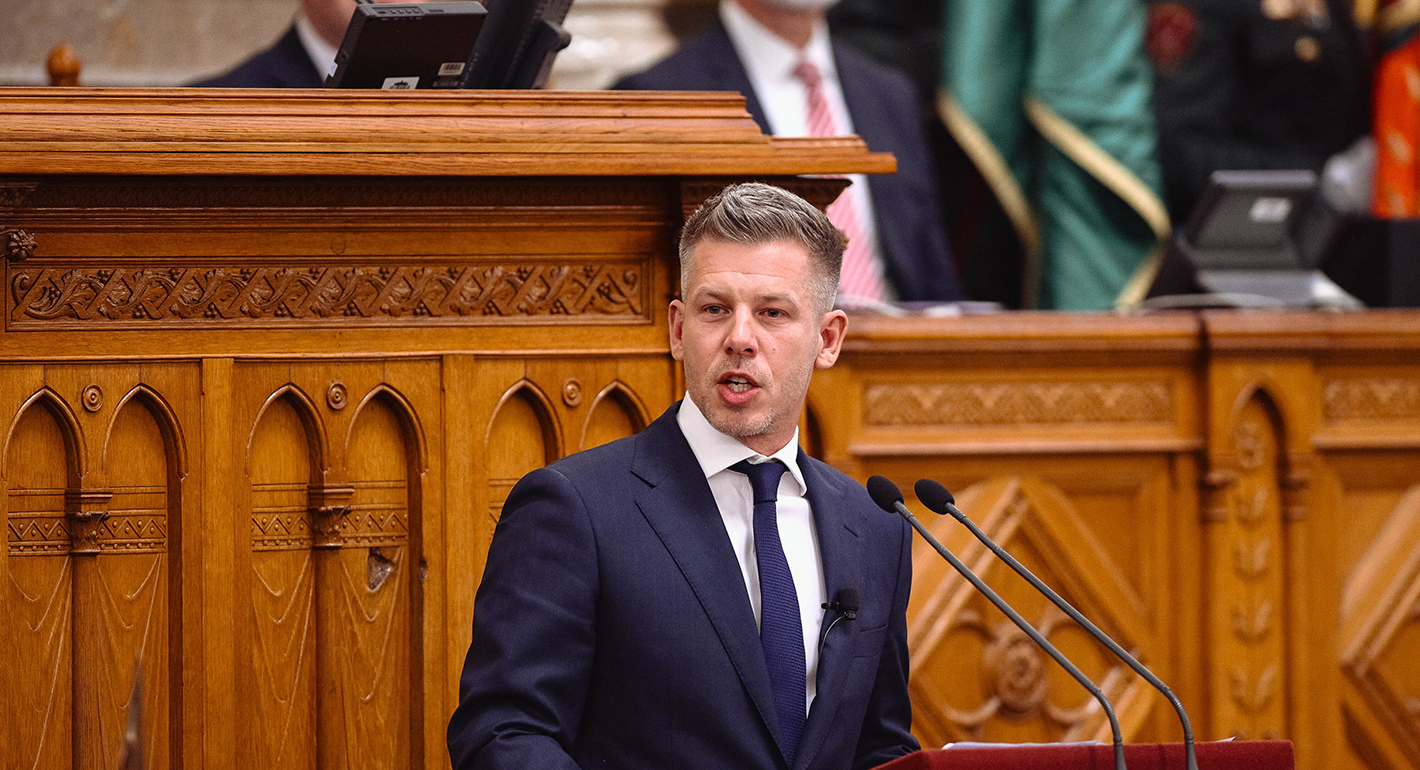
Despite myriad challenges and occasional stumbles, the new Hungarian government is moving ahead with energy and conviction to uproot years of illiberalism and corruption and rebuild Hungarian democracy.

Thomas Carothers

Understanding the climatic pain points is necessary for policymakers hoping to minimize the war’s negative environmental consequences.


Alejandro Martin Rodriguez, Joy Arkeh, Sarah Yerkes

Huawei pushed hard to enter the Egyptian data centers market, until the Americans made a better offer.

Angie Omar