

Commentary
Maria Lipman
{
  "authors": [
    "Maria Lipman"
  ],
  "type": "legacyinthemedia",
  "centerAffiliationAll": "",
  "centers": [
    "Carnegie Endowment for International Peace",
    "Carnegie Russia Eurasia Center"
  ],
  "collections": [],
  "englishNewsletterAll": "",
  "nonEnglishNewsletterAll": "",
  "primaryCenter": "Carnegie Russia Eurasia Center",
  "programAffiliation": "",
  "programs": [],
  "projects": [],
  "regions": [
    "Caucasus",
    "Russia"
  ],
  "topics": [
    "Political Reform",
    "Economy"
  ]
}
REQUIRED IMAGE
Source: Washington Post
The Kremlin has been sending persistent signals that autonomous political activism will not be tolerated. As a result, political action on the streets has become highly risky in Russia, and those venturing to participate in events unwelcome by the government should be prepared to get in trouble.
Authorities are anxious to ensure a smooth transfer of power after elections this year and in 2008, but enhanced restrictions on the freedom of assembly are creating problems as the political opposition manages for the first time in years to muster thousands in the streets.
Last weekend, in an unusually large political protest in St. Petersburg, several thousand people defied a government ban on their rally, broke through police cordons and marched along the streets of Russia's second-largest city. The event was organized by Drugaya Rossiya (Other Russia), a medley of small opposition groups headed by political opponents of President Vladimir Putin such as former prime minister Mikhail Kasyanov and former chess champion Garry Kasparov. The marchers decried Putin and the policies of the St. Petersburg government. Many of them were beaten by police, and about 100 people were detained.
"I congratulate you for overcoming your fear," Kasparov told the crowd. The victorious mood was echoed in some marchers' online postings. The demonstrators had a good reason to celebrate: This latest rally was clearly more successful than their December event in Moscow.
Then, Drugaya Rossiya protesters were also forbidden to march and were forced to stand in place: The 2,000 who gathered were surrounded by at least 4,000 riot police, who blocked off the area. This time police failed to contain the protesters, and, savoring their success, the protesters are planning a march in Moscow next month.
While individuals may still exercise verbal dissent -- and smaller media outlets still pursue independent editorial positions, though they have been increasingly marginalized -- federal legislation has been repeatedly amended to broaden the government's authority to ban political gatherings. Moscow city legislators have initiated even tighter restrictions -- apparently concerned that the capital must be protected against acts of political discord. Suggested amendments include bans on staging rallies "near historical and cultural monuments" and limits on crowd density, such as no more than two people per square meter.
Authorities commonly deny permission to stage street events if they are even vaguely political, and participants are routinely harassed. Over the past several months, area police have mastered the Soviet practice of preventive detentions and harassment -- activists from the provinces, for example, are stopped on their way to events in Moscow or St. Petersburg.
The relative permissiveness regarding verbal expression may be explained by the fact that the remaining media freedom exists at the mercy of the government. The Kremlin has ensured that most media outlets that are not state-owned are controlled by owners who are loyal to it. If the government decides that certain outlets are dangerously influencing public opinion, it has leverage to temper the editorial line. But public energies are harder to control, and once they are unleashed, there might not be a loyal "owner" or leader who could discipline or stifle dissenters on government orders. The Orange Revolution in Ukraine is but one powerful example.
Such fears appear to be unjustified. The Russian public remains largely apathetic and indifferent to infringements of its political rights and freedoms. But when all democratic channels of public participation or opposition have been clogged and political parties replaced by Kremlin-organized groups of loyalists, small defiant groups are bound to emerge. At its core, Drugaya Rossiya consists of people who take to the streets because there is no other option for political participation. Some of its radical younger members simply enjoy defying the authorities, even if they end up beaten or jailed. The group and its leaders are not popular and are unlikely to generate a mass following.
But even if Drugaya Rossiya does not pose a real danger to the ruling elite, the Kremlin is not taking chances. Autonomous political activism and direct challenges to the president, no matter how marginal the challenger, are not allowed. Such actions have come to be regarded as illegitimate and are deemed disloyal to the state.
Characteristically, TV coverage of last weekend's protests on state-controlled media attempted to discredit participants and portray them as hired troublemakers. The governor of St. Petersburg said two train cars full of "provocateurs" bent on destabilization came to the city from Moscow. Not a single protester was asked on camera why he or she joined the rally. Of course, the Russian people are not supposed to hear incendiary political talk on television.
It is hard to say what caused the high turnout at last weekend's rally and whether the protesters have been emboldened enough to stage another rally next month. If they are, Russian authorities would face a dilemma: The police measures used were insufficient to discourage Drugaya Rossiya from continued defiance, but resorting to severe suppression, such as prosecuting protest leaders and imprisoning participants, would move Russia closer toward being a full-fledged police state. Given the current thinking in the Kremlin, the latter unfortunately appears more likely.
Masha Lipman, editor of the Carnegie Moscow Center's Pro et Contra journal, writes a monthly column for The Post.
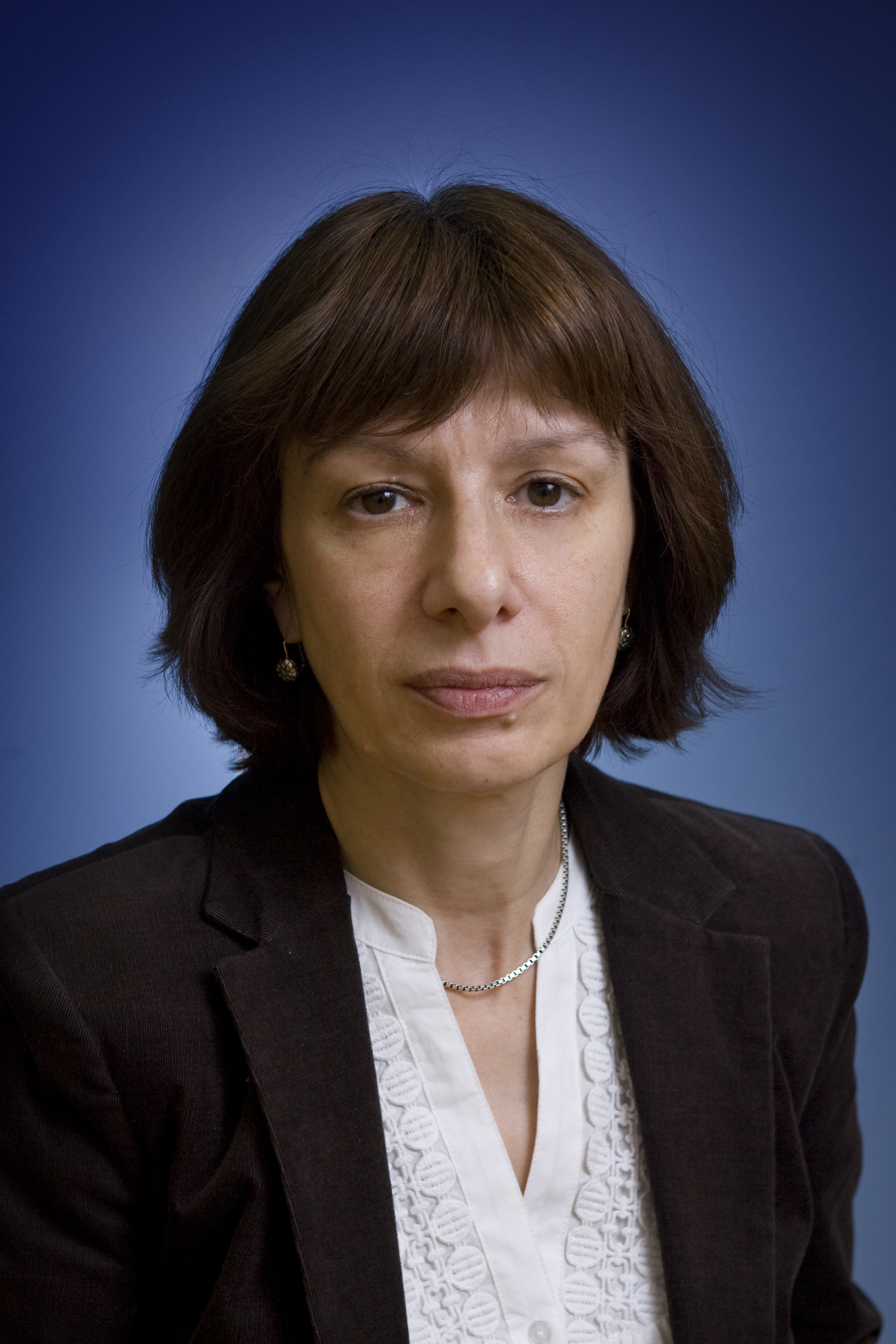
Former Scholar in Residence, Society and Regions Program, Editor in Chief, Pro et Contra, Moscow Center
Lipman was the editor in chief of the Pro et Contra journal, published by the Carnegie Moscow Center. She was also the expert of the Carnegie Moscow Center’s Society and Regions Program.
Recent Work
Maria Lipman
Maria Lipman
Carnegie does not take institutional positions on public policy issues; the views represented herein are those of the author(s) and do not necessarily reflect the views of Carnegie, its staff, or its trustees.
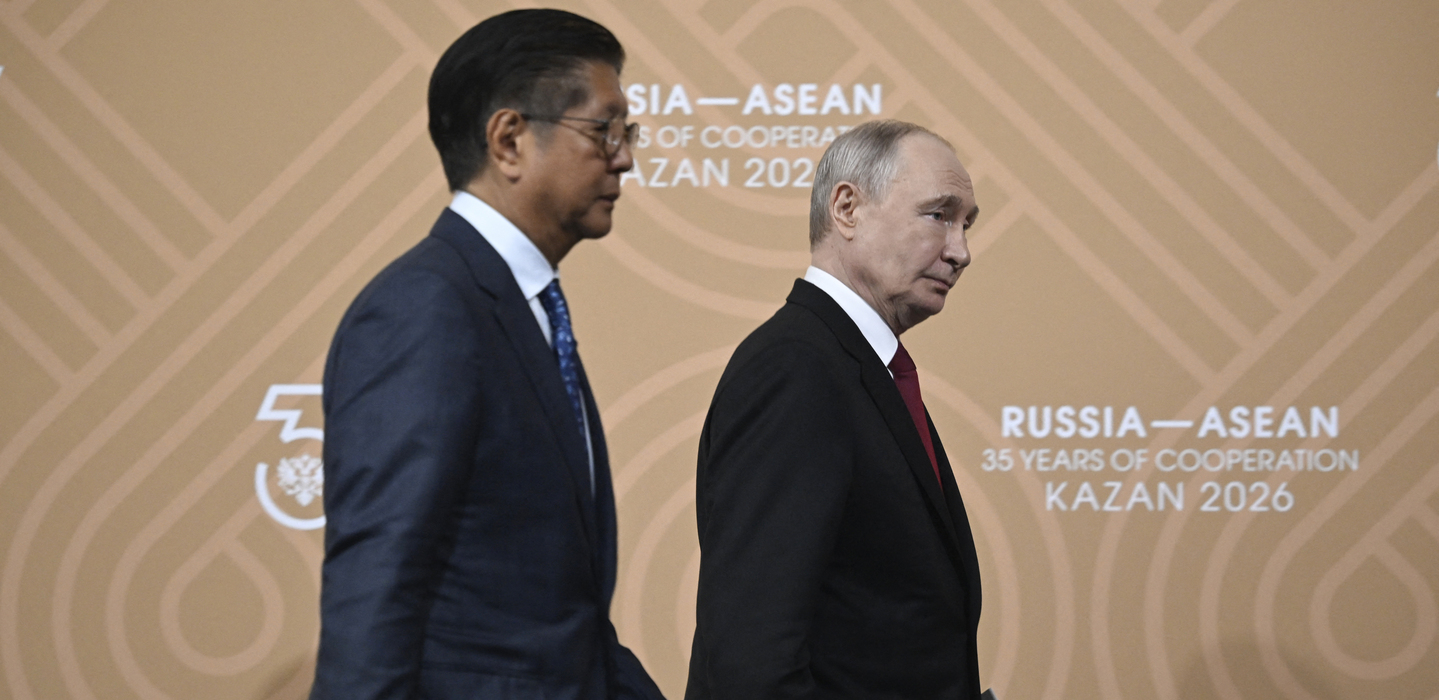
Russia looks set to reap economic benefits from closer ties with Southeast Asian countries that are keen to find reliable energy suppliers and diversify trade ties.

Alexander Gabuev
Ongoing uncertainty in the Middle East allows Moscow to both increase its influence in Tehran and continue to enjoy the financial windfall of higher oil prices.

Nikita Smagin
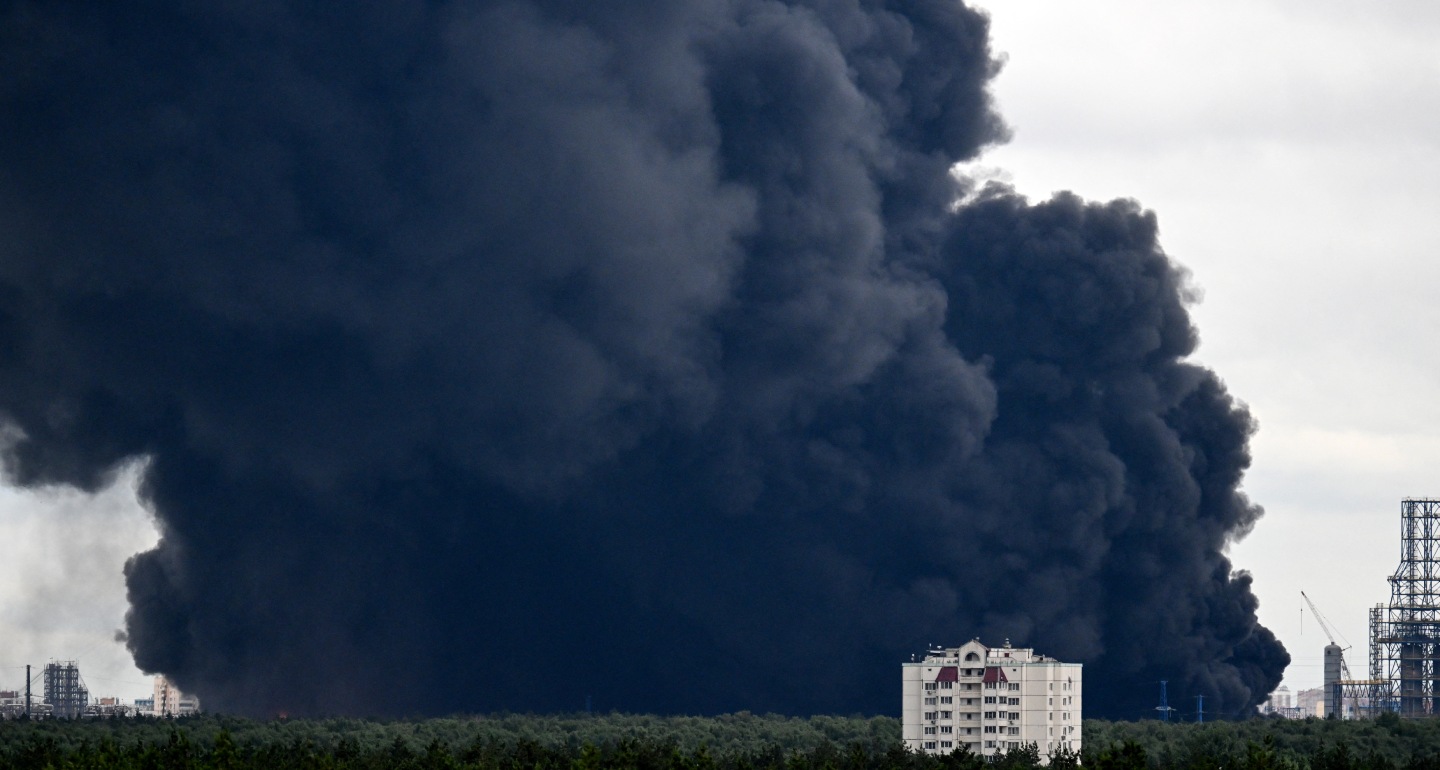
If it proves impossible for the Russian authorities to avoid a gasoline deficit, the question then becomes how they will organize the distribution of a scarce resource.

Sergey Vakulenko
This year’s wars have made alternative routes to transit through Russia no less risky for Central Asian countries.

Galiya Ibragimova
The ruling elites in contemporary Russia are not a political class, but a community of managers who are not subject to competition or public accountability. The state is becoming an operating apparatus without any internal autonomy.

Alexandra Prokopenko