
• Research
  • Emissary
  • About
  • Experts
Carnegie Global logoCarnegie lettermark logo
DemocracyIran
  • Donate
{
  "authors": [
    "Dmitri Trenin"
  ],
  "type": "legacyinthemedia",
  "centerAffiliationAll": "",
  "centers": [
    "Carnegie Endowment for International Peace",
    "Carnegie Russia Eurasia Center"
  ],
  "collections": [],
  "englishNewsletterAll": "",
  "nonEnglishNewsletterAll": "",
  "primaryCenter": "Carnegie Russia Eurasia Center",
  "programAffiliation": "",
  "programs": [],
  "projects": [],
  "regions": [
    "Caucasus",
    "Russia"
  ],
  "topics": [
    "Foreign Policy"
  ]
}

Source: Getty

In The Media
Carnegie Russia Eurasia Center

That Sinking Feeling

Link Copied
By Dmitri Trenin
Published on Jun 1, 2007

Source: World Today

Carnegie senior associate, Dmitri Trenin, wrote an article on Russia's foreign policy for the July issue of The World Today.  In the article, he discusses the reasons for the deterioration of the U.S.-Russian relationship, and on the role that the revival of nationalism plays in Russia's foreign policy. Please click on the above link to read the article.

This article originally appeared in The World Today.

About the Author

Dmitri Trenin

Former Director, Carnegie Moscow Center

Trenin was director of the Carnegie Moscow Center from 2008 to early 2022.

    Recent Work

  • Commentary
    Mapping Russia’s New Approach to the Post-Soviet Space

      Dmitri Trenin

  • Commentary
    What a Week of Talks Between Russia and the West Revealed

      Dmitri Trenin

Dmitri Trenin
Former Director, Carnegie Moscow Center
Foreign PolicyCaucasusRussia

Carnegie does not take institutional positions on public policy issues; the views represented herein are those of the author(s) and do not necessarily reflect the views of Carnegie, its staff, or its trustees.

More Work from Carnegie Endowment for International Peace

  • people watching smoke rising at sunrise from rooftops
    Commentary
    Emissary
    Bombing Campaigns Do Not Bring About Democracy. Nor Does Regime Change Without a Plan.

    Just look at Iraq in 1991.

      Marwan Muasher
  • Commentary
    Strategic Europe
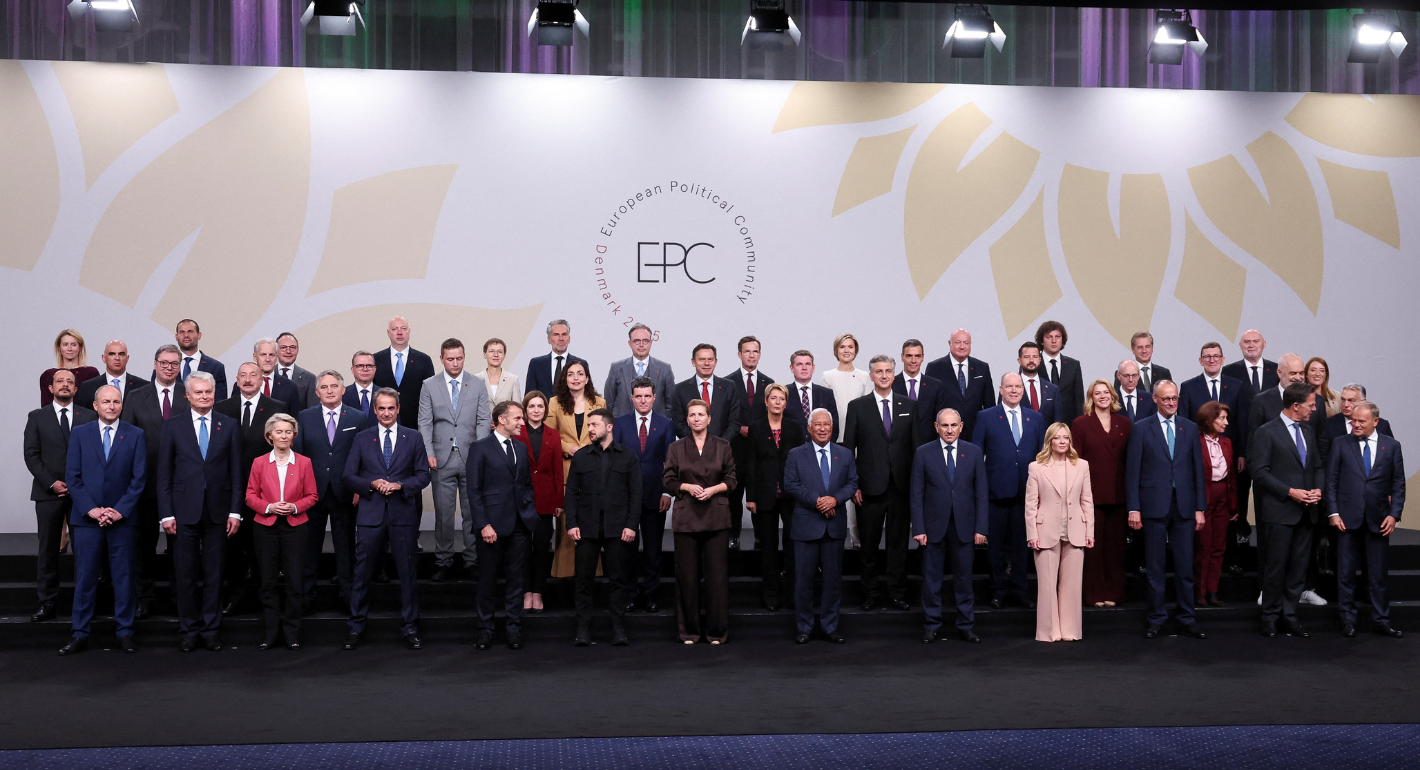
    Global Instability Makes Europe More Attractive, Not Less

    Europe isn’t as weak in the new geopolitics of power as many would believe. But to leverage its assets and claim a sphere of influence, Brussels must stop undercutting itself.

      Dimitar Bechev
  • Commentary
    Carnegie Politika
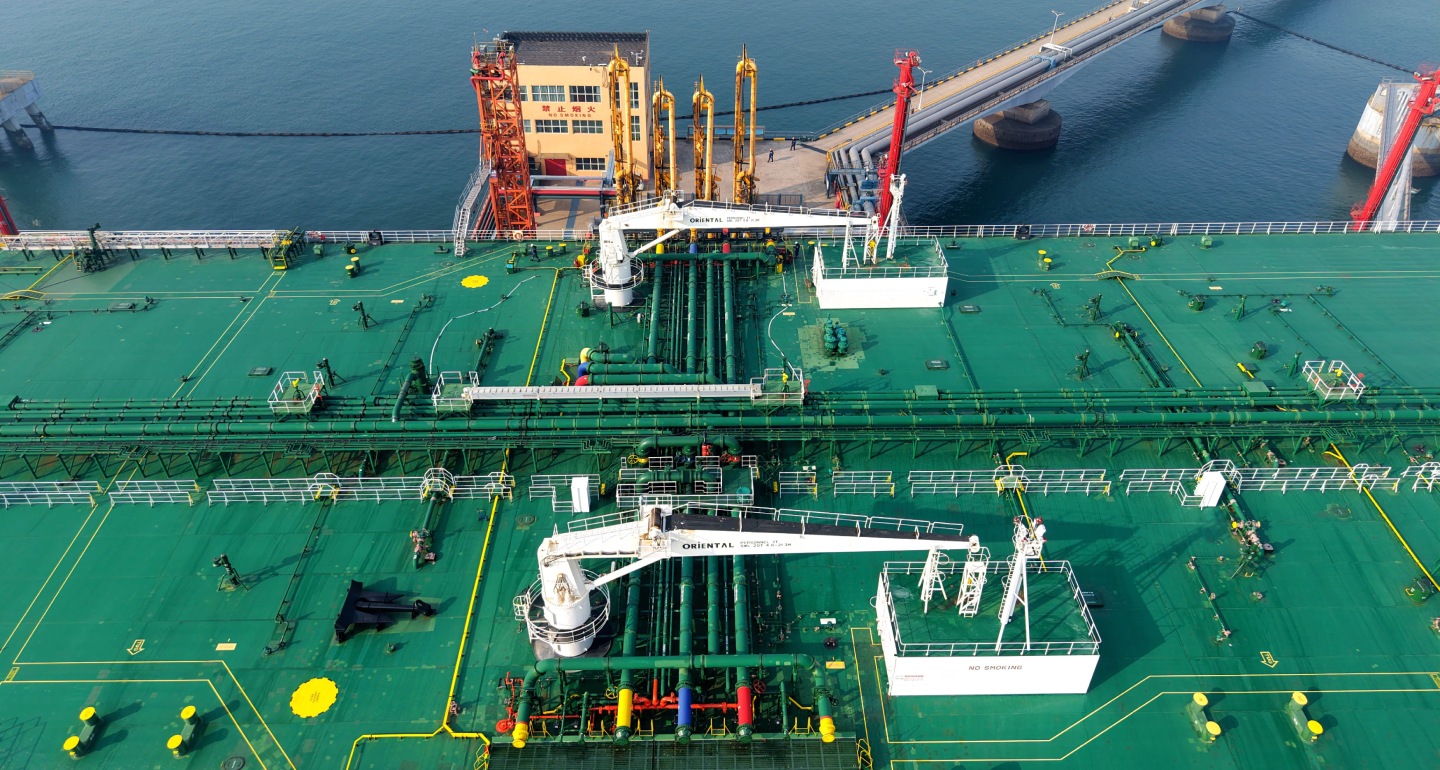
    How Trump’s Wars Are Boosting Russian Oil Exports

    The interventions in Iran and Venezuela are in keeping with Trump’s strategy of containing China, but also strengthen Russia’s position.

      • Mikhail Korostikov

      Mikhail Korostikov

  • Commentary
    Strategic Europe
    Europe on Iran: Gone with the Wind

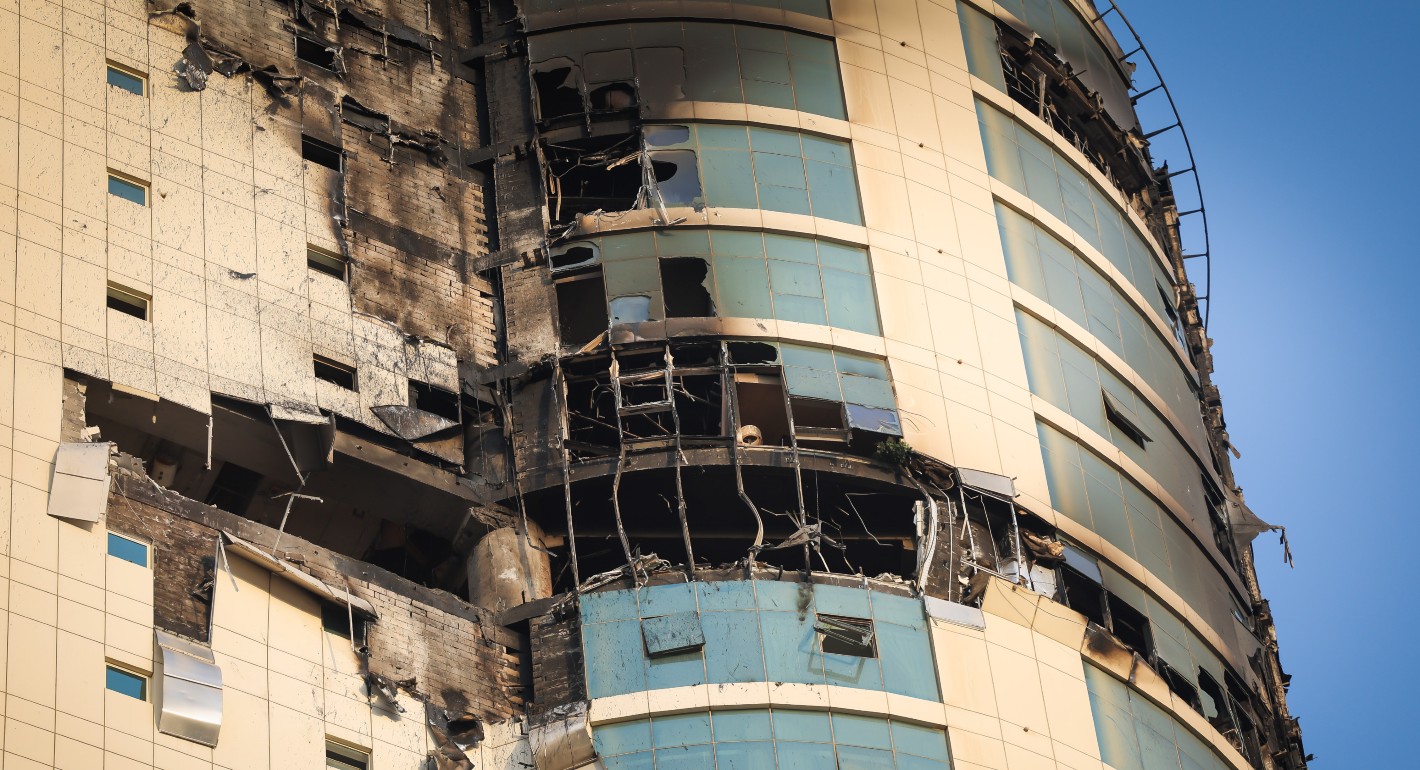
    Europe’s reaction to the war in Iran has been disunited and meek, a far cry from its previously leading role in diplomacy with Tehran. To avoid being condemned to the sidelines while escalation continues, Brussels needs to stand up for international law.

      Pierre Vimont
  • exterior of a building with explosion damage
    Commentary
    Emissary
    What We Know About Drone Use in the Iran War

    Two experts discuss how drone technology is shaping yet another conflict and what the United States can learn from Ukraine.


      Steve Feldstein, Dara Massicot

Get more news and analysis from
Carnegie Endowment for International Peace
Carnegie global logo, stacked
1779 Massachusetts Avenue NWWashington, DC, 20036-2103Phone: 202 483 7600Fax: 202 483 1840
  • Research
  • Emissary
  • About
  • Experts
  • Donate
  • Programs
  • Events
  • Blogs
  • Podcasts
  • Contact
  • Annual Reports
  • Careers
  • Privacy
  • For Media
  • Government Resources
Get more news and analysis from
Carnegie Endowment for International Peace
© 2026 Carnegie Endowment for International Peace. All rights reserved.

