

Commentary
Maria Lipman
{
  "authors": [
    "Maria Lipman"
  ],
  "type": "legacyinthemedia",
  "centerAffiliationAll": "",
  "centers": [
    "Carnegie Endowment for International Peace",
    "Carnegie Russia Eurasia Center"
  ],
  "collections": [],
  "englishNewsletterAll": "",
  "nonEnglishNewsletterAll": "",
  "primaryCenter": "Carnegie Russia Eurasia Center",
  "programAffiliation": "",
  "programs": [],
  "projects": [],
  "regions": [
    "Caucasus",
    "Russia"
  ],
  "topics": [
    "Political Reform"
  ]
}
Source: Getty
This month marks 70 years since the drastic surge of Stalin's terror: In 1937 the Kremlin butcher scrapped even the faintest appearance of court procedures. The infamous "troika trials" -- a system of justice by rubber-stamped death sentences -- killed more than 436,000 in one year. The anniversary observances were intended to honor the victims. But the ceremony held earlier this month at Butovo, the site of mass killings on the outskirts of Moscow, revealed the government's desire to keep the public's mind off reflections about terror and its perpetrators.
Source: Washington Post

The Russian Orthodox Church oversaw the ceremony, a religious service focused on the martyrdom of the executed, not on the crimes or who committed them. In an interview about three years ago, the superior of the Butovo church said he thought it best not to differentiate between those who were shot and those who shot them: "One shouldn't search for who was right and who was wrong."
Such forgiveness may be appropriate for the church -- as a secular person, I am not in a position to judge -- but it is not good for the nation, at least not until the commemoration has become a national cause and all victims as well as perpetrators have been officially named.
Russia does not have a national memorial or national museum dedicated to the mass killings of the Soviet people that were masterminded for decades by a monstrous tandem of the Communist Party and state security organs. Nor is there a national center where historical papers documenting mass repression are available to the public.
Since the late 1980s, groups and individuals have worked to collect this information, but their efforts remain uncoordinated. Pieces of their work are found here and there, sometimes at odd places, such as the office of one of Moscow's downtown cemeteries, where some of the executed were cremated. Inside a dusty closet are piles of thick albums whose pages are covered with brief paragraphs about those shot by Stalin's executioners. Some entries have photos; some victims remain faceless.
Vladimir Putin's government is averse to exposing or dwelling on the crimes of communism. Under Putin, the Federal Security Service (FSB), the successor to the KGB and earlier Soviet secret police agencies, has regained power. The FSB occupies the offices above a basement where innocent people were tortured and shot in Stalin's time. Today, FSB officers refer to themselves as "chekisty," the pseudo-romantic name for the state security officers of Lenin's, Stalin's and Brezhnev's times. The mood of self-assertive nationalism also plays a role. "There's an official tendency to portray the past as a succession of victorious or positive developments, and terror simply does not fit in," Arseny Roginsky, the head of the human rights group Memorial, told me. His group has collected and made available to the public archival materials about mass repression.
Memorial was founded in the late 1980s, when the Russian people attempted to face the results of decades of tyranny: the liquidation of the aristocracy; the extermination of peasants and priests; the deportation of ethnic minorities; the killings of artists, intellectuals, members of the Communist elite and Soviet military leaders. Back then, people understood who committed the crimes, and "Down with the KGB" was a chant heard at huge rallies in Moscow during the perestroika years.
Today, the Russian public has largely lost interest in comprehending what drove the country into the bloody insanity of self-extermination. People may be generally aware of the scope of the mass killings, but they would rather not dwell on them. In a soon-to-be-released national poll conducted by the Russian Levada Center polling agency, more than 70 percent of those surveyed said they considered Stalin's terror an unjustifiable political crime, but almost the same number believe that "today it is not sensible to search for who is to blame."
Visitors are scarce at Butovo, where more than 20,000 people were executed from 1937 to 1938, sometimes as many as 500 in one day. The site belongs to the Russian Orthodox Church, which has displayed the names of murdered clerics and church workers. All others -- those of non-Orthodox creeds, secular and atheist victims -- are collectively commemorated by a small stone, placed in 1993, with a short inscription noting that "thousands of victims of political repressions" were shot and buried there.
It seems logical that the church would take over the commemoration. In Russia, the top Orthodox clergy have traditionally been in harmony with the state's rulers, no matter how savagely the people were treated. Today, the church may be relied on to handle the delicate subject of the mass exterminations by the gulag system and to impart the government's implied message: Mourning the victims is okay within limits; broad public debates are unwelcome. Making connections between the past and the present is inadvisable. "The memory of terror is [being] pushed away from the public space," Roginsky noted.
Those nations that seek to make Russia admit its guilt and apologize should bear this in mind. The Russian people themselves suffered the most at the hands of their rulers. And if as a nation we won't hold anyone responsible for the grief, torture and death inflicted on our compatriots, how will we admit guilt for the harm done to others?
Masha Lipman, editor of the Carnegie Moscow Center's Pro et Contra journal, writes a monthly column for The Post.
Former Scholar in Residence, Society and Regions Program, Editor in Chief, Pro et Contra, Moscow Center
Lipman was the editor in chief of the Pro et Contra journal, published by the Carnegie Moscow Center. She was also the expert of the Carnegie Moscow Center’s Society and Regions Program.
Recent Work
Maria Lipman
Maria Lipman
Carnegie does not take institutional positions on public policy issues; the views represented herein are those of the author(s) and do not necessarily reflect the views of Carnegie, its staff, or its trustees.
The 1986 incident showed that a nuclear accident anytime is a nuclear accident for all time.
Corey Hinderstein
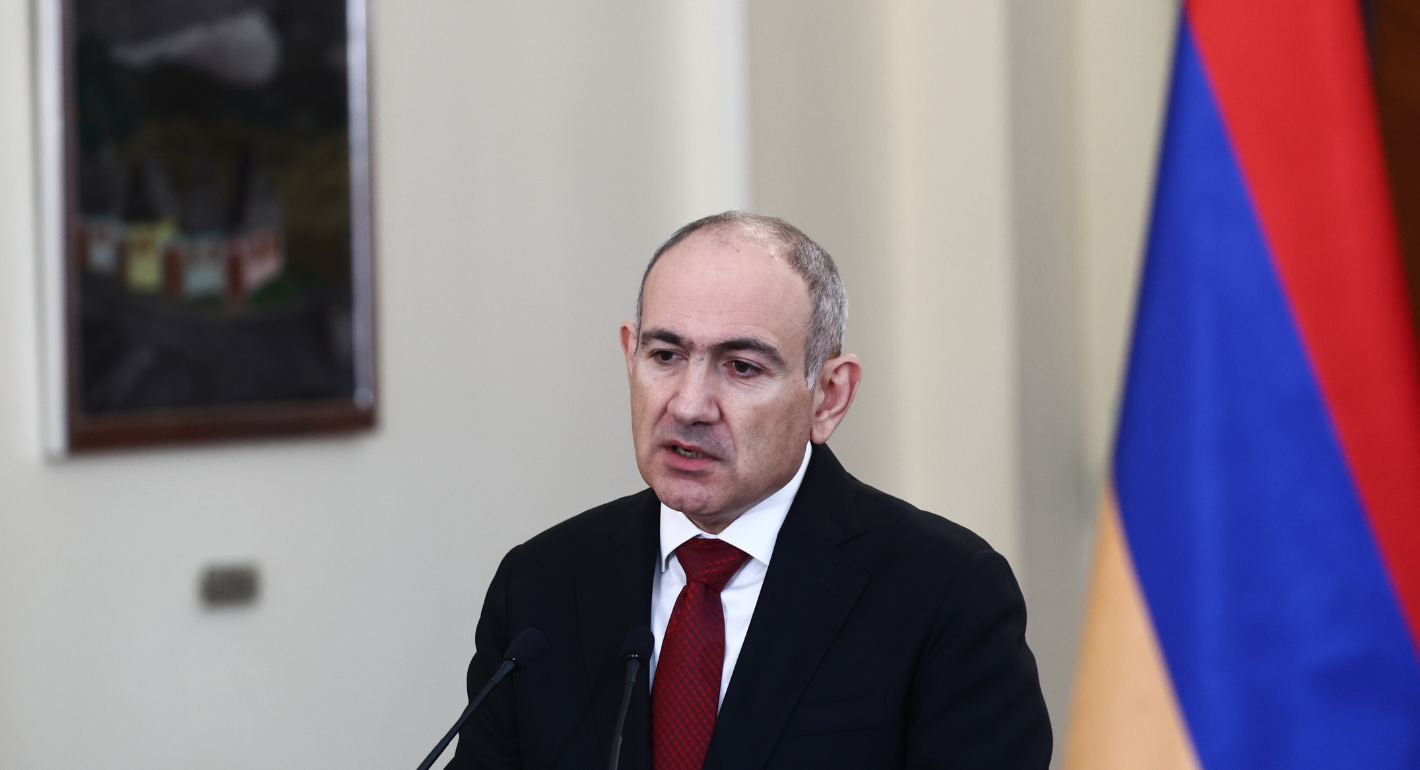
Europe has an interest in supporting Armenian leader Nikol Pashinyan as he tries to make peace with neighbors and loosen ties with Russia. But it is depersonalized support in the long term, not quickfire flash, that will win the day.

Thomas de Waal
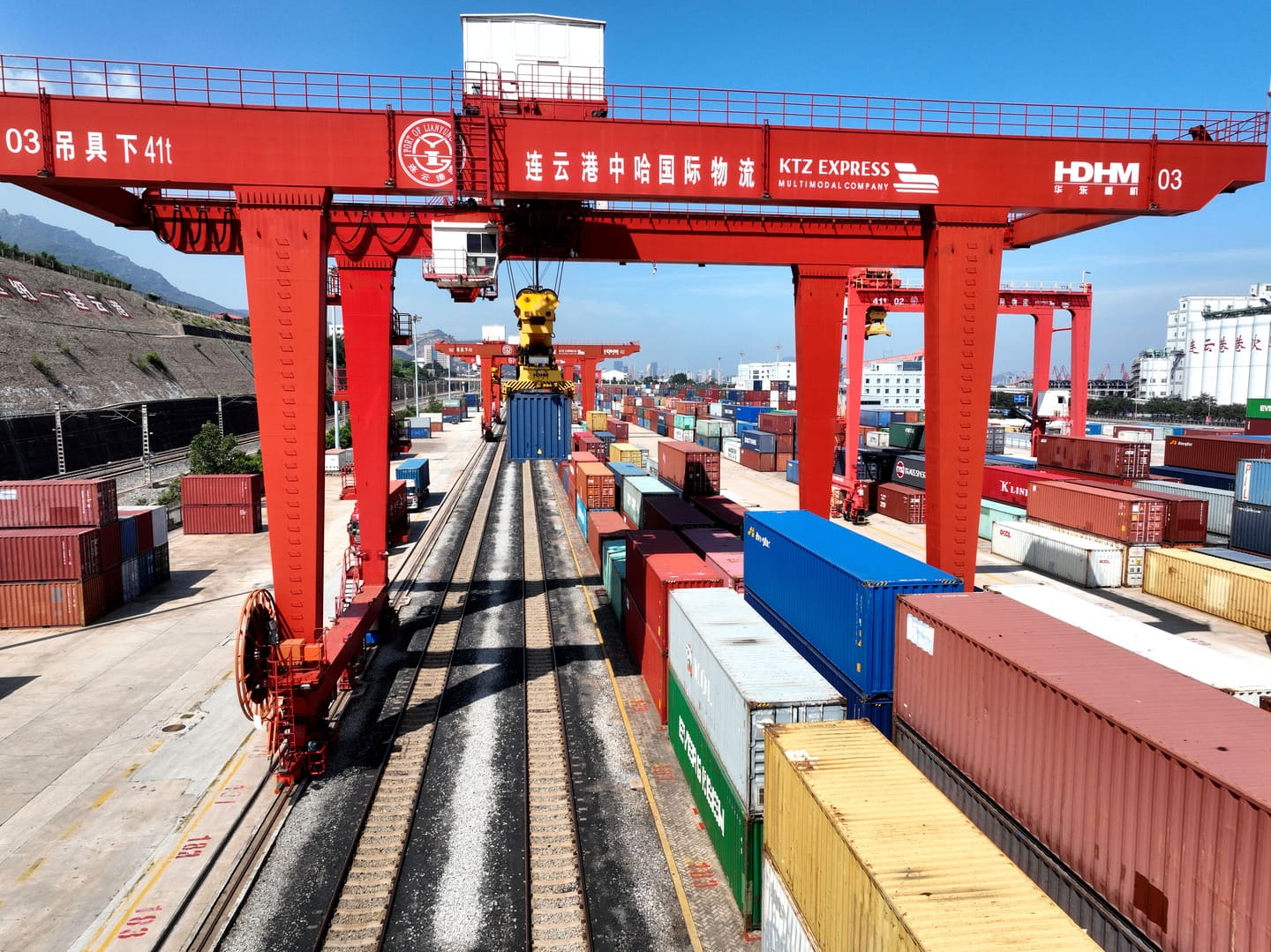
For the Middle Corridor to fulfill its promises, one of these routes must become scalable. At present, neither is.
Friedrich Conradi
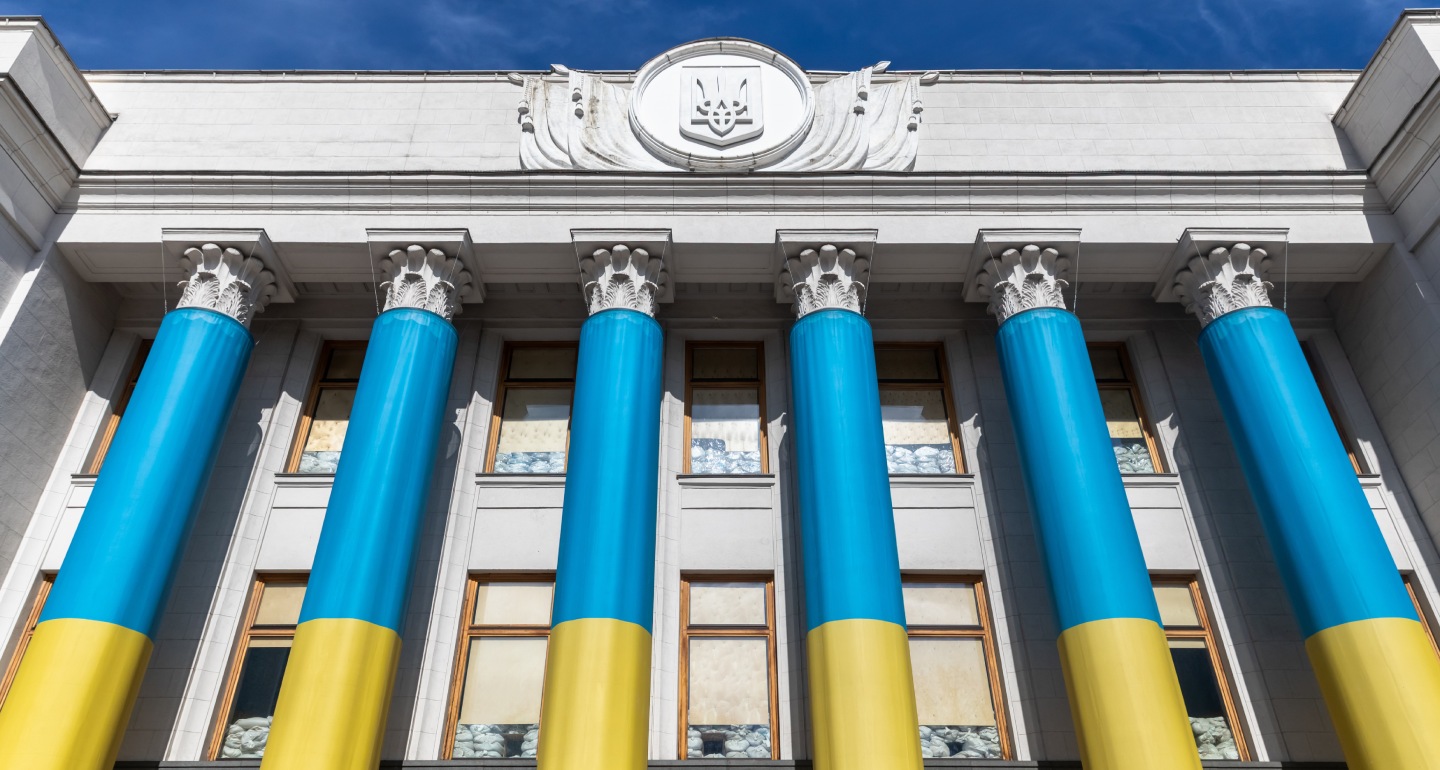
The return of parliamentary politics reflects a broader shift from earlier expectations of a settlement and elections toward the reality of a prolonged war.
Balázs Jarábik
Troubled by the growing salience of nuclear debates in East Asia, Moscow has responded in its usual way: with condemnation and threats. But by exacerbating insecurity, Russia is forcing South Korea and Japan to consider radical security options.

James D.J. Brown