

Article
Amr Hamzawy
{
  "authors": [
    "Amr Hamzawy"
  ],
  "type": "legacyinthemedia",
  "centerAffiliationAll": "dc",
  "centers": [
    "Carnegie Endowment for International Peace"
  ],
  "collections": [],
  "englishNewsletterAll": "democracy",
  "nonEnglishNewsletterAll": "",
  "primaryCenter": "Carnegie Endowment for International Peace",
  "programAffiliation": "DCG",
  "programs": [
    "Democracy, Conflict, and Governance",
    "Middle East"
  ],
  "projects": [],
  "regions": [
    "Egypt"
  ],
  "topics": [
    "Political Reform"
  ]
}
Source: Getty
The Muslim Brotherhood's draft party platform sends mixed signals about the movement's political views and positions. Although it has already been widely circulated, the document does not yet have final approval from the movement's guidance bureau.
Source: Daily Star

The platform's detailed treatment of political, social, and economic issues marks a significant departure from previously less developed positions, articulated inter alia in a 2004 reform initiative and the 2005 electoral platform for Brotherhood parliamentary candidates. This shift addresses one of the most important criticisms of the Brotherhood, namely its championing of vague ideological and religious slogans and inability to come up with specific policy prescriptions.
The document raises troubling questions, however, regarding the identity of a future Brotherhood political party as well as the group's position on several political and social issues. Released in the context of an ongoing standoff between the Egyptian regime and the Brotherhood, it reveals significant ambiguities and perhaps regression in the movement's thinking.
First, the drafters chose not to address the future relationship between the party and the movement. In doing so, they have deliberately ignored important ideas recently discussed within the movement, especially among members of the parliamentary bloc. Inspired by the experiences of Islamist parties in Morocco, Jordan, and Yemen, these members advocate a functional separation between a party and the movement, with the former focused mainly on political participation and the latter on religious activism. In addition to its superficial treatment of the nature of the party and its internal organization, the platform includes no clear statement on opening party membership to all Egyptians regardless of their religion, one of the requirements for establishing a political party according to the Egyptian Constitution.
Second, the draft Brotherhood platform identifies implementation of Sharia as one of the party's main goals. Although this is consistent with the group's interpretation of Article 2 of the Egyptian Constitution ("Islam is the religion of the state, and Islamic law is the main source of legislation"), it departs from the pragmatic spirit of various Brotherhood statements and initiatives since 2004 in which less emphasis was given to the Sharia issue. The return to a focus on Sharia in the platform has led to positions fundamentally at odds with the civil nature of the state and full citizenship rights regardless of religious affiliation.
The platform undermines the principle of a civil state by stipulating that senior religious scholars would have the right to veto legislation that does not conform to the principles of Islamic law. It calls for the establishment of a board of elected senior religious scholars, with whom the president and the legislature would have to consult before passing laws. In effect, this would put the legislature and the executive under the scrutiny of an extra-constitutional body. Setting aside impressionistic inferences regarding the Brotherhood's adoption of a theocratic state model, these provisions constitute a significant departure in the movement's thinking away from the more moderate positions articulated by its leadership in recent years. Over the past few years, the Brotherhood had consistently asserted that the Supreme Constitutional Court was the only body that can adjudicate the constitutionality of laws, and denied that a religious body could perform this task. The draft platform also discriminates against Egypt's Copts by arguing - on religious grounds - that only Muslims are allowed to compete for the highest executive offices, the presidency and prime ministership. This constitutes a violation of basic principles of universal citizenship, which the Brotherhood's discourse had once seemed to accept.
Finally, the party platform's treatment of social and economic issues reveals a preference for a strongly interventionist state that would mitigate the effects of free trade. By contrast, the platform's provisions regarding political reform and democratic change focus on a more limited role for the state and a greater role for civil society and nongovernmental organizations. Calling for a state that systematically intervenes in social and economic spheres while at the same time advocating limiting its political role is contradictory.
Ambiguity and regression in the Brotherhood's party platform cannot be seen outside the current political context in Egypt. Since their strong showing in the parliamentary elections 2005, the Muslim Brothers have been once again facing a repressive state apparatus that places strict constraints on their political participation. In such an uncertain environment, it is highly unlikely that nonviolent religious opposition movements open up to fully embrace democratic norms and principles.
Amr Hamzawy is a senior associate at the Carnegie Endowment for International Peace. Dina Bishara translated this article from Arabic. This commentary is reprinted with permission from the Arab Reform Bulletin, Vol. 5, issue 8 (October 2007) www.CarnegieEndowment.org/ArabReform (c) 2007, Carnegie Endowment for International Peace.

Director, Middle East Program
Amr Hamzawy is a senior fellow and the director of the Carnegie Middle East Program. His research and writings focus on Egypt’s and other middle powers’ involvement in regional security in the Middle East, particularly through collective diplomacy and multilateral conflict resolution
Recent Work
Amr Hamzawy


Amr Hamzawy, Andrew Leber, Eric Lob, …
Carnegie does not take institutional positions on public policy issues; the views represented herein are those of the author(s) and do not necessarily reflect the views of Carnegie, its staff, or its trustees.

Ensuring that cities’ perspectives shape international discussions at this year’s forums is not just equitable; it is likely to produce better outcomes.


Liliana Gamboa, Marissa Jordan
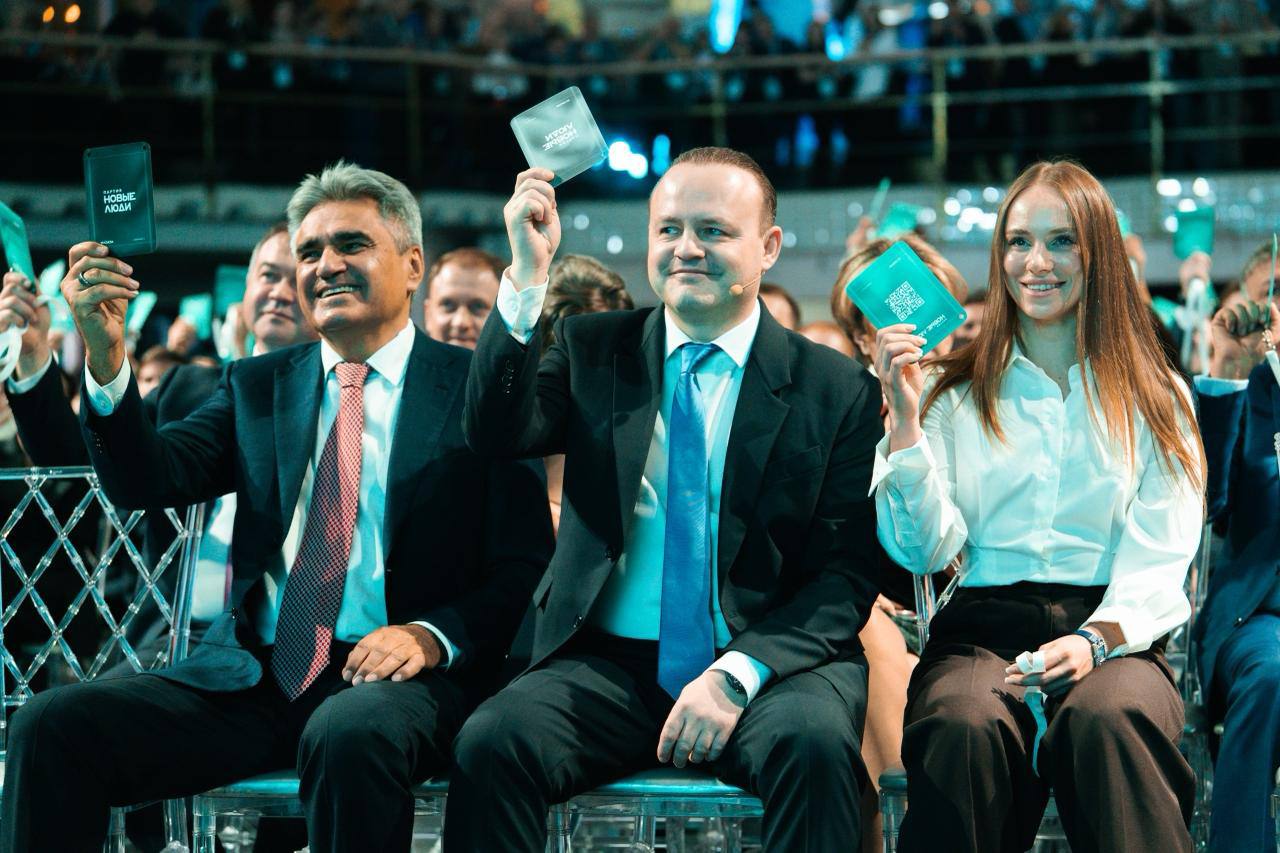
Anger over online restrictions has led to a surge in support for the New People party, which has replaced the Communists as Russia’s second most popular political party.

Andrey Pertsev

The Russian regime is now visibly motivated by fear.

Alexander Baunov
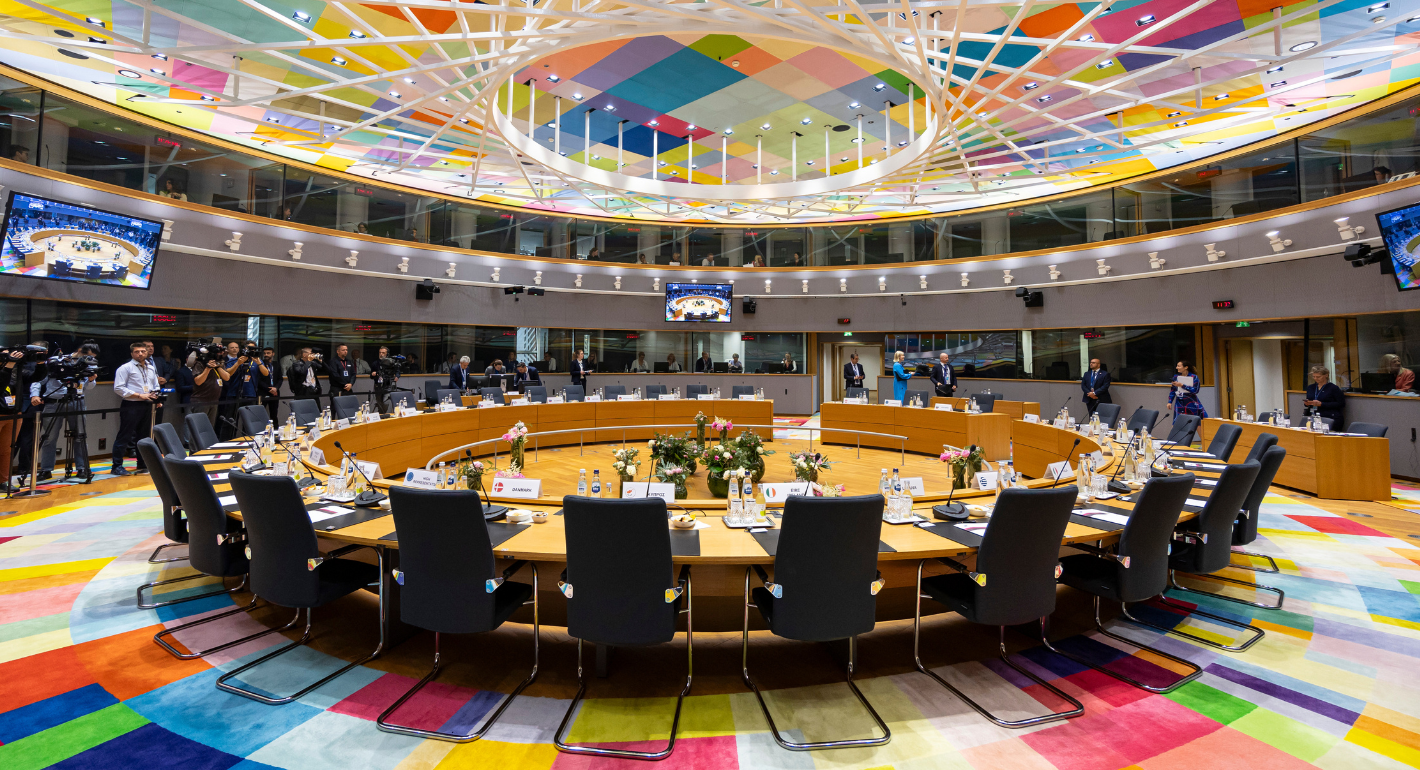
Countries face several hurdles in joining the EU, including the final stage of ratifying their accession treaties. Procedural reforms and substantive adjustments could help move the process forward.

Stefan Lehne
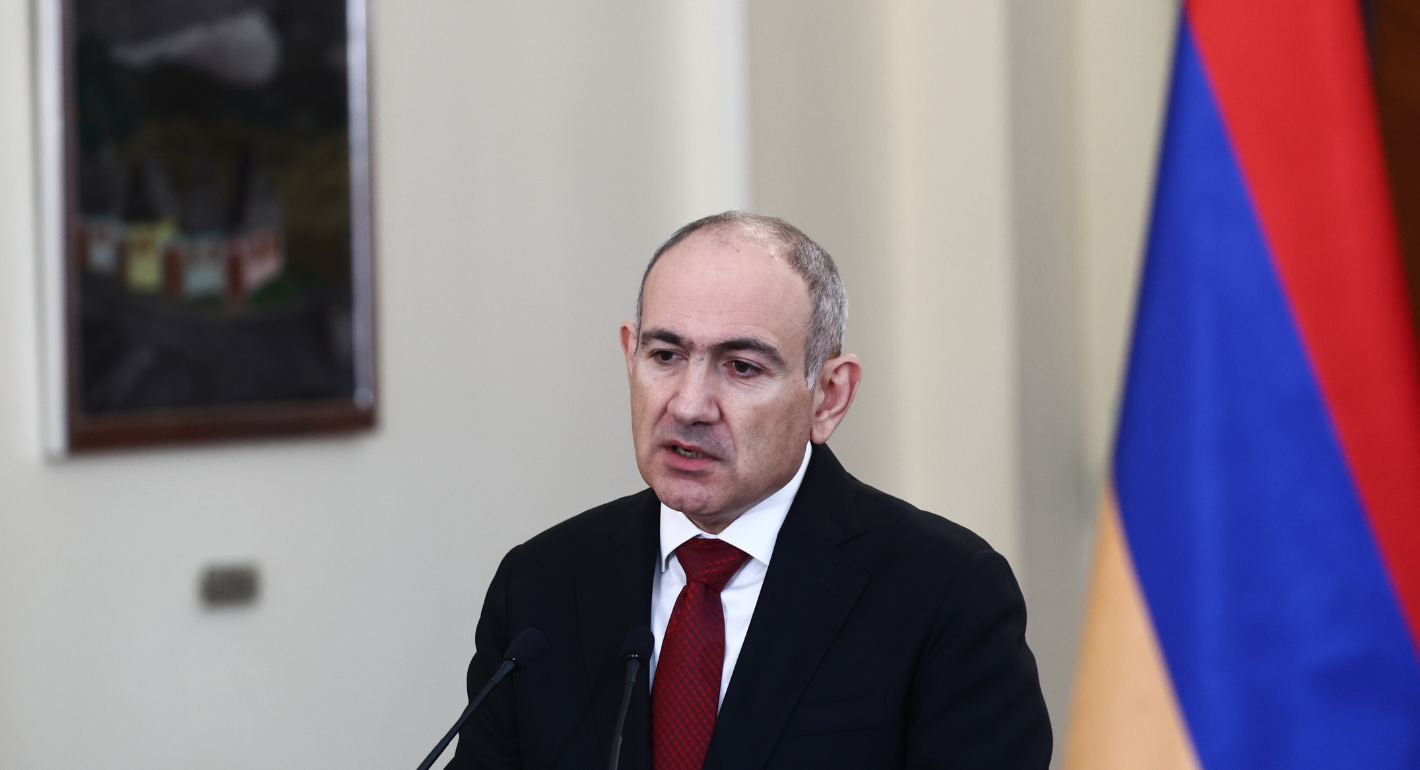
Europe has an interest in supporting Armenian leader Nikol Pashinyan as he tries to make peace with neighbors and loosen ties with Russia. But it is depersonalized support in the long term, not quickfire flash, that will win the day.

Thomas de Waal