• Research
  • Emissary
  • About
  • Experts
Carnegie Global logoCarnegie lettermark logo
DemocracyIran
  • Donate
{
  "authors": [
    "Karim Sadjadpour"
  ],
  "type": "legacyinthemedia",
  "centerAffiliationAll": "dc",
  "centers": [
    "Carnegie Endowment for International Peace"
  ],
  "collections": [],
  "englishNewsletterAll": "ctw",
  "nonEnglishNewsletterAll": "",
  "primaryCenter": "Carnegie Endowment for International Peace",
  "programAffiliation": "NPP",
  "programs": [
    "Nuclear Policy",
    "Middle East"
  ],
  "projects": [],
  "regions": [
    "Middle East",
    "Iran"
  ],
  "topics": [
    "Nuclear Policy"
  ]
}
Source: Getty

In The Media

Iran Scholar: Saddam-Era Ties to Iraq Remain

Link Copied
By Karim Sadjadpour
Published on Nov 2, 2007
Program mobile hero image

Program

Nuclear Policy

The Nuclear Policy Program aims to reduce the risk of nuclear war. Our experts diagnose acute risks stemming from technical and geopolitical developments, generate pragmatic solutions, and use our global network to advance risk-reduction policies. Our work covers deterrence, disarmament, arms control, nonproliferation, and nuclear energy.

Learn More
Program mobile hero image

Program

Middle East

The Middle East Program in Washington combines in-depth regional knowledge with incisive comparative analysis to provide deeply informed recommendations. With expertise in the Gulf, North Africa, Iran, and Israel/Palestine, we examine crosscutting themes of political, economic, and social change in both English and Arabic.

Learn More

Source: NPR's All Things Considered

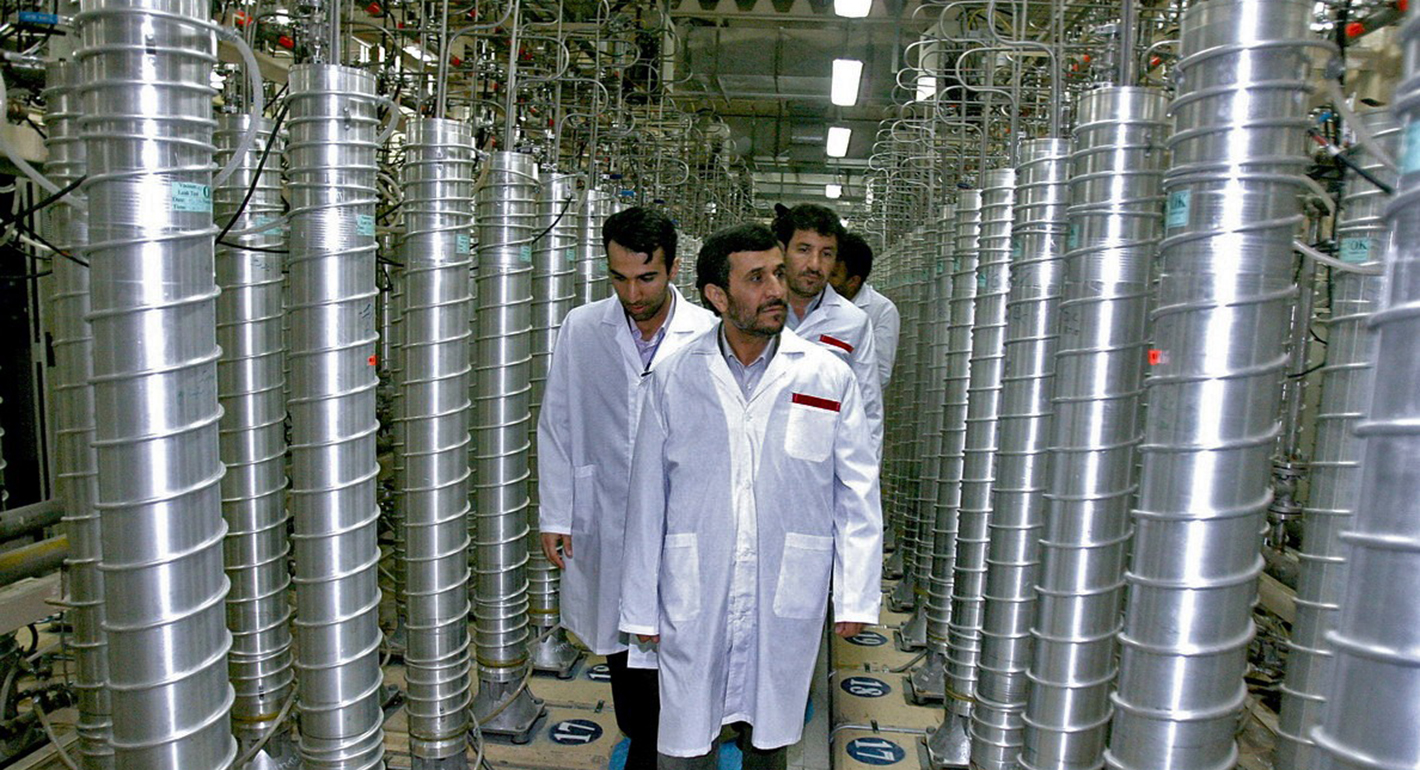
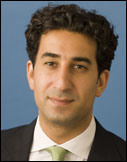
As suspicions about a possible U.S. attack on Iran increase stateside, Carnegie's Iran expert, Karim Sadjadpour, talks with Melissa Block about the Iranian perspective of its involvement in Iraq and what effects the sanctions announced last week might have on U.S.-Iran relations.

Click here to listen to the interview.

About the Author

Karim Sadjadpour

Senior Fellow, Middle East Program

Karim Sadjadpour is a senior fellow at the Carnegie Endowment for International Peace, where he focuses on Iran and U.S. foreign policy toward the Middle East.

    Recent Work

  • Q&A
    Iran Wanted to Survive the War. Now What?

      Suzanne Maloney, Aaron David Miller, Karim Sadjadpour

  • Q&A
    What’s Keeping the Iranian Regime in Power—for Now

      Aaron David Miller, Karim Sadjadpour, Robin Wright

Karim Sadjadpour
Senior Fellow, Middle East Program
Karim Sadjadpour
Nuclear PolicyMiddle EastIran

Carnegie does not take institutional positions on public policy issues; the views represented herein are those of the author(s) and do not necessarily reflect the views of Carnegie, its staff, or its trustees.
More Work from Carnegie Endowment for International Peace

  • Research
    Book Review of Enduring Hostility: The Making of America’s Iran Policy

    A review of a detailed account of how antipathy toward Tehran has assumed a life and logic of its own in Washington, DC.

      • Jane Darby Menton

      Jane Darby Menton

  • Aerial view of Yemeni refugee tents displaced by war
    Article
    In Yemen, Climate Finance Must Respond to Entrenched Instability

    The world’s climate adaptation funds must adapt to address the ways that climate change is deepening state fragility.

      Ray Salvatore Jennings, Paul Andrew Mayewski

  • Commentary
    Carnegie Politika
    Simmering U.S.-Iran Conflict Is Moscow’s Ideal Outcome

    Ongoing uncertainty in the Middle East allows Moscow to both increase its influence in Tehran and continue to enjoy the financial windfall of higher oil prices.

      Nikita Smagin

  • Commentary
    President Lee Jae Myung: A Year in Power

    President Lee marked his first year in office after one of the most tumultuous periods in South Korean politics. Though Lee has enjoyed a high approval rating, a large majority in the National Assembly, and foreign policy victories, Lee and his party’s political fortunes depend on generating economic growth, learning the right lessons from the recent local elections, and managing contentious factional strife within his political base.

      Chung Min Lee

  • Commentary
    Carnegie Politika
    Multiple Wars Are Ruining Central Asia’s Efforts to Diversify Its Trade Routes

    This year’s wars have made alternative routes to transit through Russia no less risky for Central Asian countries.

      Galiya Ibragimova

Get more news and analysis from
Carnegie Endowment for International Peace
Carnegie global logo, stacked
1779 Massachusetts Avenue NWWashington, DC, 20036-2103Phone: 202 483 7600
  • Research
  • Emissary
  • About
  • Experts
  • Donate
  • Programs
  • Events
  • Blogs
  • Podcasts
  • Contact
  • Annual Reports
  • Careers
  • Privacy
  • For Media
  • Government Resources
Get more news and analysis from
Carnegie Endowment for International Peace
© 2026 Carnegie Endowment for International Peace. All rights reserved.