

Commentary
In the discussions made possible by the State Duma election campaign, one question is being asked more and more loudly. “What next?”
Andrey Pertsev
{
  "authors": [
    "Maria Lipman",
    "Dmitri Trenin"
  ],
  "type": "legacyinthemedia",
  "centerAffiliationAll": "dc",
  "centers": [
    "Carnegie Endowment for International Peace",
    "Carnegie Russia Eurasia Center"
  ],
  "collections": [],
  "englishNewsletterAll": "ctw",
  "nonEnglishNewsletterAll": "",
  "primaryCenter": "Carnegie Russia Eurasia Center",
  "programAffiliation": "russia",
  "programs": [
    "Russia and Eurasia"
  ],
  "projects": [],
  "regions": [
    "Caucasus",
    "Russia"
  ],
  "topics": [
    "Political Reform",
    "Economy",
    "Military",
    "Foreign Policy"
  ]
}
Source: Getty
The heady optimism many in the West felt about the prospect for partnership with Russia in the wake of the collapse of the Soviet Union has since dissipated. Masha Lipman and Dmitri Trenin from the Carnegie Moscow Center shared their thoughts on President Putin's domestic and foreign policies and the course he has charted for Russia.
Source: Public Radio International

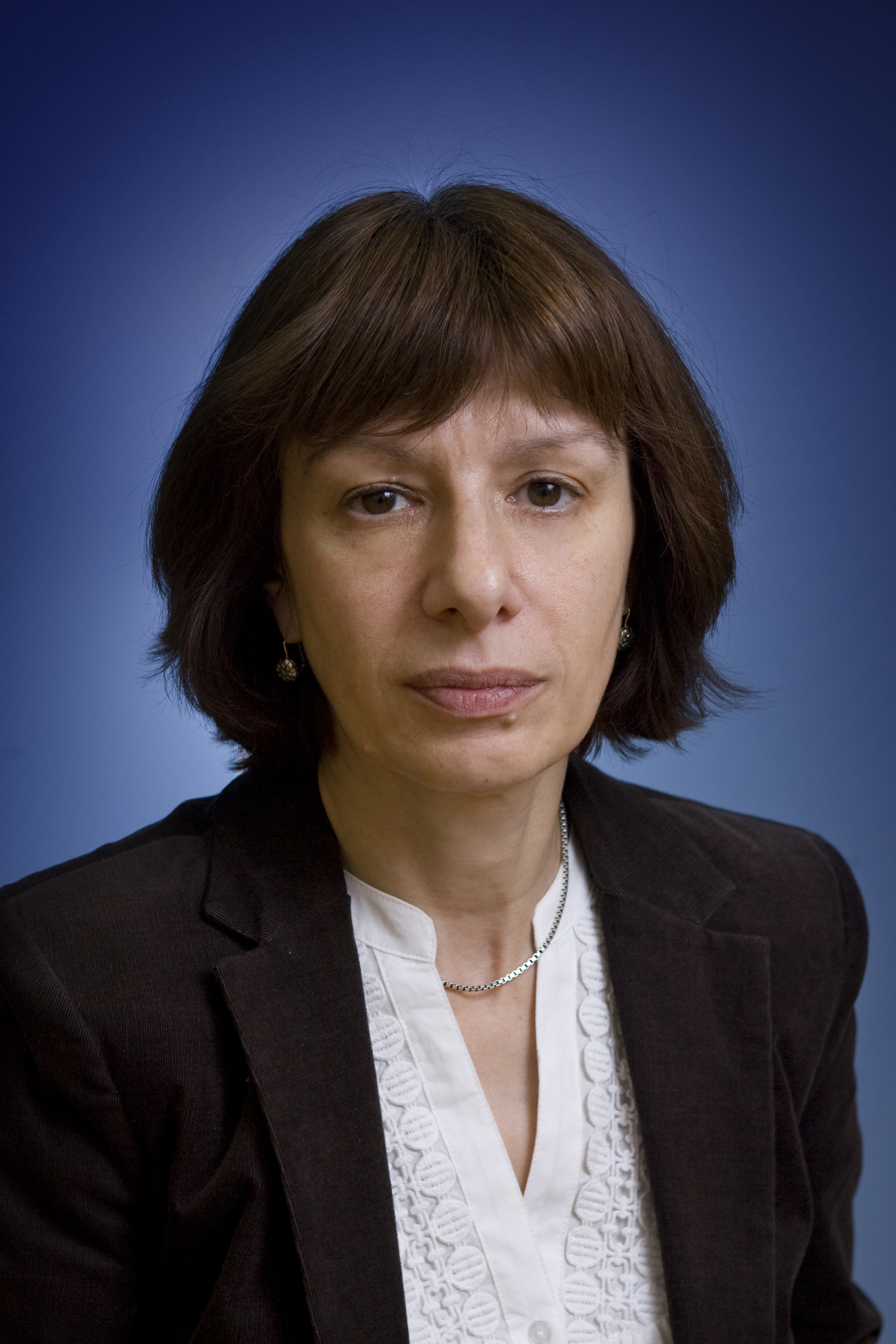
Former Scholar in Residence, Society and Regions Program, Editor in Chief, Pro et Contra, Moscow Center
Lipman was the editor in chief of the Pro et Contra journal, published by the Carnegie Moscow Center. She was also the expert of the Carnegie Moscow Center’s Society and Regions Program.
Former Director, Carnegie Moscow Center
Trenin was director of the Carnegie Moscow Center from 2008 to early 2022.
Carnegie does not take institutional positions on public policy issues; the views represented herein are those of the author(s) and do not necessarily reflect the views of Carnegie, its staff, or its trustees.

In the discussions made possible by the State Duma election campaign, one question is being asked more and more loudly. “What next?”

Andrey Pertsev

While the Nazis rushed ahead in a revolutionary fervor, Russia’s modern crusaders against enemies of the state work methodically, giving their targets time to adjust to restrictions before closing the loopholes.

Leonid Bershidsky
Media coverage suggests Kyiv’s fortunes have changed. That shift may be important, but it only goes so far.



Dara Massicot, Aaron David Miller, Andrew S. Weiss
Lee’s tour shows how Seoul is reorganizing its diplomacy away from Pyongyang and toward industrial networks and the geography of the compute economy.

Darcie Draudt-Véjares
The Pentagon is calling for a rapid AI transformation. Autonomous drones offer a case study in the eight bottlenecks the U.S. military must navigate to realize that vision.
Jake Steckler