• Research
  • Emissary
  • About
  • Experts
Carnegie Global logoCarnegie lettermark logo
DemocracyIran
  • Donate
{
  "authors": [
    "Karim Sadjadpour"
  ],
  "type": "legacyinthemedia",
  "centerAffiliationAll": "dc",
  "centers": [
    "Carnegie Endowment for International Peace"
  ],
  "collections": [],
  "englishNewsletterAll": "menaTransitions",
  "nonEnglishNewsletterAll": "",
  "primaryCenter": "Carnegie Endowment for International Peace",
  "programAffiliation": "MEP",
  "programs": [
    "Middle East"
  ],
  "projects": [],
  "regions": [
    "Middle East",
    "Iran",
    "Iraq"
  ],
  "topics": [
    "Foreign Policy"
  ]
}
Source: Getty

In The Media

Analysis: Iran's Influence in Iraq

Link Copied
By Karim Sadjadpour
Published on Mar 3, 2008
Program mobile hero image

Program

Middle East

The Middle East Program in Washington combines in-depth regional knowledge with incisive comparative analysis to provide deeply informed recommendations. With expertise in the Gulf, North Africa, Iran, and Israel/Palestine, we examine crosscutting themes of political, economic, and social change in both English and Arabic.

Learn More

Source: NBC Nightly News

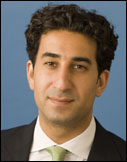
Carnegie's Karim Sadjadpour provides in-depth commentary for NBC News on Iranian President Mahmoud Ahmadinejad's historic visit to Iraq, Iranian influence in Iraq and implications for U.S.-Iranian relations. Click here to view the broadcast.

About the Author

Karim Sadjadpour

Senior Fellow, Middle East Program

Karim Sadjadpour is a senior fellow at the Carnegie Endowment for International Peace, where he focuses on Iran and U.S. foreign policy toward the Middle East.

    Recent Work

  • Q&A
    What’s Keeping the Iranian Regime in Power—for Now

      Aaron David Miller, Karim Sadjadpour, Robin Wright

  • Q&A
    How Washington and Tehran Are Assessing Their Next Steps

      Aaron David Miller, David Petraeus, Karim Sadjadpour

Karim Sadjadpour
Senior Fellow, Middle East Program
Karim Sadjadpour
Foreign PolicyMiddle EastIranIraq

Carnegie does not take institutional positions on public policy issues; the views represented herein are those of the author(s) and do not necessarily reflect the views of Carnegie, its staff, or its trustees.
More Work from Carnegie Endowment for International Peace

  • Commentary
    Diwan
    What Does the Strait of Hormuz’s Closure Mean?

    In an interview, Roger Diwan discusses where the global economy may be going in the third week of the U.S. and Israeli war on Iran.

      Nur Arafeh

  • Commentary
    Diwan
    The Gulf Conflict and the South Caucasus

    In an interview, Sergei Melkonian discusses Armenia’s and Azerbaijan’s careful balancing act among the United States, Israel, and Iran.

      Armenak Tokmajyan

  • Commentary
    Strategic Europe
    Europe and the Arab Gulf Must Come Together

    The war in Iran proves the United States is now a destabilizing actor for Europe and the Arab Gulf. From protect their economies and energy supplies to safeguarding their territorial integrity, both regions have much to gain from forming a new kind of partnership together.

      • Rym Momtaz

      Rym Momtaz

  • Commentary
    Carnegie Politika
    Why Has Kazakhstan Started Deporting Political Activists?

    The current U.S. indifference to human rights means Astana no longer has any incentive to refuse extradition requests from its authoritarian neighbors—including Russia.

      Temur Umarov

  • people walking with suitcases
    Commentary
    Emissary
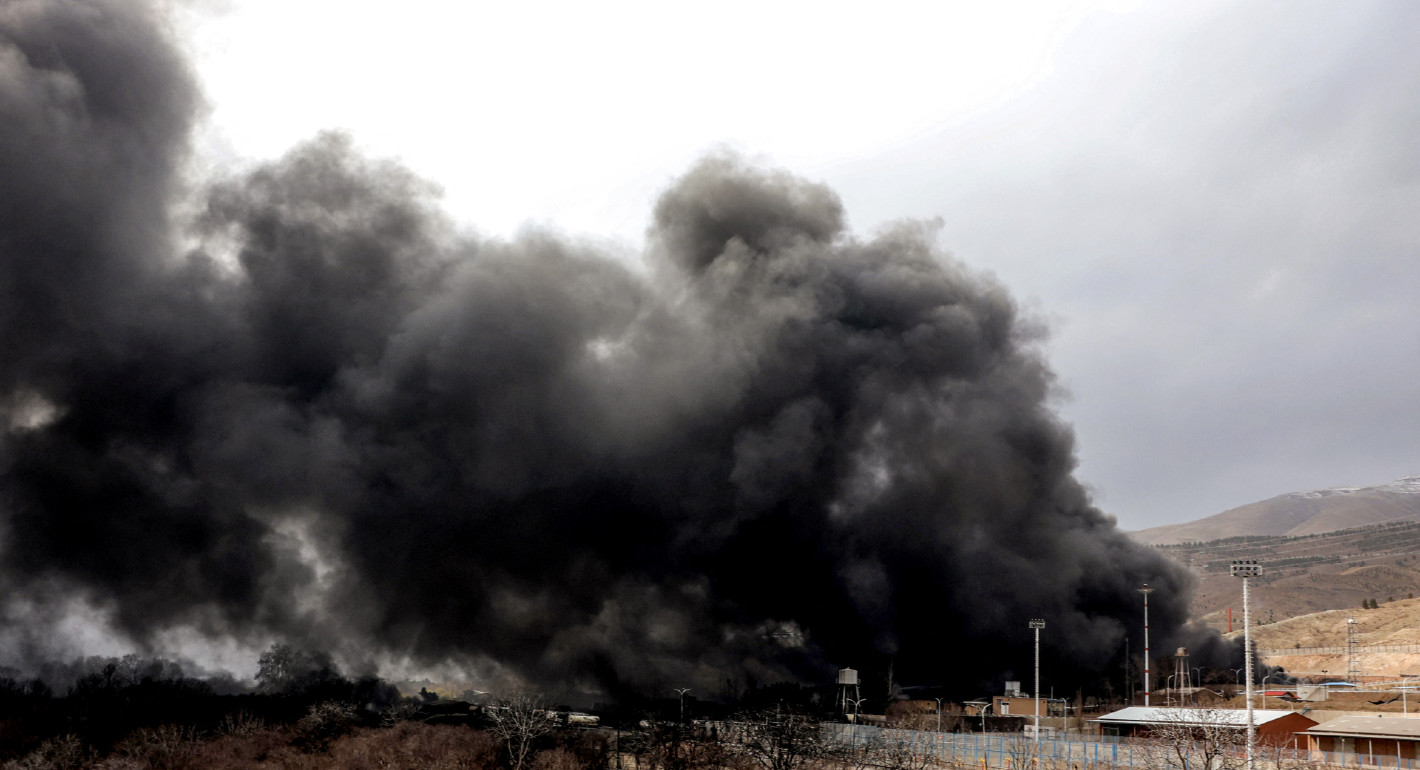
    Iran’s Northern Neighbors Are Facing Fallout From the War, Too

    The conflict is threatening stability in Armenia and Azerbaijan.

      Zaur Shiriyev

Get more news and analysis from
Carnegie Endowment for International Peace
Carnegie global logo, stacked
1779 Massachusetts Avenue NWWashington, DC, 20036-2103Phone: 202 483 7600Fax: 202 483 1840
  • Research
  • Emissary
  • About
  • Experts
  • Donate
  • Programs
  • Events
  • Blogs
  • Podcasts
  • Contact
  • Annual Reports
  • Careers
  • Privacy
  • For Media
  • Government Resources
Get more news and analysis from
Carnegie Endowment for International Peace
© 2026 Carnegie Endowment for International Peace. All rights reserved.