

Commentary
Russia looks set to reap economic benefits from closer ties with Southeast Asian countries that are keen to find reliable energy suppliers and diversify trade ties.
Alexander Gabuev
{
  "authors": [],
  "type": "pressRelease",
  "centerAffiliationAll": "dc",
  "centers": [
    "Carnegie Endowment for International Peace"
  ],
  "collections": [],
  "englishNewsletterAll": "menaTransitions",
  "nonEnglishNewsletterAll": "",
  "primaryCenter": "Carnegie Endowment for International Peace",
  "programAffiliation": "MEP",
  "programs": [
    "Middle East"
  ],
  "projects": [],
  "regions": [
    "North America",
    "United States",
    "Middle East",
    "Israel",
    "North Africa",
    "Egypt",
    "Palestine"
  ],
  "topics": [
    "Political Reform",
    "Democracy",
    "Foreign Policy"
  ]
}
REQUIRED IMAGE
The current U.S. approach to the Israeli–Palestinian conflict further undermines the chances for a two-state solution. Rather than pretending that an agreement is possible, it would be far better if U.S. efforts in the remainder of this year began to address underlying problems to improve the scenarios for the next administration, urges Middle East expert Nathan J. Brown.

WASHINGTON, May 13—The current U.S. approach to the Israeli–Palestinian conflict actually further undermines the chances for a two-state solution. Rather than pretending that an agreement is possible now, it would be far better if U.S. efforts in the remainder of this calendar year began to address the underlying problems to improve the scenarios for the next administration, urges Middle East expert Nathan J. Brown in his new report, Sunset for the Two-State Solution?, released today.
The next U.S. administration will face a series of bleak choices on the Israeli–Palestinian conflict, of which a two-state solution remains the most attractive. But the framework to support a two-state solution has collapsed. A two-state solution will require a more viable and unified Palestinian leadership and less intrusive Israeli security in the West Bank.
To keep a two-state solution alive for the next administration, the Bush administration should:
“The menu that will greet the incoming U.S. administration in January 2009 is short and unappetizing. The most attractive option—revival of the two-state solution—will require extremely robust efforts indeed. And it will also demand more patience, concerted attention, and tolerance for risk than the United States has shown so far in dealing with the conflict.”
###

Carnegie does not take institutional positions on public policy issues; the views represented herein are those of the author(s) and do not necessarily reflect the views of Carnegie, its staff, or its trustees.
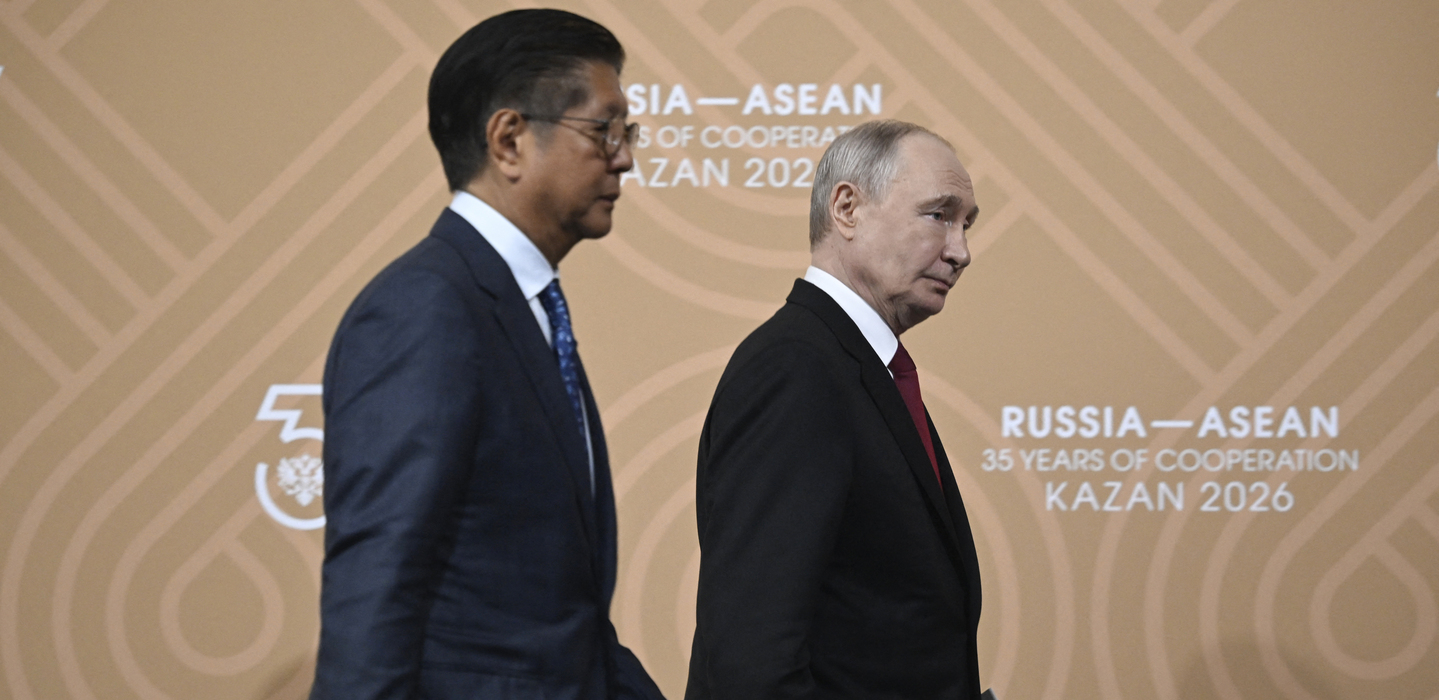
Russia looks set to reap economic benefits from closer ties with Southeast Asian countries that are keen to find reliable energy suppliers and diversify trade ties.

Alexander Gabuev
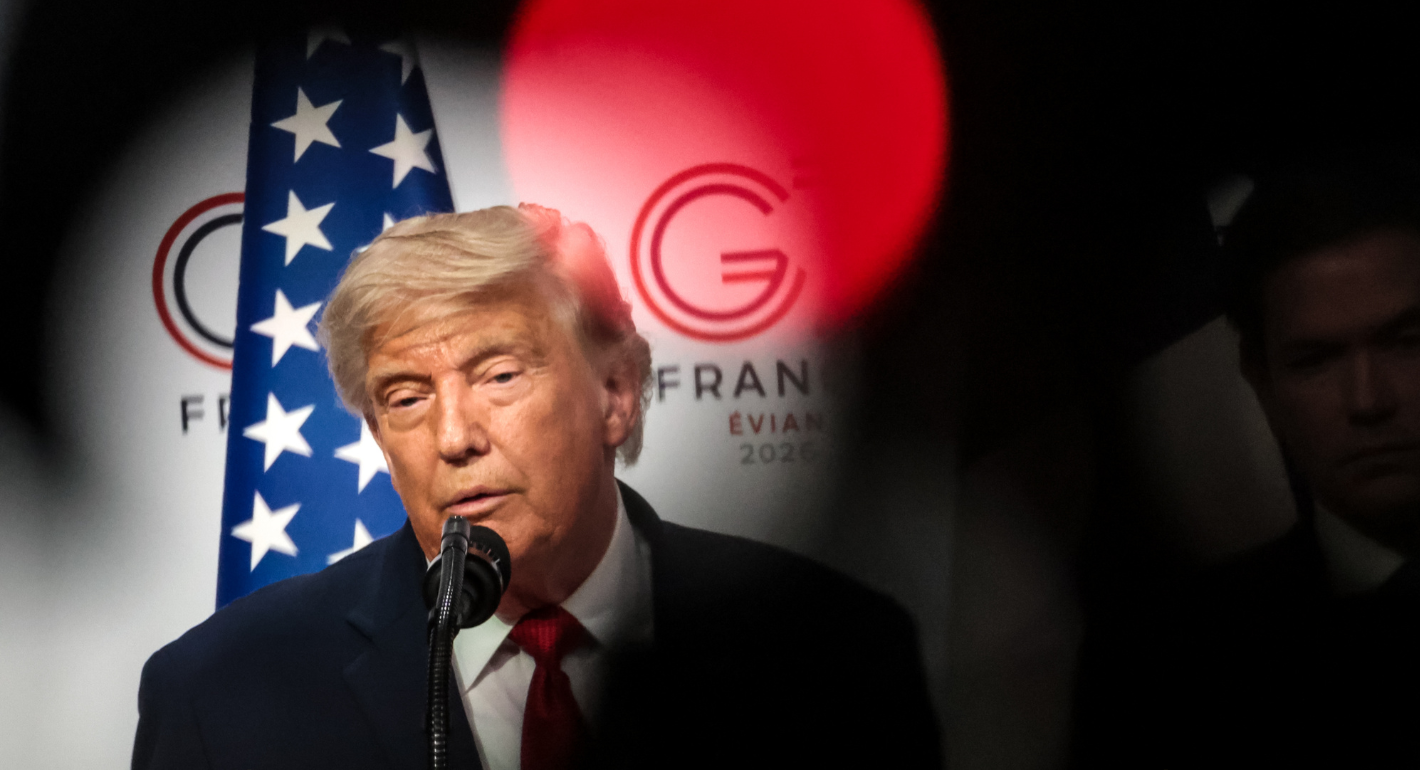
There is an elephant in the room when it comes to the EU’s upcoming security strategy: Donald Trump. Unless European leaders acknowledge the depth of the transatlantic crisis, true autonomy will remain out of reach.

Stefan Lehne
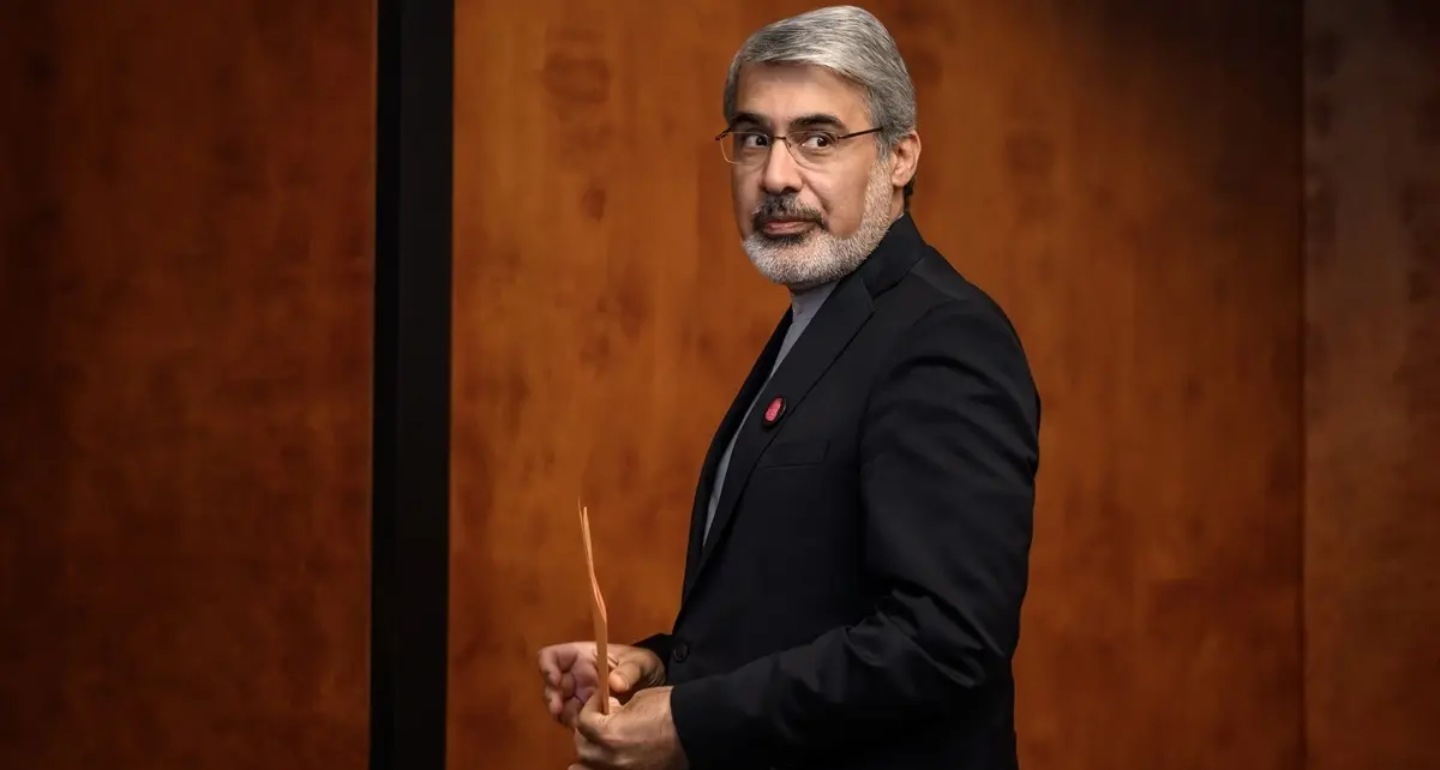
Ongoing uncertainty in the Middle East allows Moscow to both increase its influence in Tehran and continue to enjoy the financial windfall of higher oil prices.

Nikita Smagin

To carry out its global AI agenda, Washington will need strategic relationships with emerging markets in Africa, starting with Kenya.

Jane Munga

Europe’s industrial supply chains leave it vulnerable to global shocks. The EU needs a pragmatic green industrial strategy that balances durable partnerships and bolsters homegrown clean tech without sacrificing low-carbon ambition.


Milo McBride, Pauline Gerard