• Research
  • Emissary
  • About
  • Experts
Carnegie Global logoCarnegie lettermark logo
DemocracyIran
  • Donate
{
  "authors": [
    "Pierre Goldschmidt"
  ],
  "type": "other",
  "centerAffiliationAll": "dc",
  "centers": [
    "Carnegie Endowment for International Peace"
  ],
  "collections": [],
  "englishNewsletterAll": "ctw",
  "nonEnglishNewsletterAll": "",
  "primaryCenter": "Carnegie Endowment for International Peace",
  "programAffiliation": "NPP",
  "programs": [
    "Nuclear Policy"
  ],
  "projects": [],
  "regions": [],
  "topics": [
    "Nuclear Policy"
  ]
}
Source: Getty

Other

IAEA Safeguards: Dealing Preventively with Non-Compliance

In a study commissioned jointly by the Harvard Belfer Center and the Carnegie Endowment for International Peace, Carnegie's Pierre Goldschmidt presents a multi-stage process that the international community should follow to strengthen the capacity of the IAEA to resolve in a timely manner cases of non-compliance.

Link Copied
By Pierre Goldschmidt
Published on Jul 12, 2008
Program mobile hero image

Program

Nuclear Policy

The Nuclear Policy Program aims to reduce the risk of nuclear war. Our experts diagnose acute risks stemming from technical and geopolitical developments, generate pragmatic solutions, and use our global network to advance risk-reduction policies. Our work covers deterrence, disarmament, arms control, nonproliferation, and nuclear energy.

Learn More

Source: Harvard Belfer Center for Science and International Affairs

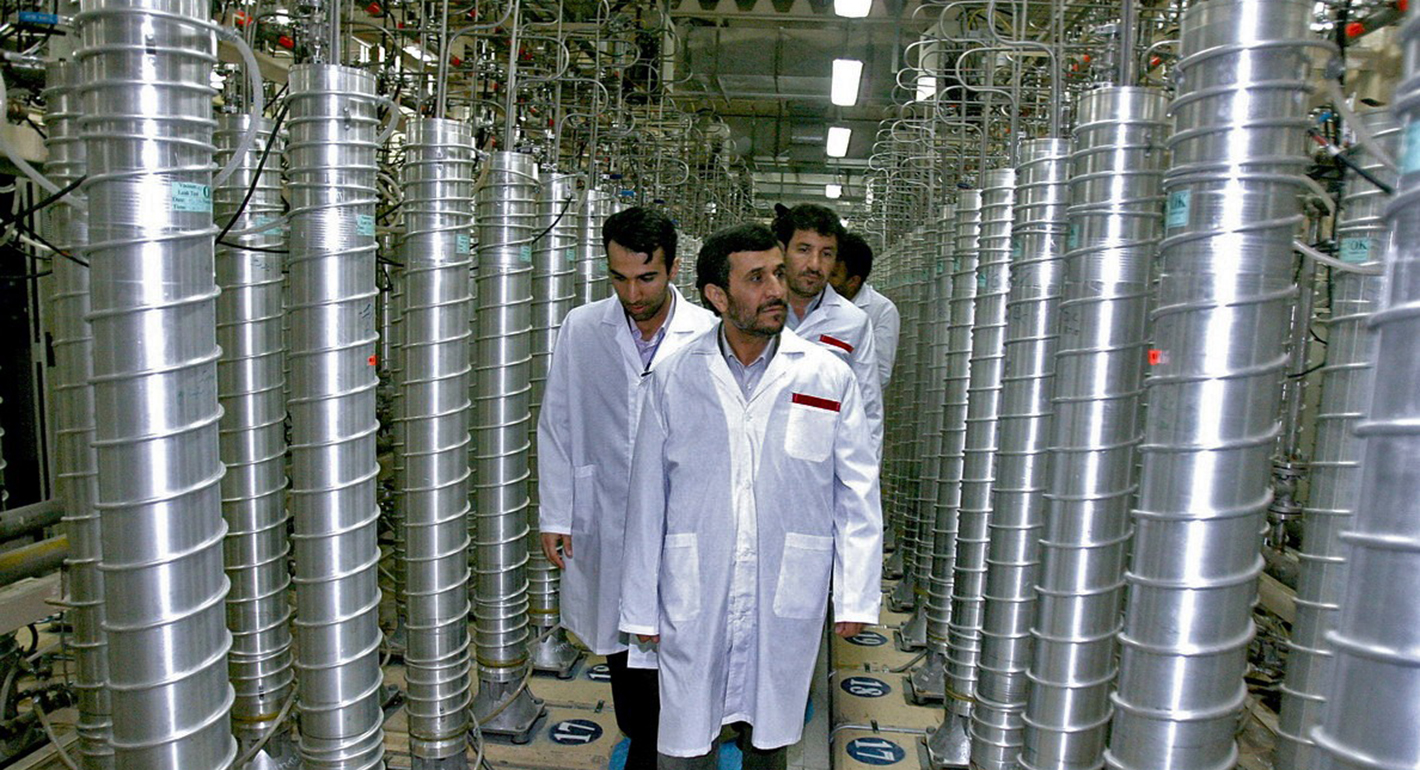
In a study commissioned jointly by the Harvard Belfer Center and the Carnegie Endowment for International Peace, Carnegie's Pierre Goldschmidt, formerly Deputy Director General of the International Atomic Energy Agency (IAEA), presents a multi-stage process that the international community should follow to strengthen the capacity of the IAEA to resolve in a timely manner cases of non-compliance. Drawing upon the cases of North Korea and Iran, Dr. Goldschmidt proposes a generic UN Security Council Resolution and a Model Temporary Complementary Protocol which he argues are necessary to help address the current limitations of the IAEA's verification authority when a non-compliant state does not fully and proactively cooperate with the Agency.

About the Author

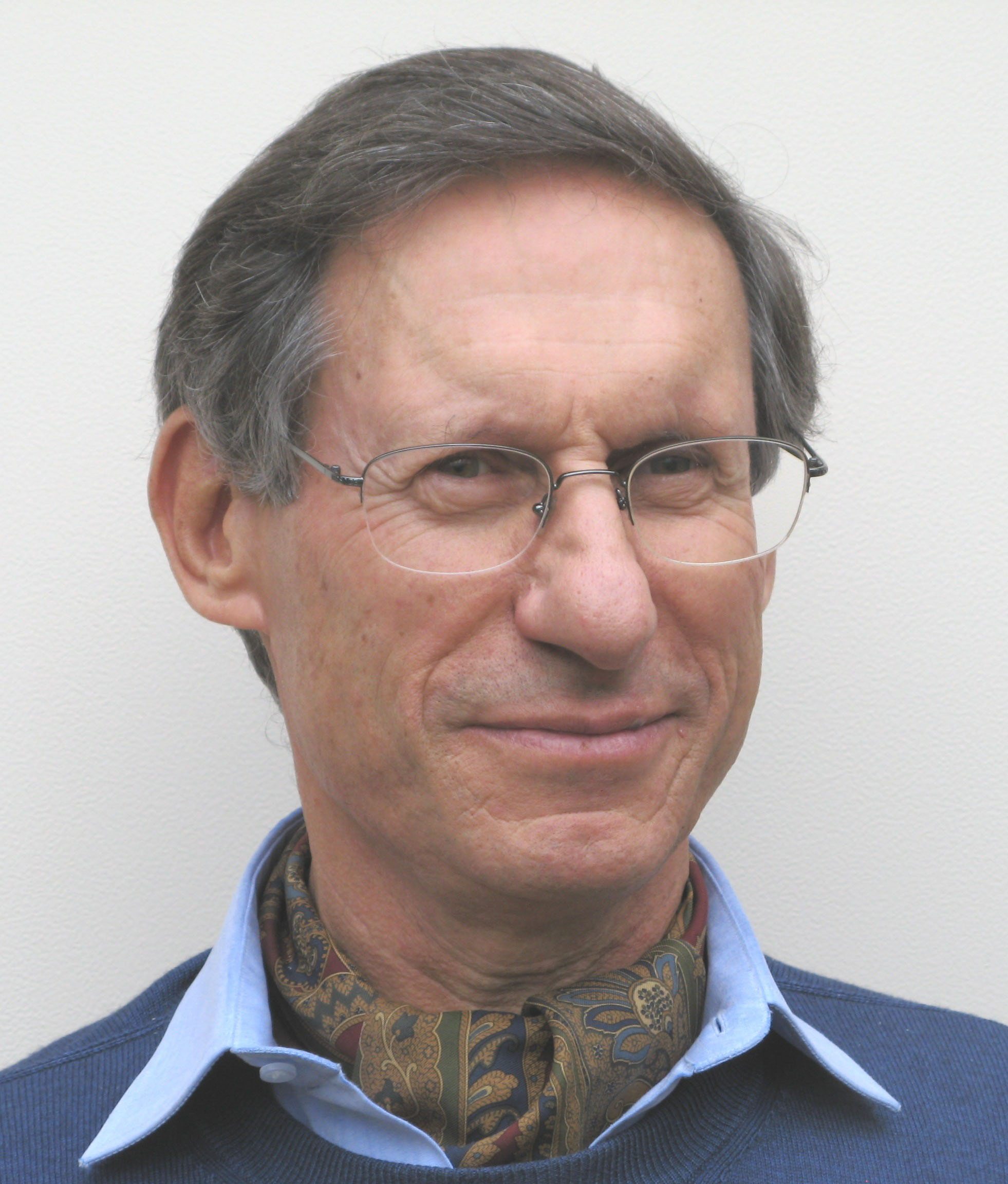
Pierre Goldschmidt

Former Nonresident Senior Associate, Nuclear Policy Program

Goldschmidt was a nonresident senior associate at the Carnegie Endowment.

    Recent Work

  • Article
    A Realistic Approach Toward a Middle East Free of WMD

      Pierre Goldschmidt

  • Article
    Serious Deficiencies Exposed by Latest IAEA Safeguards Implementation Report

      Pierre Goldschmidt

Pierre Goldschmidt
Former Nonresident Senior Associate, Nuclear Policy Program
Pierre Goldschmidt
Nuclear Policy

Carnegie does not take institutional positions on public policy issues; the views represented herein are those of the author(s) and do not necessarily reflect the views of Carnegie, its staff, or its trustees.
More Work from Carnegie Endowment for International Peace

  • Commentary
    Strategic Europe
    Taking the Pulse: Is France’s New Nuclear Doctrine Ambitious Enough?

    French President Emmanuel Macron has unveiled his country’s new nuclear doctrine. Are the changes he has made enough to reassure France’s European partners in the current geopolitical context?

      • Rym Momtaz

      Rym Momtaz, ed.

  • Commentary
    Strategic Europe
    Europe on Iran: Gone with the Wind

    Europe’s reaction to the war in Iran has been disunited and meek, a far cry from its previously leading role in diplomacy with Tehran. To avoid being condemned to the sidelines while escalation continues, Brussels needs to stand up for international law.

      Pierre Vimont

  • Research
    The Unintended Consequences of German Deterrence

    Germany's sometimes ambiguous nuclear policy advocates nuclear weapons for deterrence purposes but at the same time adheres to non-proliferation. This dichotomy can turn into a formidable dilemma and increase proliferation pressures in Berlin once no nuclear protector is around anymore, a scenario that has become more realistic in recent years.

      Ulrich Kühn

  • Commentary
    Strategic Europe
    Macron Makes France a Great Middle Power

    France has stopped clinging to notions of being a great power and is embracing the middle power moment. But Emmanuel Macron has his work cut out if he is to secure his country’s global standing before his term in office ends.

      • Rym Momtaz

      Rym Momtaz

  • Escalation Dynamics Under the Nuclear Shadow—India’s Approach
    Paper
    Escalation Dynamics Under the Nuclear Shadow—India’s Approach

    An exploration into how India and Pakistan have perceived each other’s manipulations, or lack thereof, of their nuclear arsenals.

      • Rakesh Sood

      Rakesh Sood

Get more news and analysis from
Carnegie Endowment for International Peace
Carnegie global logo, stacked
1779 Massachusetts Avenue NWWashington, DC, 20036-2103Phone: 202 483 7600Fax: 202 483 1840
  • Research
  • Emissary
  • About
  • Experts
  • Donate
  • Programs
  • Events
  • Blogs
  • Podcasts
  • Contact
  • Annual Reports
  • Careers
  • Privacy
  • For Media
  • Government Resources
Get more news and analysis from
Carnegie Endowment for International Peace
© 2026 Carnegie Endowment for International Peace. All rights reserved.