• Research
  • Emissary
  • About
  • Experts
Carnegie Global logoCarnegie lettermark logo
DemocracyIran
  • Donate
{
  "authors": [
    "Minxin Pei"
  ],
  "type": "legacyinthemedia",
  "centerAffiliationAll": "dc",
  "centers": [
    "Carnegie Endowment for International Peace"
  ],
  "collections": [],
  "englishNewsletterAll": "asia",
  "nonEnglishNewsletterAll": "",
  "primaryCenter": "Carnegie Endowment for International Peace",
  "programAffiliation": "AP",
  "programs": [
    "Asia"
  ],
  "projects": [],
  "regions": [
    "China"
  ],
  "topics": [
    "Political Reform",
    "Military"
  ]
}
Source: Getty

In The Media

Understanding China

The Olympic Games cap a decade of Chinese re-engagement with the world and demonstrate China's newfound confidence on the world stage. Despite these investments, the government has not done a good job of fulfilling its basic responsibilities regarding environmental quality and improved healthcare for citizens.

Link Copied
By Minxin Pei
Published on Aug 10, 2008
Program mobile hero image

Program

Asia

The Asia Program in Washington studies disruptive security, governance, and technological risks that threaten peace, growth, and opportunity in the Asia-Pacific region, including a focus on China, Japan, and the Korean peninsula.

Learn More

Source: Fareed Zakaria's GPS

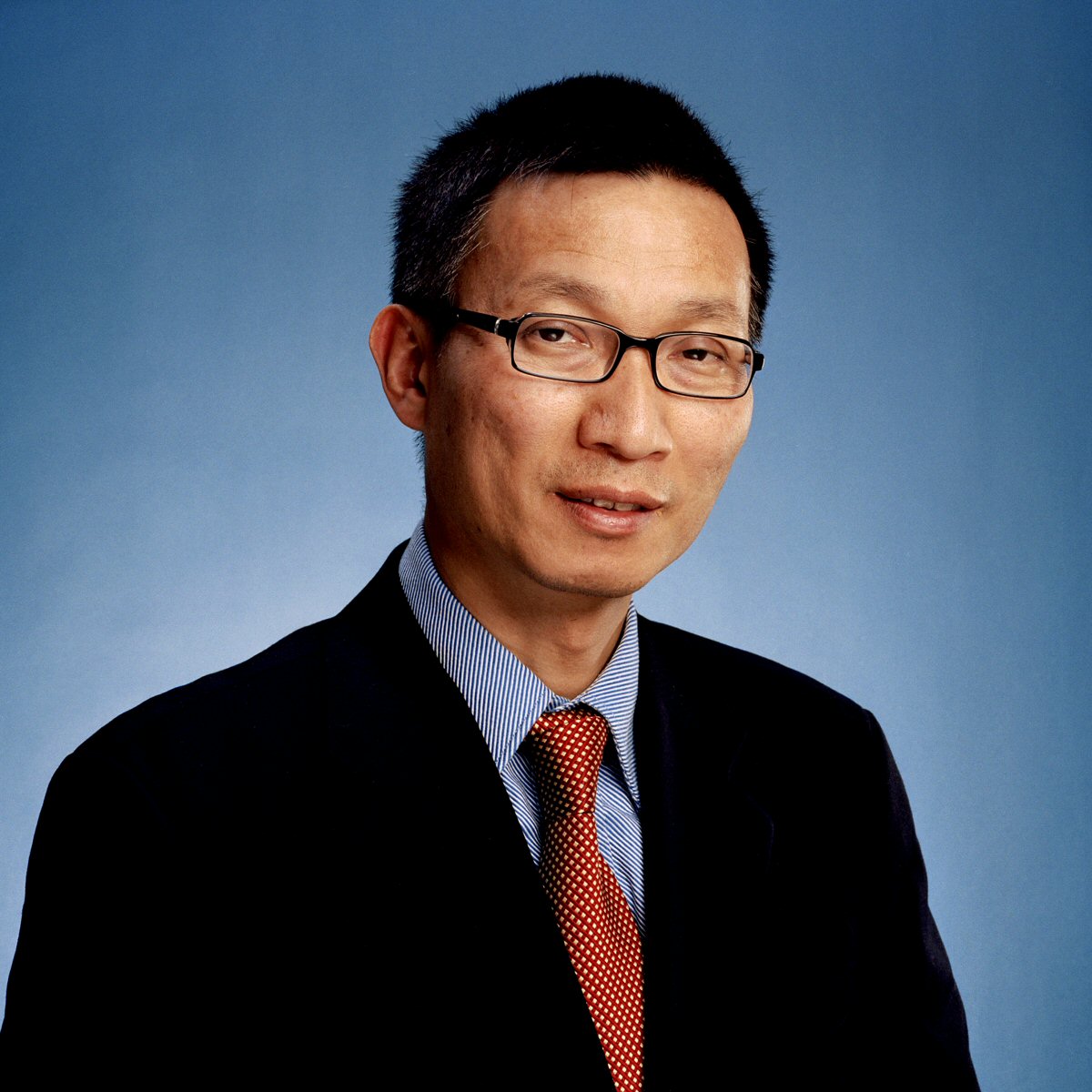
The Olympic Games cap a decade of Chinese re-engagement with the world and demonstrate China's newfound confidence on the world stage. The Chinese government has spent $45 billion on the Games, a figure that represents 1.5% of the country's GDP. Minxin Pei suggests that despite these investments, the government has not done a good job of fulfilling its basic responsibilities regarding environmental quality and improved healthcare for citizens.  

Click here for the transcript.

About the Author

Minxin Pei

Former Adjunct Senior Associate, Asia Program

Pei is Tom and Margot Pritzker ‘72 Professor of Government and the director of the Keck Center for International and Strategic Studies at Claremont McKenna College.

    Recent Work

  • In The Media
    How China Can Avoid the Next Conflict

      Minxin Pei

  • In The Media
    Small Change

      Minxin Pei

Minxin Pei
Former Adjunct Senior Associate, Asia Program
Minxin Pei
Political ReformMilitaryChina

Carnegie does not take institutional positions on public policy issues; the views represented herein are those of the author(s) and do not necessarily reflect the views of Carnegie, its staff, or its trustees.

More Work from Carnegie Endowment for International Peace

  • Satellite in space
    Commentary
    Emissary
    The U.S. Has Weapons in Space. Now What?

    The acknowledgment has sparked fears of a new arms race with China and Russia.

      • Chris  O'Meara ​​​​

      Chris O’Meara

  • Commentary
    Strategic Europe
    Taking the Pulse: Can the EU Stare Down China on Trade?

    The European Commissioner for Trade is headed to China. But after President Xi’s bridge-building visit to Washington, can a more isolated EU overcome Beijing’s stranglehold on critical raw materials? Who will blink first?

      • Rym Momtaz

      Rym Momtaz, ed.

  • Trump holding a glass of champagne up in a toast, with a table of guests in the foreground
    Commentary
    Emissary
    Trump Had the Chance to Address U.S.-China AI Safety. He Threw Xi a Party Instead.

    The summit may be remembered as a fatal blunder, when Washington, Beijing, and the AI industry collectively chose ceremony over action.

      • Jeffrey Prescott

      Jeffrey Prescott

  • Close-up of Lithium-Ion Battery Pack
    Research
    Battery Ecosystems: A Comparative Analysis of Lithium-Ion Tech Policy

    A deep dive into the policy ecosystems behind battery development in China, South Korea, Japan, the European Union (including some of its member states), the United States, Canada, and India.


      • +5

      Milo McBride, Herbert Crowther, Darcie Draudt-Véjares, …

  • Commentary
    Carnegie Politika
    How the Kremlin Achieved Its Latest Implausible Election Results

    Sergei Kiriyenko used Russia’s parliamentary vote to further hone his strategy of corporate mobilization that is designed to maximize votes for United Russia.  

      Andrey Pertsev

Get more news and analysis from
Carnegie Endowment for International Peace
Carnegie global logo, stacked
1779 Massachusetts Avenue NWWashington, DC, 20036-2103Phone: 202 483 7600
  • Research
  • Emissary
  • About
  • Experts
  • Donate
  • Programs
  • Events
  • Blogs
  • Podcasts
  • Contact
  • Annual Reports
  • Careers
  • Privacy
  • For Media
  • Government Resources
Get more news and analysis from
Carnegie Endowment for International Peace
© 2026 Carnegie Endowment for International Peace. All rights reserved.