

Article
Pierre Goldschmidt
{
  "authors": [
    "Pierre Goldschmidt"
  ],
  "type": "other",
  "centerAffiliationAll": "dc",
  "centers": [
    "Carnegie Endowment for International Peace"
  ],
  "collections": [],
  "englishNewsletterAll": "ctw",
  "nonEnglishNewsletterAll": "",
  "primaryCenter": "Carnegie Endowment for International Peace",
  "programAffiliation": "NPP",
  "programs": [
    "Nuclear Policy"
  ],
  "projects": [],
  "regions": [],
  "topics": [
    "Nuclear Policy",
    "Nuclear Energy"
  ]
}
REQUIRED IMAGE
In this paper presented to GDF Suez University's "Nuclear Prospective Seminar" in Paris, Pierre Goldschmidt highlights the high volume of recent nuclear agreements forming between nuclear-weapon states and non-nuclear-weapon states.
Source: Paper presented at GDF Suez University
In this paper presented to GDF Suez University's "Nuclear Prospective Seminar" in Paris, Pierre Goldschmidt highlights the high volume of recent nuclear agreements forming between nuclear-weapon states and non-nuclear-weapon states. In particular, Russia, France, China, and the United States appear to be taking advantage of growing interest in nuclear energy – spurred by a combination of geopolitical and economic factors – by offering to supply nuclear material, equipment, and knowledge to so-called "newborn nuclear nations," which presently lack adequate infrastructure and operation experience. Current national export rules and laws are simply not enough to prevent nuclear weapons proliferation. To minimize the incentive for domestically constructing sensitive fuel-cycle facilities, Dr. Goldschmidt argues for the strongest possible nuclear fuel supply guarantees, including generic export licenses subject to well-defined safety, security, and nonproliferation criteria. He also underlines the need for the nuclear industry to include specific (and transparent) nonproliferation conditions in future supply contracts.
Former Nonresident Senior Associate, Nuclear Policy Program
Goldschmidt was a nonresident senior associate at the Carnegie Endowment.
Recent Work
Pierre Goldschmidt
Pierre Goldschmidt
Carnegie does not take institutional positions on public policy issues; the views represented herein are those of the author(s) and do not necessarily reflect the views of Carnegie, its staff, or its trustees.

The nuclear relationship between China and the United States is increasingly shaped by widening perception gaps rather than deliberate strategic design.

Tong Zhao

A look at why states without nuclear weapons are seeking naval nuclear propulsion, whether they can legally and technically deliver it, what it will cost them, and what responsible stewardship of the capability would look like.

Jamie Kwong
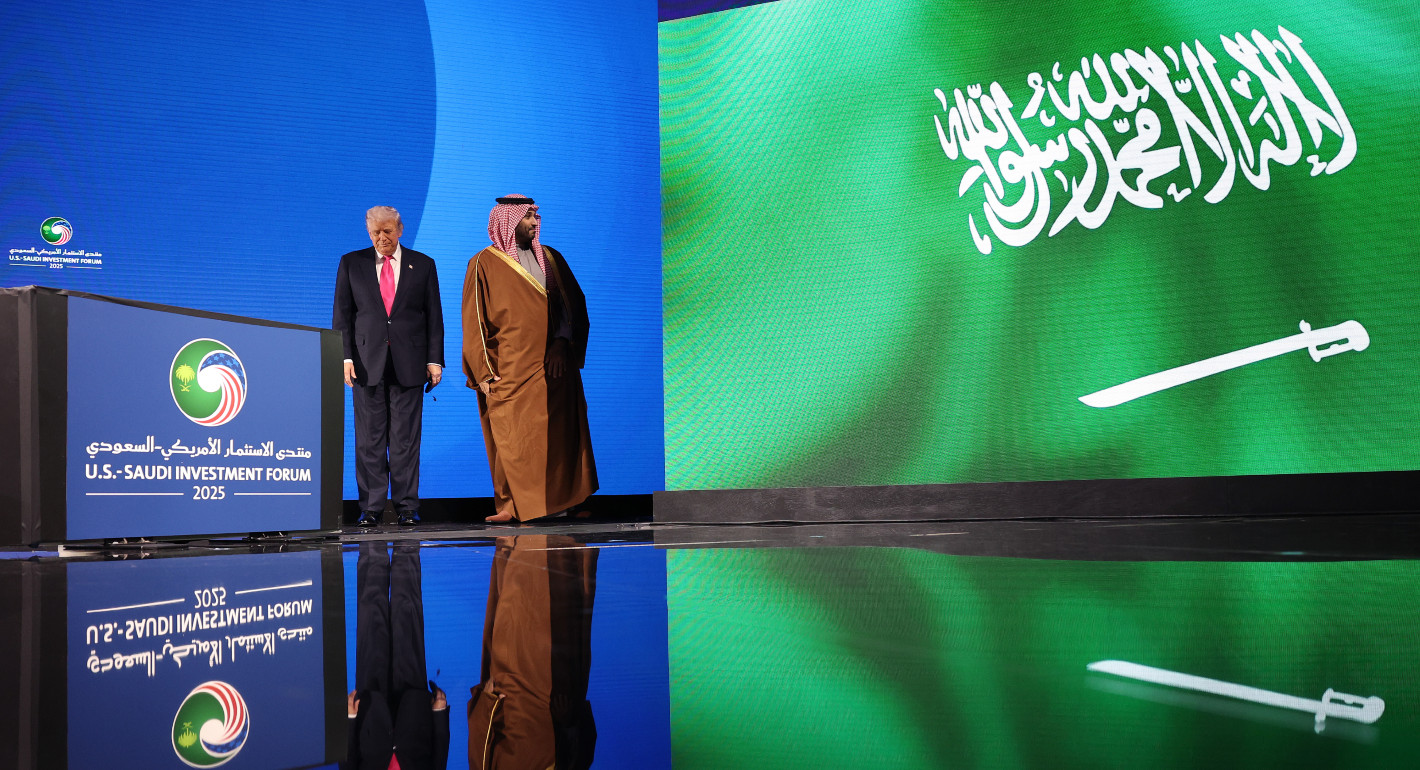
Congress should ask tough questions about the agreement’s more unique features and whether they advance U.S. interests or compromise them.

Jane Darby Menton
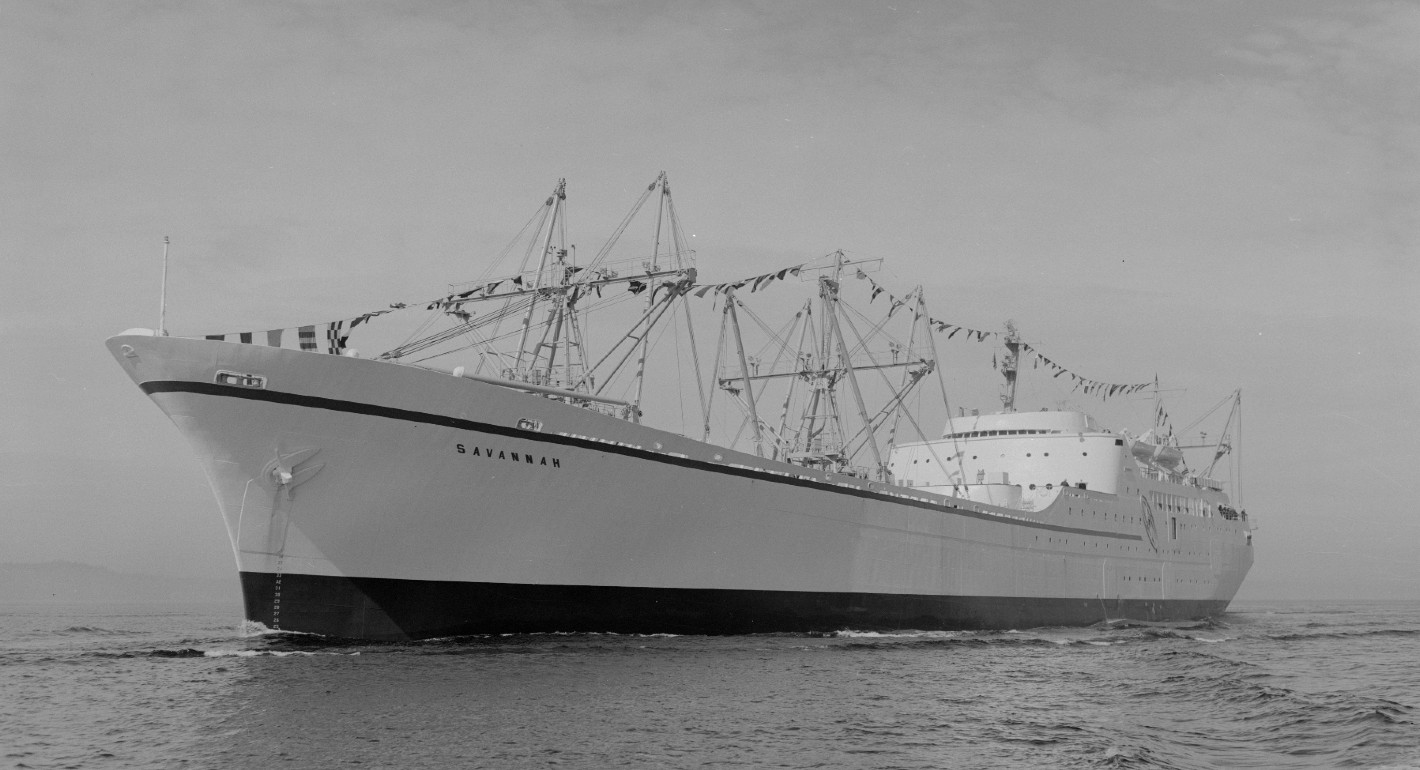
Nuclear and maritime communities face a long and challenging journey to deploy commercial nuclear applications at sea.

Jamie Kwong, Toby Dalton
A look at how public opinion influences the credibility of coercive nuclear threats,and how it enables and constrains strategies of nuclear coercion.

Lauren Sukin, Samuel Seitz